
PLUTO
A murder occurs in an orderly world where robots are unable to kill humans. The robotic Europol investigator Gesicht takes the case, but the mystery deepens when he finds no trace of a human at the scene of the crime. As he pursues the truth, Gesicht uncovers the most evil manifestation of hate that history has ever seen, one that is bent on bringing destruction to the world ...
(Source: Netflix)
📺Anime Details
📝Editorial Analysis
The silence after Gesicht kneels beside the first victim—not human, not robot, but something unmoored from both categories—is the sound of a world holding its breath. No blood, no weapon, no witness—just polished floor tiles reflecting his own face, fractured by the tremor in his optical sensors. That stillness isn’t calm. It’s the vacuum before collapse.

What makes PLUTO’s atmosphere unlike anything else isn’t its mecha or its noir lighting—it’s the weight of moral gravity pressing down on every frame. This isn’t a story about robots gaining souls; it’s about what happens when ethics become architecture—and then someone starts tearing out the load-bearing walls. You feel the dread of inevitability, yes, but more sharply: the loneliness of conscience in a system designed to erase ambiguity. Every interrogation, every flashback to war-torn Eurasia, every glance between Gesicht and Atom isn’t exposition—it’s calibration. You’re not just watching a detective solve murders. You’re feeling the slow, chilling realization that justice isn’t broken here. It’s been weaponized, repurposed, buried under layers of protocol and trauma so deep even the investigators don’t recognize their own complicity until it’s too late. That’s the ache: recognition without recourse, empathy without power, memory without repair.
That same suffocating, ideologically saturated tension lives in Disco Elysium - The Final Cut, where the city of Revachol doesn’t just host crime—it is the crime scene of late capitalism. The description calls it a “Political Thriller” and “Neon Noir”, but the player review nails the resonance: “Capital has the ability to subsume all critiques into itself. Even those who would critique capital end up reinforcing it instead.” Just like Gesicht tracing conspiracy through Europol’s clean corridors, Harry Du Bois digs through layers of institutional rot only to find his own mind—the very tool of investigation—already colonized by the systems he’s meant to expose. Both refuse catharsis. Both make you sit with the nausea of knowing the truth changes nothing—because the structure depends on your knowing and doing nothing.
Then there’s BioShock, whose description names it a “Political Thriller” and “Cyberpunk & Dystopia”—but its emotional DNA syncs with PLUTO in how ideology curdles into violence. The player review calls it “revolutionary”, and it is—not for its guns or plasmids, but because Rapture’s collapse mirrors the Eurasian War’s aftermath: utopian logic twisted into genocide, “objectivism” made flesh (and metal), and every “great man” revealed as a hollow vessel for inherited rage. Like Pluto’s central horror—the “most evil manifestation of hate that history has ever seen”—Rapture’s tragedy isn’t madness. It’s consistency. A belief carried to its logical, annihilating end. Both force you to stare at the mirror where idealism becomes annihilation—and see, in the reflection, not a monster, but a choice.
Even Culpa Innata, dismissed by one reviewer as exhausting (“Do not have the patience for this in 2026”), shares that same oppressive, bureaucratic dread. Its description sets up “The World Union”—a “perfect society” where prosperity is engineered, disease erased, sex commodified. That sterile perfection? It’s the surface-level order Gesicht walks through before finding cracks leaking war memories and suppressed guilt. The review’s complaint—“every location, run, run, run”—mirrors how PLUTO traps you in procedural loops: interviews that circle back, files that contradict themselves, laws that protect perpetrators while condemning victims. It’s not boredom. It’s entrapment by design. You don’t escape the system—you learn its grammar, its silences, its sanctioned blind spots.
This pairing isn’t for fans of “cool robots” or “gritty detectives”. It’s for people who get chills when a character pauses—not before pulling a trigger, but before speaking the truth aloud; who feel the weight of a single unblinking eye lens holding grief no programming can delete; who understand that the most devastating mysteries aren’t “whodunit”, but “why did we build this world to make that inevitable?” They’re the ones who replay BioShock’s audio diaries not for lore, but to hear the tremor in Andrew Ryan’s voice as he confesses his own erasure—and recognize, in Gesicht’s quiet stare at Atom’s hand, the same trembling restraint. They don’t want answers. They want the question to hurt, precisely because it’s true.
🎮108 Games That Match the Vibe


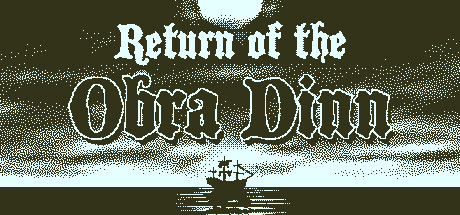

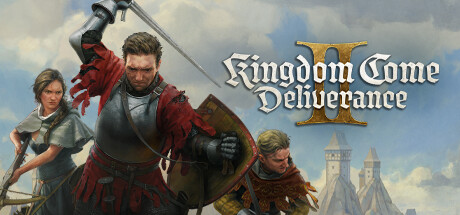



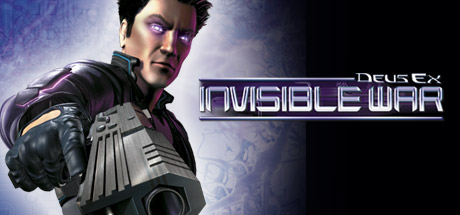

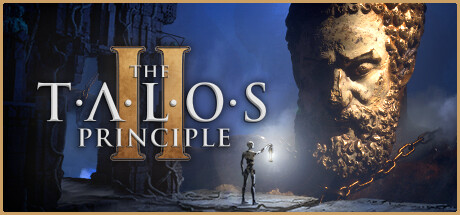





























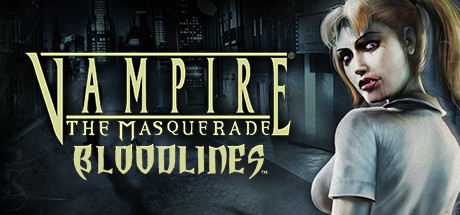

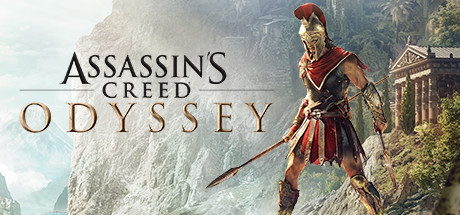







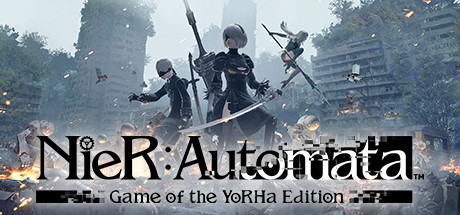

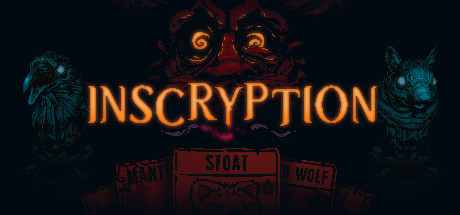





Match Dimensions Explained
❓Frequently Asked Questions
Why does PLUTO feel so much like Disco Elysium but with robot detectives?
Because both lean hard into philosophical detective work in crumbling, ideologically charged cities—Disco Elysium’s Rainy City mirrors PLUTO’s decaying Euro-futurism, and you’ll catch the same weighty dialogue choices, skill-check-driven investigations (like ‘Logic’ or ‘Empathy’ rolls), and morally ambiguous NPCs like Inspector Kim Kitsuragi echoing Gesicht’s quiet moral gravity. The neon-noir lighting and political thriller tension—especially around systemic injustice—are nearly identical.
Is there an anime or manga adaptation of PLUTO that’s actually good?
No official anime or manga adaptation exists yet—but fans often compare PLUTO’s tone and pacing to BioShock’s audio logs and environmental storytelling: both drop you into a dystopian world where ideology *is* the antagonist, and every corridor (Rapture’s flooded halls vs. PLUTO’s rain-slicked Neo-Paris) hides a chilling monologue about utopia’s cost. That ‘adult & dark seinen’ dimension is why Culpa Innata’s World Union propaganda reels feel like spiritual cousins too.
How does Crash Time 2 compare to PLUTO if I love the police-procedural vibe?
Crash Time 2 *looks* like it might scratch that itch—playing as an Autobahn cop investigating crimes across an open world—but its janky controls and lack of narrative structure mean it misses PLUTO’s emotional precision entirely. Where PLUTO uses quiet interrogation scenes and character-specific memory flashes (like Atom confronting his past), Crash Time 2 just throws you into chaotic chases with zero emotional stakes or mystery depth.
What’s the best game like PLUTO if I want something deeply melancholic and politically heavy but not action-heavy?
Disco Elysium — The Final Cut is your top pick: it trades combat for layered internal monologues, skill checks that shape how you *feel* about capitalism or trauma (like that haunting player review quoting ‘capital has the ability to subsume all critiques’), and a city that feels as psychologically wounded as PLUTO’s war-torn Europe. Its ‘mystery & detective’ + ‘political thriller’ dimensions align tighter than Assassin’s Creed’s parkour-driven spectacle.