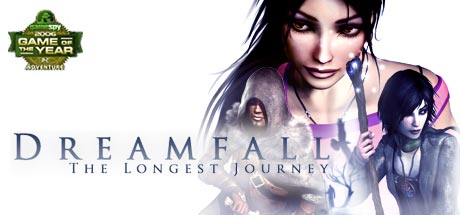
Dreamfall: The Longest Journey
Dreamfall: The Longest Journey, winner of multiple E3 awards as the best game in its genre, is the continuation of a saga that began in the award-winning The Longest Journey, considered to be one of the finest adventure games ever made.
🎮Game Details
💬What Players Say
"It's less a long journey than a long drama. And somehow, the drama is compelling enough that you keep watching scene after scene."
"A bit clunky controls and mechanics. Don't expect difficult puzzles or problems. I only got stuck at one musical puzzle, where I never found the hint...."
"great story"
📝Editorial Analysis
Rain slicks the neon-drenched streets of Casablanca—not the real one, but Dreamfall: The Longest Journey’s version: a city where every flicker of holographic ad-light feels like a sigh, where the weight of silence between characters lands heavier than any puzzle solution. You’re not solving locks or dodging traps—you’re standing in a dim apartment as Zoë Castillo stares out a rain-streaked window, her reflection fractured across the glass, and you don’t move. Not because the controls won’t let you—though yes, they’re clunky, as one player admits—but because the scene holds you there, suspended in that slow, aching drift between worlds: Stark’s rigid logic, Arcadia’s fading magic, and the quiet, crumbling humanity caught between them. It’s “less a long journey than a long drama,” as another reviewer says—and it’s compelling enough that you keep watching scene after scene, even when the musical puzzle stumps you, even when you miss the brief window for the hint and wander lost for twenty minutes, not frustrated, but immersed, like you’ve stepped into someone else’s grief.

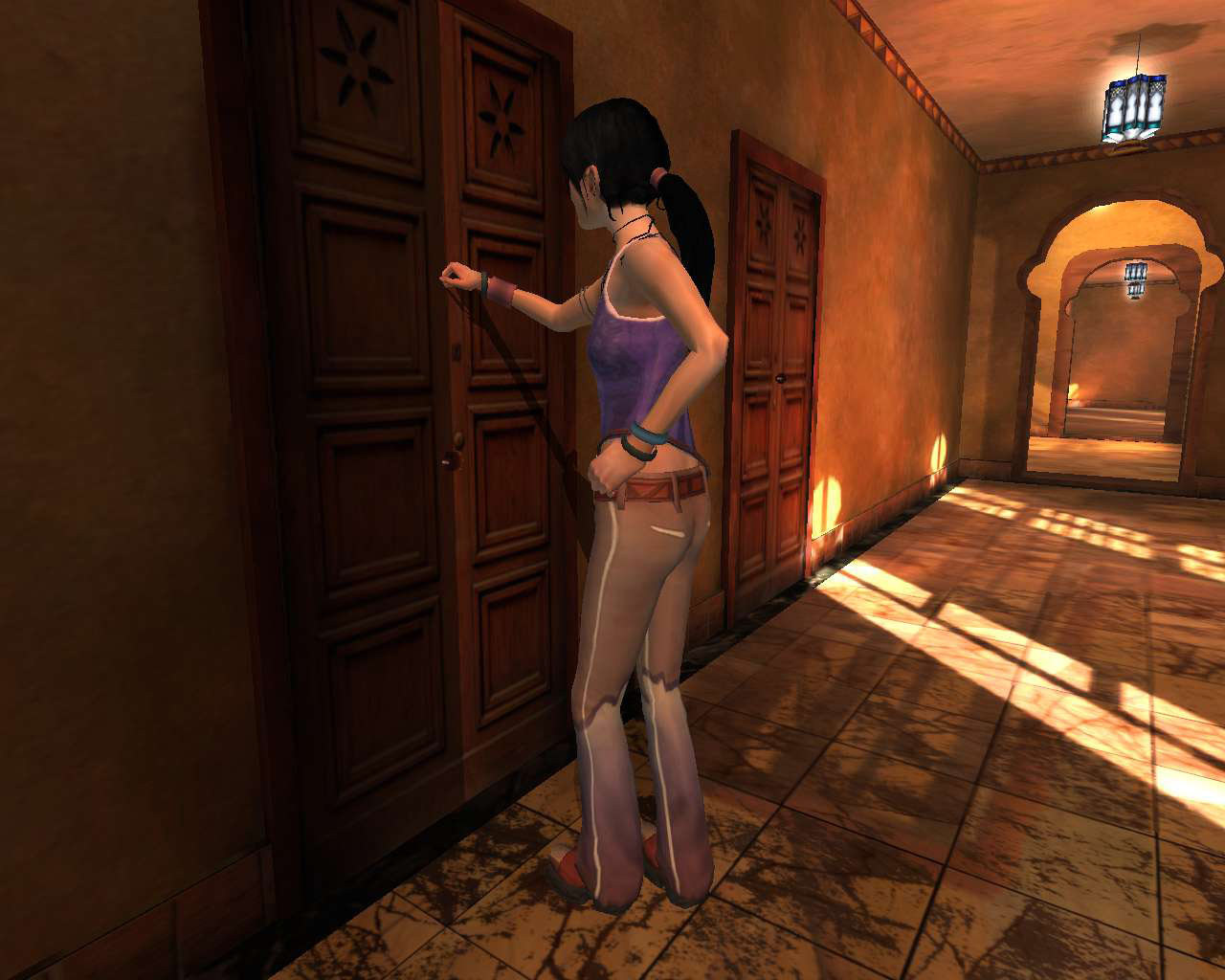
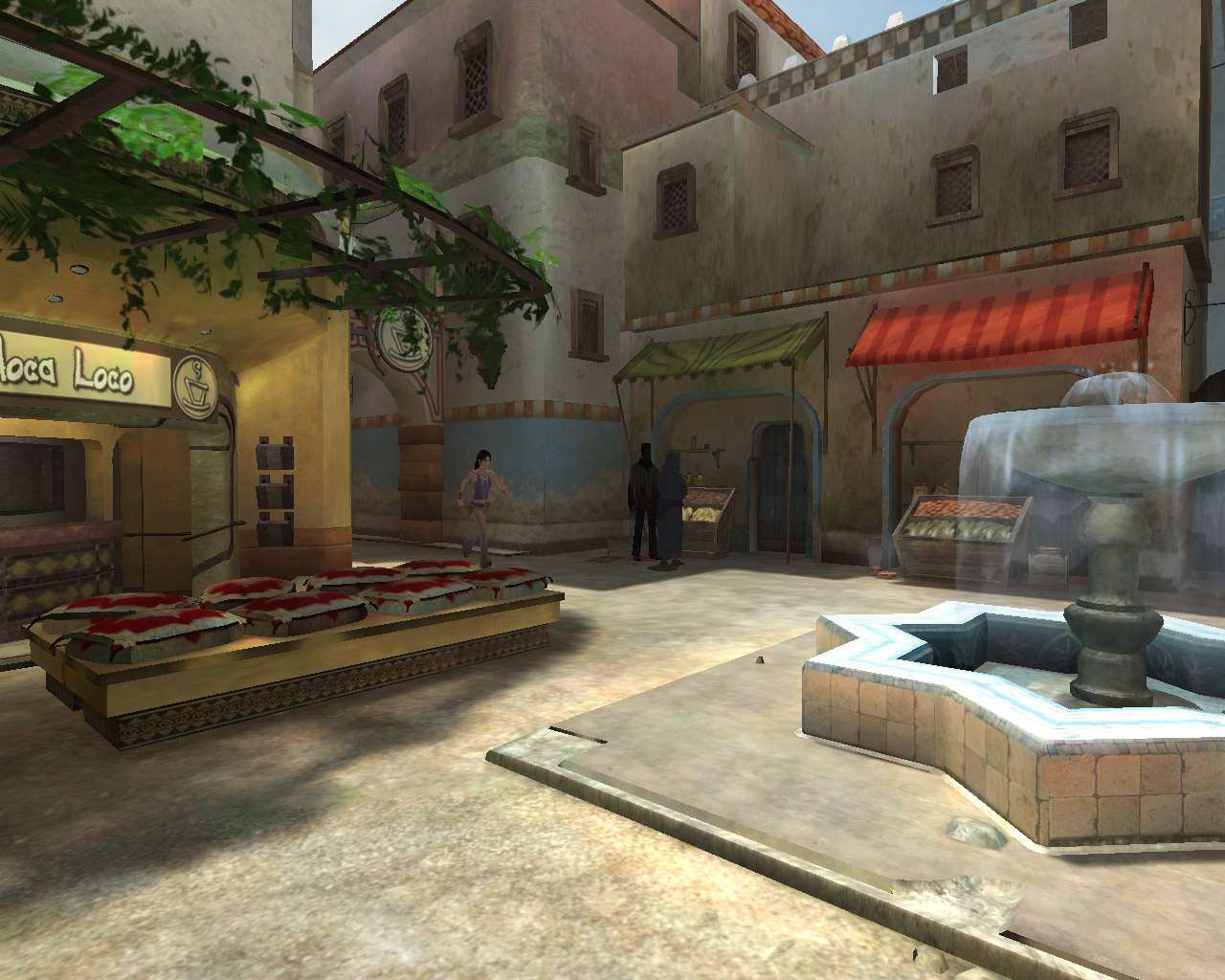
This isn’t atmosphere built on spectacle or speed. It’s the feeling of dwell time: the deliberate pause before a confession, the way ambient sound design lingers just a half-second too long after dialogue ends, the sense that every location—from the sterile corridors of the BioDome to the hollow echo of a derelict train station—is breathing its own exhaustion. There’s no urgency to win, only urgency to witness. You think about thresholds—not just physical doorways between Stark and Arcadia, but emotional ones: how belief frays, how hope calcifies into routine, how memory becomes both sanctuary and wound. The game doesn’t ask you to master systems; it asks you to sit with consequence. That’s why the “great story” isn’t just well-told—it’s felt in the joints, in the slump of a shoulder, in the way light falls flat on a character’s face when they finally stop pretending.
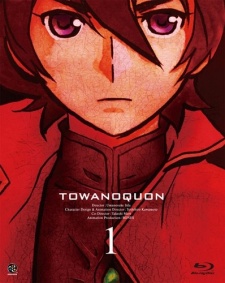
Plastic Memories shares that same hush of impending loss—the quiet dread beneath polished surfaces, the way love blooms not despite mortality, but in its shadow. Both live inside the Cyberpunk & Dystopia dimension not for chrome and chaos, but for the soft corrosion of idealism: a city where androids are disposable, a world where magic is illegal, both asking the same question—what do we preserve when everything is slipping? And the Emotional Narrative isn’t melodramatic; it’s in the tremor of a hand reaching for a terminal one last time.
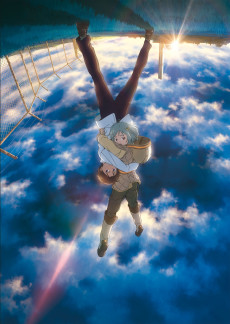
Angel’s Egg, too, pulses with that same solemn gravity. No exposition, no exposition—just image, silence, ritual. Like Dreamfall, it treats narrative as something you enter, not decode. Its Adult & Dark Seinen dimension isn’t about violence or gore, but about the weight of unanswered metaphysics: what does faith mean when the egg never hatches? When the tower has no top? That shared reverence for mystery-as-emotion—where ambiguity isn’t evasion but resonance—makes them kin.
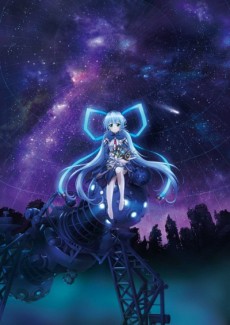
And KOWLOON GENERIC ROMANCE, with its rain-laced alleys and lovers speaking in half-truths over cracked comms, mirrors Dreamfall’s emotional architecture down to the grammar: two people trying to map each other’s inner geography while the city around them decays with polite indifference. Its Cyberpunk & Dystopia isn’t flashy rebellion—it’s the exhaustion of maintaining connection in a system designed to isolate. The Emotional Narrative lives in glances held too long, in messages sent but not acknowledged, in the terrible, beautiful patience of waiting for someone to remember your name.
This pairing isn’t for the seeker of adrenaline or optimization. It’s for the person who rewinds a single line of dialogue three times—not to catch plot, but to hear the catch in the voice. For the reader who underlines paragraphs not for theme, but for texture: the grit in a throat, the static in a transmission, the way grief sounds when it’s been worn smooth by repetition. It’s for those who don’t want to solve a story—but to let it settle, like dust in sunlit air, until it becomes part of the room you’re sitting in.
→131 Anime That Match the Vibe
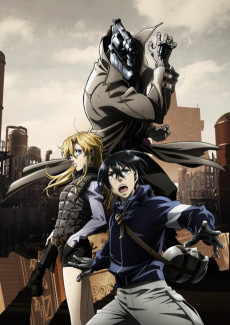
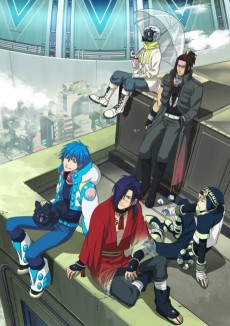
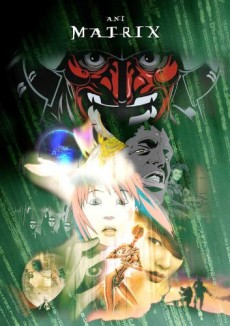
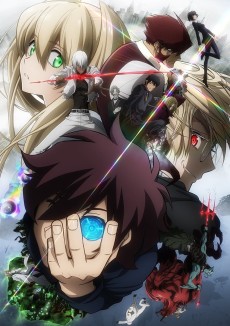
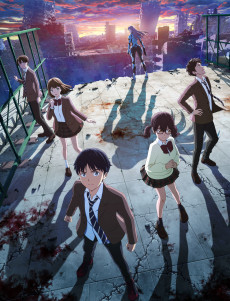
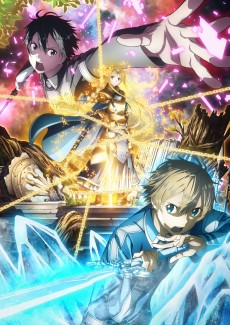
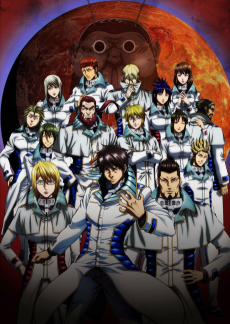
Both dive into neon-soaked futures where technology blurs the line between human and machine.

Both dive into neon-soaked futures where technology blurs the line between human and machine.

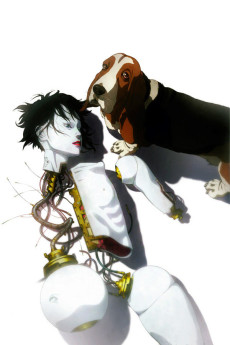
That cracked, rain-slicked cityscape of Caspar’s neon-drenched alleys mirrors the desolate, shadow-choked ruins where the girl in *Angel’s Egg* trudges with her fragile burden—both worlds breathe dystopia not as backdrop but as psychological weather. 💔 Where April Ryan’s grief fractures reality across parallel worlds, the girl’s silent vigil over the egg embodies a similarly devastating emotional narrative: faith as endurance, hope as quiet, perilous labor. Unlike most cyberpunk fare, neither work weaponizes its darkness—it deepens it, making the 🖤 adult resonance feel earned, intimate, and strangely tender.

Both dive into neon-soaked futures where technology blurs the line between human and machine.
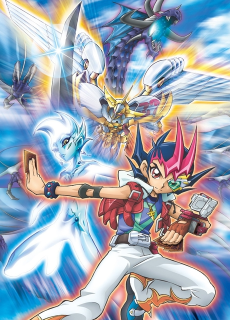
Both dive into neon-soaked futures where technology blurs the line between human and machine.

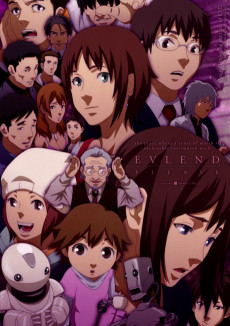
A rain-slicked Neo-Alexandria street—where April Ryan pauses beneath flickering holograms—echoes the quiet ache of Tsukasa’s final walk with Isla through SA Corp.’s sterile corridors. Unlike most cyberpunk fare, neither work weaponizes dystopia; instead, they let it seep into intimate goodbyes, grounding 🌆 Cyberpunk & Dystopia in trembling hands and unsaid words. That shared emotional narrative—grief as quiet ritual, not spectacle—makes their resonance startlingly tender.
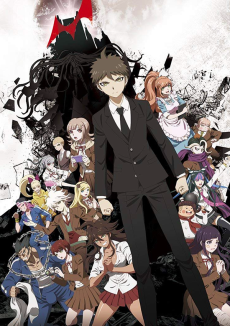
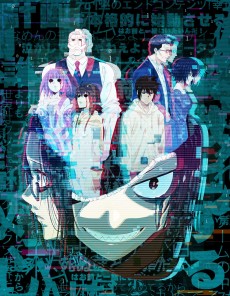
Chisa Yukizome’s quiet, devastating classroom farewell—where hope curdles into irreversible despair—mirrors April Ryan’s hollow walk through Casablanca’s rain-slicked, neon-drowned alleys. Unlike most dystopias that externalize collapse, both works weaponize *Emotional Narrative*: trauma isn’t backdrop but architecture, shaping every choice in Dreamfall’s fractured real-world and Despair Arc’s claustrophobic school lockdown. That shared *Cyberpunk & Dystopia* texture—glitching interfaces, decaying infrastructure, surveillance as intimacy—makes their despair feel chillingly tactile, not abstract.

Both dive into neon-soaked futures where technology blurs the line between human and machine.

Zoe Castillo’s descent into the decaying neon sprawl of Casablanca mirrors the Red Blood Cell’s frantic oxygen runs through a smoke-choked, alcohol-saturated circulatory system—both worlds pulse with 🌆 Cyberpunk & Dystopia rendered in visceral, bodily detail. Unlike most dystopias built on external oppression, these collapse from within: one through bureaucratic rot and spiritual exhaustion, the other through self-inflicted cellular crisis. That shared focus on internal decay as existential threat makes their resonance startlingly intimate—not societal collapse, but the body and soul fraying at the same time.

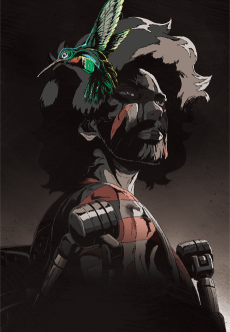
Kowloon Walled City’s rain-slicked alleyways—where neon bleeds into damp concrete—mirror Dreamfall’s divided worlds: one decaying, one digitized, both haunted by memory. Unlike most dystopias fixated on collapse, both anchor their cyberpunk & dystopia aesthetic in quiet, aching intimacy—Zoe’s sleepless nights in Casablanca’s flickering transit hub echo the unnamed protagonist’s silent walks beneath Kowloon’s tangled power lines. This resonance feels surprising: not in spectacle, but in how grief and longing become architecture.

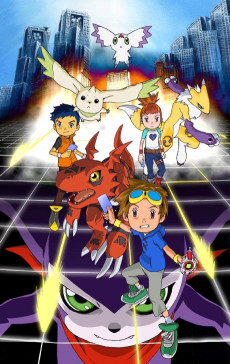
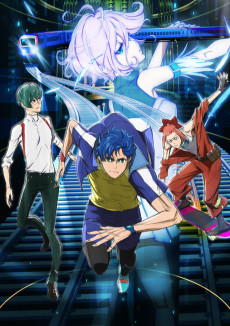
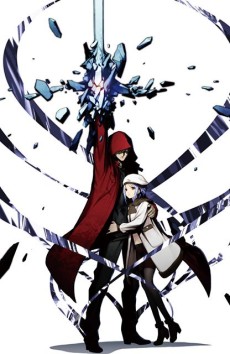








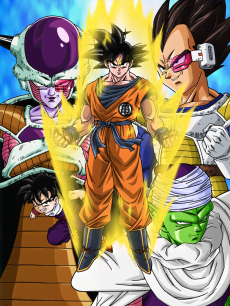

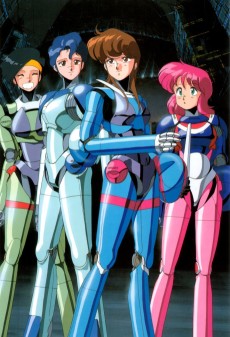
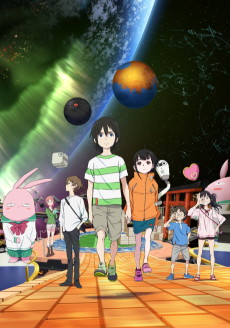


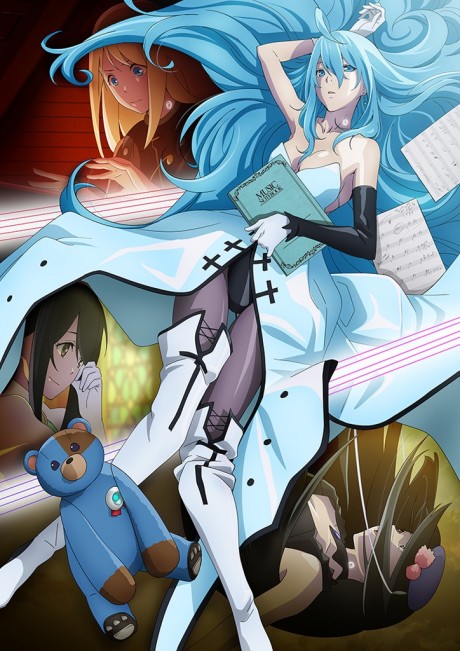








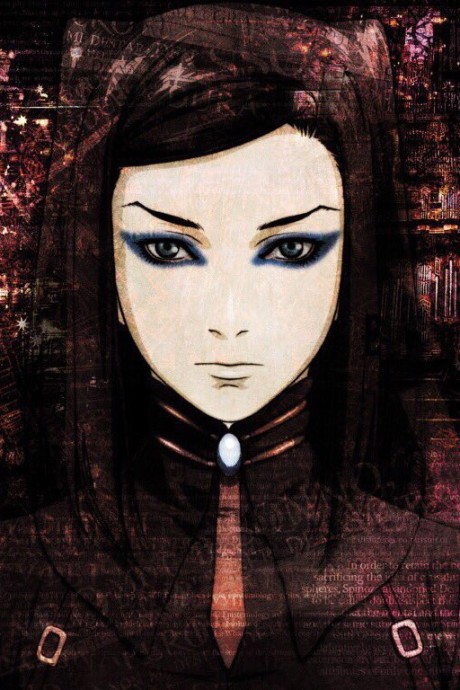


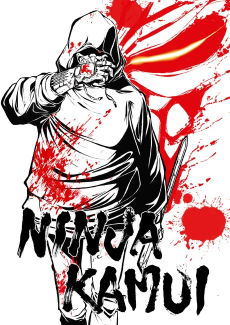
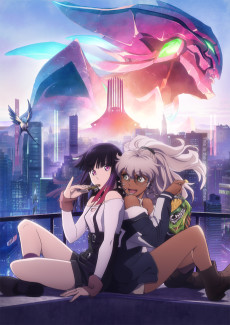
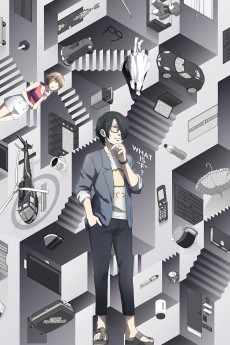


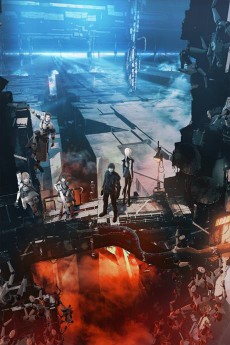
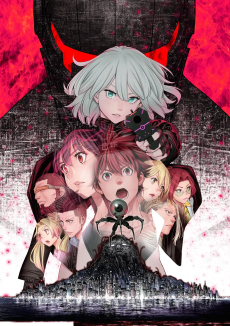

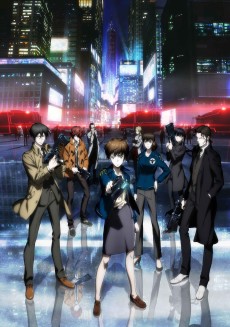

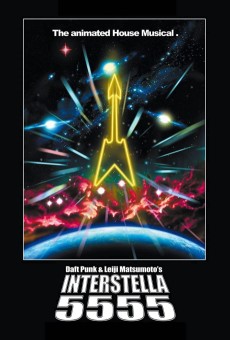
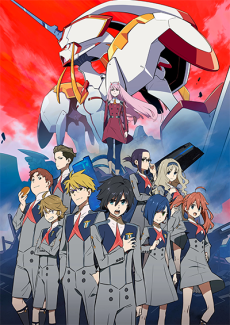
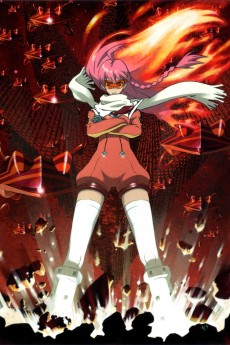
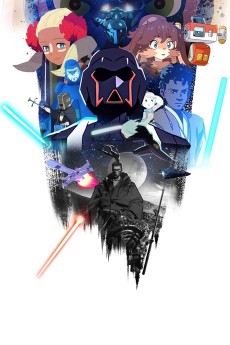
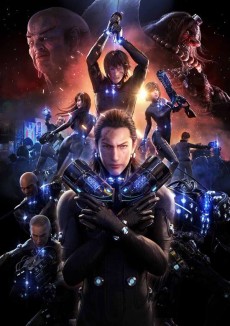

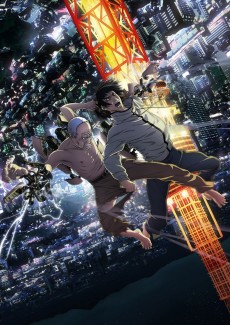
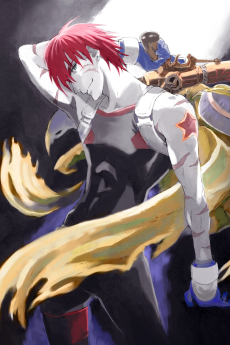
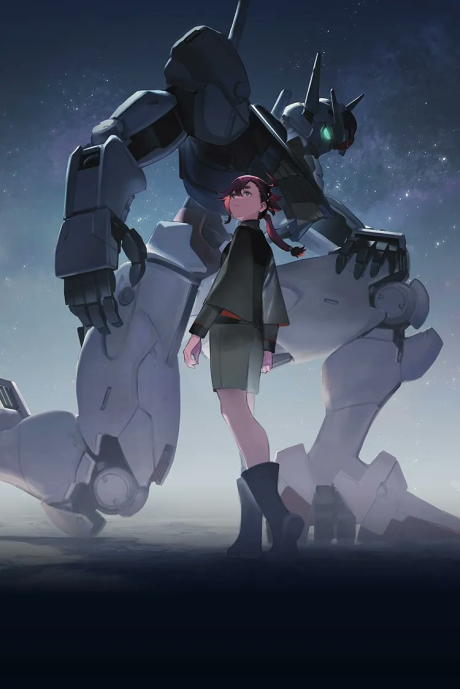


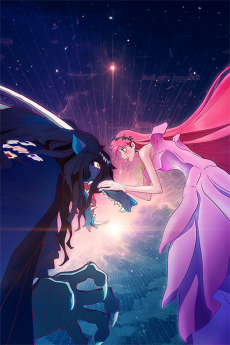





















Match Dimensions Explained
❓Frequently Asked Questions
Why is Plastic Memories recommended for Dreamfall fans despite not being cyberpunk?
Great question—it’s all about that slow-burn emotional gut-punch. Like Zoe Castillo’s quiet grief and the way Dreamfall lingers on small, human moments (think her sitting alone in the Stark apartment listening to rain), Plastic Memories mirrors that with Tsukasa’s bond with Isla and the heartbreaking hospital scene where she forgets his name mid-conversation. Both lean hard into melancholy intimacy over action, even if Plastic Memories swaps dystopia for near-future tech ethics.
Is there an anime adaptation of Dreamfall: The Longest Journey?
Nope—no official anime adaptation exists, and it’s unlikely. The game’s famously dense lore (like the dual-world balance between Stark and Arcadia, or April Ryan’s awakening as a Shifter) relies heavily on environmental storytelling and player-driven pacing—things anime struggles to replicate without losing its quiet, contemplative rhythm. Even fan-made animatics barely scratch the surface of how much weight a single line from Kian or Crow carries.
How does Angel's Egg compare to Danganronpa 3 Despair Arc for Dreamfall vibes?
Angel’s Egg is the *spiritual cousin*: both share Dreamfall’s hushed, symbolic dread—like the silent, rain-slicked cityscapes of Stark mirrored in Angel’s Egg’s crumbling cathedral ruins and that haunting, wordless sequence where the girl guards the egg while the boy wanders through decaying machinery. Danganronpa 3’s Despair Arc hits harder with plot twists and trauma dumps (e.g., Hajime’s breakdown mirroring Zoe’s dissociation after the Red Square incident), but Angel’s Egg matches Dreamfall’s tone more precisely—slow, poetic, and emotionally heavy without exposition.
What’s the best anime like Dreamfall if I want that same ‘quiet, rainy, emotionally exhausted’ vibe?
Go straight to KOWLOON GENERIC ROMANCE—it nails the mood like nothing else on the list. Picture Zoe staring out the train window at neon-bleeding rain in Casablanca City, then swap it for the protagonist walking Hong Kong’s wet alleyways at 3 a.m., cigarette smoke curling past flickering holograms. Its pacing is glacial, its dialogue sparse, and its heartbreak lives in tiny details—like a half-unpacked suitcase or a voicemail left unanswered—just like Dreamfall’s most resonant scenes.