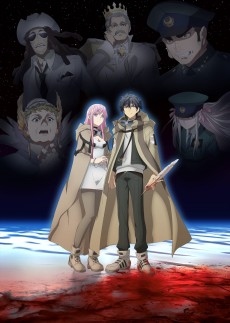
The Kingdoms of Ruin
📺Anime Details
📝Editorial Analysis
The air tastes like burnt sugar and iron the moment the witch’s hand closes around the boy’s throat—not to kill, but to unmake. Her fingers don’t crush bone; they peel back layers of time, revealing flickers of his childhood village—smiling faces, a harvest festival banner snapping in wind that hasn’t blown for centuries—before dissolving into ash mid-breath. That’s The Kingdoms of Ruin: not a story about magic as spectacle, but magic as violation, memory as wound, revenge as recursion.
What settles in your chest isn’t adrenaline—it’s the slow, cold dread of inevitability. This anime doesn’t pulse with shōnen triumph; it settles, like dust over ruins no one names aloud. You feel the weight of lost civilizations not as grand monuments, but as gaps in language, as children repeating prayers whose meanings died with their grandparents. The gore isn’t stylized—it’s textural: viscera slick against cracked cobblestones, spells that leave scorch marks shaped like weeping eyes. Tragedy here isn’t backstory—it’s architecture. Every alleyway, every ruined temple, every whispered incantation carries the echo of something violently erased—and worse, forgotten on purpose. It makes you question whether memory is sanctuary or sentence. Whether justice is possible when history has already been weaponized.
BioShock Infinite resonates because it shares that same suffocating dread of repetition. Booker DeWitt isn’t just indebted—he’s trapped in a loop where rescue and atonement collapse into the same act of violence. The player review hints at the bitterness people feel toward “the Bioshock Infinite we could have gotten”—a line that mirrors how The Kingdoms of Ruin fractures its own narrative: what could have been salvaged from the ruins is always just out of reach, obscured by shifting timelines and buried truths. Both works treat time not as a river, but as a wound that reopens. When Elizabeth’s powers unravel reality, it’s not wonder you feel—it’s vertigo, the same gut-lurch as watching the witch peel back decades from a boy’s skin.
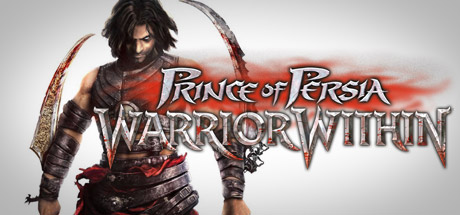
Prince of Persia: Warrior Within hits even closer: hunted by Dahaka, an immortal incarnation of Fate itself, the Prince doesn’t fight monsters—he flees consequence. The player review calls the Dahaka chase “goated,” not for its difficulty, but for its inescapability—that relentless, breathing presence behind you, always just seconds away. That’s the rhythm of The Kingdoms of Ruin: no victory feels final because the past isn’t dead—it’s waiting, coiled in glyphs, in blood rituals, in the way a terrorist cell recites lullabies from a civilization they erased. Both works force you to move through time, not across it—every corridor, every flashback, every spell-cast is another layer of the same trap.
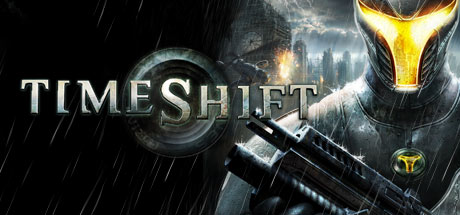
And TimeShift™, though brief, nails the physical disorientation of temporal rupture. Dr. Krone’s reckless jump fractures reality into something “disturbing”—not sci-fi sleek, but wrong, like a photograph developed in acid. The player review admits it takes work to get the game running—a fitting metaphor: both TimeShift™ and The Kingdoms of Ruin demand you stitch coherence yourself, parsing glitched timelines and half-remembered histories until meaning emerges jagged and unstable. Neither offers clean answers—only cause-and-effect so tangled, revenge becomes indistinguishable from self-erasure.
This pairing isn’t for fans of catharsis. It’s for the person who replays Warrior Within after ten years not for nostalgia, but because the ache of that chase still fits their ribs. It’s for the one who reads a BioShock review about “the game we could have gotten” and feels a familiar pang—not regret, but recognition: some stories aren’t meant to be resolved, only endured, re-examined, carried. It’s for those who don’t want magic to dazzle—they want it to hurt, to remind them that every spell cast in The Kingdoms of Ruin leaves a scar on time itself, and that the most terrifying thing isn’t the monster chasing you… it’s realizing you’ve always been running toward it.
🎮27 Games That Match the Vibe










Match Dimensions Explained
❓Frequently Asked Questions
Why does BioShock Infinite keep showing up in Kingdoms of Ruin recommendations?
Because both lean hard into fractured timelines and memory-as-weapon mechanics—like Booker’s guilt-fueled reality shifts mirroring Ruin’s Chronos’ time-loop trauma, and Elizabeth’s tears literally rewriting worlds just like Ruin’s temporal echoes. Critics even noted how Infinite’s Columbia feels as politically charged and morally slippery as Ruin’s collapsing city-states.
Is there a Kingdoms of Ruin anime or novel adaptation?
No official adaptation exists yet—but fans often compare Ruin’s tone to Prince of Persia: Warrior Within’s grim, mythic stakes, especially the relentless Dahaka chase scenes that echo Ruin’s pursuit by the Hollow King. That game’s dark fantasy vibe (and its 83-score match) is why it keeps popping up alongside Ruin in ‘grim time-bending RPG’ discussions.
How does Kingdoms of Ruin compare to Assassin’s Creed Director’s Cut Edition?
Both weave political thriller tension into tactical combat—Ruin’s faction-driven betrayals feel like AC’s Templar-Mongol power plays, and Ruin’s stamina-based parry system mirrors AC’s early counter-heavy swordplay. Even reviewers note how AC’s dated textures don’t hurt its immersive worldbuilding, much like Ruin’s hand-painted aesthetic serving its oppressive, war-worn mood.
What’s the best game like Kingdoms of Ruin if I want that oppressive, time-broken atmosphere?
TimeShift™ nails it—Dr. Krone’s disorienting jumps through a glitched dystopia (think Ruin’s crumbling clock towers and rewinding battlefields) deliver that same suffocating, memory-fractured vibe. Its 4-hour runtime packs more temporal dread than most 60-hour RPGs, and players love how its time-manipulation isn’t just a gimmick—it reshapes every corridor and enemy encounter, just like Ruin’s chronal decay mechanics.