
Clevatess
The story centers on the titular Clevatess, the lord of Dark Beasts, who wields both uncanny intellect and destructive power. Frustrated by the 13 heroes tasked to destroy him, he has decided to be rid of humanity once and for all. However, he has been charged with one nuisance: he revived a hero he personally slayed and adopts an orphaned humanoid baby—the last hope to save a dying world. The world stands upon the brink of Armageddon, with the obligation of raising one child holding it all back. Now bound together, what fate awaits this unlikely trio?
(Source: Anime News Network, Crunchyroll, edited)
Note: The first episode aired with a runtime of ~46 minutes as opposed to the standard 24 minute long episode.
📺Anime Details
📝Editorial Analysis
The weight of a baby’s head against Clevatess’ armored shoulder—warm, fragile, absurdly alive—while his own claws twitch inches from its throat. That’s the first breath of Clevatess: not a roar, not a spell, but a held silence thick with contradiction. He is the lord of Dark Beasts, intellect like sharpened obsidian, power that cracks mountains—but right now, he’s adjusting a swaddling cloth with the same precision he once used to dismantle hero squads. The world is dying. He wants it to end. And yet—he holds.

That duality isn’t just plot mechanics—it’s the show’s atmosphere. Not grimdark for spectacle’s sake, not tragedy as ornament. It’s the exhaustion of inevitability pressed up against the stubborn, irrational warmth of care. You feel the grit of medieval stone underfoot, smell burnt magic and wet earth, hear the low hum of a world fraying at the seams—but then, a gurgle. A tiny fist curling around a clawed finger. It makes you question what “monstrous” really means when duty and tenderness share the same trembling hand. This isn’t about redemption arcs or softening edges. It’s about parenthood as resistance—quiet, daily, devastatingly physical—against an apocalypse you helped design.
That emotional DNA pulses strongest in The Witcher 3: Wild Hunt, where Geralt carries Ciri—not as a weapon or prophecy, but as a child whose nightmares echo his own, whose safety becomes the axis on which every choice turns. The description says he’s tracking “the Child of Prophecy,” but the player review nails it: “DLC announced 11 years after release, my favourite game keeps getting better…” That longevity isn’t just polish—it’s the resonance of enduring care. Like Clevatess, Geralt isn’t saving the world because he believes in it; he’s protecting her, even when the cost is his own peace, his own name, his own body broken across continents. Both stories treat love as labor—not grand speeches, but carrying, waiting, shielding, surviving with someone small and vulnerable in a landscape that wants them erased.
Then there’s Dark Messiah of Might & Magic, where ferocious combat meets a dark, unstable world—and the player review calls it “a fantastic melee combat game that still holds up pretty well today.” That “holds up” is key. Clevatess doesn’t glamorize swordplay; it renders it visceral, almost brutal—every swing weighted, every parry echoing with consequence. When Clevatess fights, it’s not choreography—it’s physics, fatigue, and the terrifying ease with which his power could obliterate the infant sleeping three rooms away. Dark Messiah’s Source Engine combat shares that tactile urgency: no auto-aim, no forgiving hitboxes—just bone-deep impact, momentum, and the constant awareness that one misstep unravels everything. Both demand presence, not just skill, but embodied responsibility—because the same hands that cleave through steel must also cradle a sleeping child.
And The Witcher 2: Assassins of Kings Enhanced Edition, described as a time where “armies on the march are not enough to stop a b…” (cut off, but the implication hangs—a betrayal? a curse? a child’s fate?). Its player review praises how it “feels more thoughtfully designed than the next entry”—a testament to its unflinching focus on consequence, intimacy, and political decay pressing in from all sides. Like Clevatess, it refuses easy binaries: heroes fracture, motives curdle, and survival demands moral compromise measured in quiet glances and withheld truths. There’s no triumphant music when Clevatess changes a diaper at dawn, just the scrape of claw on cloth and the distant groan of a collapsing tower. Same here: no fanfare when Geralt chooses loyalty over law, only the hollow thud of a door closing behind him—alone, but never truly unburdened.
This pairing isn’t for fans of “cool monsters” or “epic battles.” It’s for the ones who remember holding a sick child at 3 a.m., heart hammering not from fear—but from the terrifying clarity that love and doom can occupy the same room, breathing the same air. For players who replay The Witcher 3 not for the quests, but to sit with Ciri by the fire, watching her draw in the dirt. For viewers who don’t look away when Clevatess stares at his own reflection—claws, crown, and milk-stained tunic—and doesn’t flinch. They understand: the most radical act in a dying world isn’t vengeance. It’s tending. It’s staying. It’s choosing, again and again, to hold something soft in hands built to break.
🎮62 Games That Match the Vibe





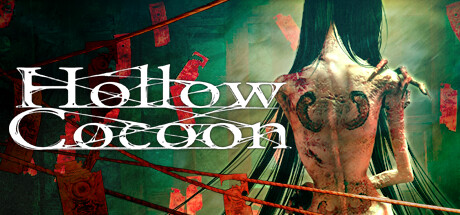
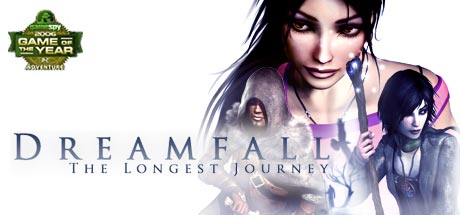
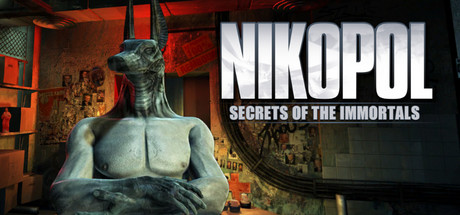

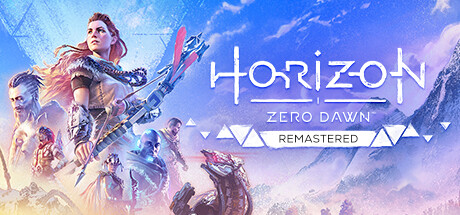


Match Dimensions Explained
❓Frequently Asked Questions
Why does Clevatess feel so much like The Witcher games?
Because both dive deep into morally gray Dark Fantasy worlds where your choices ripple through emotional narratives—like Geralt’s agonizing decisions in The Witcher 2’s Lobinden or the haunting consequences of saving or sacrificing characters in The Witcher 3’s Bloody Baron quest. All four Witcher titles (including the Enhanced Edition and Director’s Cut) share that same weighty tone, complex character writing, and emphasis on consequence-driven storytelling.
Is there a Clevatess anime or movie adaptation?
No—not yet, and none are officially announced. But if you’re craving that same brooding, lore-rich Dark Fantasy vibe with high-stakes personal stakes, The Witcher 3’s Netflix adaptation *did* capture some of that spirit (even if it missed Yennefer’s full arc). Fans often say playing The Witcher 2 feels like watching a tightly written political thriller—so close to what an ideal Clevatess adaptation might be.
How is Dark Messiah of Might & Magic different from The Witcher 3?
Dark Messiah leans hard into visceral, physics-driven Action Spectacle—think kicking enemies down stairs, impaling foes on chandeliers, or using environmental traps in real time—while The Witcher 3 prioritizes deliberate, tactical swordplay and layered emotional narrative (like Ciri’s trauma or Triss’s quiet sacrifices). Both hit 80/100 and share Dark Fantasy + Emotional Narrative dimensions, but Dark Messiah’s combat is more Arx Fatalis–esque chaos versus Geralt’s methodical monster-hunting rhythm.
What’s the best game like Clevatess if I want something gritty, unstable, and full of janky charm?
Sacred Gold is your answer—its world is drenched in Dark Fantasy dread, overrun by blood-thirsty orcs and lumbering ogres, and famously riddled with bugs and instability on modern systems (per player reviews). It’s got that raw, unpolished energy fans love in cult classics—like when you accidentally yeet a boss off a cliff due to clipping, then reload just to do it again. It’s not smooth, but it’s *alive* in a way only Sacred Gold can be.