
KOWLOON GENERIC ROMANCE
Welcome to Kowloon Walled City: a dystopian townscape where the people are brimming with nostalgia, and where the past, present, and future converge. Amid the hidden emotions and extraordinary daily lives of the men and women working in its confines, a tale of romance begins to unfold for real estate agent Reiko Kujirai—one that feels as familiar as Kowloon itself…
(Source: Yen Press)
📺Anime Details
📝Editorial Analysis
Rain slicks the neon-drenched alleyways of Kowloon Walled City—not as a downpour, but as a slow, warm seep, like memory leaking through concrete. Reiko Kujirai stands beneath a flickering sign advertising “Genuine Nostalgia — Guaranteed”, her hand resting on the peeling doorframe of a vacant unit she’s been hired to appraise. She doesn’t remember how she got here. She doesn’t remember why this building feels like a room she once slept in. The air hums—not with electricity, but with recognition: low, resonant, slightly off-key, like a cassette tape played one generation too many times. That’s the first breath of KOWLOON GENERIC ROMANCE—not mystery as puzzle, but mystery as gravity, pulling you toward truths you already know but can’t name.

What makes it ache isn’t the dystopia—it’s the urban intimacy folded inside decay. This isn’t oppression as spectacle; it’s bureaucracy humming behind every elevator shaft, surveillance disguised as public-service announcements, and love letters slipped into rent receipts. The nostalgia isn’t wistful—it’s denpa-charged, vibrating at a frequency just below comprehension, making déjà vu feel like duty. You don’t solve the conspiracy—you inhabit it, alongside adults who’ve long stopped asking why the lights stay on when the grid’s been offline for twelve years. It makes you wonder: what if forgetting isn’t loss—but adaptation? What if romance, in a city built on layered erasures, is the quietest act of resistance possible?
That emotional architecture echoes fiercely in BioShock™, where Rapture’s drowned Art Deco corridors aren’t just set dressing—they’re psychic infrastructure. Like Reiko walking past mirrored storefronts that reflect versions of herself she hasn’t met yet, Jack descends into a city whose ideology literally reshapes perception. The player review calls it “revolutionary”—and it is, because BioShock weaponizes familiarity: the plasmids feel like muscle memory, the Big Daddies like half-remembered lullabies. Both works trap you in systems that pretend to honor individual choice while feeding you curated echoes—of self, of history, of desire.
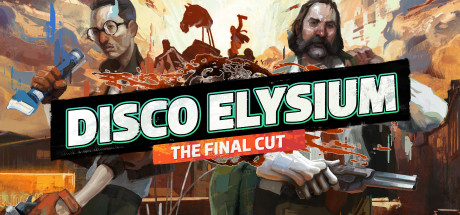
Then there’s Disco Elysium - The Final Cut, where every dialogue branch is a synaptic misfire, every skill check a tug-of-war between who you were and who the city insists you become. The description names it outright: Emotional Narrative. So does the player review—citing capital’s cruel irony, how critique gets absorbed, repackaged, sold back as content. Reiko’s amnesia isn’t clinical—it’s structural, like Harry Du Bois’ shattered psyche. In both, identity isn’t discovered—it’s negotiated, moment-to-moment, against walls plastered with propaganda that sounds suspiciously like your own internal monologue. The “mystery” isn’t who pulled the trigger—it’s why your hand was already holding the gun.
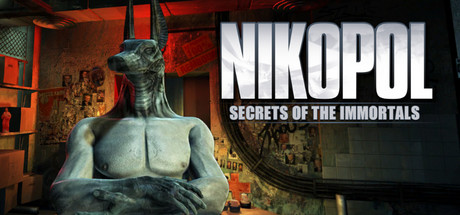
And Nikopol: Secrets of the Immortals, with its 2023 Paris ruled by religious absolutism and a pyramid ship hanging like judgment overhead—mirrors Kowloon’s convergent temporality. The anime’s past-present-future bleed isn’t sci-fi flourish; it’s lived texture, like Nikopol’s animations and cutscenes “enhanc[ing]” a world where time has curdled into myth and mandate. Both treat conspiracy not as plot device but as weather: ambient, inescapable, altering how light falls on a face, how silence settles in a hallway. You don’t defeat the system—you learn its grammar, then whisper in dialect.
This pairing isn’t for fans of “cool dystopias.” It’s for people who’ve ever traced the grain of a laminate countertop in a rental apartment and felt grief—not for the place, but for all the lives it’s held without keeping records. For those who pause mid-sentence because a phrase they’re about to say sounds too much like their mother’s. For players who reload saves not to win—but to hear a particular line of dialogue again, softer, slower, like turning a key in a lock that opens backward. They don’t want answers. They want the weight of the question, held gently, in a city that remembers everything—and loves you anyway.
🎮82 Games That Match the Vibe





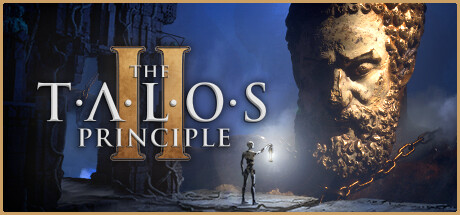

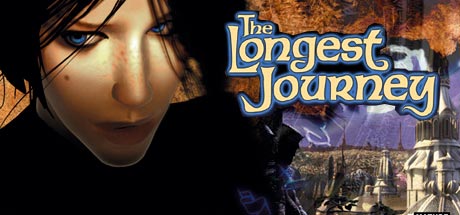
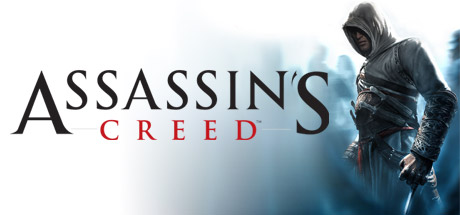




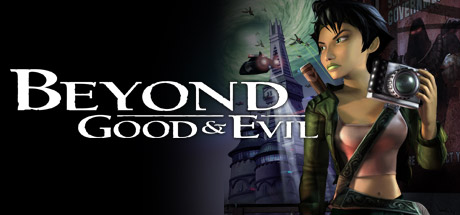


































Match Dimensions Explained
❓Frequently Asked Questions
Why is BioShock listed as similar to Kowloon Generic Romance when they’re both so different?
Great question—it’s not about gameplay (KGR’s visual novel pacing vs. BioShock’s immersive shooter), but about that heavy, suffocating atmosphere of ideological decay: think BioShock’s Rapture crumbling under objectivist dogma, just like KGR’s neon-drenched Kowloon Walled City where faith, commerce, and memory bleed into each other. Both hit hard with adult, dark seinen themes—like the moment you hear Andrew Ryan’s ‘A man chooses…’ speech, it lands with the same gut-punch weight as KGR’s quiet scenes of characters bargaining with ghosts in alleyway shrines.
Is there an anime or manga adaptation of Kowloon Generic Romance?
Nope—no official anime, manga, or film adaptation exists (as of mid-2024). But if you’re craving that same blend of cyberpunk dread and emotional intimacy, Disco Elysium nails it in interactive form: imagine Harry DuBois’ fractured psyche echoing KGR’s unreliable narration, especially during those late-night rain-soaked monologues in Martinaise’s ruined waterfront district—where every skill check feels like a whispered confession.
How does Nikopol: Secrets of the Immortals compare to Deus Ex in terms of political storytelling?
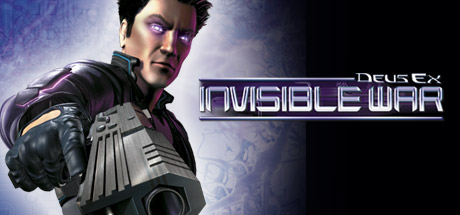
Nikopol leans into poetic, surreal allegory—the pyramid ship over Paris isn’t just sci-fi spectacle; it’s a direct parallel to KGR’s floating shrine motifs, critiquing religious authoritarianism through haunting cutscenes and hand-drawn dystopia. Deus Ex, meanwhile, goes full conspiracy thriller: think JC Denton’s first encounter with Majestic 12 in the UNATCO basement, where every dialogue branch exposes systemic rot—much like KGR’s branching paths that force you to choose between loyalty to a gang boss or a disillusioned priest, both trapped in the same collapsing system.
What’s the best game like Kowloon Generic Romance if I want that melancholy, rain-slicked midnight vibe?
Go straight to Nikopol: Secrets of the Immortals—the way its Parisian streets glisten under flickering holographic ads, paired with that lonely first-person exploration of abandoned metro tunnels and cathedral ruins, *is* KGR’s soul translated into point-and-click. Even the animations—like Nikopol watching rain trace slow paths down a grimy plexiglass window—mirror KGR’s most hushed, intimate moments, like the scene where the protagonist shares lukewarm tea with a ghost in a cramped noodle stall at 3 a.m.