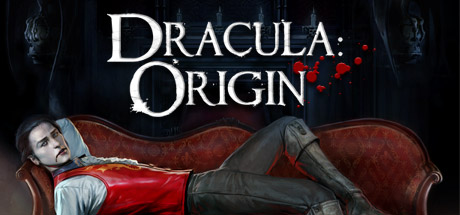
Dracula: Origin
Dracula: Origin reveals the dark origins of the Dracula curse. Step into the shoes of the famous Professor Van Helsing and experience a thrilling journey that will take you from London to Egypt, Austria and through Carpathian Europe right into the terrifying lair of the Dark Prince.
🎮Game Details
💬What Players Say
"If you are a Dracula fan, this game is worth a try. The atmosphere, the story and the characters remind me of the novel by Bram Stoker. Some riddles are a bit hard, but overall I recommend this game, especially when on sale."
"NO TWINKY DRACULA, ♥♥♥♥♥♥ PUZZLES, AND PURE ANNOYANCE."
📝Editorial Analysis
The lamplight flickers low over Van Helsing’s journal as he sketches a crumbling Carpathian archway—ink bleeding at the edges, his hand trembling not from age but from what he’s just seen in Egypt: a sarcophagus that should not open, yet did. That moment—not action, not combat, but quiet dread stitched into geography—is Dracula: Origin. You’re not chasing Dracula. You’re unspooling him: London’s gaslit fog gives way to Cairo’s dust-choked silence, then Austria’s snow-muffled churches, then the Carpathians’ jagged throat—and every step forward tightens the same coil of inevitability. As one player says, it “reminds me of the novel by Bram Stoker”—not in spectacle, but in weight: the slow accrual of evidence, the moral exhaustion of pursuit, the sense that history isn’t linear, but cyclical and hungry.
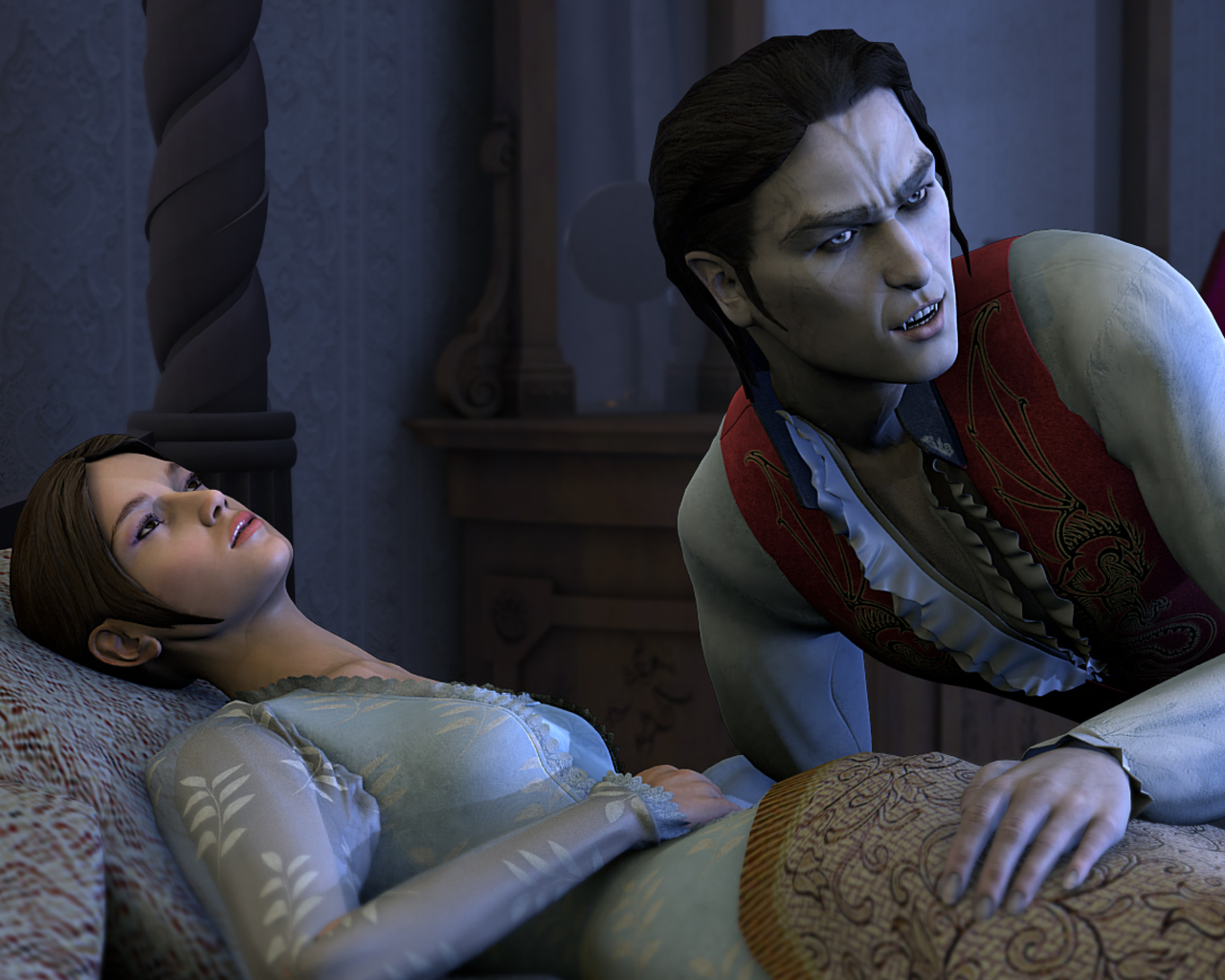
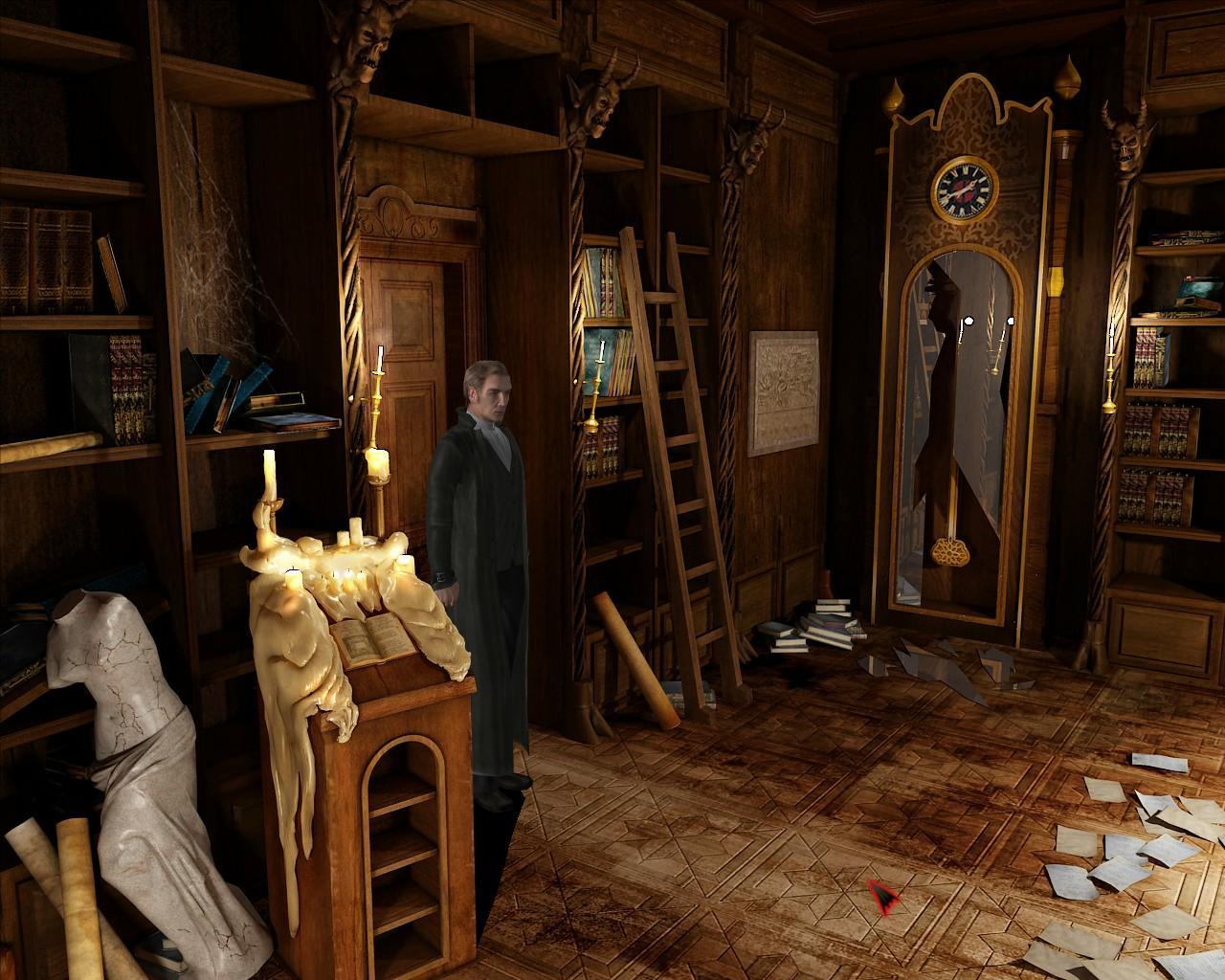
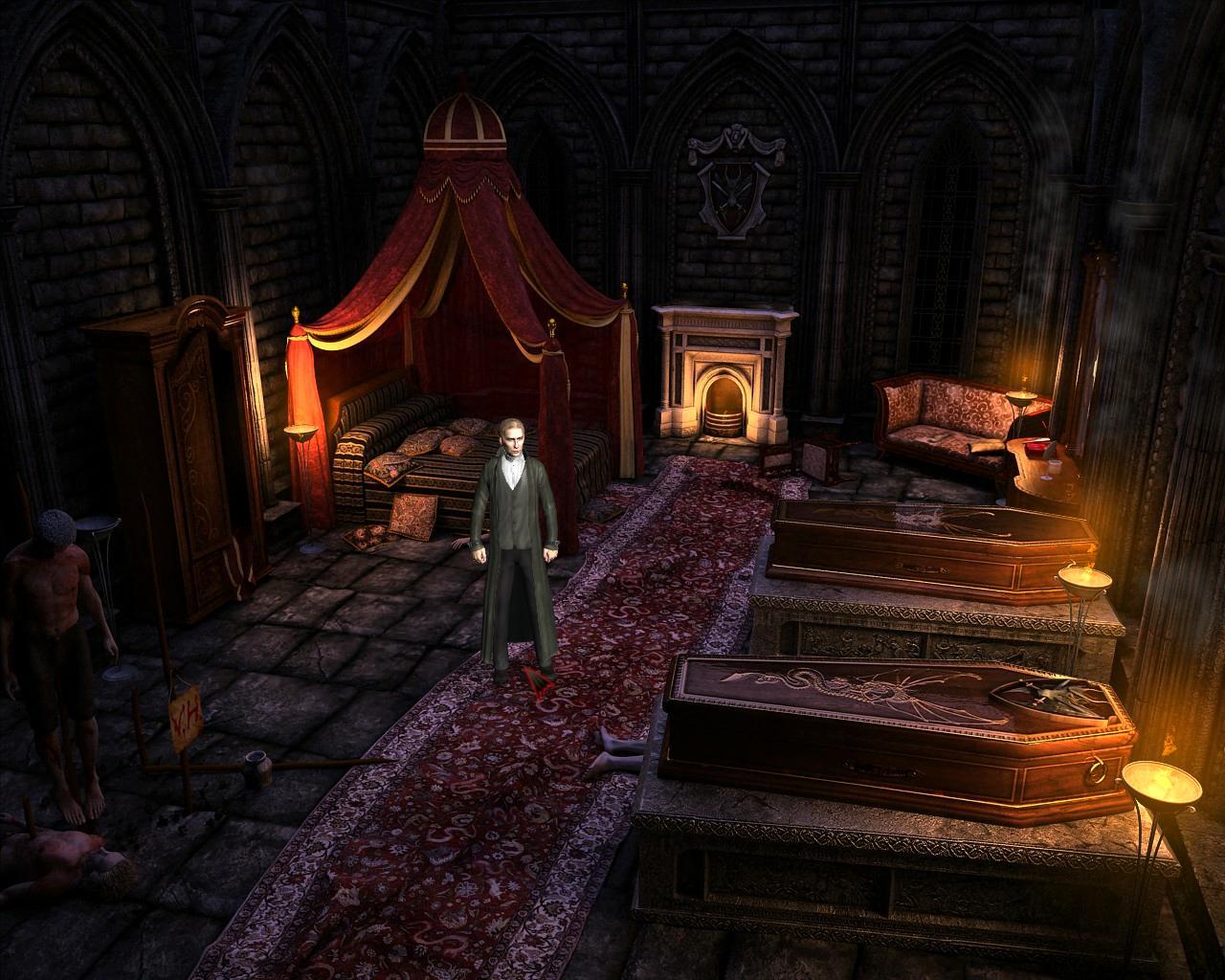
This isn’t gothic horror as decoration. It’s gothic horror as atmosphere-as-logic. The game makes you feel like a scholar who’s just realized his footnotes are bloodstains. There’s no jump-scare adrenaline—just the grind of solving puzzles that resist clean solutions (“NO TWINKY DRACULA, ♥♥♥♥♥♥ PUZZLES, AND PURE ANNOYANCE”), forcing you into Van Helsing’s headspace: meticulous, obsessive, increasingly unmoored. You don’t defeat the curse—you trace it, like ink through blotting paper, across continents and centuries. That’s the feeling: relentless excavation. Not of ruins, but of consequence. Every locked door, every misaligned hieroglyph, every delayed train schedule in Vienna isn’t obstruction—it’s delayed reckoning. You think about time not as progress, but as sediment: layers of guilt, faith, betrayal, and translation errors buried so deep they fossilize into myth.
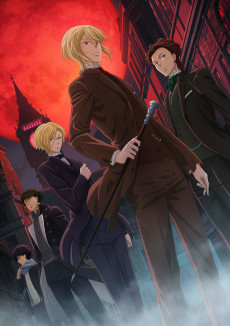
Owarimonogatari shares that same linguistic vertigo. Its mysteries aren’t solved—they’re rephrased, twisted through confession, irony, and self-deception until syntax itself feels cursed. Like Van Helsing deciphering a Coptic manuscript only to find his own name in the margin, Araragi circles truth until language buckles under its own weight. Both live in the adult space where detection isn’t about catching villains—it’s about surviving the realization that you’ve been complicit in the very system you’re investigating.
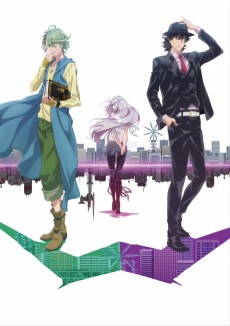
Death Parade, though stripped of period detail, pulses with the same moral claustrophobia. No grand battles—just a bar, two souls, and rules no one fully understands. Like Van Helsing navigating Cairo’s labyrinthine bazaars or the Carpathian tunnels where light dies mid-step, Death Parade traps you in rooms where every object hums with unspoken judgment. The “Mystery & Detective” dimension here isn’t about clues—it’s about interrogating motive, again and again, until the investigator becomes the accused. That adult tension—the kind where justice feels less like resolution and more like exposure—is identical.
Kubikiri Cycle: The Blue Savant and the Nonsense User mirrors the game’s archival obsession. Van Helsing’s journals, maps, and fragmented translations? Kubikiri Cycle’s protagonist deciphers murder notes written in obsolete dialects, cross-references 19th-century medical texts, and treats logic like a brittle relic—precisely because the past refuses to stay buried. Neither work offers catharsis; both offer pattern recognition so precise it curdles into horror. When Van Helsing realizes the Egyptian ritual wasn’t ancient—it was adapted, replicated, reimported—it lands with the same gut-punch as Kubikiri Cycle’s reveal that the killer didn’t invent the method… they cited it.
This is for the person who keeps a notebook beside their bed—not for dreams, but for resonances. The one who re-reads letters from dead relatives searching for subtext, who pauses mid-walk when a streetlamp buzzes just like the one in episode 7 of Death Billiards, who feels a chill not at monsters, but at translation gaps. They don’t want lore dumps or power fantasies. They want texture: the grain of aged paper, the echo in an empty cathedral, the silence after a riddle clicks—not with triumph, but with recognition. That’s where Dracula: Origin lives. And that’s why those anime don’t just match it—they breathe the same air: thick, old, and humming with things that should’ve stayed untranslated.
→66 Anime That Match the Vibe

Layered mysteries that reward attention — every detail matters, and the truth is never simple.
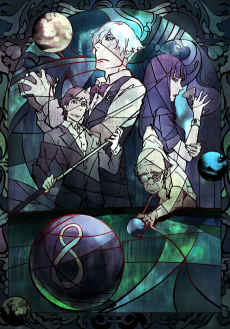
Quindecim’s stark, liminal bar—where two nameless men confront mortality over billiards—echoes Van Helsing’s descent into Egypt’s buried tombs, where archaeology blurs with damnation. Unlike most detective narratives, both anchor their 🖤 Adult & Dark Seinen tension in ritualistic confrontation: not with monsters, but with memory’s erasure and judgment’s inevitability. That shared dread—of being *known* before you remember yourself—makes their resonance unsettlingly precise.

Layered mysteries that reward attention — every detail matters, and the truth is never simple.

Layered mysteries that reward attention — every detail matters, and the truth is never simple.
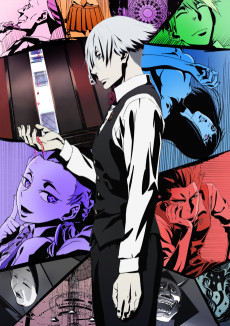
Van Helsing’s candlelit investigation through Cairo’s shadowed catacombs mirrors the hushed tension of *Death Parade*’s Decim presiding over a neon-lit bar where truth surfaces under pressure. Both hinge on psychological reckoning—Dracula: Origin in Van Helsing’s moral unraveling as he confronts his own vampiric lineage, *Death Parade* in its fatal parlor games exposing buried guilt. Their resonance lies precisely in that shared **Mystery & Detective** dimension: not just solving puzzles, but dissecting the self when no witness remains but conscience.
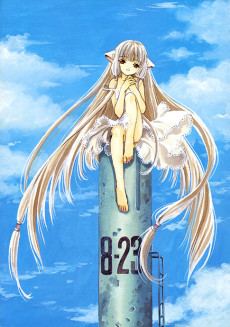
Van Helsing’s candlelit descent into Cairo’s catacombs—where ancient texts whisper forbidden truths—mirrors Hideki tracing Chi’s fragmented memories through corrupted Persocom code. Both pivot on 🖤 Adult & Dark Seinen tension: the weight of inherited trauma (Dracula’s vampiric lineage, Chi’s erased identity) surfaces not in action, but in quiet, morally ambiguous choices. Surprisingly, their shared 🔍 Mystery & Detective structure treats knowledge itself as dangerous, intimate, and irrevocably transformative.
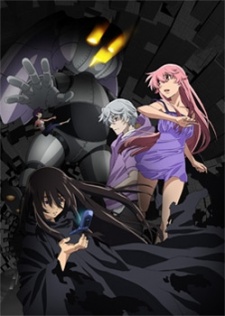
Van Helsing’s candlelit descent into an Egyptian tomb—where hieroglyphs pulse with cursed intent—mirrors Yuno’s quiet, chilling recalibration of reality in *Redial*’s OVA, where time resets not as escape but as forensic repetition. 🔍 Mystery & Detective thrives in both: one through Victorian deduction amid decaying antiquity, the other through Yuno’s hyper-rational reassembly of shattered causality. Unlike most supernatural thrillers, neither offers catharsis—only sharper, colder clarity about how obsession reshapes truth.
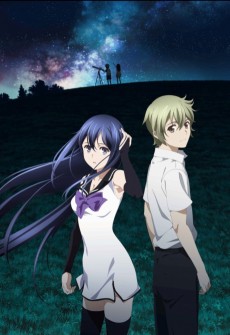
Layered mysteries that reward attention — every detail matters, and the truth is never simple.

Van Helsing’s candlelit descent into Cairo’s catacombs—where ancient texts whisper forbidden genealogies—mirrors Iria’s quiet unraveling on Wet Crow’s Feather Island, where genius masks trauma and every deduction tightens the noose of inevitability. Unlike most detective narratives that privilege logic over legacy, both *Dracula: Origin* and the *Kubikiri Cycle* OVA fuse **Mystery & Detective** with inherited doom: bloodlines as unsolved equations, intellect as both weapon and wound. That resonance feels startling—two isolated, atmospheric works treating knowledge not as liberation, but as the first symptom of the curse.
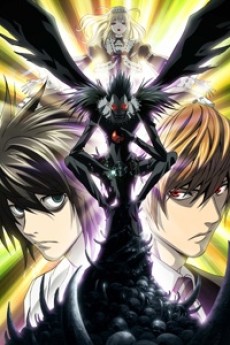
Van Helsing’s torchlight flickering across Egyptian tomb walls mirrors Ryuk’s detached, crimson gaze as he watches Light and L’s psychological duel—both works weaponize the *Mystery & Detective* dimension not for answers, but to deepen moral ambiguity. Unlike most supernatural thrillers, *Dracula: Origin* and *Death Note: Relight* refuse catharsis: Van Helsing uncovers his own complicity in Dracula’s rise just as *Relight*’s Ryuk-centric framing exposes Light’s god complex as tragically hollow. That shared *Adult & Dark Seinen* restraint—where power corrupts precisely because it feels earned—is what makes their resonance so unsettlingly precise.
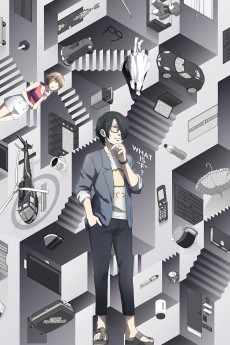



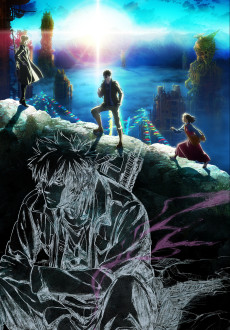









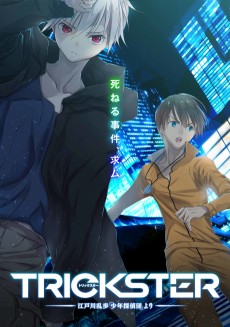

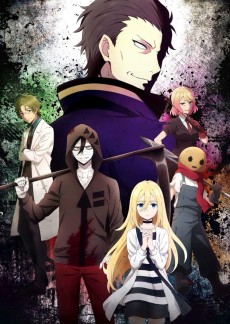


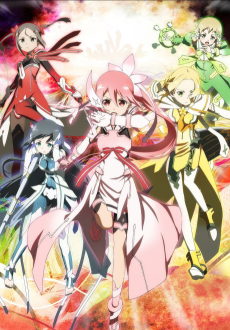





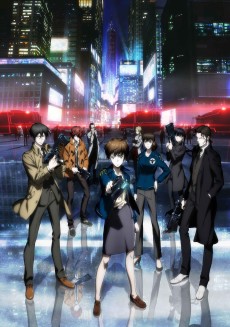


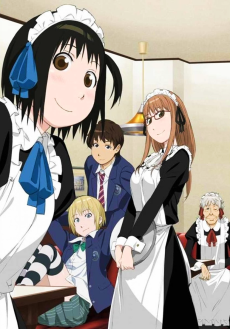

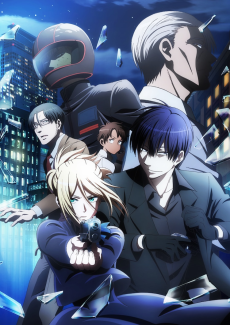
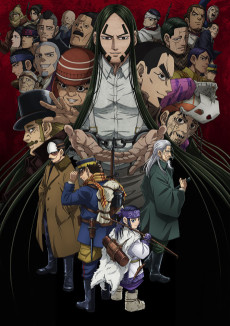



Match Dimensions Explained
❓Frequently Asked Questions
Why does Owarimonogatari get recommended for fans of Dracula: Origin?
Because both lean hard into gothic, cerebral mystery with morally ambiguous characters—like Owarimonogatari’s Kiss-Shot Acerola-Orion Heart-Under-Blade echoing Dracula: Origin’s tragic, ancient vampire lore and Van Helsing’s obsessive, scholarly pursuit. You’ll feel that same weighty atmosphere in scenes like the rain-soaked Kyoto confrontations or the layered flashbacks dissecting guilt and immortality.
Is there an anime adaptation of Dracula: Origin?
No—Dracula: Origin is a standalone point-and-click adventure game with no official anime adaptation. But if you’re craving that same vibe, Death Parade nails it: think Decim’s eerie, judgment-filled bar where souls confront their sins—very much like Van Helsing navigating crypts and cursed artifacts while wrestling with fate, legacy, and moral decay.
How does Death Billiards compare to Dracula: Origin in tone and pacing?
Both are tightly wound, atmospheric slow burns—Death Billiards drops you straight into a surreal, high-stakes billiards match between strangers facing cosmic judgment, mirroring Dracula: Origin’s tense puzzle-solving in claustrophobic tombs (like the Egyptian catacombs) where every clue feels like a step toward irreversible consequence. Neither wastes time; they trust you to sit with dread.
What’s the best anime like Dracula: Origin if I want something dark, intellectual, and heavy on psychological tension?
Kubikiri Cycle: The Blue Savant and the Nonsense User—it’s basically Dracula: Origin’s anime twin in mood: a cold, precise detective story steeped in gothic academia, where the ‘Blue Savant’ Kyouko Kudou dissects murders with clinical detachment, just like Van Helsing analyzing bloodstains or ancient glyphs. That scene where she reconstructs a crime using fragmented historical texts? Pure Dracula: Origin energy.