
The Apothecary Diaries Season 3
📺Anime Details
📝Editorial Analysis
The scent of crushed mugwort and old ink hangs in the air—not sweet, not sharp, but heavy, like breath held too long in a palace corridor where every step echoes with consequence. In The Apothecary Diaries Season 3, it’s not the grand banquet halls or imperial decrees that settle deepest—it’s the quiet rustle of silk as Maomao bends over a ledger in candlelight, her fingers stained faintly yellow from tinctures, her eyes scanning lines of grain shipments, tax records, and poison reports—all at once. She doesn’t shout. She adjusts dosage. She recalibrates power—not with swords or spells, but with ratios, receipts, and refusal to mislabel truth as rumor.
That’s the feeling: precision under pressure. Not urgency, not panic—but the slow, grinding weight of knowing exactly how much a single misrecorded apothecary entry can tilt a famine investigation, how a misplaced herb order can expose a noble’s smuggling ring, how diagnosing a servant’s tremor might unravel a minister’s bribery scheme. This isn’t mystery as puzzle-box spectacle; it’s mystery as infrastructure. Every diagnosis is political. Every prescription is subversive. The world doesn’t bend to Maomao’s will—it resists, quietly, bureaucratically, lethally—and she meets it with calibrated calm. You don’t feel heroic here. You feel accountable. And strangely, seen: seen in your exhaustion, your competence, your quiet refusal to let systems erase people.
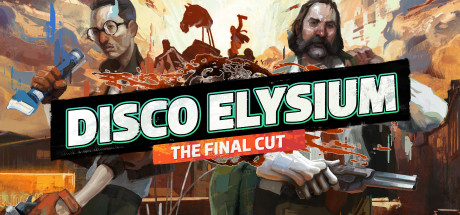
Which is why Disco Elysium - The Final Cut resonates so deeply—not because both feature detectives, but because both treat capital as a living, breathing antagonist. The player review nails it: “Capital has the ability to subsume all critiques into itself. Even those who would critique capital end up reinforcing it instead.” That’s Maomao, too—she works within the palace bureaucracy, using its own ledgers and hierarchies to expose rot, only to watch reforms get co-opted, investigations stalled by “protocol,” and justice deferred by “precedent.” Her victories are narrow, reversible, tactical. Like Disco Elysium’s detective, she doesn’t overthrow the system—she navigates its fractures, speaking truth in terms the system can’t dismiss without exposing its own hypocrisy. Both make you feel the exhaustion of integrity—how hard it is to stay precise when the ground keeps shifting beneath your feet.
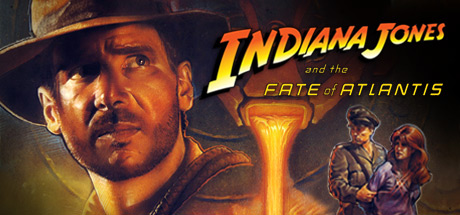
Then there’s Indiana Jones® and the Fate of Atlantis™, where the description places us in 1939—“Nazi agents are about to get their hands on a weapon more dangerous than the atom bomb. Only Indy can stop them.” But what sticks isn’t the stakes—it’s the archaeological wonder trapped in amber. That phrase lands like a stone in the gut when watching Maomao examine a corroded bronze vessel from the Western Han, cross-referencing its alloy composition against trade-route tariffs and drought records. Her work is archaeology too—not of ruins, but of systems: digging through layers of obfuscation, forgery, and sanctioned silence. Like Indy, she races time, but her “weapon” isn’t mythic—it’s a corrected mortality chart, a reclassified toxin, a correctly attributed herbal formula. Both understand that the most dangerous artifacts aren’t hidden in temples—they’re filed in archives, mislabeled, waiting for someone precise enough to read them right.
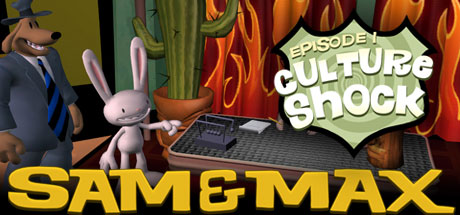
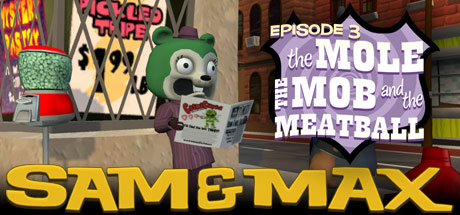
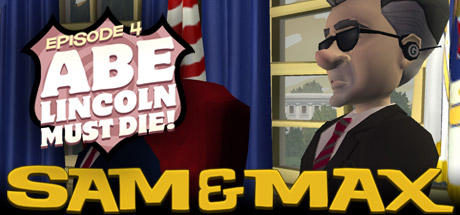
And yes—even the Sam & Max episodes, absurd as they seem, share this DNA. Look at the descriptions: “The commissioner is looking into an underground operation at the Ted E. Bear Mafia-Free Playland and Casino…” or “Abe Lincoln must die… Federally mandated group hugs, a pudding embargo…” These aren’t just gags—they’re bureaucratic surrealism. The same logic governs Maomao’s world: a eunuch’s promotion hinges on tea ceremony etiquette; a poisoning case stalls because the suspect’s rank means his testimony requires three witnesses of equal standing; class struggle wears silk robes and quotes Confucius. Sam & Max weaponize absurdity to expose how power hides in procedural nonsense—just as Maomao does, calmly citing “Article 47 of the Imperial Sanitation Edict” to override a magistrate’s dismissal of a sanitation-related death. The humor isn’t escape—it’s recognition. You laugh because it’s true: power often speaks in euphemism, loophole, and paperwork.
This pairing isn’t for fans of “strong female leads” or “historical fantasy.” It’s for the person who reads a medical journal and a policy brief—and feels the same chill when both describe the same injustice. For the player who pauses mid-dialogue tree not to pick “good” or “evil,” but to weigh which lie will hold longest. For the viewer who watches Maomao stir a decoction and thinks: this is how resistance smells—bitter, necessary, and utterly unromantic. They don’t want catharsis. They want continuity. They want the next ledger page. The next autopsy report. The next line of dialogue where no one shouts—but everything changes.
🎮41 Games That Match the Vibe




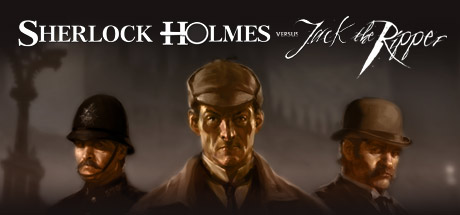

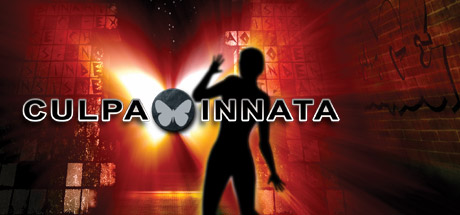
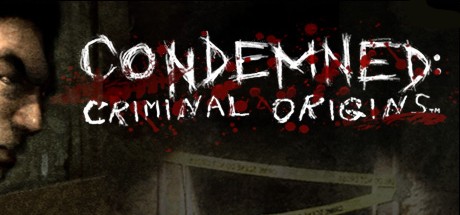

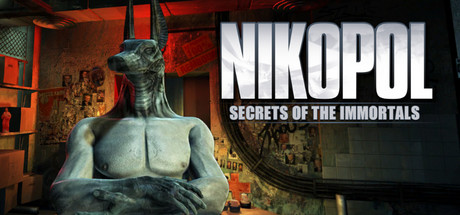
















Match Dimensions Explained
❓Frequently Asked Questions
Why does Disco Elysium keep coming up in Apothecary Diaries Season 3 fan discussions?
Because both lean hard into cerebral, dialogue-driven mystery with morally gray political intrigue—like when Galgali interrogates court officials in Episode 3, it mirrors how Disco Elysium’s detective uncovers systemic rot in Martinaise through skill checks and layered NPC monologues. Fans love how both use internal monologue as narrative engine: Galgali’s quiet deductions vs. Harry DuBois’ fractured, self-debating thoughts.
Is there a visual novel or game adaptation of The Apothecary Diaries anime Season 3?
No official game adaptation exists yet—but fans drawn to Season 3’s palace espionage and coded diplomacy often pivot to Disco Elysium for its dense political thriller vibe, or Indiana Jones and the Fate of Atlantis for its 1939-era tension, Nazi conspiracies, and artifact-based stakes that echo the imperial archive scenes in Episode 5.
How does Sam & Max 104: Abe Lincoln Must Die! compare to Indiana Jones and the Fate of Atlantis for Apothecary Diaries fans?
Both deliver sharp, satirical mystery—but while Indiana Jones leans into high-stakes historical peril (like stopping Nazis from weaponizing Atlantis), Sam & Max 104 matches Apothecary Diaries’ tonal whiplash: absurd bureaucracy (a pudding embargo!) layered over real political satire, much like how Galgali navigates courtly farce masking life-or-death power plays. Their shared 'Adult & Dark Seinen' dimension makes them spiritual cousins.
What’s the best game like The Apothecary Diaries Season 3 if I want slow-burn palace intrigue with dry wit and zero combat?
Disco Elysium — especially its non-violent, dialogue-first playthroughs where you solve the murder via Logic, Empathy, or even Encyclopedia checks — nails that vibe: no swordfights, just Galgali-level subtlety in reading rooms full of secrets. Its 'Capital' monologue feels like a direct cousin to the eunuch council’s whispered negotiations in Episode 2, all wrapped in world-weary, literary prose.