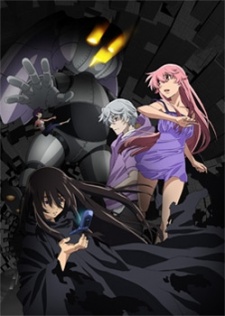
The Future Diary: Redial
Yuno Gasai lives a normal life as a first-year in high school. She gets along well with her parents and even has a small circle of friends. However, she cannot help but feel as if someone is missing from her life, someone so important to her that it was as if she had lived another life trying desperately to stay with them.
After a class trip to the beach, Yuno returns home; but in the middle of the night, she receives strange messages from a voice only she can hear. The voice informs her of the person she is desperate to meet and that she must find him. Soon, she finds herself in a mysterious realm, her only goal being reunited with the person she cannot remember. Though obstacles stand in her way, Yuno will stop at nothing to meet her beloved once again.
(Source: MAL Rewrite)
📺Anime Details
📝Editorial Analysis
The salt hangs thick in the air—damp, metallic, clinging to Yuno’s skin as she stands barefoot on the beach at dusk, the tide pulling back like a held breath. Her classmates laugh somewhere behind her, but she doesn’t turn. She just watches the water recede, and for one suspended second, her chest aches—not with sadness, not with fear, but with the raw, hollow weight of recognition without memory. That ache is the first note of The Future Diary: Redial, not a plot point, not a twist—it’s the atmosphere itself, humming beneath every frame.
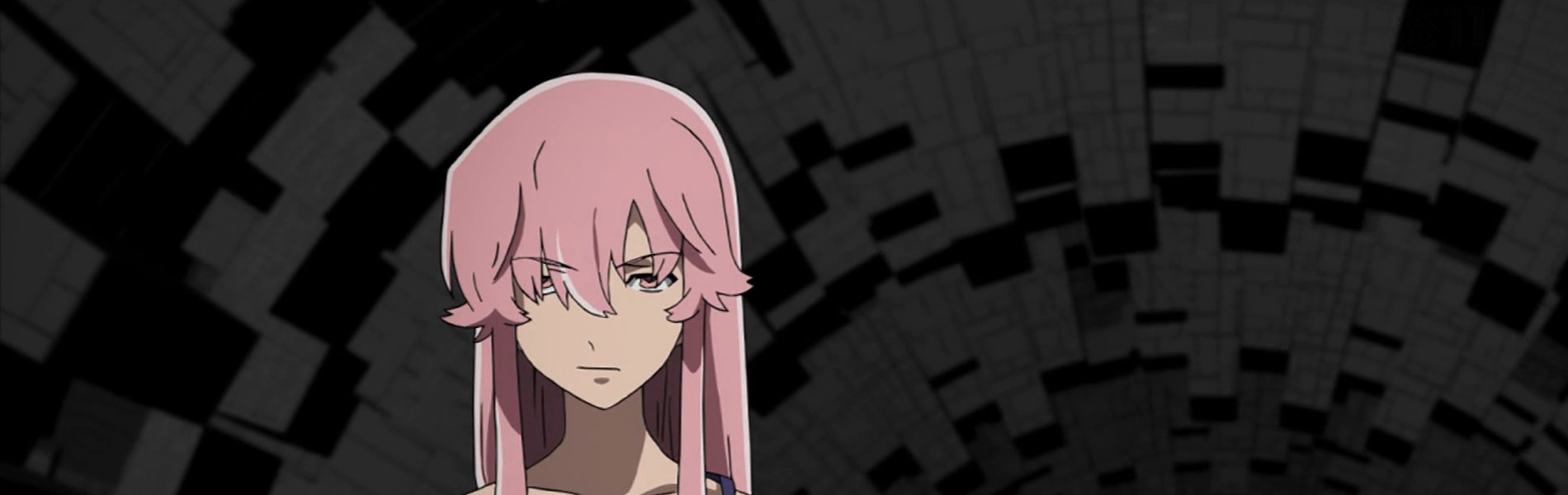
What makes Redial’s atmosphere unique isn’t its coastal setting or even its gods-and-diaries scaffolding—it’s how it weaponizes absence. Not absence as emptiness, but as a physical pressure: the ghost-limb sensation of a love so total it rewrote causality, now buried under layers of erased time and sanitized normalcy. You don’t watch Yuno remember—you feel the dissonance in your own ribs when she smiles politely at her parents, when she traces the edge of her notebook like it might hold a clue, when silence stretches just a beat too long after someone says “you seem distant.” It’s psychological vertigo dressed in school uniforms and seagull cries—the kind of quiet dread that settles not in the mind, but in the throat.
That same vertigo lives in BioShock Infinite’s fractured lighthouses and floating cities—not because of its skyhooks or vigors, but because of how Booker knows, deep in his marrow, that something fundamental has been unmade in him. The player review nails it: “I know that some people are still bitter about the Bioshock Infinite we could have gotten…” That longing for an alternate version of reality—where choices weren’t erased, where loss wasn’t inevitable—is the exact emotional frequency Yuno vibrates at when she wakes from a dream she can’t name, clutching nothing but damp sheets and the echo of a voice only she hears. Both works make memory feel like a crime scene you’re forbidden from investigating.
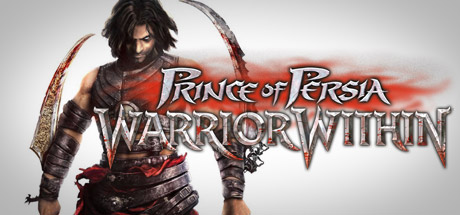
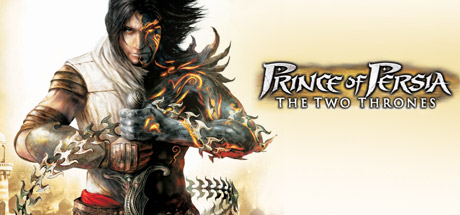
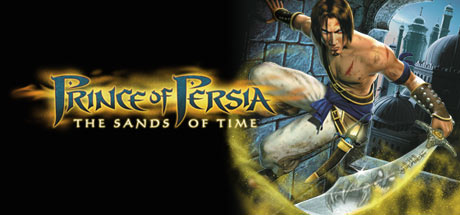
Then there’s the Prince of Persia trilogy—The Sands of Time, Warrior Within, and The Two Thrones—each scoring 82 and sharing the Time & Memory dimension. Look at the descriptions: “a young Prince drawn to the dark powers of a magic dagger,” “hunted by Dahaka, an immortal incarnation of Fate,” “returns… to Babylon with his love, Kaileena… finds his homeland ravaged by war.” These aren’t just time-travel mechanics—they’re bodies haunted by their own timelines. The player review for Warrior Within says it plainly: “Dahaka chase is still as goated as it was before”—that relentless, personal pursuit mirrors Yuno’s midnight messages: not random glitches, but consequences stalking her from a timeline she shouldn’t remember. And The Two Thrones’ Prince, wrestling with a darker self born of time’s corruption? That’s Yuno staring at her reflection, wondering why her hands remember how to hold a knife—but her heart remembers how to hold him.
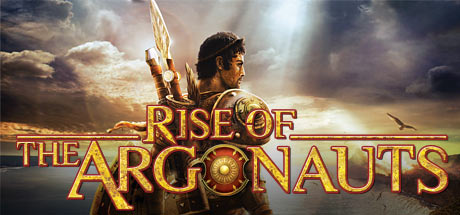
Rise of the Argonauts, too, pulses with this same desperate rhythm: “Jason had everything… When she was killed on their wedding day, he vowed to do anything to restore her life.” Not revenge. Not justice. Restoration. That single word carries the unbearable weight of Redial’s core tension—the belief that love isn’t just powerful enough to survive death, but to reverse it, to fold time like origami until the wound closes. The player review calls it “ancient history done right”—but what it really does is treat myth not as spectacle, but as emotional archaeology: digging past gods and monsters to find the raw, trembling human need beneath.
This pairing isn’t for fans of time travel as puzzle or power fantasy. It’s for the ones who’ve ever stared at a photo of someone they loved and felt a phantom limb of grief—or joy—so vivid it made their vision blur. It’s for players who replay Warrior Within not for the combos, but to feel that chase again—the sweat, the panic, the certainty that something vital is slipping through their fingers. It’s for viewers who pause Redial not at the big reveals, but at the tiny things: Yuno pausing mid-sentence, her breath catching, her eyes searching the empty hallway—not for answers, but for the shape of a presence she can’t name. That’s the shared nerve: the unbearable tenderness of loving across fractures in time, where every heartbeat feels like both a prayer and a plea. Recognition. Absence. Restoration. Longing. Not themes—symptoms.
🎮45 Games That Match the Vibe





Match Dimensions Explained
❓Frequently Asked Questions
Why does Prince of Persia: Warrior Within feel so much like The Future Diary: Redial’s time-loop tension?
Because both trap their protagonists in relentless, consequence-heavy cycles—Warrior Within’s Dahaka chase forces you to constantly backtrack, relearn enemy patterns, and confront past failures just like Yuno’s manipulations force Yukiteru to relive and reinterpret events. The claustrophobic palace corridors, the ticking dread of the Dahaka’s approach, and the Prince’s fractured psyche mirror Redial’s psychological pressure and time-bent stakes—exactly why fans of Redial’s ‘no escape’ vibe gravitate toward it (82 score, Time & Memory / Adult & Dark Seinen).
Is there a visual novel or anime adaptation of BioShock Infinite that captures The Future Diary: Redial’s mind-bending romance?
No official visual novel or anime adaptation exists for BioShock Infinite—but its core dynamic *does* echo Redial’s twisted intimacy: Booker and Elizabeth’s bond evolves through layered timelines, betrayal, and emotional dependency, much like Yukiteru and Yuno’s codependent, reality-warping love. Fans who loved Redial’s psychological intensity and tragic romantic escalation often cite BioShock Infinite’s tear-jerking, multiverse-spanning finale as the closest narrative cousin in games (83 score, Time & Memory / Adult & Dark Seinen).
How is Prince of Persia: The Two Thrones different from Warrior Within for someone who loves Redial’s duality themes?
Two Thrones leans harder into split identity—the Prince literally battles his darker self, the Vizier, while juggling Kaileena’s influence and his own crumbling morality—mirroring Redial’s obsession with dual consciousness and fractured truth. Warrior Within is all about survival and guilt; Two Thrones adds moral ambiguity and romantic tension (Kaileena’s sacrifice, the throne’s corruption) that feels closer to Yukiteru’s internal war between innocence and complicity (both 82 score, Time & Memory / Adult & Dark Seinen).
What’s the best game like The Future Diary: Redial if I want that oppressive, myth-tinged despair but not time travel?
Rise of the Argonauts—it swaps time loops for Greek tragedy: Jason’s grief-fueled quest to resurrect his murdered fiancé Medea drags him through blood-soaked temples, divine betrayals, and morally gray choices, all wrapped in heavy mythological weight. No time manipulation here, just raw, adult-toned despair and doomed devotion—exactly why players who loved Redial’s dark seinen atmosphere and emotional devastation call it ‘ancient history done right’ (82 score, Mythology & Folklore / Adult & Dark Seinen).