
Paranoia Agent
An elementary school kid dubbed with the title "shounen bat" or "lil slugger" has been going around attacking people with his bent, golden bat. Now, two detectives are investigating so they can stop this kid from making any more attacks, but they will find out soon enough... that this case is much more than they expected.
(Source: Anime News Network)
📺Anime Details
📝Editorial Analysis
The fluorescent hum of a Tokyo convenience store at 3 a.m. — plastic-wrapped bento boxes glowing under sterile light, a salaryman slumped on a stool, eyes vacant, fingers trembling around a lukewarm coffee can. Outside the glass, rain slicks the asphalt into a fractured mirror. Then — a flicker: a boy in red sneakers, golden bat bent like a question mark, stepping out of the reflection and into the wet street. Not running. Not shouting. Just there, before vanishing like breath on cold glass. That’s not the start of an attack. It’s the start of a rupture — quiet, surgical, irreversible.
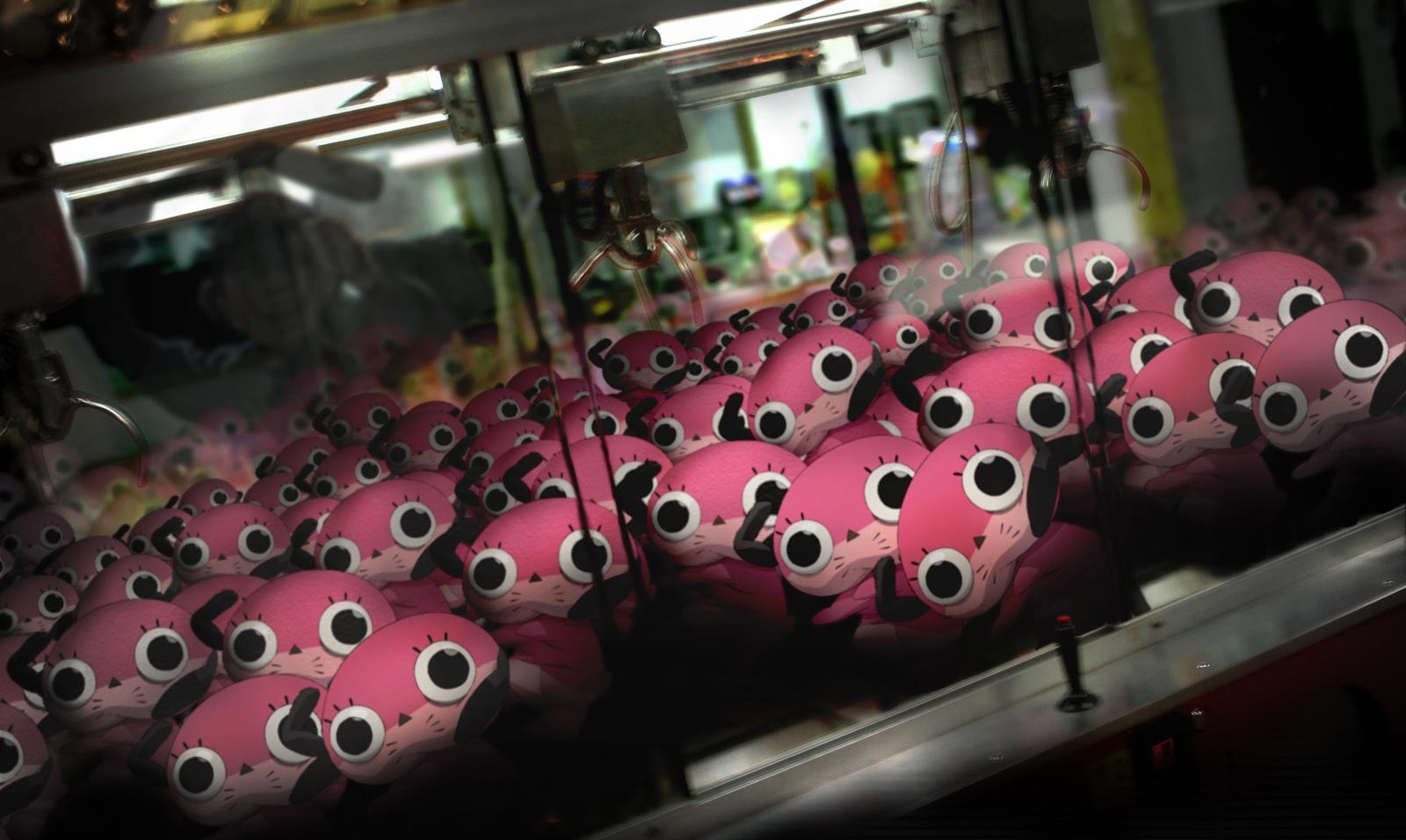
What makes Paranoia Agent ache isn’t its mystery or its supernatural gloss — it’s the weight of unspoken collapse. It’s the way office walls seem to breathe inward, how memory doesn’t fade but curdles, how every character’s trauma wears the same dull sheen as their corporate ID badge. This isn’t paranoia as delusion — it’s paranoia as diagnosis. A city-wide nervous system fraying at the terminals: the salaryman who snaps after years of silent overtime, the animator whose breakdown births a cartoon monster, the detective whose certainty dissolves into static. You don’t feel scared watching it — you feel recognized. Like your own exhaustion has just been named aloud in a language you didn’t know you spoke. It’s melancholic, yes — but not passive. It’s charged, humming with the low voltage of collective denial.
That resonance lands hardest in Disco Elysium - The Final Cut, where the city of Revachol doesn’t just host crime — it is the crime scene of late capitalism made flesh. Like Paranoia Agent, it weaponizes banality: a broken streetlamp, a stained bench, the bureaucratic weight of a missing-person file. The game’s description calls it “Neon Noir” and “Melancholic Exploration” — and that’s precise. Its player review nails the core: “Capital has the ability to subsume all critiques into itself. Even those who would critique capital end up reinforcing it instead.” That’s Shounen Bat in digital form — not a villain, but a symptom so deep it loops back into the system it attacks. Both works trap you inside the architecture of collapse, where solving the case means staring into the mirror until your own face starts to bend.
Then there’s Crash Time 2, which at first seems like a tonal mismatch — arcade racing, janky physics, Autobahn chases. But look again: its description names it “Mystery & Detective” and “Neon Noir”, and its player review is raw, visceral: “awful controls, almost no structure, janky physics and factually BAD controls”. That’s not just criticism — it’s embodied disorientation. Paranoia Agent’s world operates on the same logic: systems pretending to function while actively betraying their users. The police procedural framework in both is a flimsy scaffold — what matters is the friction, the way control slips, the way reality glitches under pressure. You’re not meant to master the controls; you’re meant to feel the instability in your palms.
And Indiana Jones® and the Fate of Atlantis™, described as “Adult & Dark Seinen” and “Mystery & Detective”, carries that same buried dread beneath pulp surfaces. Its review calls it “an archaeological wonder trapped in amber” — a perfect echo of Paranoia Agent’s obsession with buried truths resurfacing as myth, as contagion, as violence. The Nazi quest for Atlantis isn’t just plot — it’s the show’s thesis in allegory: civilization’s most dangerous artifacts aren’t lost cities or ancient weapons, but the stories we bury to keep functioning. Like the anime, it treats history not as record, but as memory manipulation — active, deliberate, corrosive.
These pairings aren’t for fans of “mind-bending plots” or “cool detectives”. They’re for the person who pauses mid-scroll when a news headline triggers a physical drop in their chest — the one who recognizes the hum beneath urban life, the one who’s ever whispered a lie to themselves just to get through Tuesday. They’re for viewers who watch Paranoia Agent and don’t ask who is Shounen Bat?, but what part of me did he just hit? — and players who boot up Disco Elysium not for answers, but for the relief of hearing their own quiet despair spoken back to them, clear and unflinching.
🎮71 Games That Match the Vibe







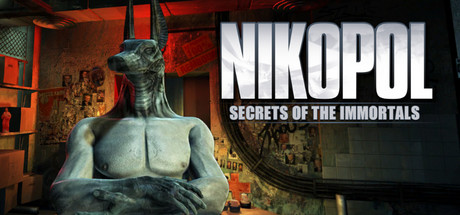
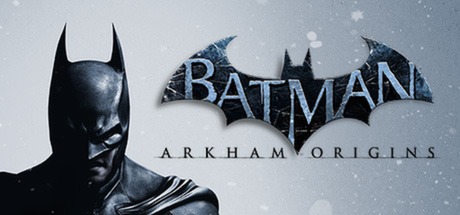
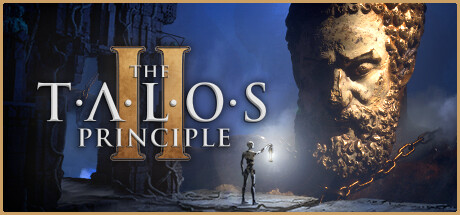
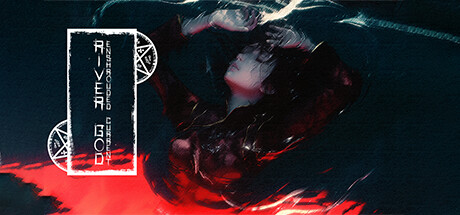








Match Dimensions Explained
❓Frequently Asked Questions
Why is Disco Elysium listed as similar to Paranoia Agent when it’s not about a mysterious attacker?
Great question — it’s not about the *plot* overlap, but the shared psychological unease and slow-burn unraveling of reality. Like Paranoia Agent’s Shonen Bat or the collective delusion in 'The Boy Who Wasn’t There', Disco Elysium’s detective Harry DuBois battles fragmented identity, unreliable memories, and a city (Revachol) that feels like a character actively distorting truth — especially in scenes where his Skill Checks literally argue with him ('Logic' vs 'Empathy' during the wharf interrogation). The Neon Noir + Melancholic Exploration dimensions nail that same suffocating, surreal dread.
Is there a Paranoia Agent video game adaptation?
No — there’s never been an official Paranoia Agent game, anime tie-in or otherwise. But if you’re craving that exact vibe — paranoid urban mystery, shifting realities, dark satire wrapped in mundane settings — Indiana Jones® and the Fate of Atlantis™ delivers surprisingly close resonance: Nazi agents hunting mythic power, Indy’s increasingly surreal encounters (like the Plato’s Retreat hallucination sequence), and that Adult & Dark Seinen dimension where jokes land like gut punches amid existential stakes.
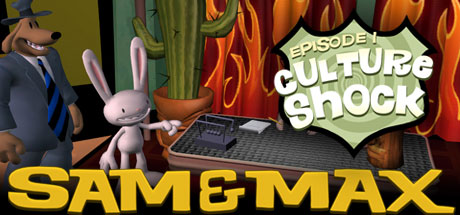
How does Runaway, A Road Adventure compare to Sam & Max 102: Situation: Comedy for Paranoia Agent fans?
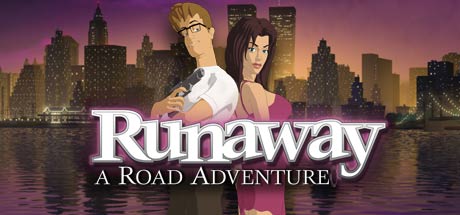
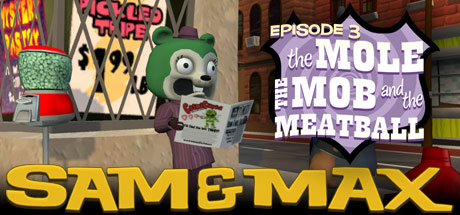
Runaway leans harder into grounded, almost Lynchian small-town dread — Brian’s flight from mobsters mirrors Paranoia Agent’s ordinary-people-against-the-absurd, especially in its rain-slicked, liminal motel scenes and the eerie ambiguity around Gina’s past. Sam & Max 102, meanwhile, goes full cartoonish surrealism (like the WARP TV studio’s collapsing sets and Myra Stump’s reality-warping rant), matching Paranoia Agent’s tonal whiplash between slapstick and horror — both hit Comedy & Parody + Mystery & Detective, but Runaway’s Adult & Dark Seinen edge gives it more psychological weight.
What’s the best game like Paranoia Agent if I want that ‘uneasy late-night city walk’ feeling?
Disco Elysium — hands down. That melancholic exploration of Revachol’s decaying streets at 3 a.m., the flickering neon signs reflecting in puddles while your own thoughts spiral (‘Volition’ failing mid-conversation, ‘Pain Threshold’ muttering about phantom wounds), and NPCs who feel like fragments of a broken psyche — it’s pure Paranoia Agent energy. Even the way the city *listens* to you, like Lighthouse District’s whispers echoing Shonen Bat’s surveillance, nails that isolating, hyper-real urban anxiety.