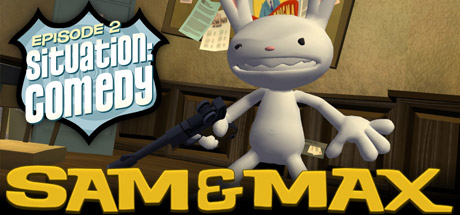
Sam & Max 102: Situation: Comedy
Sam & Max: Episode 2 - Situation: Comedy - Talk show host Myra Stump has gone berzerk! Sam & Max head down to the WARP TV studio to find out why she's holding her audience hostage. But getting onto Myra's stage isn't going to be easy. First the Freelance Police will have to prove they're worthy of fifteen minutes of fame.
🎮Game Details
💬What Players Say
"Great reboot of a legendary game."
📝Editorial Analysis
The fluorescent buzz of WARP TV’s studio lights—harsh, unblinking, wrong—as Sam and Max stand outside the locked stage door, hearing Myra Stump’s voice crackle through the wall: not laughter, but something jagged and unhinged, a talk show host holding her audience hostage like it’s a punchline she forgot how to land. That’s the first breath of Sam & Max 102: Situation: Comedy: absurdity with teeth, comedy that itches, where the setup isn’t just broken—it’s berzerk. And you’re not watching from the couch. You’re there, squinting at the door handle, already suspecting the key is hidden in a prop banana or a disgruntled stagehand’s lunchbox—because the world doesn’t obey logic; it obeys gags, and gags have their own stubborn physics. Even the player review nods to the texture of it: “Make sure you download TTres to play in 1080p…”—not for spectacle, but so you can see the sweat on Myra’s brow, the frayed edge of Max’s tie, the way the studio’s fake palm tree leans just slightly too far left.
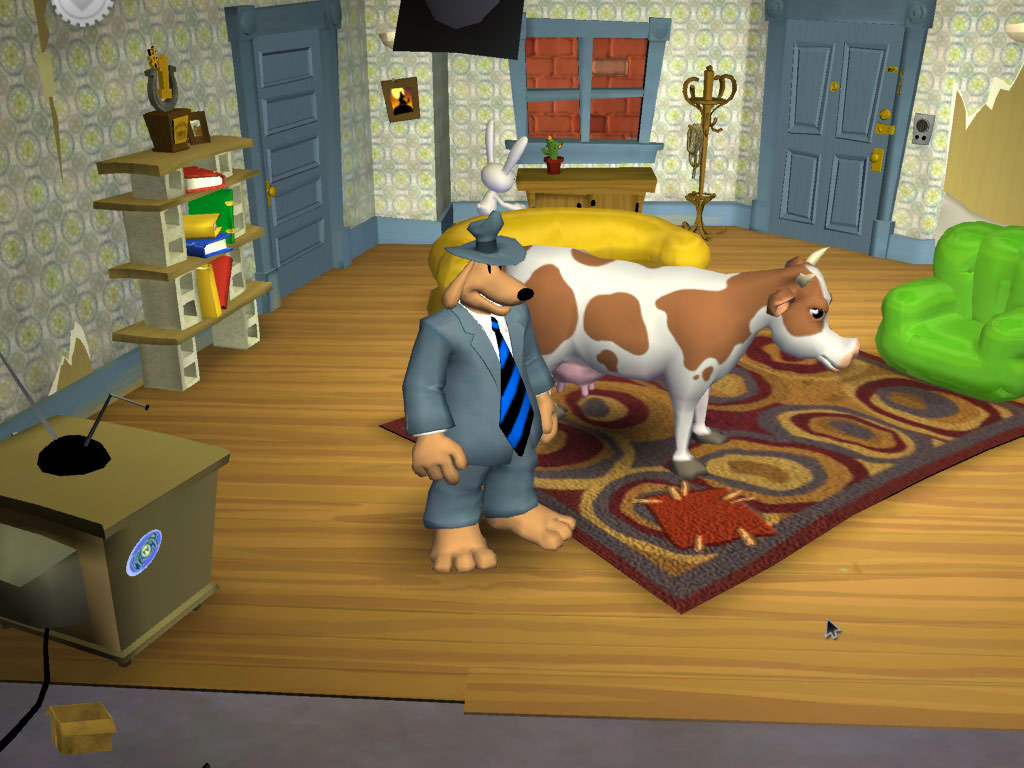
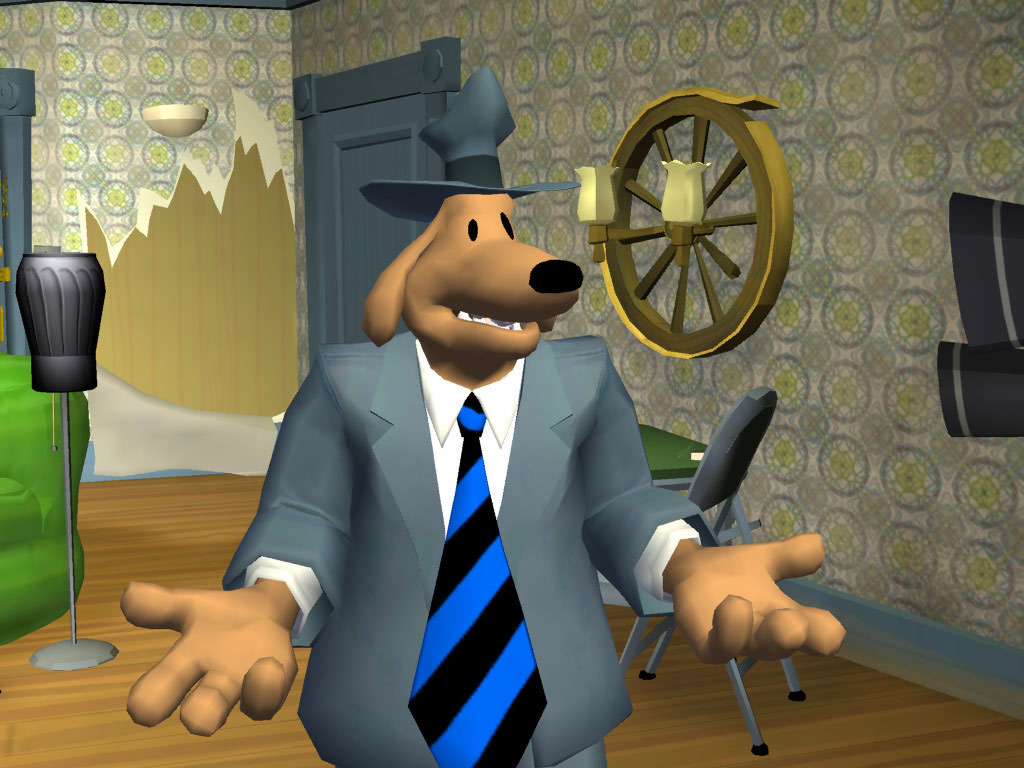
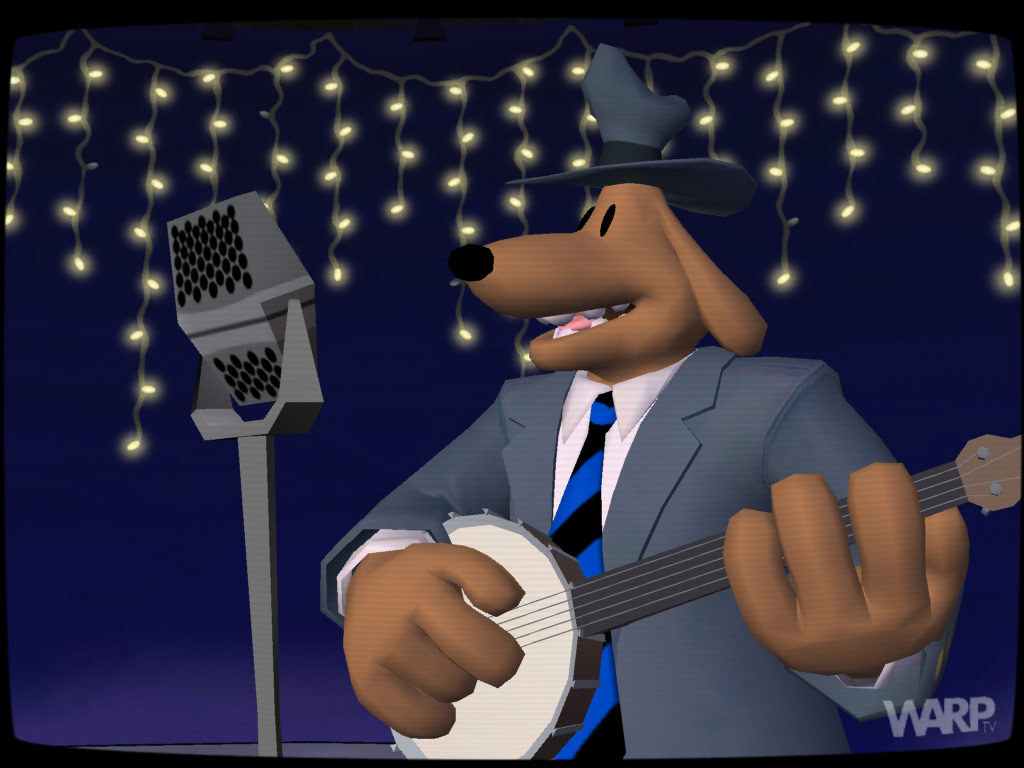
This isn’t cartoonish levity. It’s wiry, claustrophobic, suspiciously intelligent comedy—the kind that makes your brain itch while your mouth grins. You feel like you’re solving a case where the crime scene is a sitcom set, the evidence is misdirection dressed as banter, and every clue comes wrapped in a non-sequitur. There’s no downtime, no breathing room between the mystery and the mockery: Myra’s breakdown isn’t tragic—it’s structural, a symptom of the medium itself curdling under its own artificial cheer. You don’t just laugh at the absurdity—you lean in, trust it, because beneath the chaos is a razor-thin line between satire and sincerity, and crossing it feels like stepping onto live TV mid-take.
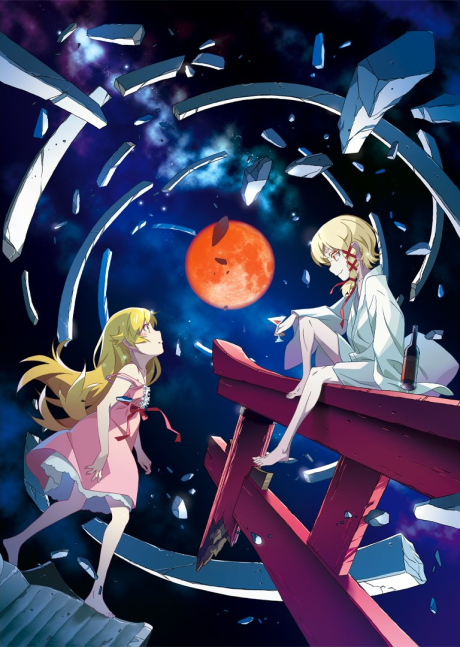
That exact tension lives in The World God Only Knows II, where Keima’s detective work isn’t about catching criminals—it’s about diagnosing emotional denial in girls who’ve built entire personalities out of anime tropes. Like Sam & Max navigating WARP TV’s warped reality, Keima moves through layers of performance, peeling back scripted personas to find real feeling—but never without irony, never without a wink. Both treat mystery as social archaeology and comedy as the only honest language when reality glitches.
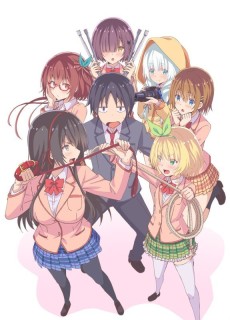
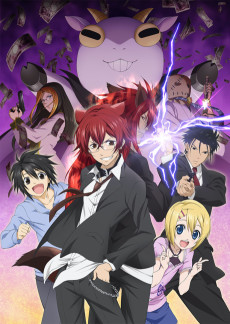
Then there’s Hentai Prince & the Stony Cat, where Yuu’s transformation into a “pervert” isn’t escapism—it’s a tactical disguise to survive high school’s performative norms. His detective-like observation of classmates mirrors Sam’s deadpan dissection of Myra’s unraveling act: both are hyper-aware of the gap between what people say and what they mean, and both weaponize parody to bridge it. The shared DNA isn’t just “funny + investigative”—it’s the relief of naming the lie, then laughing with the lie, then dismantling it with a rubber chicken.
And Ranma½ (2024)—yes, the reboot—holds the same kinetic, almost physical relationship to genre. Every curse, every gender-swap, every dojo challenge isn’t random chaos; it’s a running gag with forensic precision, where the mystery isn’t who did it, but how many times the rules can bend before snapping—and whether the characters will notice before the audience does. Like Sam & Max trying to get past security by convincing a robot that irony counts as credentials, Ranma’s world runs on emotional logic disguised as slapstick. The detective impulse? Spotting the pattern beneath the pandemonium. The parody? Loving the form enough to twist it until it sings off-key.
This is for the person who rewatches a 20-second gag three times—not to catch the joke, but to map the timing, the glance, the exact millisecond the tone tilts from sincere to surreal. For the one who pauses anime mid-episode to text a friend: “Did you see how the background changed just as she lied?” For the player who doesn’t just solve the puzzle—they savor the way the game refuses to explain why the janitor carries a kazoo, or why the teleprompter spells “HELP” in Morse code during commercial break. They don’t want coherence. They want collusion: a world that assumes you’ll get the reference, trust the rhythm, and laugh harder because you know—deep down—that beneath the berzerk, there’s a heartbeat, steady and ridiculous, counting time in punchlines.
→37 Anime That Match the Vibe
Layered mysteries that reward attention — every detail matters, and the truth is never simple.
Layered mysteries that reward attention — every detail matters, and the truth is never simple.
Layered mysteries that reward attention — every detail matters, and the truth is never simple.
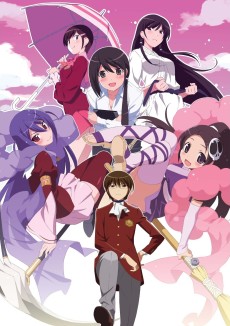
Myra Stump’s surreal, hostage-holding meltdown on WARP TV mirrors Haqua’s deadpan exasperation as she navigates Elsie’s chaotic soul-hunting—both pivot on Comedy & Parody undercutting high-stakes tension. Unlike most supernatural rom-coms, *The World God Only Knows II* leans into bureaucratic demon politics, while *Situation: Comedy* weaponizes talk-show absurdity to dissect media frenzy. This shared love of mystery-as-farce makes their tonal dance between chaos and control genuinely surprising.
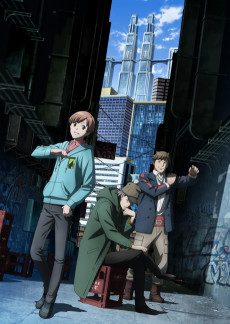
Layered mysteries that reward attention — every detail matters, and the truth is never simple.

Myra Stump’s surreal, hostage-holding meltdown on WARP TV mirrors Youto’s desperate, increasingly absurd negotiations with the Stony Cat statue—both hinge on comedy erupting from warped logic and repressed desire. Unlike most detective parodies, *Situation: Comedy* and *Hentai Prince* weaponize embarrassment as plot engine: Sam & Max dissect performative madness while Youto’s wish-granted “pervert persona” exposes how identity curdles under social expectation. Their shared **Comedy & Parody** dimension thrives in the gap between frantic surface chaos and quiet, aching self-awareness.
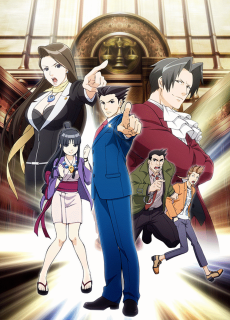
Layered mysteries that reward attention — every detail matters, and the truth is never simple.
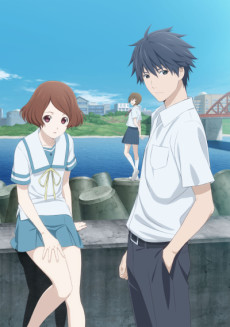
Layered mysteries that reward attention — every detail matters, and the truth is never simple.
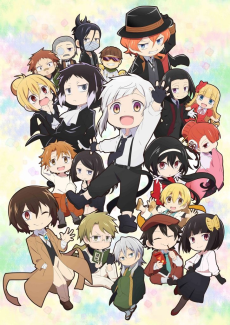
Layered mysteries that reward attention — every detail matters, and the truth is never simple.

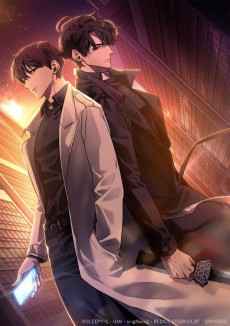
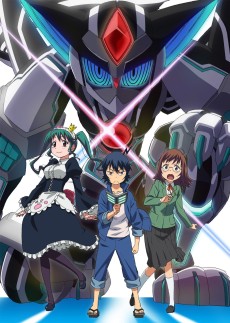
Myra Stump’s surreal talk-show hostage crisis—where studio lights flicker like a malfunctioning sitcom laugh track—mirrors Ranma’s cursed transformations erupting mid-argument at the Tendō dojo. Both weaponize **Comedy & Parody**, twisting genre expectations: Sam & Max treat broadcast chaos as detective work, while the 2024 anime frames Ranma’s gender-swap gags as deadpan social satire. Surprisingly, their shared **Mystery & Detective** DNA shines—not in solving crimes, but in diagnosing absurdity itself.



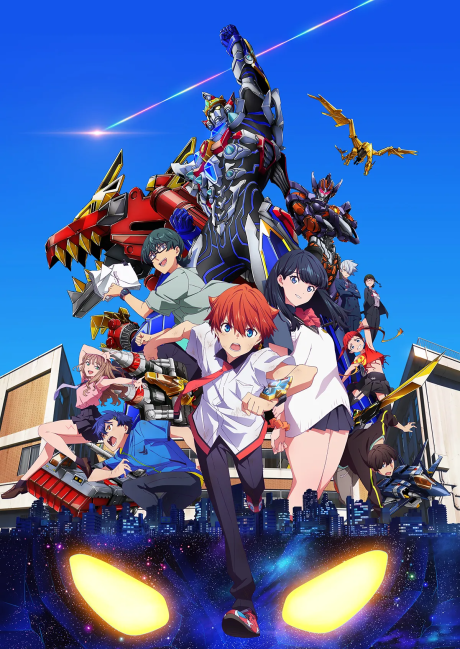

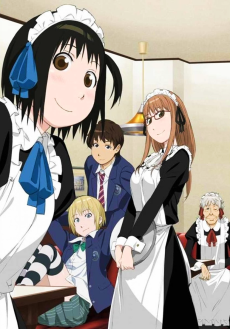

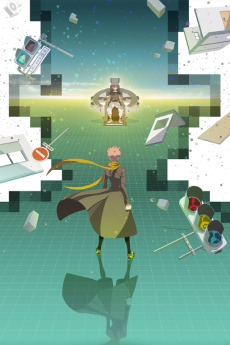
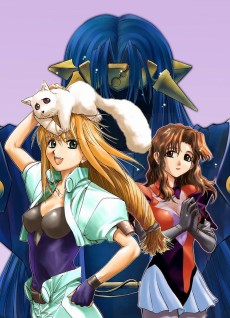


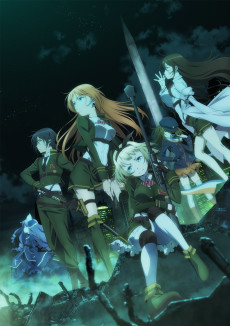
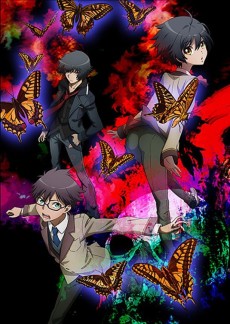
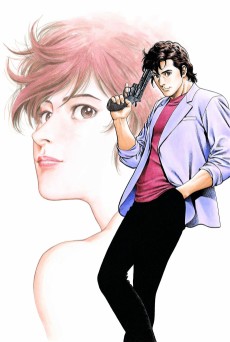

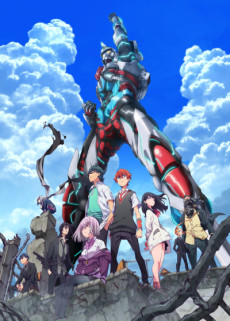
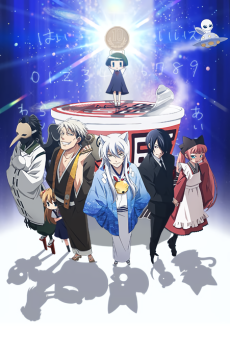
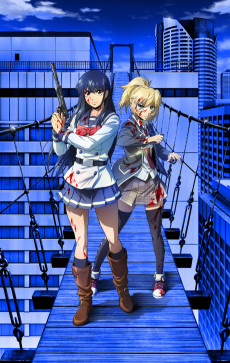
Match Dimensions Explained
❓Frequently Asked Questions
Why is The World God Only Knows II recommended for Sam & Max: Situation: Comedy fans?
Because both lean hard into absurd, fast-paced parody—like when Keima Katsuragi in TWGOK II gets roped into solving ridiculous 'mysteries' involving magical contracts and anime tropes, mirroring how Sam & Max infiltrate WARP TV’s chaotic set to disarm Myra Stump’s hostage situation using surreal logic and rapid-fire gags. The shared 'Mystery & Detective + Comedy & Parody' dimension means you’ll get that same whiplash of deadpan investigation followed by cartoonish escalation.
Is there an anime adaptation of Sam & Max: Situation: Comedy?
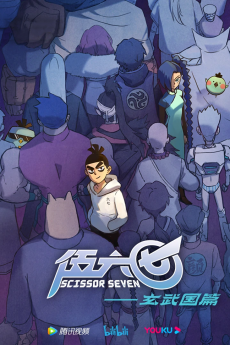
Nope—there’s no official anime adaptation of *Situation: Comedy* (or any Sam & Max episode). But if you love its tone, Scissor Seven Season 3 nails the vibe: Seven’s over-the-top assassin-for-hire schtick, his silent-but-deadly partner Miao, and the way they stumble through absurd spy-parody plots (like infiltrating a talent show to stop a villainous host) hit the same sweet spot as Sam & Max storming Myra Stump’s studio with zero prep and maximum chaos.
How does Ranma 1/2 (2024) compare to Sailor Moon for Sam & Max: Situation: Comedy energy?
Ranma 1/2 (2024) leans harder into physical slapstick and identity-based farce—think Ranma turning into a girl mid-interview or getting trapped in a talk-show set-up gone wrong—very much like Sam & Max’s escalating studio sabotage. Sailor Moon has more emotional stakes and team banter, but both share that ‘Mystery & Detective + Comedy & Parody’ DNA: e.g., Sailor Moon’s ‘hostage’-style episodes where villains hijack events (like the TV station arc in R) mirror Myra Stump holding her audience at gunpoint—just with more sparkles and less noir.
What’s the best anime like Situation: Comedy if I just want nonstop chaotic improv energy?
Hentai Prince & the Stony Cat—it’s got that exact vibe: Yuujiro’s desperate, off-the-cuff schemes to solve ‘mysteries’ (like why girls suddenly act weird around him) while juggling multiple identities, all delivered with rapid-fire timing and fourth-wall-winking absurdity. The scene where he improvises a fake detective persona live on a school broadcast? That’s pure Sam & Max energy—same ‘Mystery & Detective + Comedy & Parody’ score (82), same commitment to making nonsense feel brilliantly intentional.