
Terror in Resonance
Painted in red, the word "VON" is all that is left behind after a terrorist attack on a nuclear facility in Japan. The government is shattered by their inability to act, and the police are left frantically searching for ways to crack down the perpetrators. The public are clueless—until, six months later, a strange video makes its way onto the internet. In it, two teenage boys who identify themselves only as "Sphinx" directly challenge the police, threatening to cause destruction and mayhem across Tokyo. Unable to stop the mass panic quickly spreading through the city and desperate for any leads in their investigation, the police struggle to act effectively against these terrorists, with Detective Kenjirou Shibazaki caught in the middle of it all.
Zankyou no Terror tells the story of Nine and Twelve, the two boys behind the masked figures of Sphinx. They should not exist, yet they stand strong in a world of deception and secrets while they make the city fall around them, all in the hopes of burying their own tragic truth.
(Source: MAL Rewrite)
📺Anime Details
📝Editorial Analysis
The rain in Tokyo doesn’t fall—it settles, thick and cold, clinging to the glass of a silent subway car as Nine stares out, his reflection fractured across the wet pane. His breath fogs the surface just long enough to blur the neon sign outside: “VON”—not painted this time, but etched into memory, into the city’s nervous system. No music swells. No dramatic cutaway. Just that quiet, suffocating weight of a boy who has already decided what he must destroy—and why he cannot be saved.
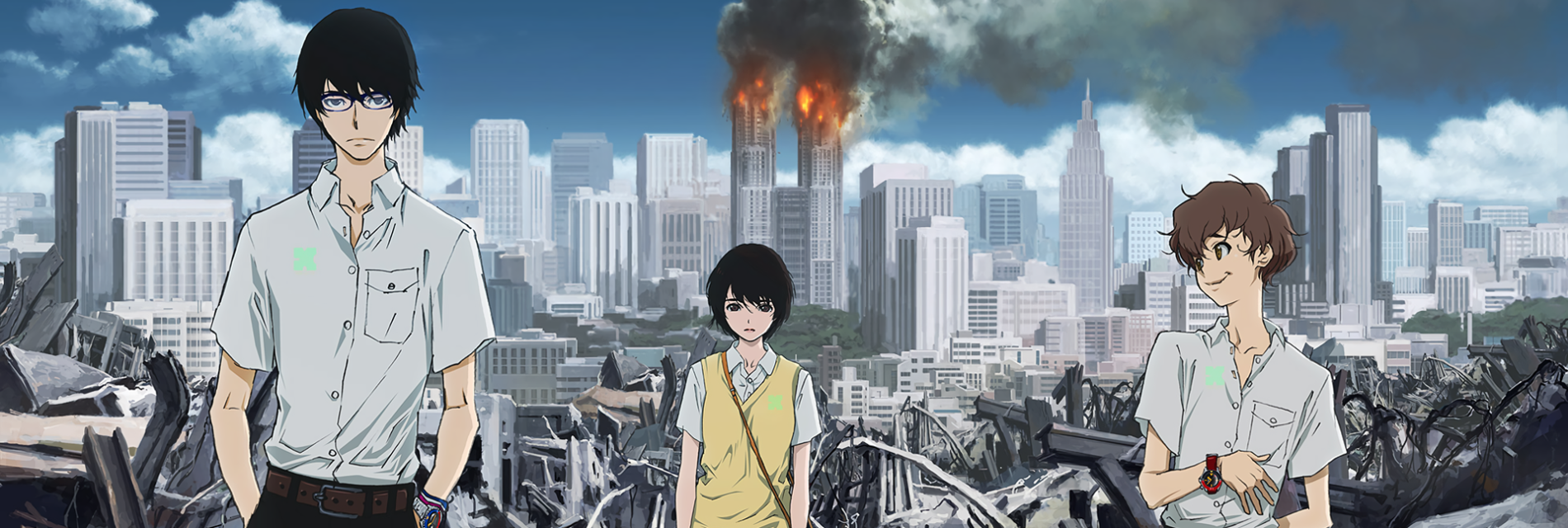
That’s the atmosphere of Terror in Resonance: not dread as spectacle, but exhaustion as architecture. It’s the hum of fluorescent lights in police briefing rooms that never end, the hollow echo of footsteps in abandoned hospital corridors where childhood trauma was administered like medicine, the way silence between Nine and Twelve isn’t comfort—it’s calibration. This isn’t about whether they’ll win. It’s about watching them choose their own erasure with terrifying clarity. You don’t feel adrenaline—you feel recognition. Recognition of how systems calcify, how grief becomes protocol, how justice folds inward until it resembles punishment. The tragedy isn’t that they’re orphans. It’s that they learned to speak the language of power so fluently, they no longer need to translate it for anyone else.
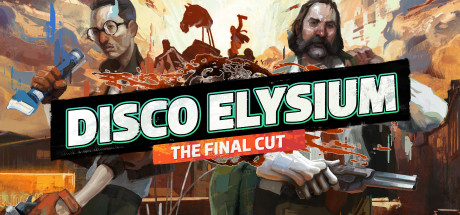
Which is why Disco Elysium - The Final Cut lands with such brutal resonance. Its description calls it “a groundbreaking role playing game” where you’re “a detective with a unique skill system… and a whole city to carve your path across”—but the player review cuts deeper: “Capital has the ability to subsume all critiques into itself. Even those who would critique capital end up reinforcing it instead.” That’s Nine and Twelve’s entire thesis, spoken in code and timed explosions. They don’t want revolution—they want exposure. Like Harry Du Bois, they’re not trying to fix the machine; they’re holding up a cracked mirror so the machine sees its own gears grinding down children. Both works treat ideology not as abstract debate but as physical weather—something you walk through, choke on, and eventually internalize until your bones ache with its logic.
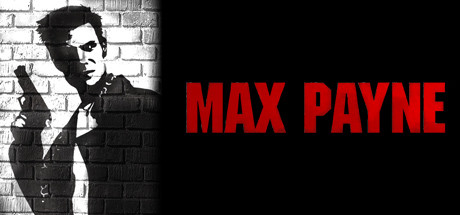
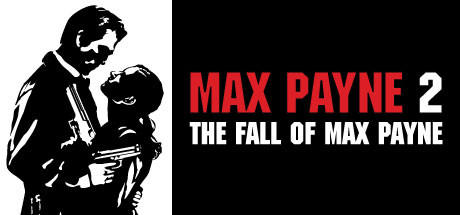
Then there’s Max Payne, described as “a man with nothing to lose in the violent, cold urban night… hunted by cops and the mob, a man with his back against the wall.” The player review recalls passing the controller after death—not as failure, but as ritual. That’s the rhythm of Terror in Resonance: every confrontation is already a posthumous act. Nine doesn’t duck bullets—he accepts their trajectory. Max Payne’s noir fatalism isn’t stylistic flourish; it’s structural. So is Terror in Resonance’s refusal to let its protagonists grow into hope. They grow out of it—like roots breaking concrete. Both reject catharsis. Both understand that vengeance isn’t a climax—it’s a slow, terminal diagnosis.
And Max Payne 2: The Fall of Max Payne, called “a violent, film-noir love story… dark, tragic and intense,” mirrors the anime’s emotional geometry in its most devastating dimension: intimacy as vulnerability, and vulnerability as tactical weakness. The description promises “shocking twists and revelations”; the review praises “clearing a room full of enemies”—but what lingers is the quiet before the gunfight, the glance exchanged mid-chase, the way love becomes another kind of detonation sequence. Nine and Twelve don’t touch each other. They sync. Their bond isn’t expressed in dialogue but in split-second decisions, mirrored glances, identical pauses before stepping into gunfire. Like Max and Mona, theirs is a relationship forged in mutual annihilation—where caring is the first step toward being unmade.
This pairing isn’t for fans of “cool villains” or “edgy teens.” It’s for the person who watches Nine fold origami cranes while listening to police scanners and feels their throat tighten—not because he’s sad, but because he’s so precisely composed. It’s for the player who spends twenty minutes interrogating a bartender in Disco Elysium, not for clues, but to hear how capitalism sounds when whispered through exhaustion. It’s for the one who replays Max Payne’s monologues not for the poetry, but for the way his voice cracks just before the bullet hits. These are stories for people who recognize tragedy not as something that happens to characters—but as the air they breathe, the syntax they think in, the only grammar left when the world stops making sense and keeps demanding answers anyway.
🎮89 Games That Match the Vibe







Match Dimensions Explained
❓Frequently Asked Questions
Why is Disco Elysium recommended for Terror in Resonance fans despite having no action scenes?
Because both dive deep into psychological tension, moral ambiguity, and a city that feels like a character—Disco Elysium’s Rainy City mirrors Resonance’s Tokyo with its oppressive neon-lit decay and layered conspiracies. You’ll recognize the same weight in dialogue choices (like Harry DuBois agonizing over whether to trust Kim or betray him) and narrative pacing that trusts you to sit with silence, dread, and ideological friction—just like Nine and Twelve’s slow-burn confrontations in the abandoned subway tunnels.
Is there a Terror in Resonance video game adaptation?
No—there’s never been an official Terror in Resonance game, anime tie-in or otherwise. But if you’re craving that exact blend of cerebral mystery, morally gray teen protagonists, and stylized neon-noir atmosphere, Max Payne 2 nails the tone: its tragic love story between Max and Mona Sax echoes Nine and Twelve’s bond, and its rain-slicked, noir-drenched New York feels like a live-action echo of Resonance’s haunting urban visuals.
How does Sherlock Holmes versus Jack the Ripper compare to Max Payne 2 for Terror in Resonance vibes?
Sherlock Holmes vs. Jack the Ripper leans harder into methodical clue-hunting and period dread (think Victorian London’s fog-choked alleys), while Max Payne 2 matches Resonance’s modern, cinematic pacing—especially in its brutal, slow-motion gunfights and emotionally raw cutscenes like Max cradling Mona after the warehouse shootout. Both share the ‘Neon Noir’ and ‘Mystery & Detective’ dimensions, but only Max Payne 2 delivers that same tight, tragic, adult-seinen rhythm of escalating stakes and intimate betrayal.
What’s the best game like Terror in Resonance if I want that heavy, contemplative, ‘late-night train ride’ mood?
Disco Elysium — The Final Cut is your match. Its entire structure—walking alone through Martinaise at 3 a.m., listening to your own skill checks argue in your head (like Logic vs. Empathy debating whether to confront the dockworker), or staring at the cracked ceiling of your hotel room while the city hums outside—mirrors Resonance’s quiet, melancholic intensity. That scene where Harry sits on the pier watching the ferry? Pure Nine-and-Twelve energy: isolated, poetic, and charged with unspoken consequence.