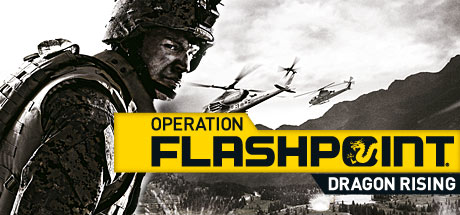
Operation Flashpoint: Dragon Rising
Operation Flashpoint: Dragon Rising is a game about a fictitious conflict on one of the Sakhalin islands.
🎮Game Details
💬What Players Say
"a old but gold masterpiece, that was killed off before it could shine."
"goated game"
"Thanks for leaving a demo"
📝Editorial Analysis
The wind howls across the frozen tundra of one of the Sakhalin islands, biting and unrelenting — not cinematic, not scored, just raw, ambient, and indifferent. You’re crouched behind a shattered concrete barrier, rifle cold in your hands, breath fogging in the grey light. No HUD blinks. No minimap pulses. Just the crunch of your boots on frost, the distant thump of artillery, and the sudden, gut-punch silence when your squadmate’s radio cuts out mid-sentence. This isn’t spectacle. It’s presence. It’s what Operation Flashpoint: Dragon Rising forces you into — a fictitious conflict rendered with such tactile weight that even its cancellation feels like a wound: “a old but gold masterpiece, that was killed off before it could shine…” — not forgotten, but mourned.
What makes this game ache is its refusal to comfort. It doesn’t simulate war as power fantasy or moral parable — it simulates consequence as texture. Every reload is deliberate. Every decision carries friction: do you flank through exposed scrubland at dawn, knowing visibility works both ways? Do you call for fire support and risk civilian structures marked only by blurred satellite intel? There’s no heroic music swelling as you breach — just the metallic scrape of a door hinge, then stillness. It makes you feel small, responsible, exhausted. It makes you think about terrain as memory — how snow holds footprints, how fog erases command, how radio static becomes the sound of isolation tightening its grip. This isn’t realism as fidelity; it’s realism as emotional gravity. You don’t win. You endure. And sometimes, you don’t.
That gravity resonates sharply with Attack on Titan: Lost Girls, where Neon Noir bleeds into Tactical Warfare not through stylized action, but through suffocating atmosphere — rain-slicked alleyways lit by flickering sodium lamps, characters moving with exhausted precision, every knife draw weighted by trauma already lived. The emotional narrative isn’t told in monologues, but in the way Mikasa’s knuckles whiten around her blade before she moves — same as your finger hovering over the trigger in Dragon Rising’s silent ambushes. Then there’s Black Butler, where Tactical Warfare unfolds in candlelit parlors and fog-choked London docks — not with bullet-time, but with choreographed restraint: Sebastian calculating angles while pouring tea, Ciel’s voice dropping to a whisper before a trap springs. The Neon Noir isn’t neon at all — it’s the bruised violet of twilight over a battlefield, the sickly green glow of night-vision optics, the same palette of moral ambiguity that stains both Victorian intrigue and Sakhalin’s frozen occupation. And My Hero Academia Season 4 — yes, the one with the Joint Training Arc — grounds its Tactical Warfare in physical cost: heroes stumbling after using quirk-overload, strategies collapsing under fatigue, the camera holding on a trembling hand after the explosion fades. That’s Dragon Rising’s DNA: victory measured in breaths regained, not banners raised.
Who would love these pairings? Not the casual viewer who skims lore or the player who craves instant feedback loops. It’s the person who watches Trigun and lingers on the dust motes swirling in the bar’s single sunbeam — the one who replays SPY x FAMILY’s grocery store scene not for the gag, but for the way Anya’s eyes dart just once toward the exit, calculating escape vectors like a veteran. It’s the player who boots up Operation Flashpoint: Dragon Rising, loads the demo just to feel the weight of the rifle again, and sits in silence for three minutes listening to wind over tundra — because that silence means something. They’re the ones who recognize emotional resonance not in volume, but in vacuum: the hush before orders are given, the pause after a life ends off-screen, the shared, unspoken exhaustion between comrades who know the next hill might be the last one they climb together. They don’t want stories about heroes. They want stories about people who stay upright in the gale.
→30 Anime That Match the Vibe

Strategy, precision, and the weight of every decision on the battlefield.
Strategy, precision, and the weight of every decision on the battlefield.
Strategy, precision, and the weight of every decision on the battlefield.
Strategy, precision, and the weight of every decision on the battlefield.
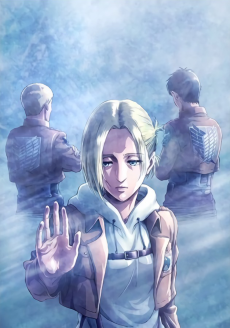
Neon-lit rain slicks the streets of Wall Sina as Mikasa’s quiet grief mirrors the exhausted silence between firefights on Skira Island. Unlike most tactical shooters or fantasy OVAs, *Dragon Rising* and *Lost Girls*—the three-episode OVA bundled with manga volumes 24–26—anchor their 🌃 Neon Noir atmospheres in visceral, unglamorous human fragility amid systemic collapse. That shared commitment to 💔 Emotional Narrative makes their resonance startling: war isn’t epic—it’s a trembling hand reloading in the dark, a breath held before memory fractures.
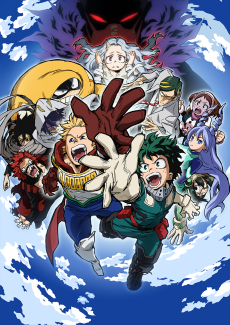
Neon-lit alleyways in My Hero Academia Season 4—where Shigaraki’s trembling hands spark chaos amid Overhaul’s cold, surgical violence—mirror Dragon Rising’s Sakhalin fog: both drown tactical precision in emotional static. 🌃 Neon Noir isn’t just lighting; it’s the visual grammar binding Shigaraki’s fractured psyche to a soldier’s radio crackle mid-ambush. Unlike most war or hero stories, neither flinches from how trauma weaponizes intimacy—making their shared 💔 Emotional Narrative startlingly cohesive.

Neon-lit alleyways in *Buddy Daddies*—where Kazuki wipes blood from his knuckles while Miri sleeps nearby—echo the rain-slicked, tactical stillness before an ambush on Sakhalin Island in *Dragon Rising*. Unlike most action narratives that separate combat from care, both embed 🌃 Neon Noir intimacy within high-stakes operational tension: Rei’s quiet vigilance mirrors a squad leader’s radio discipline; Kazuki’s paternal hesitation refracts the moral weight of command under fire. That collision—tactical precision folded into fragile emotional narrative—is what makes their resonance so unexpectedly potent.
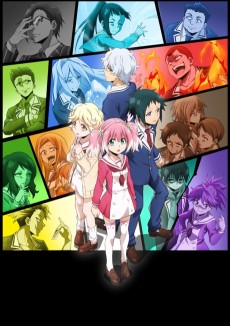
Neon-lit rain slicks the streets of Talentless Nana’s dystopian city just as it stains the fog-choked ridges of Dragon Rising’s Sakhalin—both worlds weaponize atmosphere to fracture perception. 🌃 Neon Noir isn’t just palette; it’s epistemological warfare, where Nana’s fabricated memories and Dragon Rising’s ambiguous intel both erode trust in sensory data. That shared tension—between tactical precision and psychological collapse—makes their resonance unnervingly coherent, not coincidental.

Neon-lit tension hums in both the fog-choked Sakhalin islands of *Dragon Rising* and the rain-slicked streets of Ostania—where Loid Forger’s tactical precision mirrors a squad leader’s radio discipline amid chaos. Unlike most spy stories, *SPY x FAMILY*’s Season 2 deepens its emotional narrative by juxtaposing battlefield rigor with domestic fragility, echoing how *Dragon Rising* forces players to weigh collateral damage against mission success. This resonance isn’t accidental: 🌃 Neon Noir frames moral ambiguity in both, turning espionage and infantry combat into intimate, human-scale reckonings.

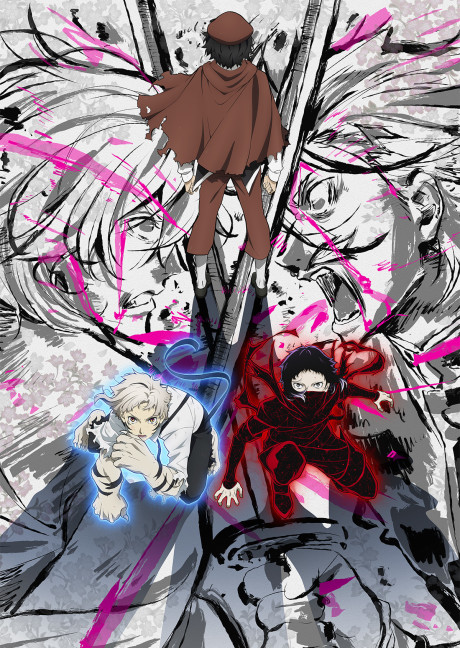
Rain slicks the tarmac of Khabarovsk Air Base as a sniper’s breath fogs the scope—*Operation Flashpoint: Dragon Rising* frames war as cold, procedural exhaustion. That same weary precision echoes in *Terror in Resonance*’s Tokyo subway sequences, where Nine and Twelve move like operatives through neon-lit tunnels, their sabotage calibrated not for spectacle but systemic rupture. 🎯 Tactical Warfare here isn’t about heroism—it’s the quiet dread of consequence, shared across island battlefields and urban infrastructure. Surprisingly, both treat ideology as secondary to the physical weight of choice: a trigger pull, a detonator press, each resonating with identical, hollow finality.



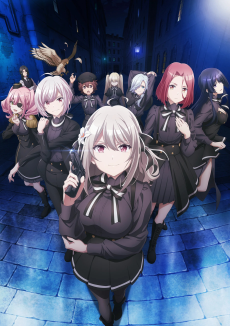
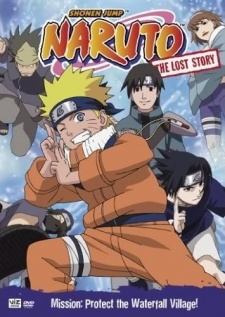
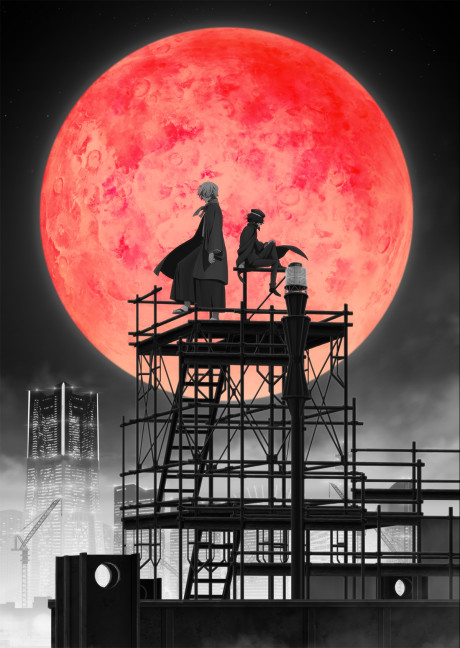
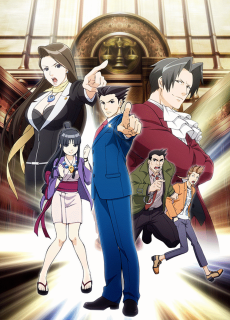
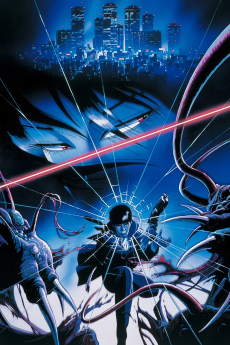

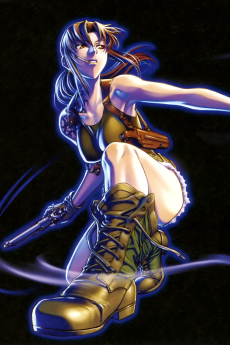


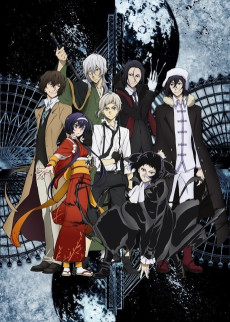
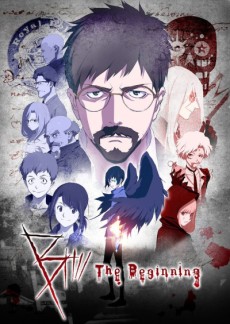
Match Dimensions Explained
❓Frequently Asked Questions
Why does Attack on Titan: Lost Girls match Operation Flashpoint: Dragon Rising so closely?
It’s all about that gritty, grounded Tactical Warfare vibe—like when Mikasa leads the covert infiltration of the Military Police HQ in Episode 3, using suppressed rifles and real-time cover mechanics instead of flashy powers. The Neon Noir lighting (think rain-slicked cobblestones and flickering gas lamps) and emotionally raw character beats—especially Annie’s conflicted flashbacks—mirror Dragon Rising’s tense, morally ambiguous Sakhalin Island campaign.
Is there an anime adaptation of Operation Flashpoint: Dragon Rising?
Nope—there’s never been an official anime adaptation. But fans who love Dragon Rising’s blend of tactical realism and emotional weight often land on Black Butler, especially the ‘Book of Circus’ arc where Ciel’s squad executes precision night raids with synchronized movement, suppressed pistols, and layered mission objectives—very much like clearing a compound in Dragon Rising’s Khasan Ridge mission.
How does My Hero Academia Season 4 compare to Attack on Titan: Lost Girls for Dragon Rising fans?
Season 4’s Joint Training Arc leans harder into Neon Noir aesthetics—think the moody, rain-drenched U.A. campus at night—and features actual Tactical Warfare choreography: Bakugo and Kirishima coordinating suppression fire and flanking maneuvers during the villain raid, no quirk flashiness, just tight comms and cover discipline. Lost Girls has more intimate stakes and slower pacing, but both nail that Dragon Rising feeling of consequence-heavy, small-unit ops.
What’s the best anime like Operation Flashpoint: Dragon Rising if I want that ‘tense, rain-soaked island warfare’ mood?
Trigun is your best bet—especially the 2023 remake’s desert siege sequences, where Vash and Meryl use terrain, limited ammo, and radio discipline to hold off waves of mercenaries in the ruined city of July. The muted color grade, long silences between gunfire, and emphasis on bullet physics over spectacle? That’s pure Dragon Rising energy—Sakhalin’s fog and Trigun’s dust storms both make every shot feel heavy and final.