
Trigun
Vash the Stampede is a wanted man with a habit of turning entire towns into rubble. The price on his head is a fortune, and his path of destruction reaches across the arid wastelands of a desert planet. Unfortunately, most encounters with the spiky-haired gunslinger don't end well for the bounty hunters who catch up with him; someone almost always gets hurt - and it's never Vash.
Oddly enough, for such an infamous fugitive, there's no proof that he's ever taken a life. In fact, he's a pacifist with a doughnut obsession who's more doofus than desperado. There's a whole lot more to him than his reputation lets on - Vash the Stampede definitely ain't your typical outlaw.
(Source: Funimation)
📺Anime Details
📝Editorial Analysis
The dust hangs. Not falling, not rising—just suspended, thick and golden in the low sun, caught between breaths. Vash stands knee-deep in rubble, coat torn, hair wild, one hand outstretched—not drawing, not firing—but holding. A child’s toy horse lies half-buried near his boot. Behind him, a saloon roof sags like a sigh. No blood. No bodies. Just heat, silence, and the awful, beautiful weight of what didn’t happen.
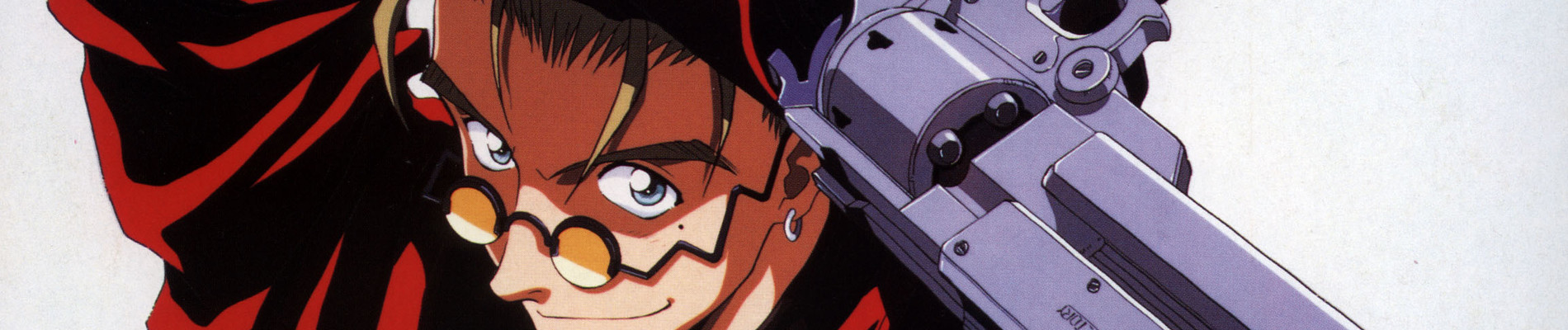
That’s Trigun’s atmosphere—not post-apocalypse as ruin, but as resonance. It’s the ache of a planet that remembers green, the hush after gunfire where mercy echoes louder than bullets. You don’t feel adrenaline here; you feel tremor—in your throat when Vash flinches at his own shadow, in your ribs when a bounty hunter’s gun clicks empty and he realizes, too late, that the outlaw isn’t aiming to kill but to unmake violence itself. It’s philosophy worn like frayed denim: weary, stubborn, tender. The desert isn’t backdrop—it’s conscience made visible, vast and unblinking, asking again and again: What does it cost to stay human when the world has stopped believing in it?
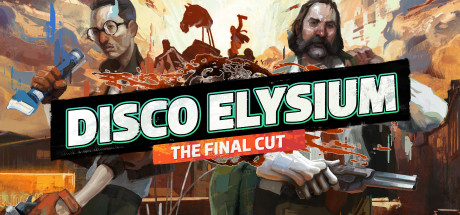
Disco Elysium - The Final Cut shares that same tremor. Its neon-noir city doesn’t glitter—it leaks ideology, every alleyway humming with capital’s quiet, suffocating logic. Like Vash walking through towns he’s shattered yet saved, the detective stumbles through systems he’s supposed to uphold but can’t quite reconcile with his own fractured soul. The player review nails it: “Capital has the ability to subsume all critiques into itself. Even those who would critique capital end up reinforcing it instead.” That’s Vash’s tragedy in code—his pacifism constantly co-opted, his compassion weaponized by the very institutions hunting him. Both refuse easy binaries; both make you feel the exhaustion of holding a line no one else sees.
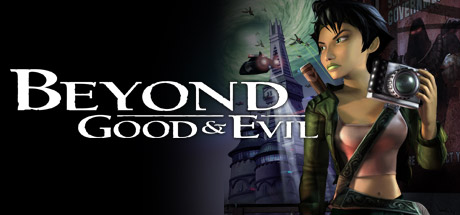
Beyond Good and Evil™ carries that same moral gravity, wrapped in investigative urgency. Jade isn’t dodging bullets to survive—she’s digging into lies so deep they’ve fossilized into law. Her world, like Gunsmoke City, is built on buried atrocities dressed as order. The player review calls it “crazyyy”—but that energy isn’t chaos; it’s the vertigo of realizing your home is a crime scene disguised as civilization. When Jade films propaganda reels while her pig friend Pey’j watches in silent, knowing sorrow, it’s the same gut-punch as Vash smiling through tears after another town burns—not because he wants it, but because he’s still choosing to walk forward, camera or gun held low.
And then there’s Tank Universal—a game whose description cites Tron and Battlezone, yes, but whose player review cracks open the emotional core: “Play cool tank game with dad when you were 6… time goes on; loose access to game. Grew up dad passes away…” That’s Trigun’s heartbreak in miniature: joy and loss fused in memory, technology as both armor and archive. The tank isn’t just metal—it’s inheritance, a vessel carrying warmth across years and silence. Like Vash’s red coat, it’s a relic that hums with absence. The melancholic exploration isn’t about terrain—it’s about returning to something you loved before you understood how fragile it was.
Who loves this pairing? Not just fans of “sci-fi with guns.” It’s the person who pauses mid-credits of Trigun, staring at the final shot of the twin moons—not for spectacle, but because their chest tightens remembering their own first real confrontation with grief. It’s the player who replays Hollow Knight’s Library of Absence not for lore, but to sit with that quiet, devastating line: “We are all just stories in the end.” It’s someone who hears the word desert and doesn’t think of sand—but of space between heartbeats, of choices made in silence, of love that persists despite the evidence. They don’t seek escapism. They seek witnessing. And in Trigun, in Disco Elysium, in Beyond Good and Evil™, in Tank Universal, they find it—not as answers, but as shared, trembling recognition.
🎮80 Games That Match the Vibe
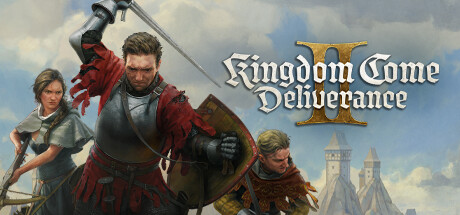
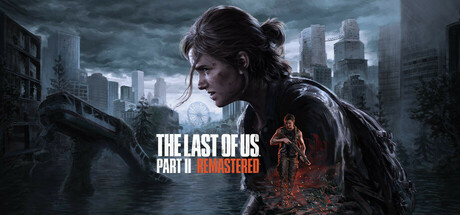

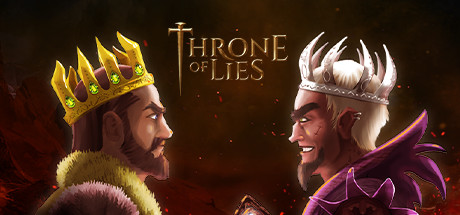






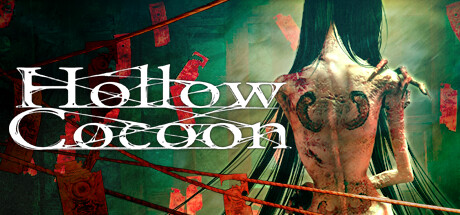
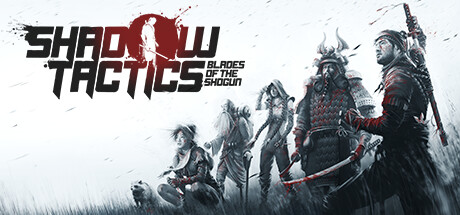
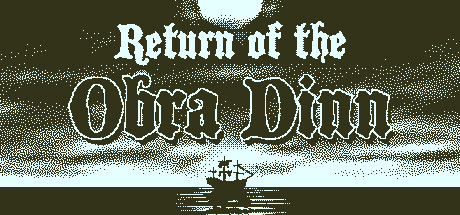



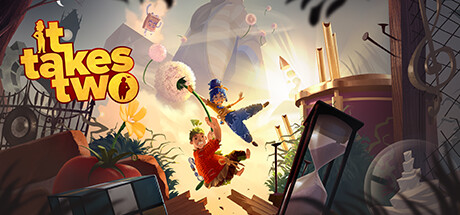























Match Dimensions Explained
❓Frequently Asked Questions
Why does Tank Universal feel so much like Trigun despite being a tank game?
It’s all in the vibe—lonely neon-lit deserts, melancholic exploration of a broken world, and that quiet, almost spiritual weight behind big action moments (like when you’re alone in your tank scanning the horizon before a massive AI ally ambush). The Tron/Battlezone aesthetic mirrors Trigun’s blend of gritty Western grit and surreal sci-fi, and the player review even mentions growing up playing it with their dad—echoing Vash’s themes of legacy and loss.
Is there a Trigun video game adaptation?
No official Trigun game exists—but Tank Universal is the closest spiritual cousin we’ve got. It nails the tone: vast empty landscapes, morally ambiguous factions, and that signature Trigun mix of over-the-top action and sudden stillness (like pausing mid-battle to watch your AI allies’ silhouettes against a blood-orange sky). Even the review’s nostalgic, personal voice—'Play cool tank game with dad when you were 6'—feels ripped from Vash’s own bittersweet flashbacks.
How does Hollow Knight compare to Beyond Good and Evil in capturing Trigun’s mood?
Both lean into Melancholic Exploration and Emotional Narrative—but Hollow Knight delivers Trigun’s existential weight through silent ruins and tragic insect heroes (like the Hollow Knight itself mirroring Vash’s burden), while Beyond Good and Evil channels Trigun’s political thriller side via Jade’s resistance journalism and Pey’j’s loyalty amid government lies. Reviewers call Hollow Knight ‘lovely story’ and BG&E ‘crazyyy game!’—different flavors of the same soulful, world-weary heart.
What’s the best game like Trigun if I want that lonely, reflective, neon-drenched feeling?
Disco Elysium — The Final Cut is your answer. Think Vash wandering the wasteland, but swapped for a rain-soaked, politically fractured city where every alleyway hums with melancholy and neon signs flicker like dying stars. Its skill system lets you argue with your own brain (just like Vash debates his ideals), and that brutal player quote—‘Capital has the ability to subsume all critiques into itself’—lands with the same weary irony as Meryl’s notebook entries.