Counter-Strike
Play the world's number 1 online action game. Engage in an incredibly realistic brand of terrorist warfare in this wildly popular team-based game. Ally with teammates to complete strategic missions. Take out enemy sites. Rescue hostages. Your role affects your team's success. Your team's success affects your role.
🎮Game Details
💬What Players Say
"Wasted 'half' my life in this game, plan to waste other half too."
"A fantastic PC game. Still holds up pretty well after almost 26 years. Still has a lively community to play on any servers."
"Best game ive ever played but its not like it use to be in the 2000s..."
📝Editorial Analysis
The sound of a single footstep echoing down a narrow corridor—dry, metallic, urgent—then the sharp crack of a headshot cutting it short. That’s Counter-Strike: not spectacle, not lore, not even victory—it’s the weight of a decision made in 0.3 seconds, with your breath held, your finger hovering, your teammate’s voice raw and clipped over comms: “Smokes up—go, go, GO.” It’s the official description’s “incredibly realistic brand of terrorist warfare” stripped bare—not realism as graphics, but realism as consequence. Your role affects your team’s success. Your team’s success affects whether you’ll spend the next thirty minutes replaying that one bomb site, that one hostage rescue, that one split-second misread of an enemy’s angle. It’s why one player calls it a half-life, then vows to waste the other half too—not out of obsession, but because the rhythm of planning, failing, adapting, and trying again has rewired their sense of time itself.
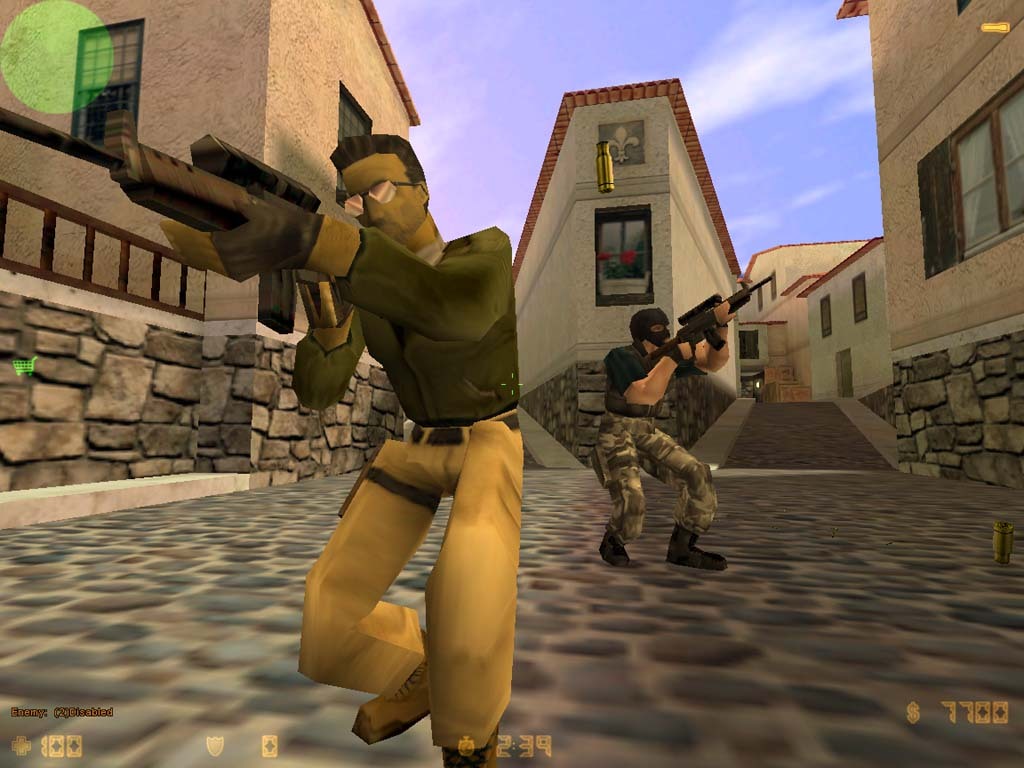
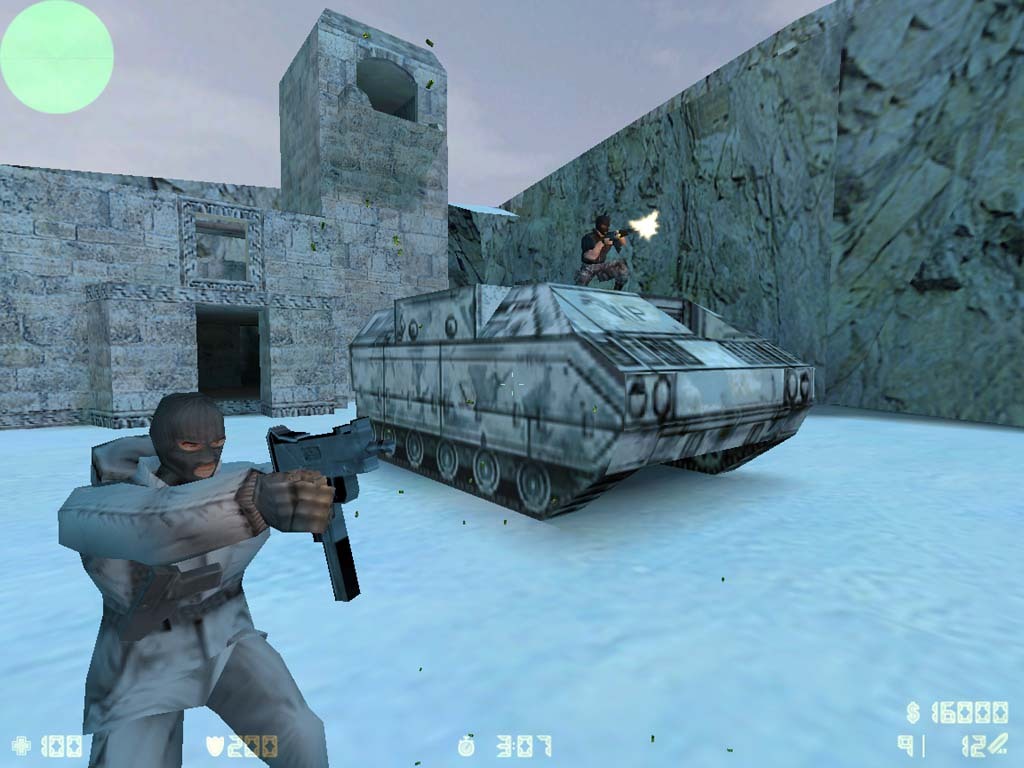
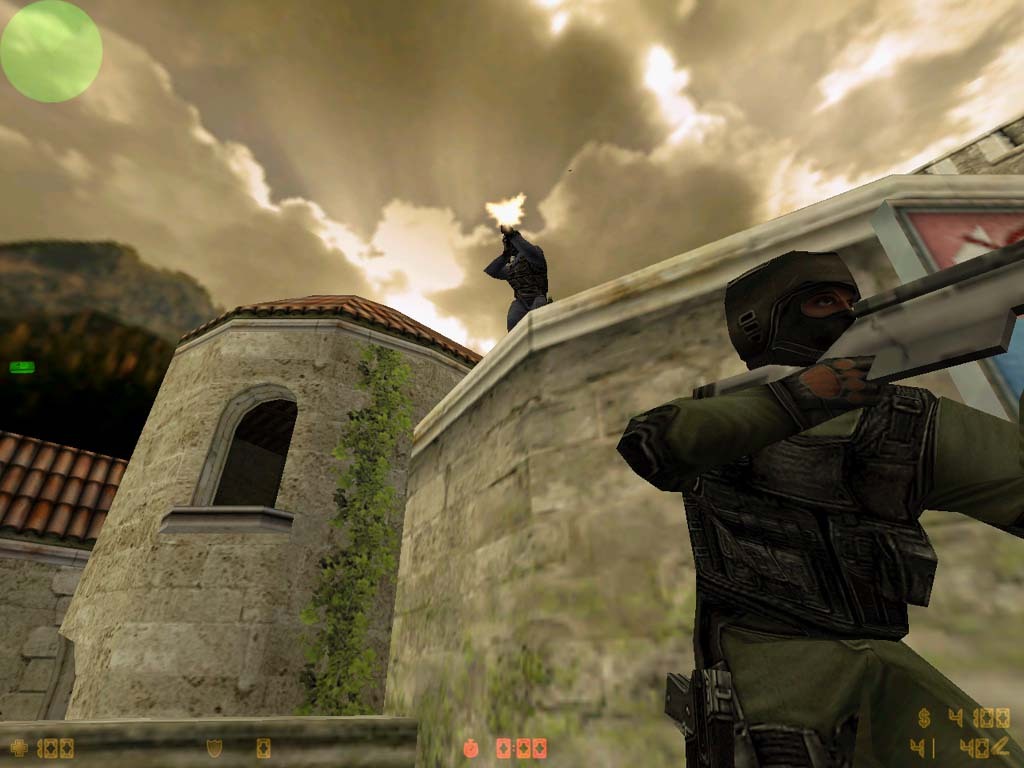
What makes this atmosphere singular isn’t its guns or maps—it’s how it forces you into a state of hyper-attentive stillness. You’re not sprinting through worlds; you’re holding angles, reading dust motes in muzzle flash light, counting footsteps like heartbeats. The decades-old praise—“still holds up after almost 26 years,” “man what a time to be alive”—isn’t nostalgia for pixels. It’s reverence for a system that never flinches: no respawns, no do-overs, no narrative hand-holding. Every round is a self-contained crisis where survival isn’t guaranteed—it’s crafted, moment by moment, bullet by bullet. You don’t level up; you learn. You don’t unlock power—you earn precision, patience, and the quiet, searing pride of a perfectly executed flank. That’s the feeling: tactical intimacy. Not war as grand theater, but as shared, sweat-soaked calculus.
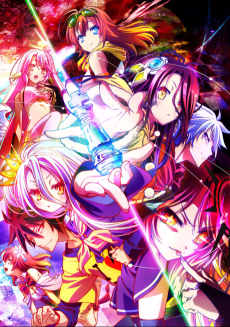
BLUE LOCK THE MOVIE -EPISODE NAGI- shares that same pressure-cooker intensity—not on a battlefield, but on a pitch where every feint, every off-the-ball run, every delayed pass is a tactical gamble with zero margin for error. Its dimensions—Competitive Spirit, Survival & Crafting—aren’t metaphors. Nagi doesn’t win by being “stronger”; he wins by crafting space, by reading micro-expressions mid-dribble, by surviving psychological attrition just as much as physical exhaustion. Like Counter-Strike, his success hinges on teammates trusting his read—and him trusting theirs—without explanation, without pause.
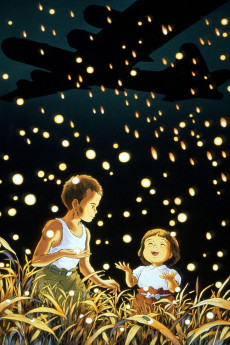
Bubble, set in a ruined Tokyo where gravity fails unpredictably, turns physics itself into a weapon and a wall. Its Competitive Spirit, Survival & Crafting aren’t abstract—they’re literal: characters must craft momentum, survive sudden shifts in weight and trajectory, and compete not for points, but for oxygen, for footing, for the next breath. There’s no HUD, no minimap—just instinct, timing, and the visceral knowledge that one mistimed jump means falling forever. That’s Counter-Strike’s bomb defusal timer made atmospheric: a countdown you feel in your molars.
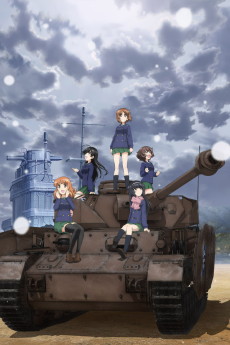
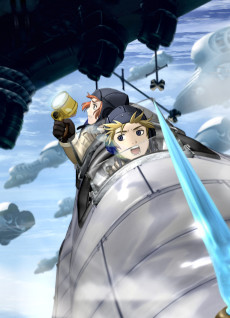
And Girls und Panzer, both series and film, weaponizes Tactical Warfare with surgical glee. It’s not about tanks as machines—it’s about tank crews reading terrain like chessboards, using smoke not as cover but as misdirection, exploiting blind spots in enemy formation like Counter-Strike players exploit doorways. The thrill isn’t in firepower—it’s in the silence before the ambush, the synchronized reload, the radio call cut short by incoming fire. When Miho orders a feint left while the real push comes from the rear slope, it lands with the same gut-punch clarity as a well-timed flashbang blind—no exposition, just execution, consequence, and the electric hum of collective focus.
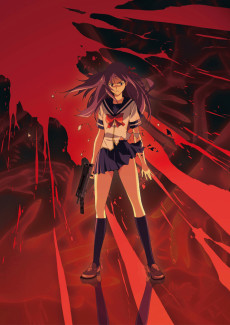
This pairing isn’t for people who want stories about heroes rising or villains falling. It’s for those who get chills when a plan clicks—not because it’s flashy, but because it’s tight: three people moving as one mind, breathing the same air, sharing the same risk. It’s for the player who replays Dust II at 3 a.m. just to nail the A-site entry angle one more time—and the viewer who watches Aoharu x Machinegun’s sniper duel not for the guns, but for the way each character measures wind speed with their tongue, counts heartbeats between shots, and understands that winning isn’t about pulling the trigger first—it’s about knowing exactly when the other person will. That’s the bond: not genre, not setting—but the sacred, shared pulse of precision under pressure.
→44 Anime That Match the Vibe
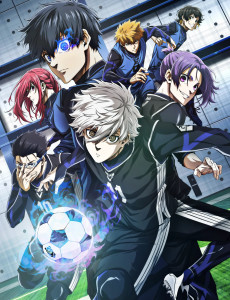
Nagi Seishirou’s icy, minimalist “That’s a hassle” echoes the hushed, high-stakes radio comms of a Counter-Strike round—where every word is tactical currency. Unlike most sports anime, *BLUE LOCK THE MOVIE -EPISODE NAGI-* frames football as claustrophobic survival, mirroring CS’s tense, resource-scarce bomb sites where split-second decisions and precise coordination define victory. This shared **Competitive Spirit** isn’t about glory—it’s about cold calculus under pressure, where ego dissolves into function.
Connected through 2 aesthetic dimensions.
Connected through 2 aesthetic dimensions.

Gravity fails in Tokyo’s ruins—just as tactical precision fractures under pressure in Counter-Strike’s bomb sites. Where Bubble’s Uta leaps through zero-G debris to catch a falling soccer ball, Counter-Strike players recalibrate mid-air recoil while clutching a defuse kit—each relying on split-second spatial intuition and razor-thin margins of survival. This shared dimension of *Survival & Crafting* transforms physics itself into a contested, co-authored terrain: not just navigating chaos, but weaponizing it.
Connected through 2 aesthetic dimensions.

Tension crackles as a lone M26 Pershing lurches into the ruined schoolyard—just like a Counter-Strike defender peeking corners with precise crosshair placement. The competitive spirit isn’t just about winning; it’s the razor-thin margin between a perfectly timed tank shot and a fatal overwatch, mirroring how CS players call out enemy positions mid-firefight. Unlike most sports anime, *Girls und Panzer* treats Sensha-do as tactical warfare: positioning, sound discipline, and split-second role swaps matter more than brute force—exactly what makes a clutch CS round feel like ballet in bullet time.
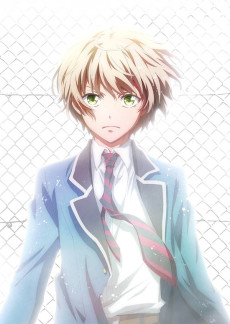
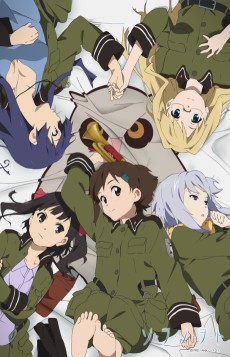
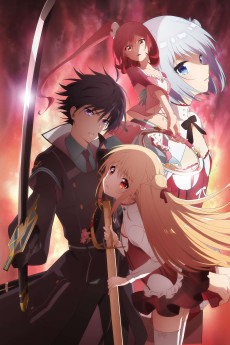
Hotaru Tachibana’s first airsoft skirmish—kneeling behind a rusted dumpster, heart pounding as she calls out enemy positions—mirrors the tense, breath-held silence before a Counter-Strike site push. Where Counter-Strike demands split-second tactical warfare under life-or-death stakes, *Aoharu x Machinegun* transposes that same razor focus onto high-school hallways and abandoned lots, treating each airsoft match like a real op. Their shared competitive spirit isn’t about realism—it’s about reverence for precision, trust, and the electric clarity that arrives when strategy, not chaos, wins the round.
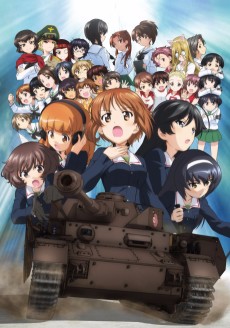
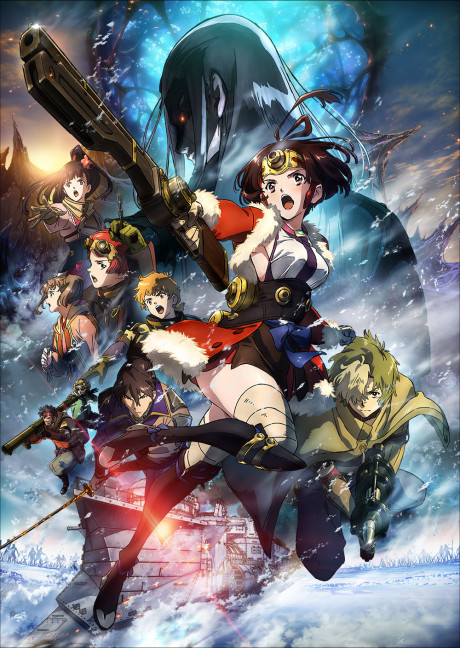
Miho’s calm command during Ooarai’s final ambush—tanks weaving through smoke-choked ruins like CTs clearing a bombsite—mirrors Counter-Strike’s razor-thin margin between victory and detonation. Unlike most sports anime, *Girls und Panzer der Film* treats tank combat as tactical warfare: positioning, callouts, and split-second role swaps echo the coordinated precision of a well-oiled CS squad. That shared obsession with competitive spirit transforms steel and strategy into visceral, heartbeat-synced tension—surprisingly harmonious across genres.
Connected through 2 aesthetic dimensions.
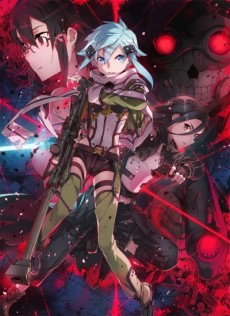
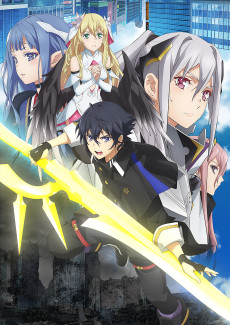
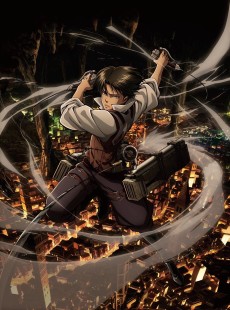
Kirito’s tense, breath-held infiltration of the GGO tournament arena mirrors Counter-Strike’s bomb-defusal rounds—both hinge on split-second tactical decisions under lethal pressure. Unlike most fantasy anime, *Sword Art Online II*’s Gun Gale Online arc treats virtual combat as gritty, skill-based warfare where positioning, recoil control, and team coordination—core to Counter-Strike’s tactical warfare—dictate survival. That shared emphasis on procedural realism in high-stakes conflict makes their resonance unexpectedly grounded, not escapist.




![Fate/stay night [Heaven's Feel] I. presage flower](https://s4.anilist.co/file/anilistcdn/media/anime/cover/medium/bx20791-yPCX5GJuMH2k.png)


Match Dimensions Explained
❓Frequently Asked Questions
Why does Bubble feel like Counter-Strike even though it's about parkour and sci-fi bubbles?
Because the core tension mirrors CS’s round-based, objective-driven chaos—like when Rikka and her squad execute precise, high-stakes ‘bubble drop’ assaults on enemy zones in Tokyo, timing their movements like a Counter-Strike bomb plant. The way they coordinate roles (scout, attacker, defender) and adapt mid-fight—especially during the Shibuya Station siege—hits that same tactical adrenaline rush you get from defusing with 3 seconds left in Dust II.
Is there an anime adaptation of Counter-Strike itself?
No official anime adaptation exists—but Girls und Panzer comes closest in spirit: it’s not about guns or terrorists, but its tank battles replicate CS’s team roles, map control, and mission-critical objectives. When Miho’s platoon executes a flanking maneuver at the Ooarai vs. St. Gloriana finals—using terrain, comms, and role-specific vehicles—it feels like watching a pro CS lineup rotate B site with perfect sync.
How does Aoharu x Machinegun compare to Girls und Panzer for tactical warfare vibes?
Both nail tactical warfare, but Aoharu leans into fast-paced, close-quarters skirmishes—think Tanaka’s ‘sniper duel’ against Hoshino in the abandoned factory, where positioning, sound cues, and split-second callouts mirror CS’s eco-round intensity. Girls und Panzer goes bigger: full-scale armored engagements with layered strategy, like the ANZIO ambush in der Film where reconnaissance, feints, and coordinated overwatch replicate CS’s intel-heavy prep phase.
What’s the best anime like Counter-Strike if I want that intense, high-stakes ‘one life, one round’ pressure?
BLUE LOCK THE MOVIE -EPISODE NAGI- is your pick—Nagi’s solo striker duel against Reo in the rain-drenched final isn’t just flashy; it’s pure CS energy: limited resources (one shot per round), real-time role-switching (he’s both attacker and decoy), and that heart-stopping ‘clutch’ moment when he fakes left, cuts right, and scores under triple coverage—exactly like pulling off a 1v3 retake on Inferno.