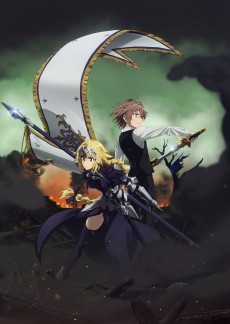
Fate/Apocrypha
There was once a Holy Grail War waged by Mages and Heroic Spirits in a town of Fuyuki. However, one Mage took advantage of the chaos of World War II to steal a Holy Grail. Several decades have passed, and the Yggdmillennia family, who took upon the Holy Grail as its symbol, defected from the Mages' Association. Furious, the Association sent forces to deal with the Yggdmillennia, but were defeated. With the Holy Grail system changed, war at an unprecedented scale breaks out.
(Source: Anime News Network)
📺Anime Details
📝Editorial Analysis
The air in the snow-draped ruins of Trifas tastes like iron and burnt parchment—cold, sacred, and final. Not because of the blood soaking the cobblestones, but because every footfall, every drawn breath, every whispered Command Seal echoes with the weight of broken oaths. This isn’t just a battlefield—it’s a cathedral of consequence, where a spear pierces not just flesh, but the very architecture of loyalty: Mordred’s crimson armor gleaming under fractured moonlight, Sieg’s trembling hand clutching a grail shard that hums with stolen divinity, and Astolfo’s laugh—bright, absurd, crossdressing, yet somehow the most devout sound in the entire war. That moment isn’t spectacle. It’s gravity.
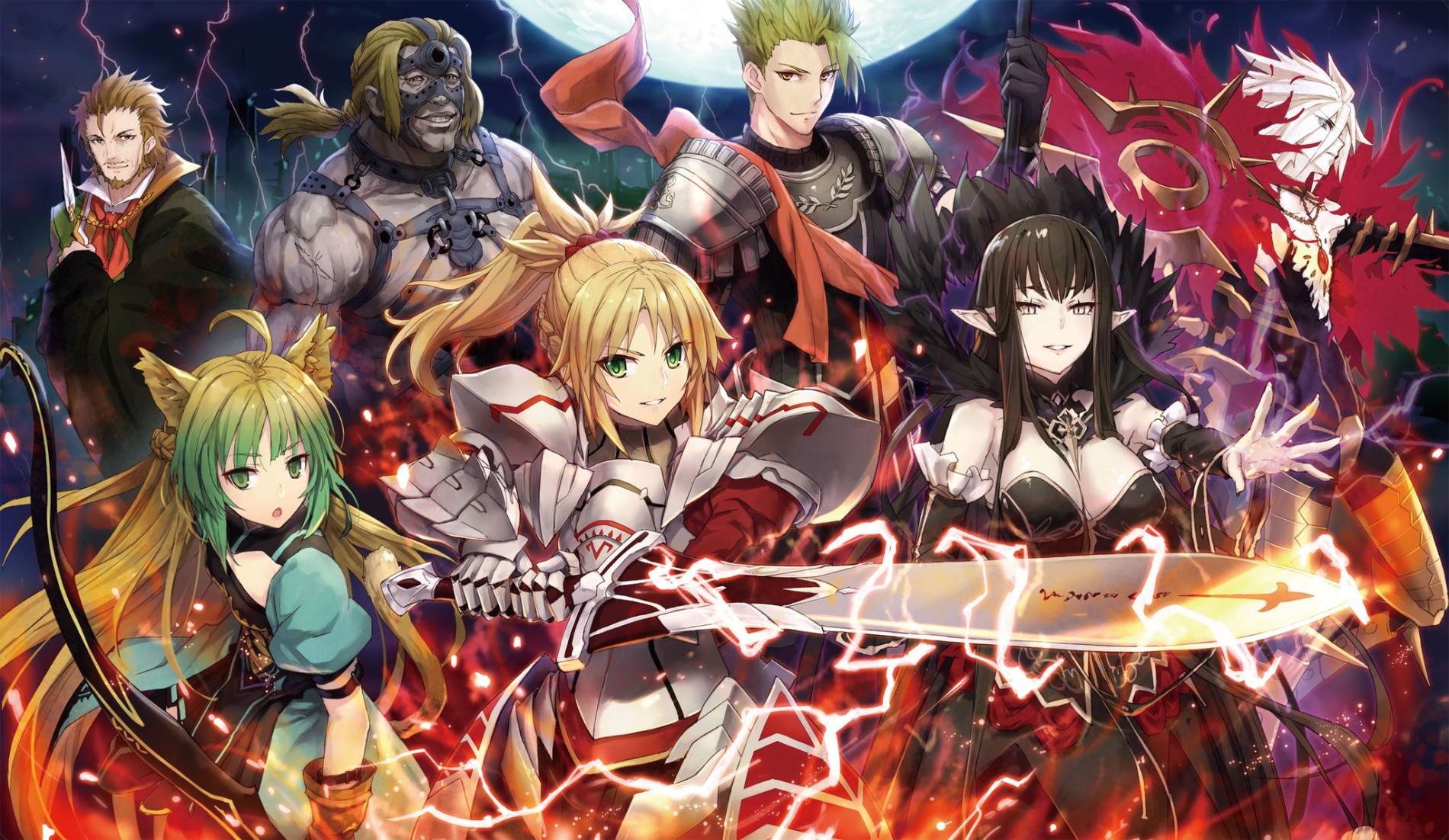
Fate/Apocrypha doesn’t trade in wonder for its own sake. Its atmosphere is sacred exhaustion: the bone-deep fatigue of warriors who remember dying centuries ago, the quiet dread of mages who’ve rewritten theology to justify genocide, the eerie stillness before a ritual that rewrites causality itself. It’s urban fantasy not as neon-lit alleyways, but as Gothic cathedrals repurposed into command centers, medieval heraldry stitched onto modern trench coats, and mythology weaponized—not quoted, not referenced, but wielded like a cursed relic. You don’t watch it to escape. You watch it to witness: how belief curdles into dogma, how war hollows out even the noblest ideals, and how a single act of mercy can detonate across timelines like a heresy made manifest.
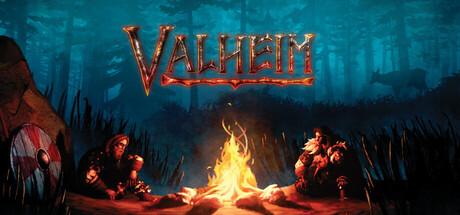
That emotional DNA—the reverence for myth as lived trauma, the tactical weight of spiritual warfare, the melancholy grandeur of doomed devotion—resonates sharply with Valheim. Its description calls it “a brutal exploration and survival game… set in a procedurally-generated purgatory inspired by viking culture.” Player review: “It’s like Minecraft but instead of punching trees you spend 40 minutes looking for the perfect tree, then a troll destroys your entire house, then yo…” That’s Apocrypha’s rhythm—meticulous preparation meeting sudden, mythic annihilation; building shrines to Odin while knowing the next boss fight may erase your entire saga from memory. Both treat folklore not as backdrop, but as physics: gods aren’t metaphors—they’re environmental hazards, moral weights, forces that reshape your world when provoked.
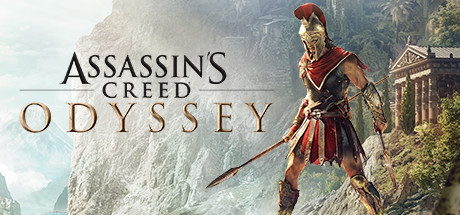
Then there’s Assassin's Creed™: Director's Cut Edition, described as redefining action by merging “impressive graphics and physics” with something deeper—tactical warfare rooted in real historical fractures. The player admits the models are “dated,” yet finds no issue—because the weight remains. Like Apocrypha, it treats religion not as costume, but as infrastructure: Templars and Assassins mirror Yggdmillennia and the Mages’ Association—ideological armies waging secret wars beneath the skin of history. The dated textures? They echo Apocrypha’s own visual paradox: ornate, baroque animation layered over a narrative that feels archaeologically old, like reading a forbidden grimoire whose ink still smudges.
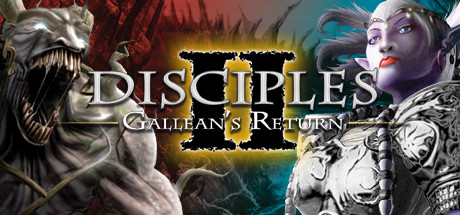
And Disciples II: Gallean's Return, labeled “a compilation edition” steeped in “Dark Fantasy” and “Tactical Warfare,” earns its fan’s declaration: “Best Disciples ever… Awesome atmosphere and gameplay!” Notice what’s praised—not mechanics alone, but atmosphere. Its grim, turn-based solemnity mirrors Apocrypha’s pacing: every move calculated, every sacrifice narratively sealed, every fallen hero resurrected not as a respawn, but as a liturgical event. There’s no reset button in Trifas—just like there’s no undo in Gallean’s Return. Loss is permanent. Legacy is carved, not saved.
Who loves this pairing? The person who replays the siege of Castle Rhoynar in Apocrypha not for the magic explosions, but for the way Jeanne d’Arc kneels mid-battle—not in prayer, but in recognition of the enemy’s shattered faith. The one who spends three hours in Valheim rebuilding a longhouse after a draug raid, not for efficiency, but because the act itself feels like penance. The player who boots up Assassin's Creed not for parkour, but to stand silent in Solomon’s Temple, staring at walls that whisper of covenants broken. And the strategist who pauses mid-turn in Disciples II, finger hovering over “Sacrifice Unit,” knowing the cost isn’t HP—it’s memory. These aren’t fans of fantasy. They’re devotees of consequence.
🎮27 Games That Match the Vibe






Match Dimensions Explained
❓Frequently Asked Questions
Why is Two Worlds II HD listed as similar to Fate/Apocrypha?
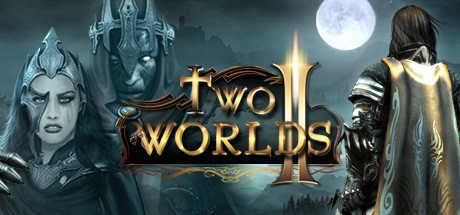
Because both lean hard into Dark Fantasy with morally grey mages, ancient grudges, and world-shaking magical duels—like when you play as a rogue spellcaster in Two Worlds II HD hunting down corrupted artifacts, echoing the mage wars and Saint Graph mechanics of Apocrypha. It’s not about the visuals (the PC port’s famously buggy), but that same weighty, lore-dense sorcery vibe—even if it runs smoother on Steam Deck than your gaming rig.
Is there a Fate/Apocrypha game adaptation?
No—there’s no official Fate/Apocrypha video game adaptation. But if you’re craving that same blend of tactical magical warfare and factional rivalries, Disciples II: Gallean's Return nails it: think Ruler-class command decisions, turn-based battles where characters like Gallean or Karna-esque champions clash on hex-based maps, and that oppressive, gothic-Dark-Fantasy atmosphere fans love from the anime’s Greater Grail War.
Valheim vs. Assassin’s Creed Director’s Cut: which feels more like Fate/Apocrypha?
Assassin’s Creed Director’s Cut Edition—despite its dated textures—hits closer with its Tactical Warfare dimension and stealthy, mission-driven confrontations reminiscent of Shirou’s early fights or Mordred’s ambushes. Valheim leans Mythology & Folklore (Norse sagas, not Holy Grails), and while its boss fights have epic scale, they lack Apocrypha’s character-driven duels and narrative weight—plus, no Servants, no Command Spells, just very angry trolls.
What’s the best Fate/Apocrypha-like game for someone who loves brooding mages and political intrigue?
Disciples II: Gallean's Return is your pick—it’s got layered faction politics (Light vs. Shadow, much like Red vs. Black), grim Dark Fantasy tone, and deep tactical combat where each hero—say, a necromancer general or a fallen paladin—feels like a Servant with unique abilities and lore weight. Players call it 'the best Disciples ever' precisely because it balances grim atmosphere and strategic depth without dumbing down the stakes.