
Counter-Strike: Condition Zero
With its extensive Tour of Duty campaign, a near-limitless number of skirmish modes, updates and new content for Counter-Strike's award-winning multiplayer game play, plus over 12 bonus single player missions, Counter-Strike: Condition Zero is a tremendous offering of single and multiplayer content.
🎮Game Details
💬What Players Say
"The ultimate 2000s time capsule that proved Counter-Strike could be a brilliant single-player game. For a generation of gamers who grew up with unreliable dial-up internet, strict household screen-time rules, or computers that simply couldn't handle the jump to Source, Counter-Strike: Condition Zero was an absolute godsend. It is a beautifully unique piece of Valve history that transformed a hardcore, online-only multiplayer sweat-fest into a deeply comforting, accessible single-player experience...."
"An often forgotten about entry in the Counter-Strike franchise; still worth picking up today as it is unique for being the only Counter-strike game to have a single player campaign. The campaign is pretty fun and challenging in its own right, included with CZ in a separate app called 'Deleted Scenes'. Its pretty linear but with scripted sequences, voice acting, the whole nine yards, and lets you play around with a ton of unique gadgets never seen anywhere else in the series...."
"What could have been one of Valve's lesser-known good games quickly becomes an exercise in mental torture. At first, I was impressed that someone had actually bothered to create a host of offline missions in which you take control of a commander leading a squad of counter-terrorism units, and while this can hardly be called a single player campaign, it's probably the next best thing. It's literally just offline Counter-Strike matches, except there are a few challenges per mission you must satisfy...."
📝Editorial Analysis
The flicker of a dial-up modem’s handshake tone—that low, anxious whine—still echoes in my ears when I boot up Counter-Strike: Condition Zero. Not from the game itself, but from the memory it triggers: sitting cross-legged on a carpeted floor at 2 a.m., waiting six minutes for a single mission to load off the scratched DVD, while the household slept and the router blinked like a tired sentry. That’s the opening frame—not gunfire, not smoke, but waiting. The official description promises “an extensive Tour of Duty campaign” and “over 12 bonus single-player missions”; the player reviews call it “the ultimate 2000s time capsule” and “an exercise in mental torture.” And they’re both right. It’s not the difficulty that grinds—it’s the deliberateness: the way a single bot reloads behind cover just as you peek, how a door creaks open three seconds too late, how your own breath catches when the radio crackles “Hostiles approaching—sector 7” and you realize no one’s coming to help. This isn’t cinematic spectacle. It’s tactile tension, built on scarcity—of bandwidth, of ammo, of trust.

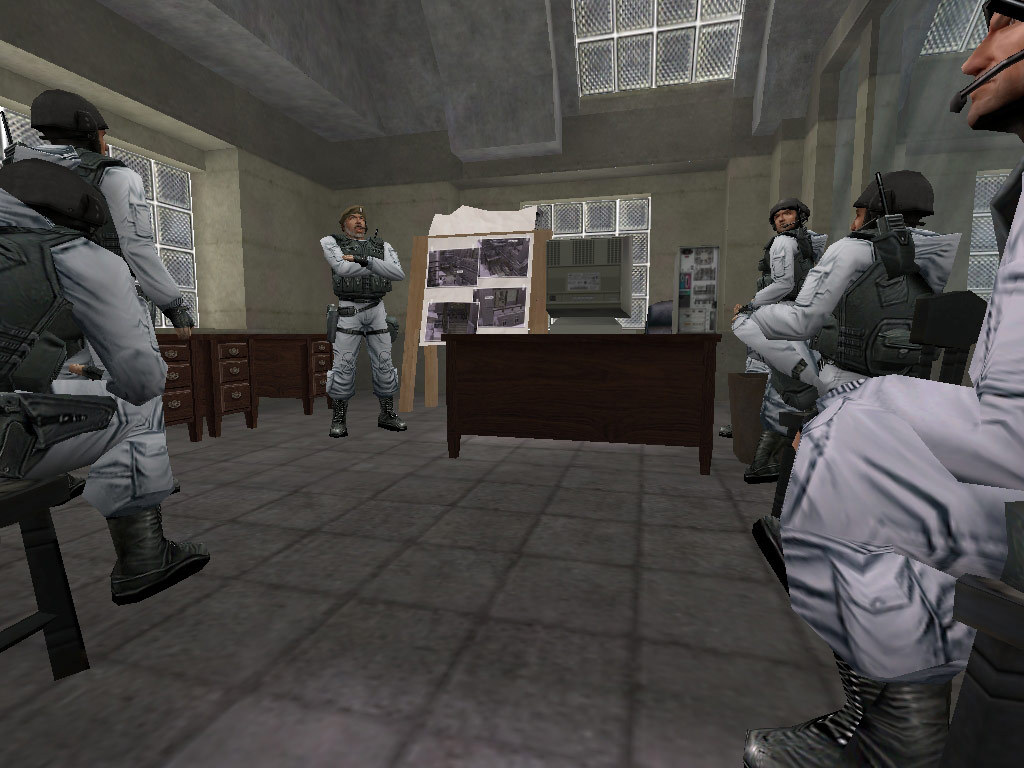
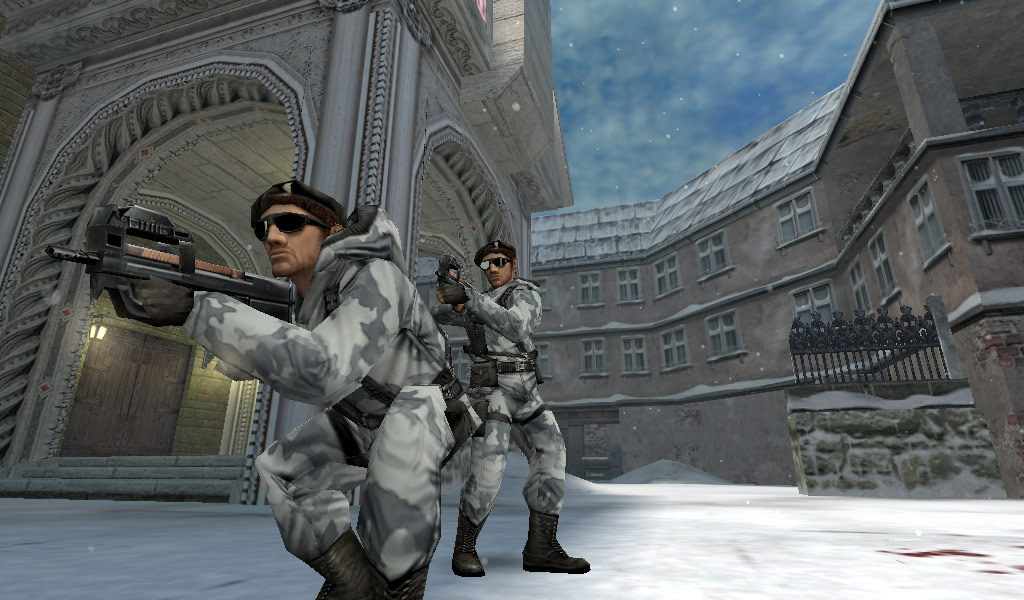
What makes Counter-Strike: Condition Zero’s atmosphere singular isn’t its realism or its gunplay—it’s the weight of self-reliance. You’re never part of a squad; you’re a node in a crumbling network, improvising with duct-taped gear and half-loaded clips. There’s no HUD telling you where enemies are, no auto-aim, no respawn timers—just your pulse, your mouse hand sweating, and the slow, grinding realization that every decision is yours alone. It makes you think about consequence—not in terms of story arcs, but in millisecond trade-offs: suppress fire or flank? Conserve grenades or clear the stairwell now? It’s not adrenaline; it’s dread with purpose. The reviews nail it: “proved Counter-Strike could be a brilliant single-player game,” yes—but only if you accept that brilliance lives in exhaustion, repetition, and the quiet pride of surviving one more round without netcode or mercy.
That same DNA pulses through BLUE LOCK THE MOVIE -EPISODE NAGI-, where Nagi’s solo run across the pitch isn’t about flash—it’s about crafting space with micro-adjustments, reading angles like bullet trajectories, turning opponents’ momentum against them like ricochet physics. Both share Competitive Spirit and Survival & Crafting: not survival as escape, but as ongoing construction—of advantage, of rhythm, of identity under pressure. Then there’s Bubble, where gravity fails and characters must build movement mid-air—ropes, rebounds, split-second grips—mirroring Condition Zero’s level design: every corridor a puzzle box, every crate a potential shield or trap. Here, Survival & Crafting isn’t metaphorical; it’s literal physics bending to will. And Attack on Titan Final Season THE FINAL CHAPTERS Special 1 lands with the same gut-level resonance: the ODM gear isn’t just equipment—it’s tactical grammar, each swing, grapple, and pivot a calculated risk in real time, echoing Condition Zero’s unflinching demand for spatial literacy and consequence-aware action. No hand-holding. No retcons. Just Tactical Warfare, adult stakes, and the dark, unblinking focus of people who’ve stopped believing in luck.
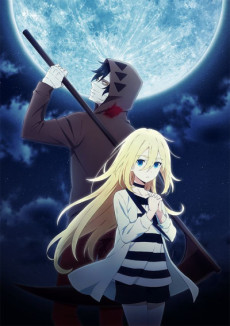
This pairing speaks to the person who keeps their headset cord wrapped tight—not for convenience, but because they remember what it felt like to earn connection. It’s for the viewer who watches Angels of Death not for jump scares, but for the way Rachel measures door gaps before stepping forward, or who replays Fate/stay night [Heaven's Feel] I. presage flower’s hospital corridor scene not for romance, but for Shirou’s trembling hands recalibrating his entire moral architecture mid-combat. They don’t crave polish—they crave texture: the grit of a misfired grenade, the echo of footsteps in an empty hangar, the silence after a boss falls and you’re still holding your breath because the next wave hasn’t spawned yet—and you know it will. They love games and anime where victory isn’t shouted, but exhaled, long and shaky, in the dim light of a monitor that’s been on too long.
→47 Anime That Match the Vibe
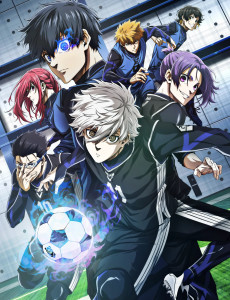
Nagi’s weary “That’s a hassle” echoes the exhausted precision of Condition Zero’s Tour of Duty—where every checkpoint demands split-second adaptation under fire. Unlike most sports narratives, *BLUE LOCK THE MOVIE -EPISODE NAGI-* leans into claustrophobic tension and tactical recalibration mid-match, mirroring how Condition Zero’s skirmish modes force relentless survival & crafting of advantage from chaos. This resonance isn’t about victory alone—it’s the shared, grinding weight of competitive spirit forged in high-stakes, moment-to-moment recalibration.
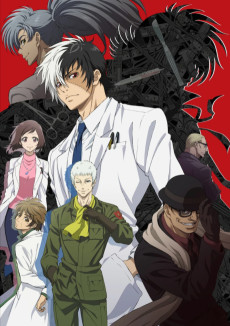
Build, survive, thrive — the satisfaction of carving out your place in a hostile world.
Build, survive, thrive — the satisfaction of carving out your place in a hostile world.

Build, survive, thrive — the satisfaction of carving out your place in a hostile world.

Gravity fractures in Tokyo’s ruins just as bullets fracture silence in Condition Zero’s abandoned warehouses—both worlds demand split-second adaptation to unstable physics. Where Bubble’s Uta and Rikuo craft meaning through levitating parkour, Tour of Duty’s lone operatives craft survival from scavenged gear and shifting cover. This shared dimension of *Survival & Crafting* transforms chaos into agency: not mastery over reality, but intimate, tactile negotiation with its broken rules.
Connected through 2 aesthetic dimensions.
Connected through 2 aesthetic dimensions.
![Fate/stay night [Heaven's Feel] I. presage flower](https://s4.anilist.co/file/anilistcdn/media/anime/cover/medium/bx20791-yPCX5GJuMH2k.png)
A rain-slicked alley in *Condition Zero*’s “Operation: Phoenix” mirrors Shirou’s desperate, close-quarters duel with True Assassin—both hinge on split-second tactical decisions under suffocating pressure. Unlike most military shooters or fantasy epics, they fuse 🎯 Tactical Warfare with 🖤 Adult & Dark Seinen: every reload, every spell chant, every moral compromise carries irreversible weight. That resonance isn’t superficial—it’s the shared exhaustion of competence earned through relentless, unglamorous survival.
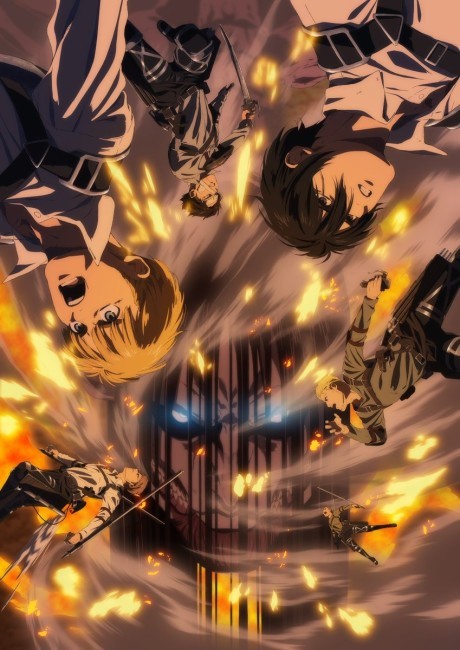
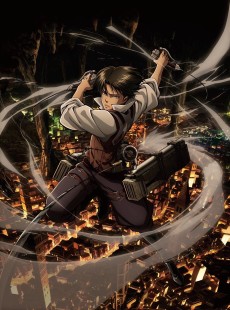
Eren’s Colossal Titan siege on Liberio—where rubble becomes both weapon and barricade—mirrors Condition Zero’s Tour of Duty: a relentless, terrain-scarred grind where every cover point is earned, not given. 🛠️ Survival & Crafting pulses through both: soldiers jury-rig defenses amid collapsing buildings; Eldians repurpose Titan flesh into war machines. Unlike most tactical shooters or shōnen epics, neither offers clean victories—only grim calculus, exhausted choices, and the weight of consequence in every bullet fired or coordinate calculated.
Connected through 2 aesthetic dimensions.


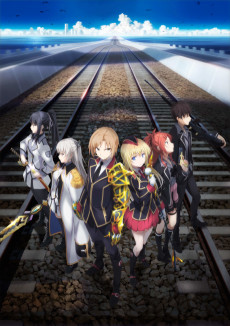
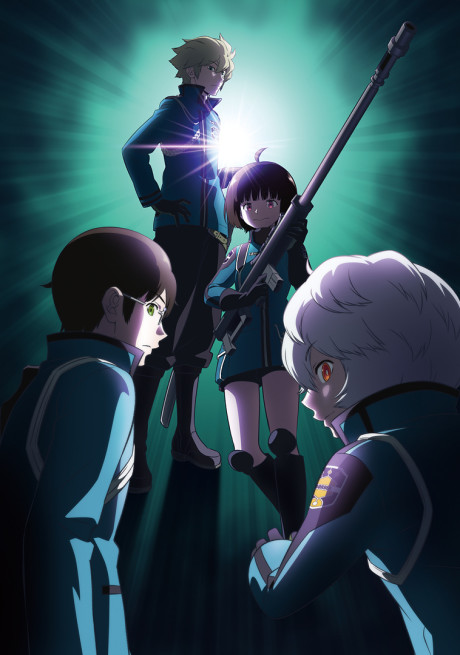
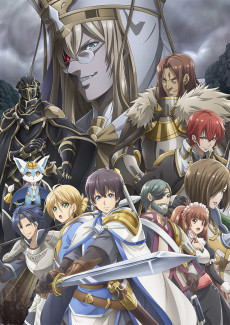
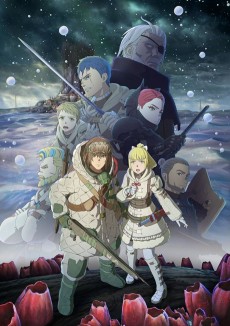
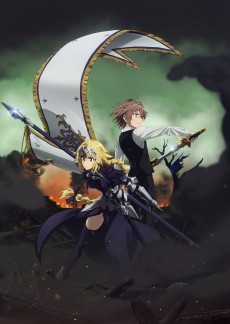

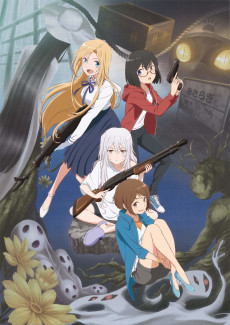
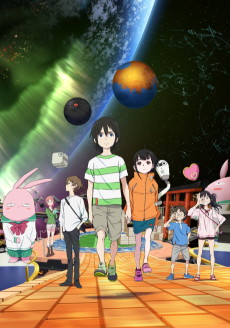

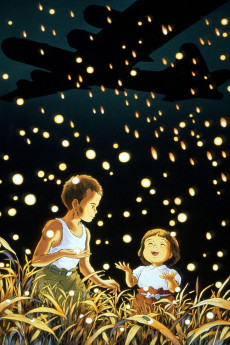


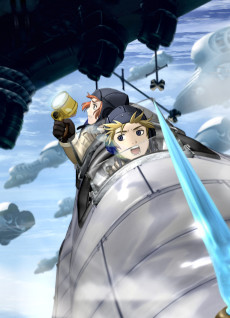
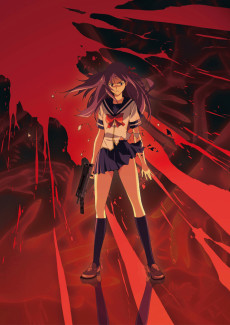


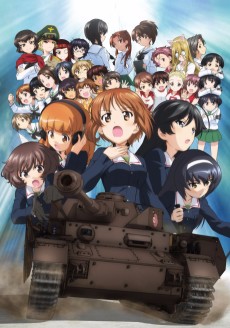
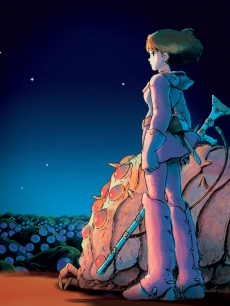

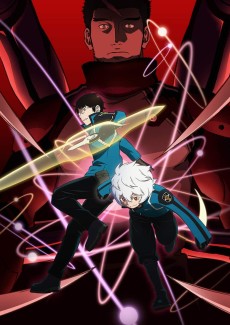
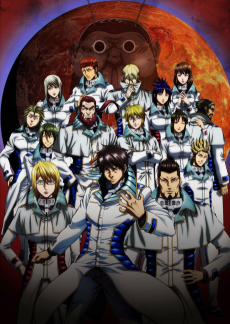

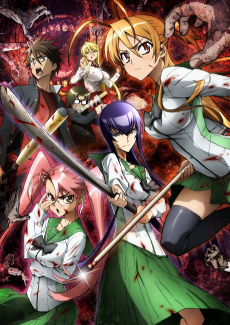

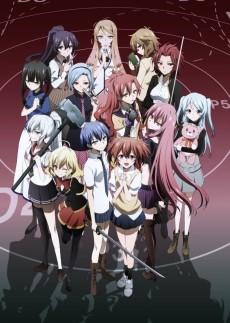


Match Dimensions Explained
❓Frequently Asked Questions
Why does BLUE LOCK THE MOVIE -EPISODE NAGI- match Counter-Strike: Condition Zero despite being a soccer anime?
Because both hinge on hyper-competitive, high-stakes scenario-based progression—like Nagi’s solo infiltration of the Blue Lock facility mirroring Condition Zero’s Tour of Duty missions where you’re constantly adapting tactics under pressure. The 'Competitive Spirit' and 'Survival & Crafting' dimensions line up hard: think Nagi improvising traps and feints just like you’d jury-rig cover or reload mid-firefight in Condition Zero’s single-player skirmishes.
Is there an anime adaptation of Counter-Strike: Condition Zero?
No—there’s never been an official anime adaptation of Condition Zero (or any CS game, for that matter). But if you’re craving that same vibe—tense, grounded tactical combat with offline mission structure—Attack on Titan Final Season THE FINAL CHAPTERS Special 1 nails it: Levi’s squad executing precise, multi-phase urban assaults feels like playing through Condition Zero’s bonus single-player missions with zero respawns and real consequence.
How does Angels of Death compare to Fate/stay night [Heaven's Feel] I. presage flower for Condition Zero fans?
Angels of Death leans harder into the ‘Survival & Crafting’ grit—Rachel scavenging tools and solving environmental puzzles in blood-smeared basements mirrors Condition Zero’s resource-scarce, trial-and-error skirmish modes. Meanwhile, presage flower delivers more ‘Tactical Warfare’ tension: Shirou’s desperate, real-time spell-countering in the Emiya Manor siege plays like a boss fight straight out of Condition Zero’s campaign—tight spaces, limited ammo (mana), and zero room for error.
What’s the best anime like Counter-Strike: Condition Zero if I want that 2000s dial-up-era, offline-mission grind vibe?
Bubble is your pick—it’s literally built around isolated, physics-driven survival in a broken world, where characters craft gear and improvise under constant threat, just like booting up Condition Zero’s skirmish mode on a CRT monitor with no internet. That nostalgic, self-contained intensity? It’s right there in the opening sequence where the protagonist recalibrates oxygen tanks mid-fall—no hand-holding, just skill, setup, and consequence.