![Fate/stay night [Heaven's Feel] I. presage flower](https://s4.anilist.co/file/anilistcdn/media/anime/cover/medium/bx20791-yPCX5GJuMH2k.png)
Fate/stay night [Heaven's Feel] I. presage flower
The first film in a trilogy adaptation of the third route of the popular visual novel: Fate/stay night.
10 years after the Holy Grail War—a battle waged by Masters and Servants over the wish-granting container, the Holy Grail—another war breaks out in Fuyuki City. Shirou Emiya—the adopted son of Kiritsugu Emiya, a participant of the previous Holy Grail War—is leading a peaceful life with people dear to him. Especially close to him is his underclassman Sakura Matou, who brings kindness into his otherwise lonely life. But once the Holy Grail War starts, Shirou’s peaceful life is sundered.
(Source: Aniplex of America)
📺Anime Details
📝Editorial Analysis
Rain slicks the pavement of Fuyuki City like spilled ink—cold, thick, and clinging. Shirou Emiya stands beneath a flickering streetlamp, breath shallow, knuckles split and raw, staring at Sakura Matou’s trembling hand as it brushes against his sleeve—not in affection, but in quiet, terrified recognition. Her fingers don’t linger. They pull back. The light catches the faint, almost invisible crack in her wrist—a fracture hidden under skin, a wound no one else sees. That moment isn’t about magic or war. It’s about the unbearable weight of holding someone together while feeling your own bones hollow out.
![Fate/stay night [Heaven's Feel] I. presage flower banner](https://s4.anilist.co/file/anilistcdn/media/anime/banner/20791-oJEIboUcTf4o.jpg)
This isn’t urban fantasy as spectacle—it’s urban fantasy as pressure. Fate/stay night [Heaven's Feel] I. presage flower wraps myth and swordplay in suffocating silence: the hum of refrigerators in quiet apartments, the muffled sound of Sakura’s footsteps down stairs at 3 a.m., the way Kiritsugu’s old coat still smells faintly of gunpowder and rain. It makes you feel dread, yes—but also tenderness so sharp it bleeds, loyalty that curdles into complicity, and love that looks dangerously like rescue. It doesn’t ask what would you wish for? It asks what would you break to keep someone whole? And it lingers—not on answers, but on the tremor in a voice before the lie begins.
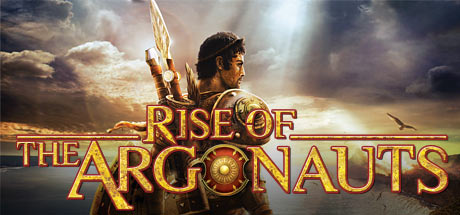
That emotional gravity finds echoes in games that treat mythology not as backdrop, but as burden. Rise of the Argonauts, with its King Jason vowing to do anything to restore her life after his fiancée’s murder, shares the same suffocating devotion—the kind that hollows out ethics one vow at a time. The player review notes it “does [ancient history] right”—and what it does right is replicate that weight: every choice feels less like strategy and more like erosion. Like Shirou choosing to ignore Sakura’s flinches, Jason chooses to bargain with gods who demand blood he can’t unspill. Both stories coil around a single, shattering loss—and the slow, irreversible cost of refusing to let go.
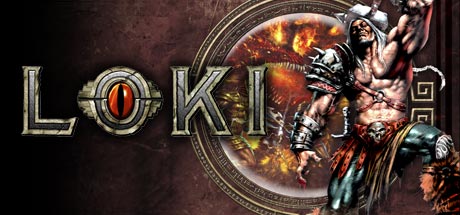
Then there’s Loki, where players step into heroes “drawn from a different mythology”—not as archetypes, but as fractured vessels carrying inherited trauma. The review calls it “similar to Diablo… but filled with annoying glitches and game crashes.” That dissonance—grand mythic framing undercut by instability, by systems failing mid-quest—mirrors presage flower’s own structural unease: the Holy Grail War isn’t a clean tournament; it’s a rot spreading through Fuyuki’s foundations, warping memory, twisting bloodlines, glitching reality itself. When Sakura’s smile flickers just a half-second too long—or when Shirou’s arm burns with borrowed power he doesn’t understand—the game-like glitch isn’t technical failure. It’s narrative truth: something fundamental is broken, and the world hasn’t patched it yet.
Even STAR WARS™ Jedi Knight - Jedi Academy™, with its Padawan thrust into a “Galaxy-spanning adventure to help…”—that ellipsis in the review is telling. The description cuts off, just as presage flower refuses catharsis. There’s no triumphant lightsaber clash here—only a student learning that mastery means watching your mentor’s ideals collapse, then deciding whether to rebuild or burn the temple down. The review doesn’t mention combat stats or force powers—it mentions forging. And in Fuyuki, Shirou doesn’t forge swords—he forges silences, excuses, promises he knows he’ll fail.
You’d love these pairings if you’ve ever held your breath during a quiet scene, waiting for the other shoe to drop—not because you want drama, but because you recognize that stillness as the moment before everything fractures. If you replay a game not for loot, but to hear a character sigh just once more. If you pause anime frames to study the way light falls across a bruise, or how a character’s shadow stretches too far down the hall. This isn’t about liking “dark” things—it’s about trusting art that treats love and loyalty as physical forces, heavy enough to warp time, twist blood, and make rain feel like falling ash. You don’t watch or play to escape. You do it to remember how deeply trembling feels—how real, how necessary, how human.
🎮51 Games That Match the Vibe







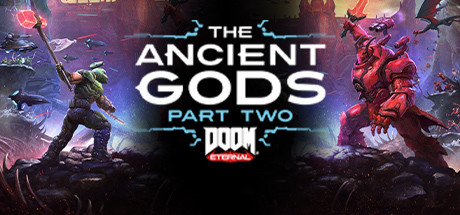
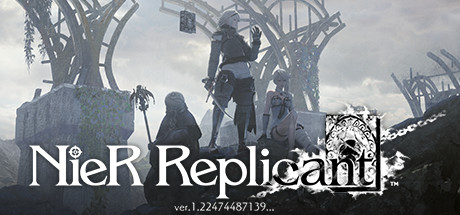
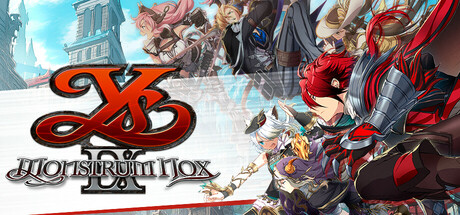
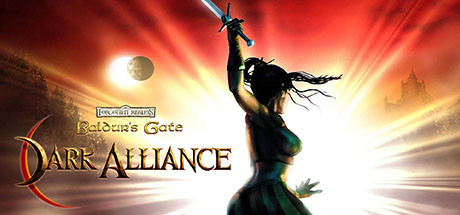

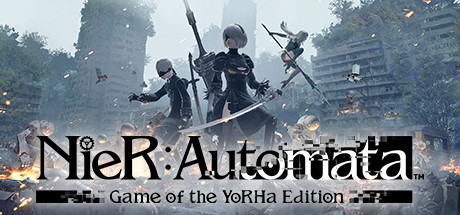

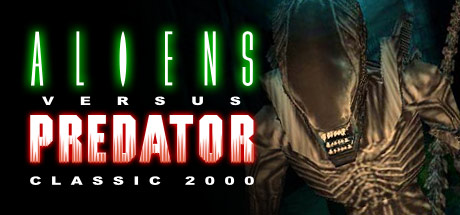
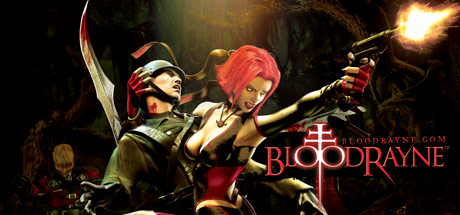
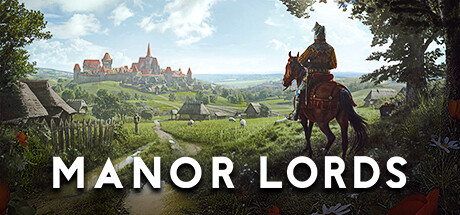

Match Dimensions Explained
❓Frequently Asked Questions
Why is Rise of the Argonauts listed as similar to Fate/stay night [Heaven's Feel] I. presage flower?
Because both lean hard into tragic, emotionally charged adult storytelling with mythic weight—Jason’s grief-driven quest to resurrect his murdered fiancé mirrors Shirou’s desperate, morally fraught choices for Sakura in the Heaven’s Feel route. The ‘Adult & Dark Seinen’ dimension matches perfectly, and reviewers even call it 'a dark, character-driven mythic tragedy'—just like presage flower’s intimate, sorrowful tone amid magical spectacle.
Is there a visual novel or game adaptation of Heaven’s Feel that’s actually playable like presage flower?
No—presage flower *is* the official, fully playable visual novel adaptation (the first part of the Heaven’s Feel trilogy). While games like STAR WARS™ Jedi Knight - Jedi Academy share its ‘Adult & Dark Seinen’ dimension and intense personal stakes (e.g., your Padawan’s moral choices echoing Shirou’s path), none adapt Heaven’s Feel directly. It’s still just this VN—and its sequels—no action-game retelling exists.
How does Loki compare to Rise of the Argonauts for someone who loved presage flower’s emotional weight and mythic atmosphere?
Loki falls short on emotional depth—it’s more about surface-level myth-hopping (Norse, Egyptian, etc.) with shallow characters and an anticlimactic ending, per player reviews. Rise of the Argonauts, by contrast, centers Jason’s raw grief and vow—mirroring presage flower’s intimacy—and nails the ‘Mythology & Folklore’ + ‘Adult & Dark Seinen’ combo with far more narrative heft and critical praise (83 vs. Loki’s 82, but with way better execution).
What’s the best game like presage flower if I want that same melancholy, fate-heavy vibe but with survival tension instead of pure VN pacing?
Valheim nails the brooding, myth-soaked atmosphere—its procedurally generated purgatory, inspired by Viking lore and Odin’s judgment, evokes the same sense of doomed grandeur and quiet sorrow as presage flower’s shadowed Sakura route. You won’t get dialogue trees, but the loneliness, environmental storytelling (like stumbling upon ruined longhouses), and constant struggle against overwhelming odds channel that same ‘fate pressing down’ feeling—just with trolls instead of Servants.