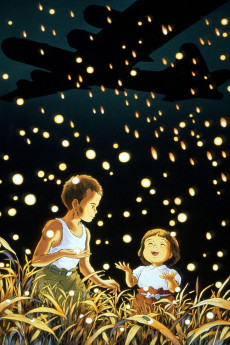
Grave of the Fireflies
In the aftermath of a World War II bombing, two orphaned children struggle to survive in the Japanese countryside. To Seita and his four-year-old sister, the helplessness and indifference of their countrymen is even more painful than the enemy raids. Through desperation, hunger and grief, these children's lives are as heartbreakingly fragile as their spirit and love is inspiring.
(Source: Sentai Filmworks)
📺Anime Details
📝Editorial Analysis
The rice ball—small, wrapped in vine leaves, glowing faintly in the dim light of a borrowed attic—isn’t food anymore. It’s a ritual. Seita unwraps it with trembling fingers, breaks it in half, and places the larger piece into Setsuko’s palm. She doesn’t eat it right away. She holds it like something sacred, her eyes wide and quiet, already learning that hunger isn’t just emptiness—it’s the slow erosion of time, of safety, of enough. That moment isn’t loud. There’s no music swell, no dramatic cutaway—just the rustle of dry leaves, the distant drone of cicadas, and the unbearable weight of a child pretending to be whole.
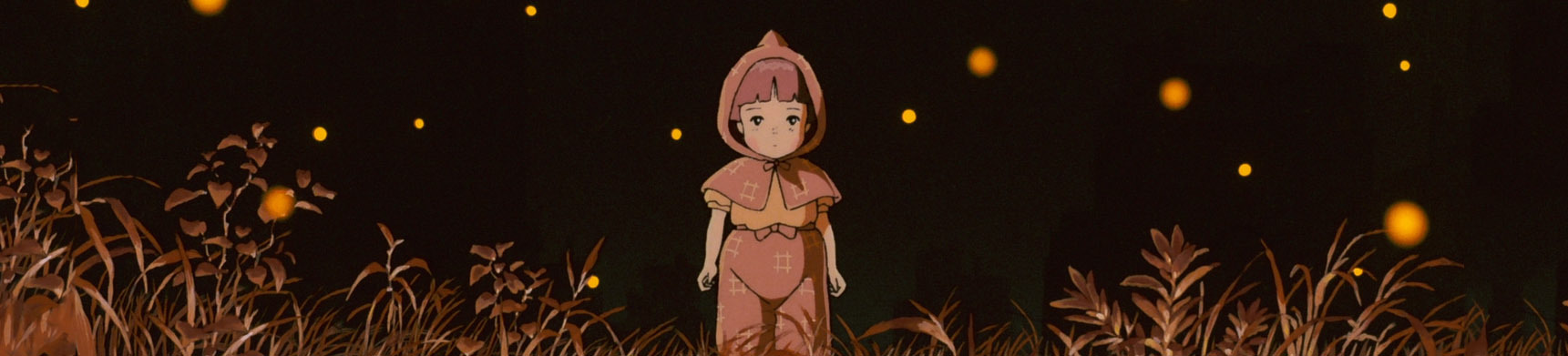
What makes Grave of the Fireflies ache so deeply isn’t its wartime setting or even its tragedy—it’s the stillness inside the devastation. This isn’t a story about battles won or ideologies fought; it’s about the hollow echo after the last adult has turned away, the way silence becomes louder than sirens when no one answers your knock. You don’t feel heroic watching Seita barter his mother’s kimonos for rice—he’s too small, too polite, too certain that if he tries hard enough, he can rebuild home from memory alone. The film doesn’t judge him. It holds space for his dignity while letting you feel how fragile it is—how easily love curdles into exhaustion, how quickly tenderness bends under the weight of not enough. It makes you think about care as labor, about childhood as a condition that evaporates not with age—but with the first time you realize no one is coming to fix it.
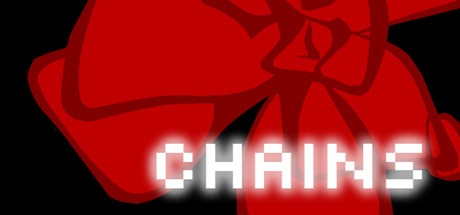
That same emotional gravity echoes—not in spectacle, but in absence—in Chains, the match-3 arcade game where physics-driven bubbles resist easy connection. Its description calls it “relaxing,” yet player reviews reveal something quieter: “link 3 or more… clear enough till you can proceed.” There’s no grand narrative, no character arcs—just the persistent, gentle pressure of needing to clear just one more chain to survive the next stage. Like Seita rationing rice grain by grain, the game mirrors the exhausting arithmetic of survival: minimal input, maximal consequence, repeated effort with diminishing returns. The emotional DNA isn’t in war or loss—it’s in the relentless smallness of trying to hold things together when the rules keep shifting beneath you.
Then there’s Space Trader: Merchant Marine, described as an “open world trading colony sim wrapped in a shooter,” where you “buy low, sell high, bribe, and place well-placed bullets.” But the player review cuts deeper: “a funny little game… where you try to do some mini fetch quests.” That phrase—mini fetch quests—lands with startling resonance. Setsuko’s entire existence becomes a series of tiny, urgent errands: find water, gather fireflies, hide the tin of candy, bury the ashes of her mother’s uniform. There’s no quest log, no XP reward—just the quiet, grinding necessity of getting through today. The game’s tonal dissonance—calling something desperate and resource-scarce “funny”—mirrors how Grave of the Fireflies lets Setsuko laugh while clutching a hollow melon rind like a doll. Both works frame survival not as epic struggle, but as absurd, tender, stubborn routine.
Even Counter-Strike, often reduced to tactical gunfire, carries a sliver of this truth—in its player review: “Wasted ‘half’ my life in this game… highly recommended.” Not for victory, but for time spent. For the sheer, unglamorous duration of showing up, round after round, in a world that offers no resolution—only repetition, adaptation, and the slow accrual of fatigue. Like Seita walking miles to beg for rice, only to be handed silence at the door, the game’s endurance isn’t heroic—it’s human. It’s the weight of continuing because stopping feels like surrender, even when no one is watching.
These pairings aren’t for people who want catharsis or closure. They’re for the ones who recognize grief not as a climax, but as weather—something you learn to move through, adjust your collar against, carry quietly. They’re for viewers who pause mid-scene to count how many times Setsuko blinks before she cries. For players who replay the same level three times not to win—but to see if this time, the bubble will land just so, and for one breath, nothing will fall apart. For anyone who’s ever held something small and precious in their hands, knowing it wouldn’t last—and loved it anyway.
🎮23 Games That Match the Vibe
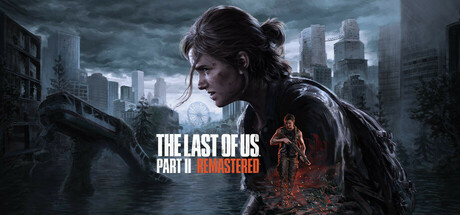









Match Dimensions Explained
❓Frequently Asked Questions
Why does Dragon Age: Origins get recommended for fans of Grave of the Fireflies?
Because both center on intimate, morally weighty choices amid overwhelming societal collapse—like when Alistair or Loghain must be sacrificed during the Landsmeet, echoing Seita’s desperate, flawed decisions to protect Setsuko. The emotional narrative dimension (score 68) and player reviews praising its story depth make it a rare RPG that sits with you long after the credits.
Is there a video game adaptation of Grave of the Fireflies?
No—there’s never been an official video game adaptation of Grave of the Fireflies. While games like Chains and Space Trader share its ‘Emotional Narrative’ dimension, they’re original stories; none recreate the film’s plot, characters, or wartime Kobe setting. Even niche visual novels or historical sims haven’t licensed or directly adapted it.
How does Chains compare to Dragon Age: Origins for emotional storytelling?
Chains leans into quiet, meditative emotion through minimalist mechanics—linking color-matched bubbles feels like tending fragile routines, much like Seita arranging rice balls for Setsuko—but it lacks dialogue, characters, or branching stakes. Dragon Age: Origins, by contrast, delivers layered grief and sacrifice through named companions (Morrigan, Leliana) and consequential choices, earning its ‘Emotional Narrative’ tag with far more narrative heft (score 68 vs Chains’ 82 in that same dimension).
What’s the best game like Grave of the Fireflies if I want that slow, heavy, melancholy atmosphere?
Chains is your strongest match—it’s not about war or dialogue, but its gentle, physics-driven bubble-linking loop creates a hushed, contemplative rhythm, like watching fireflies fade one by one. With an 82 score in Emotional Narrative (the highest on the list) and reviews calling it ‘relaxing’ and ‘simple in nutshell,’ it mirrors the film’s tone through pacing and restraint, not plot.