
Black Bullet
The Gastrea virus spreads like wildfire, causing each infected host to rapidly mutate, gaining new powers and abilities with every stage of development, even while they continue to attack, kill and infect multiple new hosts. Unable to fight a pandemic enemy that turns defenders into adversaries, the shocked remnants of the human race are forced to retreat into cities surrounded by giant monoliths made of Varanium, one of the few materials that can stop the Gastrea. Now mankind's last hope lies in the Cursed Children: young girls infected with the virus who have managed to retain a hold on their humanity. Paired with a partner, they alone have the strength to take on a Gastrea in one-on-one combat. But the very thing that gives them power is a ticking time bomb, so even as they protect humanity, they are also feared and shunned. Are they Girls? Monsters? Or Mankind's Ultimate Salvation?
(Source: Sentai Filmworks)
📺Anime Details
📝Editorial Analysis
Rain lashes the Varanium monoliths—not like weather, but like a desperate thing, hammering at the last walls between humanity and the Gastrea. You see it in the opening shot: a child’s hand, small and trembling, pressed against the cold, scarred surface of the barrier—fingertips smudged with grime and something darker, something that pulses, faintly, beneath the skin. That pulse isn’t heartbeat. It’s infection. It’s time running out.
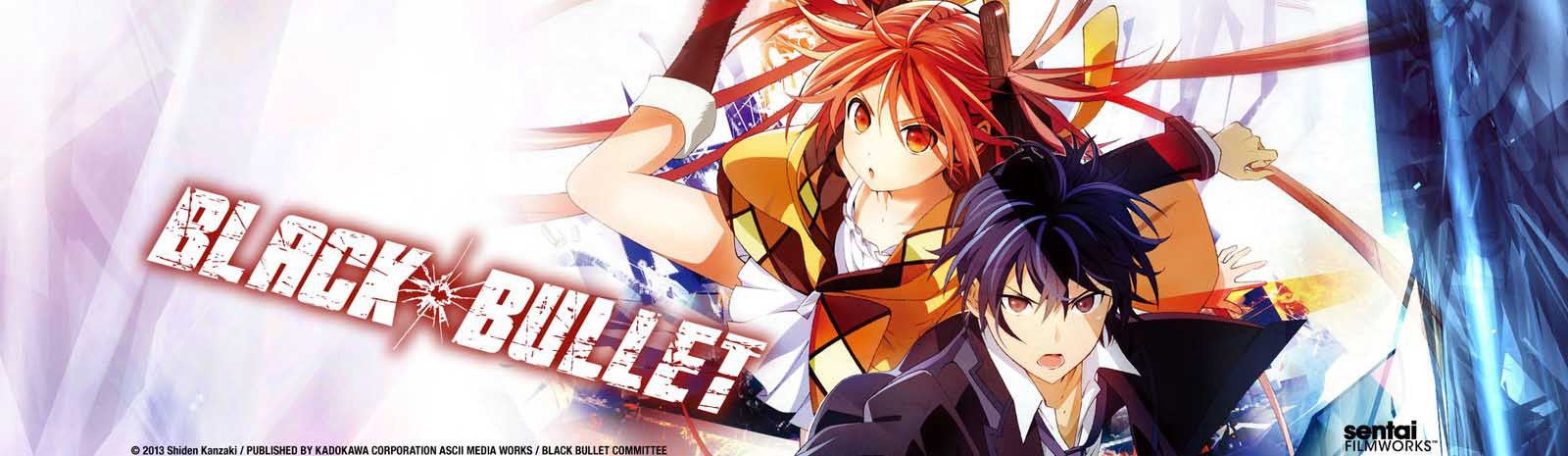
This isn’t just post-apocalyptic dread—it’s fractured hope. Black Bullet doesn’t trade in grand last stands or clean victories. It lives in the choke point between survival and surrender: soldiers who reload mid-scream, girls whose bodies are weapons and wounds, commanders issuing orders while their own veins glow with Stage 1 contagion. The air hums with exhaustion—not fatigue, but the weight of carrying memory when every new sunrise risks revealing someone you love as the enemy. You don’t feel heroic here. You feel responsible, hollowed-out, clinging to protocol like scripture because the alternative is watching your sister’s eyes turn black and hungry—and knowing you’re the one holding the gun.
That emotional DNA—the quiet horror of intimacy weaponized, the tactical calculus of trust in a world where loyalty bleeds into liability—echoes in unexpected places. Take Chains, scored 82, tagged Survival & Crafting, Emotional Narrative. Its description calls it “a relaxing arcade match 3 casual game” where you “link adjacent bubbles… clear enough till you can proceed.” But read the player review: “Reminds me of connect 4 in nutshell. Basically link 3 or more of the same color and clear enough till you can proceed and hit the next stage.” That rhythm—link, clear, proceed, repeat—mirrors Black Bullet’s relentless pacing: no catharsis, only containment. Every cleared chain is another barricade reinforced, another infected quarantined, another breath bought—not won. The calm surface hides the tremor underneath. It’s not about winning. It’s about not collapsing long enough to see tomorrow.
Then there’s Dragon Age: Origins, rated 65 for Emotional Narrative, Tactical Warfare. Its description asks: “What will be said about the hero who turned the tide against the darkspawn?”—a question that lands like a stone in Black Bullet’s throat, because here, no one turns the tide. You fight in squads, yes—but the player review nails it: “its pause attack mechanic is amazing… help a lot to strategist your tactic.” That pause. That deliberate, breath-held moment before the order is given—“Engage,” “Fall back,” “Shoot her now”—is where Black Bullet lives. Not in spectacle, but in the silence between commands, where every decision fractures relationships, where saving one life might doom ten, and where “tactic” means choosing which grief you’ll carry home.
Even Counter-Strike, at 52 for Survival & Crafting, Tactical Warfare, resonates—not through its realism or its terrorism framing, but through its player review: “Wasted ‘half’ my life in this game, plan to waste other half too.” That devotion isn’t to victory. It’s to ritual. To the muscle memory of reloading behind cover, the shared glance across a dusty server lobby, the unspoken pact that we hold this line, again and again, even when the scoreboard says otherwise. In Black Bullet, the military isn’t glorious—it’s habitual, worn smooth by repetition, grief, and stubborn, grinding persistence. You don’t win Counter-Strike matches—you survive them. Just like you don’t “beat” the Gastrea. You endure another rotation. Another shift. Another name added to the memorial wall outside the barracks.
Who loves these pairings? Not the seeker of power fantasies or tidy resolutions. It’s the person who watches Black Bullet and feels the sting of Enju’s laugh cutting through rain—not because it’s joyful, but because it’s fragile, a spark they know will gutter out. It’s the player who pauses Dragon Age: Origins, finger hovering over “Execute” in the Circle Tower, heart pounding not from threat—but from recognition: I’ve made this choice before. And I broke something. It’s the one who plays Chains not for points, but for the meditative click of alignment—three reds snapping into place like three lives briefly stabilized. They’re drawn to stories and systems where hope isn’t a destination, but a stance: shoulders braced, rifle steady, eyes scanning the horizon—not for salvation, but for the next wave. For the next breath. For the next link, however small, holding the dark at bay.
🎮23 Games That Match the Vibe




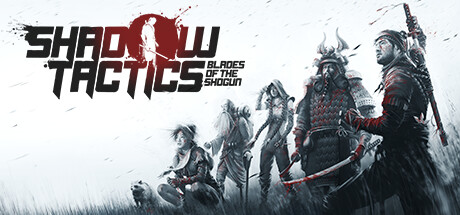

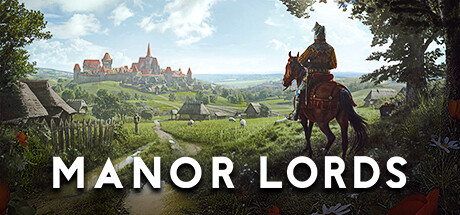
Match Dimensions Explained
❓Frequently Asked Questions
Why does Dragon Age: Origins feel like Black Bullet when fighting darkspawn in the Deep Roads?
Because both lean hard into tactical, pause-and-plan combat—like when you're cornered by shrieks in the Deep Roads and hit Spacebar to freeze time, tag Alistair for a shield bash, then queue Morrigan's fireball just like Enju's precise sniper timing against Gastrea. The emotional weight hits too: that moment you choose to sacrifice a Warden-Commander to seal the Archdemon mirrors Black Bullet's 'sacrifice for humanity' stakes, especially with how Dragon Age nails morally grey choices and character bonds.
Is there a Black Bullet video game adaptation?
Nope—there’s never been an official Black Bullet game adaptation, despite the anime’s strong action and worldbuilding. Fans often reach for Dragon Age: Origins or Counter-Strike: Condition Zero instead: DA:O for its grounded, consequence-heavy narrative and squad-based tactics (think Rentarō leading the Tendō Civil Security team), and C:S CZ for its gritty, mission-driven single-player campaign that captures the tense urban warfare vibe of Tokyo’s anti-Gastrea operations.
How is Chains different from Counter-Strike if both are 'survival & crafting' games?
They’re *nothing* alike on the surface—Chains is a chill, physics-driven match-3 arcade game where you link colored bubbles to clear stages (think ‘connect 4 meets bubble shooter’), while Counter-Strike is intense, realistic team-based terrorist warfare with bullet physics and clutch defuse plays. The only overlap is in the *dimensions* tag: Chains delivers emotional narrative through minimalist, melancholic progression (like clearing a stage after repeated fails feels like a quiet victory), whereas CS leans into survival via split-second tactical decisions—not crafting at all, really.
What’s the best game like Black Bullet if I want that ‘desperate last-stand in ruined Tokyo’ vibe?
Counter-Strike: Condition Zero—it nails that desperate, rain-slicked, urban siege energy. Its single-player Tour of Duty missions drop you into claustrophobic alleys, bombed-out train stations, and flickering neon-lit rooftops, with AI teammates shouting warnings as enemies flank—just like Rentarō’s frantic defense of the Kuhō District. And unlike modern CS, CZ’s 2000s-era grit, limited ammo, and scripted chaos (e.g., the ‘Hostage Rescue: Night Shift’ level) makes every firefight feel raw and high-stakes.