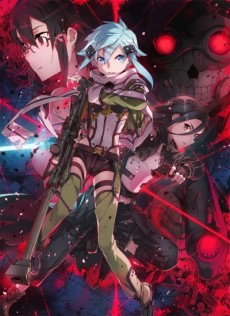
Sword Art Online II
One year after the SAO incident, Kirito is approached by Seijiro Kikuoka from Japan's Ministry of Internal Affairs and Communications Department "VR Division" with a rather peculiar request.
That was an investigation on the "Death Gun" incident that occurred in the gun and steel filled VRMMO called Gun Gale Online (GGO). "Players who are shot by a mysterious avatar with a jet black gun lose their lives even in the real world..." Failing to turn down Kikuoka's bizarre request, Kirito logs in to GGO even though he is not completely convinced that the virtual world could physically affect the real world.
Kirito wanders in an unfamiliar world in order to gain any clues about the "Death Gun." Then, a female sniper named Sinon who owns a gigantic "Hecate II" rifle extends Kirito a helping hand. With Sinon's help, Kirito decides to enter the "Bullet of Bullets," a large tournament to choose the most powerful gunner within the realm of GGO, in hopes to become the target of the "Death Gun" and make direct contact with the mysterious avatar.
(Source: Crunchyroll)
📺Anime Details
📝Editorial Analysis
The flicker of muzzle flash in the rain-slicked neon alley of Gun Gale Online—Kirito’s breath hitching as he ducks behind a shattered concrete barrier, the weight of the Hecate II rifle unfamiliar in his hands, the distant echo of a sniper’s laugh twisting through voice chat like static on a dying signal. That moment isn’t just action—it’s dread, isolation, and the terrifying intimacy of being hunted inside a world built for play.
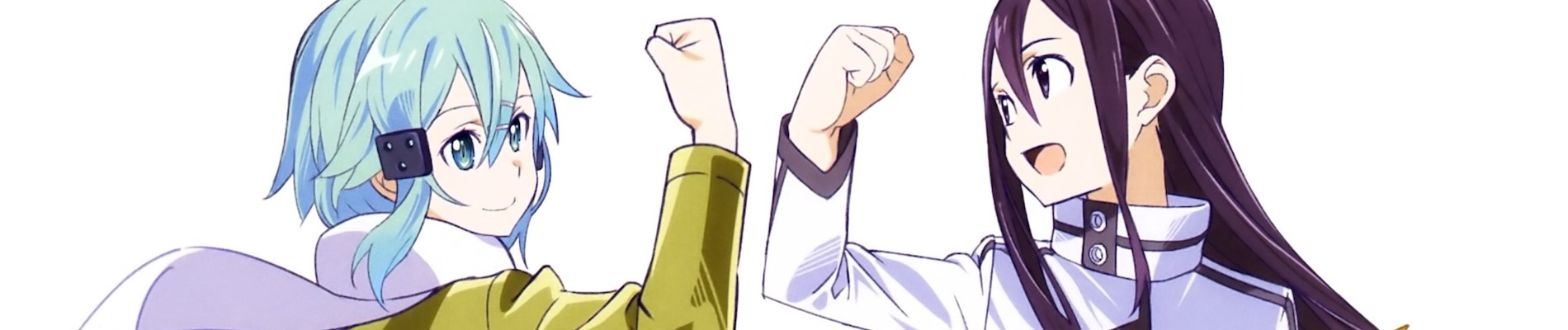
Sword Art Online II doesn’t trade in escapist fantasy—it trades in violation. The shift from Aincrad’s sword-and-sorcery claustrophobia to GGO’s hyper-realistic ballistics, night-vision scopes, and bullet physics isn’t aesthetic; it’s psychological recalibration. You feel the silence before recoil, the way Kirito’s fingers tremble—not from fear of death in-game, but from the memory of real-world pulse monitors flatlining. This anime makes you sit with the dissonance between avatar and anatomy: how a 16-year-old girl can reload a tactical shotgun with chilling precision while her real body lies unconscious in a hospital bed. It’s not about winning battles—it’s about surviving the aftermath of trauma disguised as entertainment. The virtual world isn’t a refuge here. It’s a crime scene.
That same frayed nerve runs straight into Pirates Vikings & Knights II. Its description promises “the ultimate three-way war for honor, glory, and gold”—but the player review cuts deeper: “u gotta join the discord and connect to actual servers to get a good round”. That friction—the reliance on fragile, human-maintained infrastructure, the unpolished, almost unofficial persistence of community-run servers—is the emotional twin of GGO’s lawless frontier. In both, legitimacy is provisional. No corporate UI, no seamless matchmaking—just players holding the line with duct-taped coordination, where victory feels earned not by design, but by sheer, stubborn presence. When Kirito logs into GGO knowing its rules are porous and its admins outmatched, he’s stepping into the same kind of brittle, self-organized arena.
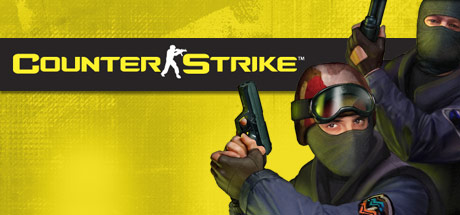
Then there’s Counter-Strike, whose description frames it as “an incredibly realistic brand of terrorist warfare”—a phrase that lands like a gut punch when paired with Death Gun’s real-world murders. The player review says: “Wasted ‘half’ my life in this game, plan to waste other half too.” That devotion isn’t about fun—it’s about ritual, repetition, the slow accumulation of muscle memory under pressure. Kirito doesn’t master GGO’s gunplay in a montage. He grinds: adjusting stance, learning bullet drop, relearning how to breathe mid-scope. Like CS, GGO rewards obsessive calibration—not just aim, but timing, sound cues, the split-second read of footsteps over gravel versus metal. Both worlds demand that your body learn a new grammar of survival, one written in milliseconds and muzzle velocity.
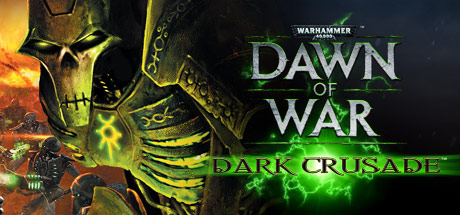
Even Warhammer® 40,000: Dawn of War® - Dark Crusade, with its necron tombs and “awakening menace,” resonates—not through lore, but through tone. Its description evokes buried, ancient threats stirring beneath desert sands; its player review declares it “Peak, 10/10. The game knows what it wants to be and nails it in every way.” That certainty—of dread as aesthetic, of escalation as inevitable, of systems designed to feel oppressive and inexorable—is SAO II’s backbone. The Death Gun arc isn’t about catching a killer. It’s about confronting a logic that has already breached the boundary between simulation and biology—and doing so without the comfort of magic or divine intervention. Just code, hardware, and human malice. Like Dark Crusade’s necrons rising from eons of silence, the threat in SAO II doesn’t shout. It resurfaces—cold, precise, and utterly convinced of its own right to exist.
This pairing isn’t for fans of clean power fantasies or breezy isekai wish fulfillment. It’s for the ones who pause mid-battle to check their pulse, who replay a CS round five times to nail the same clutch defuse, who read a forum post about server instability and feel a familiar knot in their stomach—not frustration, but recognition. It’s for players who remember logging in after a bad day and finding the weight of the headset strangely comforting—not because the world inside is safe, but because its rules, however brutal, are consistent. Who love the quiet horror of a scope’s crosshair trembling—not from weakness, but from the sheer, exhausting effort of staying human inside a machine.
🎮7 Games That Match the Vibe

Match Dimensions Explained
❓Frequently Asked Questions
Why does Pirates Vikings & Knights II keep coming up in Sword Art Online II game recommendations?
Because SAO II’s Aincrad and Alfheim arcs thrive on fast-paced, faction-based aerial and ground combat—exactly what PVK II delivers with its three distinct classes (Pirates’ grappling hooks, Vikings’ berserker charges, Knights’ shield bashes) and chaotic, arena-style warfare. Fans of Kirito’s dual-wielding duels or the Spriggan vs. Sylph skirmishes love how PVK II mirrors that high-stakes, class-identity-driven action—but with way more yelling and pirate hats.
Is there a Sword Art Online II anime-to-game adaptation?
No—there’s no official SAO II game adaptation. The closest you’ll get is fan-made mods or unofficial server projects, but nothing licensed or developed by Aniplex or Bandai Namco. That’s why players turn to games like Warhammer 40,000: Dawn of War – Dark Crusade for its deep faction identity (Necrons vs. Tau vs. Imperium), echoing SAO II’s layered political tensions between guilds like the Moonlit Black Cats and the Sleeping Knights.
How does Counter-Strike compare to Warhammer 40,000: Dawn of War – Dark Crusade for SAO II vibes?
CS is all about tight, grounded, real-time tactical precision—think Kirito’s tense solo infiltration of the Skull Reaper’s base—but it lacks SAO II’s faction lore and world-building. Dawn of War: Dark Crusade nails that instead: its Necron awakening under Kronus’ desert mirrors the creeping dread of the Death Gun arc, and its campaign-driven faction loyalty (like choosing to side with the Tau or Blood Ravens) echoes how SAO II makes you *feel* allegiance—not just play a class.
What’s the best game like Sword Art Online II if I want that intense, emotionally charged guild-warfare vibe?
Pirates Vikings & Knights II—it’s the only one on the list where faction pride *feels* personal and visceral. When your Pirate crew storms a Viking longhouse or Knights hold a chokepoint shouting ‘For Asgard!’ or ‘For Camelot!’, it channels the raw loyalty and betrayal of the SAO II guild wars (like the Sleeping Knights’ collapse or the Spriggan-Sylph border clashes). Just skip the default servers—join their Discord and hit a community-run match for that authentic, high-energy, ‘we’re all in this together’ rush.