
Tomb Raider: Underworld
Tomb Raider: Underworld represents a new advancement in exploration-based gameplay. As fearless adventurer Lara Croft explore exotic locations around the world, each designed with an incredible attention to detail resulting in breathtaking high-definition visual fidelity that creates a truly believable world and delivers a new level of...
🎮Game Details
💬What Players Say
"Steam is asking me if I would recommend this game to other players. For real?! Of course I am!..."
"This honestly feels like one of the last true “classic-style” adventures before the series completely reinvented itself. Instead of focusing on nonstop cinematic action, the game leans heavily into exploration, platforming, ancient ruins, environmental puzzles, and that feeling of isolation while traveling through dangerous forgotten places around the world. The atmosphere is easily one of the strongest parts...."
"One of the best Tomb Raider titles. Has the fun, adventuring feel of the classic series, with better controls and visuals. Better than any of the 'survivor' series."
📝Editorial Analysis
The first time Lara steps into that sun-dappled, vine-choked ruin in Tomb Raider: Underworld, the camera lingers—not on her face, not on a jump-scare, but on the weight of silence. Dust motes hang suspended above cracked mosaic tiles; a distant drip echoes like a slow heartbeat; the wind sighs through collapsed archways as if breathing over something ancient and half-forgotten. That’s the feeling the official description nails: breathtaking high-definition visual fidelity not for spectacle’s sake, but to make you believe—not just in the world, but in its solitude, its patience, its quiet insistence that you pay attention. It’s why one player calls it “one of the last true ‘classic-style’ adventures”—not because it’s retro, but because it trusts you to move slowly, to listen, to feel the melancholic exploration humming beneath every footstep.
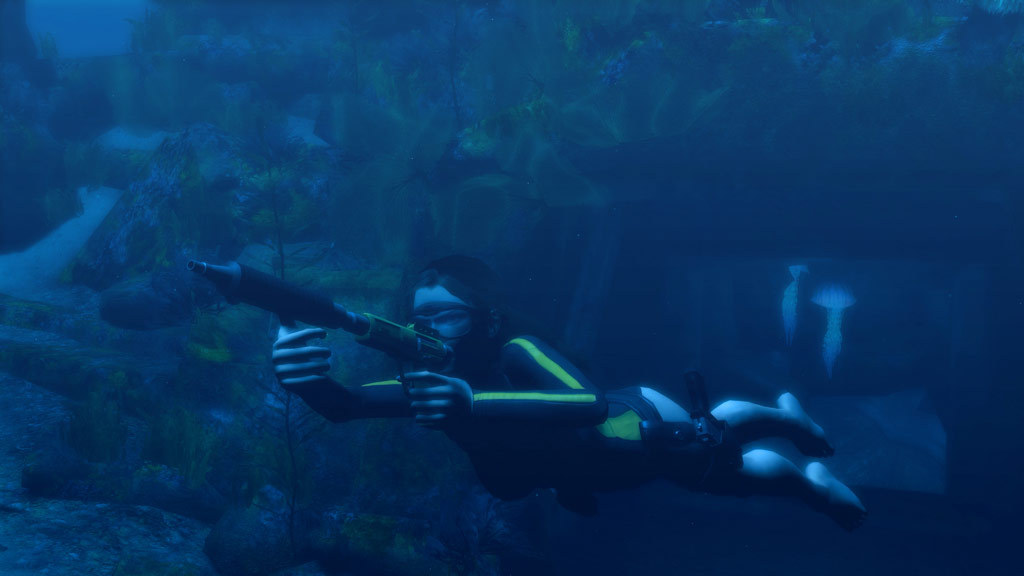


This isn’t adrenaline-as-identity. It’s the hush before revelation—the kind that settles in your ribs when you realize no one’s chasing you, no timer’s ticking, yet the stakes are personal, almost sacred. You’re not fighting to survive; you’re searching to understand. The game makes you think about legacy—not as lore-dump, but as texture: worn carvings, rusted mechanisms older than nations, inscriptions half-erased by centuries of rain. It’s adult, yes—but not cynical. Dark, yes—but not despairing. It’s tactical in how it asks you to read space, light, physics—not just to solve puzzles, but to negotiate with time itself. That’s the emotional DNA: reverence wrapped in rigor, solitude edged with purpose.
Lupin the 3rd shares that same melancholic exploration: not just heists, but the way Lupin walks Tokyo’s back alleys at dawn, cigarette smoke curling into grey light, his grin never quite reaching eyes that hold centuries of near-misses and quiet losses. Like Lara in a Norse tomb or Thai jungle, he moves through spaces thick with history—not as conqueror, but as witness. Both lean into adult & dark seinen not with gore or nihilism, but with moral weight: every lock picked, every vault opened, carries consequence buried deeper than gold. And the tactical warfare? It’s in the split-second misdirection, the precise timing of a dropped coin, the way Lara calculates a swing’s arc just as Lupin times a train’s whistle—both treating physics like poetry.
Bartender resonates even more intimately. No ruins, no globetrotting—but the same melancholic exploration, distilled into amber liquid and low light. Each cocktail is a puzzle: ingredients measured not by volume but by memory, by grief, by the unspoken thing the customer won’t name. Like Lara deciphering a celestial alignment in a Mayan observatory, the bartender reads silences, adjusts ratios, waits. There’s no combat, no chase—just tension held in stillness, the same adult & dark seinen gravity that makes Underworld’s quietest moments vibrate. You don’t rush through either; you let the atmosphere seep in, let the details accrue meaning.
And then there’s Nausicaä of the Valley of the Wind, where every rustle in the Toxic Jungle feels like Lara brushing past bioluminescent fungi in a submerged temple—same melancholic exploration, same tactical warfare against environments that breathe and remember. Nausicaä doesn’t blast her way through; she kneels, observes spores, maps wind patterns, negotiates with ecosystems older than kingdoms. Her courage isn’t loud—it’s the calm focus of Lara aligning mirrors to redirect sunlight down a thousand-year-old shaft. Both treat discovery as an act of humility, not domination.
This pairing isn’t for the binge-watcher who craves escalation, nor the player who needs constant validation. It’s for the person who pauses mid-game to watch rain sheet across a ruined plaza, who re-watches a bartender’s hands measure gin with the same awe they’d give Lara’s fingers tracing a weathered glyph. It’s for those who find beauty in the unresolved, who love the ache of a half-remembered myth, who feel most alive not when the music swells—but when it drops out entirely, leaving only wind, water, and the soft, certain click of a mechanism finally turning after centuries of stillness.
→96 Anime That Match the Vibe

A quiet, wandering spirit — these works find meaning in silence and empty spaces.

A quiet, wandering spirit — these works find meaning in silence and empty spaces.
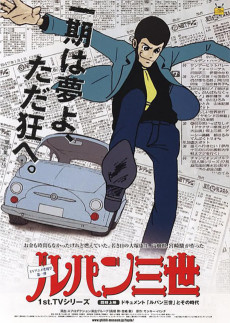
Lupin’s heist in the Venice opera house—where chandeliers swing and masks hide identities—mirrors Lara’s descent into Valhalla’s crumbling, mist-laced ruins: both pivot on *melancholic exploration*, where grandeur decays and history breathes like a living, sorrowful entity. Unlike most adventure media, neither glorifies conquest; instead, Jigen’s weary pragmatism and Lara’s solitary focus deepen the *adult & dark seinen* weight beneath stylish action. That shared gravity—rooted in loss, legacy, and places that remember what humans forget—makes their resonance startlingly intimate.

A quiet, wandering spirit — these works find meaning in silence and empty spaces.
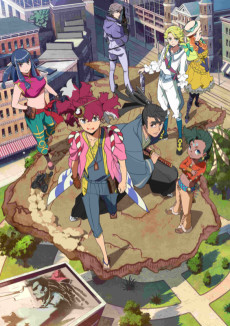
Lara Croft’s solitary descent into the drowned ruins of Valhalla mirrors Apare and Kosame’s adrift, sun-bleached days aboard their rickety boat—both are melancholic explorations of displacement where geography becomes grief made tangible. Unlike most adventure media that equate movement with progress, Underworld and APPARE-RANMAN! treat navigation as tactile negotiation: Lara angles her body through crumbling Norse tombs; Apare jury-rigs steam contraptions mid-ocean, Kosame parries seagull attacks with a bamboo pole. That shared dimension—🌿 Melancholic Exploration—transforms exile into intimacy, making their resonance startlingly tender.

A quiet, wandering spirit — these works find meaning in silence and empty spaces.

A quiet, wandering spirit — these works find meaning in silence and empty spaces.
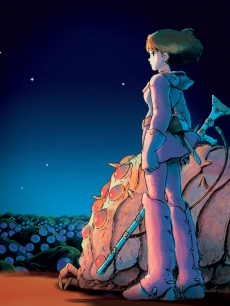
Nausicaä’s quiet walk through the toxic jungle—kneeling to touch glowing spores as Lara Croft descends into the crumbling Norse tomb of Helheim—reveals a shared reverence for decayed grandeur. 🌿 Melancholic Exploration unites them: both treat ruins not as backdrops but as sentient archives whispering ecological and ancestral truths. Unlike most action-adventures, neither flinches from grief as worldbuilding—Nausicaä’s tears over dead blueclad warriors mirror Lara’s solitary vigil at her mother’s crypt.

Melancholic exploration pulses through Lara Croft’s solitary descent into the Norse underworld—crumbling ruins, echoing chambers, a mother’s ghost haunting every artifact—just as Charlie walks empty school hallways, his hybrid body a silent archive of erased origins. Unlike most sci-fi thrillers fixated on spectacle, *The Darwin Incident* weaponizes stillness: Charlie’s quiet observation mirrors Lara’s tactical warfare—not with guns, but with precision in silence, timing, and withheld breath before revelation. This pairing is startlingly cohesive: grief as cartography, identity as uncharted terrain.
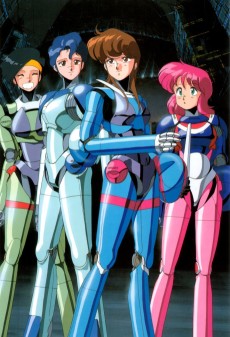
A quiet, wandering spirit — these works find meaning in silence and empty spaces.










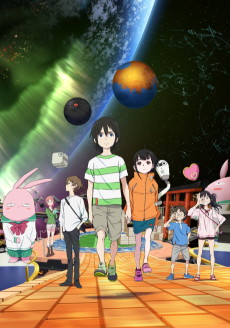















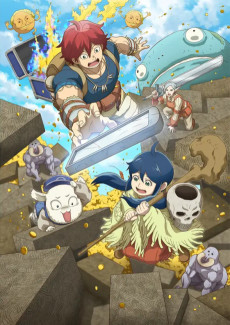


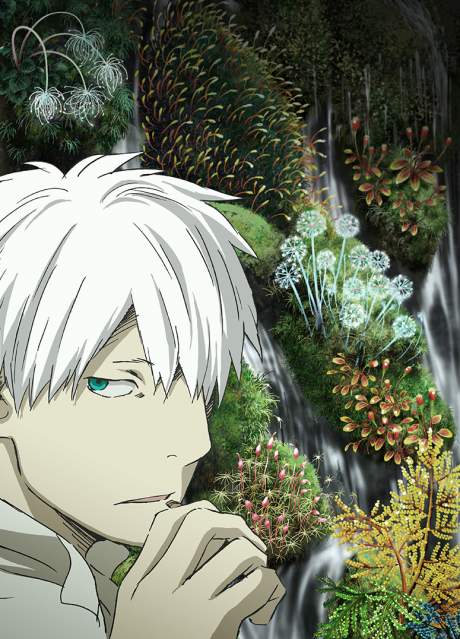

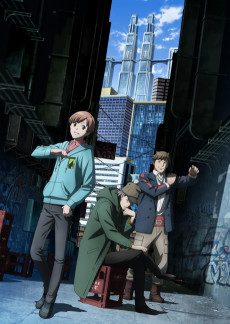
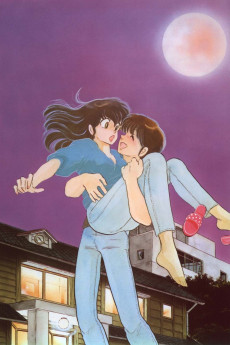



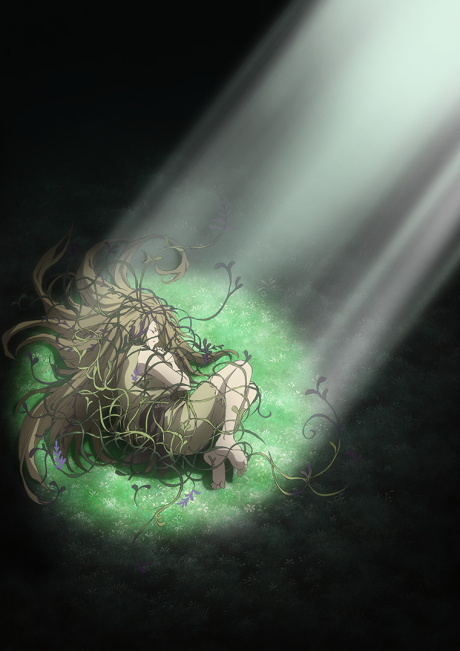
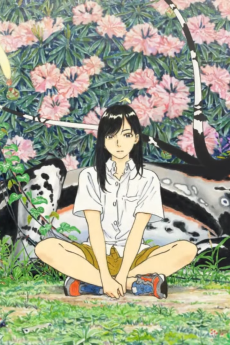
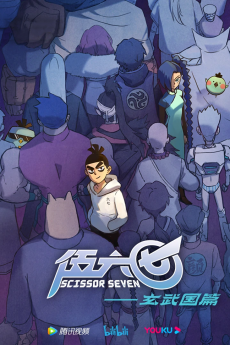
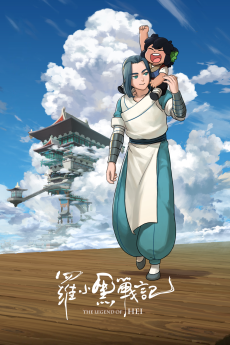

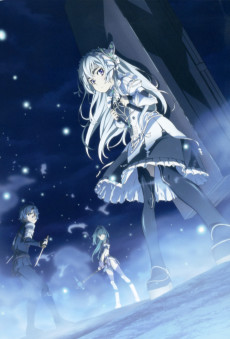
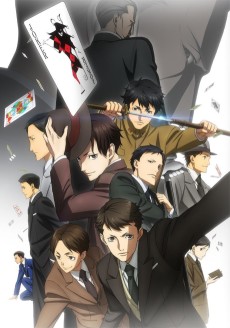
































Match Dimensions Explained
❓Frequently Asked Questions
Why does Lupin the 3rd keep popping up in Tomb Raider: Underworld anime recommendations?
Because both lean hard into *melancholic exploration*—Lupin’s globetrotting heists (like the storm-lashed chase through the cliffs of Corsica in Part 5) mirror Lara’s solitary, weather-beaten dives into ancient ruins like the Norse underworld. And just like Underworld’s emphasis on environmental puzzles and tactical traversal—not nonstop combat—Lupin relies on misdirection, timing, and reading spaces (e.g., scaling the crumbling façade of the Louvre in 'The Woman Called Fujiko Mine') rather than brute force.
Is there an anime adaptation of Tomb Raider: Underworld?
No—there’s never been an official anime adaptation of *Tomb Raider: Underworld*, or any mainline Tomb Raider game for that matter. The closest you’ll get are tonal matches like *Nausicaä of the Valley of the Wind*, where Nausicaä’s solo descent into the toxic Sea of Corruption’s buried ruins (with her glider, respirator, and quiet reverence for lost civilizations) echoes Lara’s dive into the Mayan tomb beneath the Caribbean sea—both grounded, tactile, and hauntingly quiet between action beats.
How does Bartender compare to Nausicaä for Tomb Raider: Underworld vibes?
Both nail *melancholic exploration*, but *Bartender* does it through stillness—think Ryu’s slow, deliberate craft behind the bar in the Golden Gai episode, where every pour feels like uncovering a buried memory—while *Nausicaä* goes full-scale environmental archaeology, like her silent walk through the fossilized forest beneath the Toxic Jungle, mapping decay like Lara deciphers murals in Janos’ tomb. Underworld fans who love the game’s reflective pacing over its action will lean toward *Bartender*; those who crave awe-struck discovery of lost worlds will go straight to *Nausicaä*.
What’s the best anime like Tomb Raider: Underworld if I want that ‘classic-style adventure’ feel—not the rebooted cinematic chaos?
Go straight to *SPY x FAMILY Cour 2*: it nails the ‘classic-style’ balance—Loid’s mission to infiltrate Eden College mirrors Lara’s methodical infiltration of Croft Manor’s hidden passages (remember that clockwork puzzle in the library?), with zero hand-holding and real stakes baked into quiet observation. Plus, Anya’s psychic glimpses of fragmented pasts (like the flash of the ruined St. Basil’s vault) echo how Underworld uses environmental storytelling—no exposition dumps, just you piecing together lore from cracked frescoes and half-submerged statues.