MUSHI-SHI Special: Bell Droplets
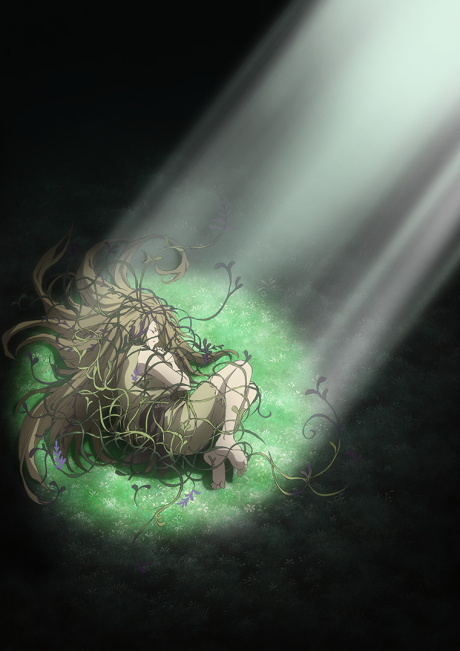
The anime adaptation of the final Mushishi manga arc. Ginko stumbles upon a young girl in a mountain with branches and leaves growing out of her body. He later realises that she is the lord of that mountain but finds it strange that a human like her was chosen as the lord. He later meets her older brother who has continued to search for her ever since she disappeared while she was accompanying him on a stormy day. The story is about that girl, Kaya, and how she is torn between continuing her duty as a mushi lord and returning back to her loving human family.
(Source: Anime News Network)
📺Anime Details
📝Editorial Analysis
The rain doesn’t fall—it settles. Not as drops, but as a slow, silver hush over the moss-damp stones and pine boughs where MUSHI-SHI Special: Bell Droplets begins. Ginko kneels beside Kaya, her bare feet half-buried in loam, her fingers curled like fern fronds, her skin threaded with the faintest green-gold tracery of living bark. She doesn’t speak—not yet—but her breath moves with the same rhythm as the mist rising off the mountain’s flank. There is no music, no swell, no dramatic pause—just the quiet weight of presence: a girl who is both child and root, both wound and guardian, both lost and found—though no one knows what that means yet.
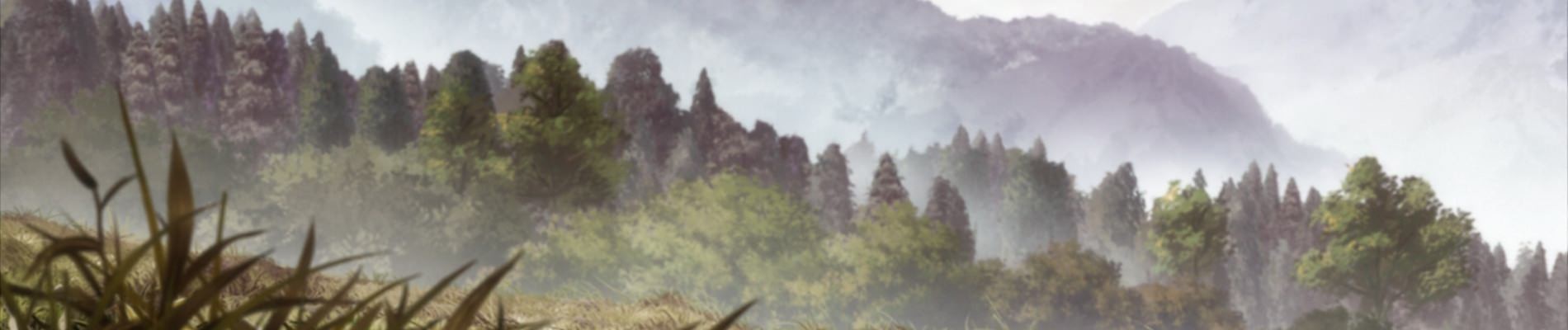
That’s the feeling: stillness charged with consequence. Not peace, not sorrow exactly—but the deep, low hum of something ancient choosing to hold its breath. MUSHI-SHI Special: Bell Droplets doesn’t trade in revelations or battles. It trades in thresholds: between human and mountain, memory and myth, grief and guardianship. The tragedy isn’t loud—it’s in the brother’s calloused hands tracing the hollow where his sister once stood during a storm; it’s in the way Kaya blinks, and for a heartbeat, her pupils ripple like water over stone. This is environmental melancholy: the land remembers what people forget, and the cost of belonging is measured in silence, not screams. You don’t solve the mystery—you witness its gravity, and feel your own pulse sync, just slightly, to the slow pulse of the earth.
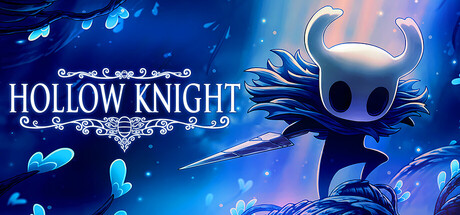
That same resonance lives in Hollow Knight, where every crumbling cathedral and hollowed-out chrysalis breathes with the same melancholic exploration and emotional narrative described in its match data. Its player review calls it “Lovely story” and “Beautiful art style”—but what makes it kin to Bell Droplets is how both treat decay as sacred geometry: the ruins aren’t backdrops—they’re testimonies. When you walk past the silent, moth-winged statues in Deepnest or stand before the Weavers’ graves in Mantis Lords’ chamber, you feel the same hush—the same sense that history isn’t told, but grown, like lichen on bone. Both ask you to move slowly, listen closely, and accept that some truths don’t resolve—they root.
Then there’s Tank Universal, whose match data cites melancholic exploration, emotional narrative, and adult & dark seinen—and whose player review lands like a gut-punch: “Play cool tank game with dad when you were 6… time goes on; loose access to game. Grew up dad passes away…” That line isn’t about tanks—it’s about layered loss: childhood joy, adult disconnection, irrevocable absence. Like Kaya’s brother searching decades for a girl who became part of the mountain’s breath, Tank Universal’s emotional DNA lives in the gap between memory and machinery, between the bright, clean vectors of youth and the static-laced fog of later years. Its sci-fi arena isn’t sterile—it’s haunted by scale, by echoes, by the loneliness of piloting something vast while carrying something small and fragile inside.
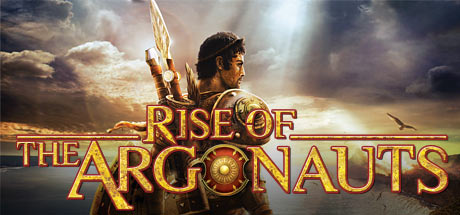
And though it seems distant, Rise of the Argonauts shares the mythology & folklore and adult & dark seinen dimensions that anchor Bell Droplets in something older than plot. Its description frames Jason’s quest as a vow made in blood and ash—“he vowed to do anything to restore her life.” But Bell Droplets refuses restoration. Kaya isn’t brought back—she’s recognized. That’s the darker, quieter mythic logic both works honor: gods and mountains don’t grant wishes—they reveal what was already true. The player review says it “does [ancient history] right”—but what it does right is treat myth not as spectacle, but as psychological weather: a force that reshapes identity, not just kingdoms.
This pairing isn’t for fans of lore-dumps or cathartic climaxes. It’s for the person who pauses mid-walk to watch a single leaf detach and spiral—not to catch it, but to follow its descent until it vanishes into shadow. It’s for the one who replays a quiet cutscene not for dialogue, but for the way light falls across a character’s shoulder three seconds before they speak. It’s for those who understand that stillness can be the loudest kind of ache—and that the most profound stories aren’t about crossing thresholds, but learning to kneel at them, barefoot, and feel the earth breathe back.
🎮108 Games That Match the Vibe







































Match Dimensions Explained
❓Frequently Asked Questions
Why does Hollow Knight keep coming up when people search for games like MUSHI-SHI Special: Bell Droplets?
Because both lean hard into melancholic exploration and emotional narrative—like Hollow Knight’s silent, rain-soaked descent into Deepnest echoing Mushi-shi’s quiet journeys through misty, liminal forests. The game’s ruined insect kingdom, with its lost lore and gentle-but-sad encounters (think Hornet’s guarded warmth or the Pale King’s tragedy), mirrors the tone of Bell Droplets’ fleeting, bittersweet spirit encounters.
Is there a MUSHI-SHI video game adaptation?
No official MUSHI-SHI game exists—but Jade Empire™: Special Edition is the closest spiritual cousin: it shares that same reverence for East Asian mythology & folklore, layered emotional storytelling, and morally nuanced choices (open palm vs. closed fist) that feel as thoughtful and atmospheric as Ginko’s quiet diagnoses in Bell Droplets.
How is Chains different from Hollow Knight if both are on the 'Games Like MUSHI-SHI Special: Bell Droplets' list?
They’re tonal opposites—one’s meditative match-3 healing (Chains’ bubble-linking physics and soft progression evoke Bell Droplets’ soothing, rhythmic pacing), while Hollow Knight is a haunting, combat-driven exploration game full of sorrowful ruins and cryptic bug-lore. Chains leans into Slow Life and Healing; Hollow Knight anchors Melancholic Exploration and Adult & Dark Seinen.
What’s the best game like MUSHI-SHI Special: Bell Droplets if I want something calming but emotionally resonant—not dark or stressful?
Chains is your perfect match: its simple bubble-chaining mechanic, gentle physics, and focus on Healing & Slow Life make it feel like a digital tea ceremony—no combat, no urgency, just serene progression and quiet satisfaction, much like watching Ginko pause beneath a willow tree to listen to a whispering mushi.