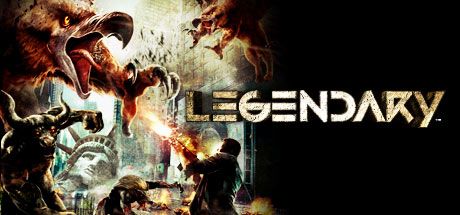
Legendary
All creatures of ancient myth, legend and lore are real they've just been sealed away for thousands of years inside Pandora's Box, waiting... When a thief named Deckard is hired to steal an ancient artifact, he unwittingly triggers a war between man and myth.
🎮Game Details
💬What Players Say
"The animations in this game are incredible. Better than most games of the more modern era. It definitely has some "jank" as many games of the PS3/X360 era do, but it is surprisingly good and I am a bit disappointed that I waited so long to play it!..."
"Legendary seems to be rated fairly by Steam users. Unfortunately, nothing about the game really stands out as particularly creative or memorable, especially when compared to other shooters from its era. What frustrated me the most was the overall clunkiness: awkward controls, invisible walls, and especially the final missions...."
"It's not a masterpiece, but it's definitely a very enjoyable FPS. It's based on a cool overall concept, it has some great levels and badass enemies. The soundtrack is fantastic, really top notch...."
📝Editorial Analysis
The first time Deckard cracks open Pandora’s Box—not with a key, not with ritual, but with a thief’s careless撬—something unspools. Not a cutscene, not a boss theme swelling: just silence, then a low, wet tear, like parchment splitting over bone. The official description says the creatures have been sealed away for thousands of years, waiting—and that word waiting lands like weight in your chest. Player reviews don’t mention story beats or lore dumps; they mention animations: “incredible”, “better than most games of the more modern era”, even amid the jank. That contrast—polished, almost devotional motion against clunky controls, lush sound design (“top notch” soundtrack) against a game that “doesn’t stand out as particularly creative”—is the game’s heartbeat. It’s not about slickness. It’s about presence: myth made physical, heavy, unwilling to stay buried.
That’s the feeling: dreadful reverence. Not fear of death, but awe at what should never stir—what should remain folded in time’s velvet lining. You’re not fighting monsters. You’re interrupting a slumber older than cities. The jank isn’t a flaw—it’s the friction of the mundane world grinding against something too old to be smooth. Every reload stutter, every clipped enemy path, every moment the camera lurches as a minotaur’s horn scrapes stone—it all whispers: This shouldn’t fit. This doesn’t belong here. And yet it does. The soundtrack swells not with triumph, but with regretful grandeur, like hearing temple bells ring for a god who’s already left the shrine. You don’t feel like a hero. You feel like the first person to exhale in a tomb sealed since the Bronze Age—and the air tastes of dust, iron, and something faintly green, like moss on forgotten altars.
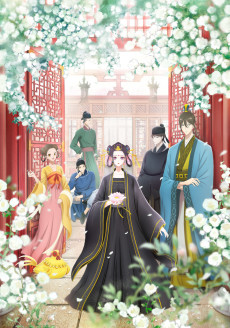
Heaven Official's Blessing Season 2 lives in that same breathless hush before revelation. Its score doesn’t soar—it settles, low and resonant, like water filling a cracked vessel. When Xie Lian walks through the ruined city of Hua Cheng’s past, every crumbling tile, every ghostly echo, carries the same weight of sealed time as Deckard’s first glimpse of a cyclops blinking awake in a flooded subway tunnel. Both treat myth not as spectacle, but as geology: layers of belief, trauma, and power pressed down over centuries—then suddenly, violently, exposed. The body horror isn’t gore; it’s transformation as violation—the way a god’s form unravels under grief, just as Pandora’s creatures peel from stone like skin from rotting fruit.
Princess Mononoke shares that same sacred unease. The boar god Nago doesn’t roar—he shudders, his flesh blackening, veins bulging like roots breaking concrete. His agony isn’t personal; it’s ecological, the scream of a world’s boundary dissolving. That’s the exact texture of Legendary’s best levels: not linear corridors, but spaces where architecture itself is unraveling—statues weeping mercury, walls breathing fungal spores, corridors narrowing as if the building remembers it was once a cave. The “badass enemies” aren’t cool designs; they’re symptoms, like the Forest Spirit’s dual forms—life and decay inseparable, just as Legendary’s soundtrack swells with beauty right before a harpy’s talons shred your health bar.
Spirited Away completes the triad—not with war, but with quiet surrender. Chihiro doesn’t defeat Yubaba; she remembers. And that’s the emotional core both works share: myth isn’t conquered. It’s recognized. When No-Face swallows the bathhouse staff whole, it’s not violence—it’s assimilation, the old swallowing the new until only its shape remains. Legendary’s thief protagonist doesn’t master the box; he releases. He becomes a hinge, not a hero. His jank, his stumbling, his sheer human smallness against a minotaur’s sigh—that’s Chihiro’s trembling hands bowing to the River Spirit, not in worship, but in acknowledgement: You were here first. I am passing through.
This pairing isn’t for fans of clean lore dumps or power fantasies. It’s for the person who pauses mid-gameplay to watch rain drip off a gargoyle’s nostril—really watches, because the animation is that detailed, that tender. It’s for the viewer who cries not at a character’s death, but when a fox spirit folds its nine tails around a sleeping child, knowing the dawn will unmake it. They love the gravity of myth—the way it settles in your bones, makes your breath shallow, reminds you that wonder and horror are the same pulse, measured in different keys. They don’t want to win. They want to witness. And in that shared, trembling stillness—between Deckard’s ragged inhale and Chihiro’s whispered name, between the crunch of ancient stone under a PS3 controller and the rustle of paper charms in a Kyoto wind—that’s where the magic isn’t sealed. It’s breathing.
→64 Anime That Match the Vibe

Chihiro’s trembling hand pressing against the stained-glass window of the bathhouse—where spirits flicker between flesh and form—echoes Deckard’s first glimpse inside Pandora’s Box: not a vault, but a breathing archive of myth. ⚡ Mythology & Folklore isn’t backdrop here; it’s visceral infrastructure—Yubaba’s contract magic and the Box’s sentient seals both treat legend as living, unstable law. That shared commitment to folklore as *embodied consequence*, not costume, makes their convergence startlingly coherent—not nostalgic, but urgently, uncomfortably alive.
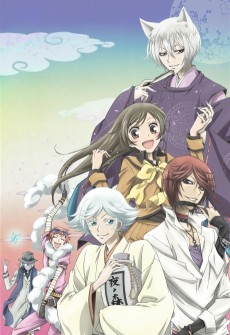
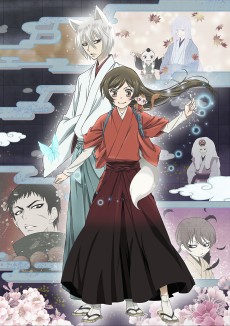
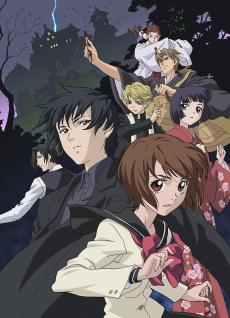
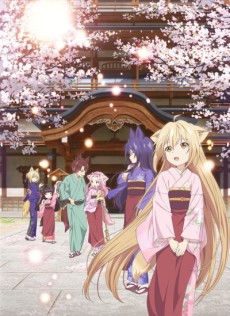
Nanami’s first transformation into a fox spirit—claws erupting, tail blooming—mirrors Deckard’s visceral unraveling as Pandora’s Box leaks primordial entities into modern Tokyo. Where *Legendary* weaponizes myth as unstable, contagious force, *Kamisama Kiss* treats folklore as embodied, intimate identity—both hinge on ⚡ Mythology & Folklore not as backdrop but as biological, emotional inheritance. That duality—myth as infection *and* inheritance—makes their resonance startlingly tender, not just terrifying.
Connected through 2 aesthetic dimensions.
Connected through 2 aesthetic dimensions.
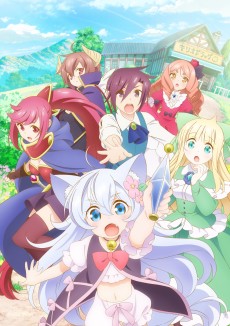
Connected through 2 aesthetic dimensions.
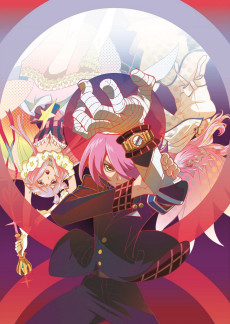
Connected through 2 aesthetic dimensions.

Connected through 2 aesthetic dimensions.
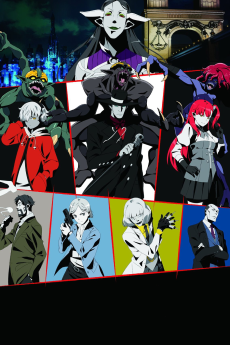
Connected through 2 aesthetic dimensions.
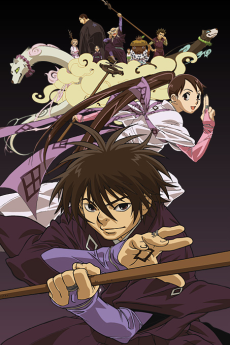
Connected through 2 aesthetic dimensions.

Deckard’s trembling hands prying open Pandora’s Box echo Denji’s visceral, bloody transformation—both unleash primordial forces sealed by human fear. Unlike most supernatural fare, *Legendary* and *Chainsaw Man: Reze Arc* weaponize **Mythology & Folklore** not as backdrop but as unstable, hungry entities: Reze’s spider-devil form isn’t metaphor—it’s folklore made flesh, just as the Box’s creatures embody collective dread given teeth and talons. That shared commitment to myth as *physical, violating presence* makes their body horror feel terrifyingly ancestral.






![Fate/stay night [Heaven’s Feel] III. spring song](https://s4.anilist.co/file/anilistcdn/media/anime/cover/large/bx21719-MSdTlkno0Z0u.jpg)
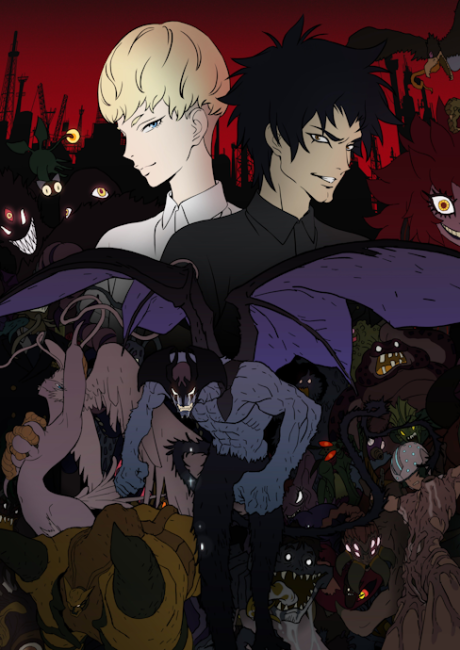







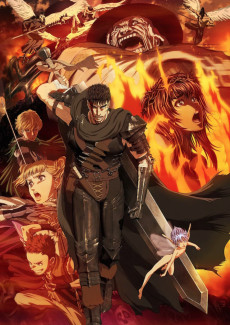
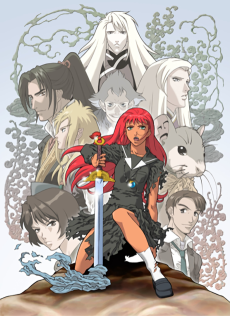
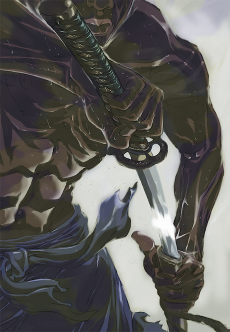
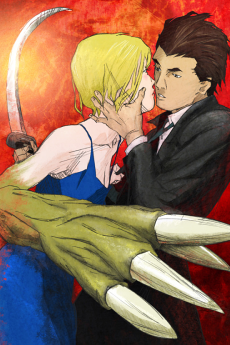
Match Dimensions Explained
❓Frequently Asked Questions
Why is Heaven Official's Blessing S2 recommended for Legendary fans?
Because both dive deep into ancient mythic beings breaking free after long dormancy—like Xie Lian’s repeated descents into the ghost realm mirroring Deckard accidentally unleashing sealed legends from Pandora’s Box. You’ll feel that same eerie, high-stakes tension when Bai Wuxiang confronts corrupted celestial spirits, just like the game’s boss fights where mythic enemies twist and reform mid-battle.
Is there an anime adaptation of Legendary?
Nope—Legendary is a standalone PS3/X360-era FPS with no anime adaptation. But if you love its core vibe—mythic creatures erupting from ancient seals into our world—Princess Mononoke hits *exactly* that: San’s wolf-god kin, the Nago-boar’s body horror transformation, and the Forest Spirit’s cyclical rebirth all echo how Pandora’s Box violently re-introduces legend into reality.
How does Spirited Away compare to Legendary in terms of mythic worldbuilding?
Both treat folklore as *physically real and dangerously unstable*: in Spirited Away, Chihiro navigates a bathhouse full of Shinto kami and vengeful spirits (like No-Face’s hunger-fueled corruption), while Legendary drops Deckard into a war where minotaurs and gorgons aren’t metaphors—they’re tactical threats with visible decay mechanics, like the ‘corrupted’ enemy variants that glitch and bleed black ichor mid-fight.
What’s the best anime like Legendary if I want that ‘ancient myths breaking loose’ vibe but with emotional weight?
The Summer Hikaru Died—it nails the slow-burn dread of dormant power resurfacing. When Hikaru collapses and his body becomes a vessel for a centuries-old spirit tied to local shrine lore, it mirrors Deckard’s accidental triggering of Pandora’s Box. The way the show visualizes spiritual possession (glitching reflections, sudden shifts in posture, distorted audio) feels like watching Legendary’s janky-but-uncanny enemy animations come alive.