
Fruits Basket (2019)
Tohru Honda thought her life was headed for misfortune when a family tragedy left her living in a tent. When her small home is discovered by the mysterious Soma clan, she suddenly finds herself living with Yuki, Kyo, and Shigure Soma. But she quickly learns their family has a bizarre secret of their own: when hugged by the opposite sex, they turn into the animals of the Zodiac!
(Source: Crunchyroll)
📺Anime Details
📝Editorial Analysis
The scent of rain on warm pavement. Tohru Honda kneeling in the damp grass beside a broken-down tent, her hands smudged with dirt, carefully replanting the herbs she’d salvaged from her mother’s garden—hope, stubborn and green, pushing through cracked earth. That quiet, unshowy act: no grand monologue, no tearful breakdown, just fingers in soil, breath steady, heart quietly refusing to stop beating. That’s where Fruits Basket (2019) lives—not in spectacle, but in the tremor before a confession, the weight of a hand hesitating mid-air before it touches someone’s shoulder, the way silence between Yuki and Kyo isn’t empty—it’s thick with years of unsaid things, layered like old paper.

This anime doesn’t tell you it’s about healing. It makes you feel the slow, uneven recalibration of a nervous system learning trust again. Its atmosphere is tender, yes—but also aching, fragile, patient. It’s the warmth of Shigure’s kitchen at midnight, the low hum of the refrigerator, the steam rising off three mismatched mugs as Tohru listens—not to fix, not to judge, but to hold space. There’s no magical reset button. The Zodiac curse isn’t solved with a spell; it unravels through repeated, imperfect acts of witnessing: seeing Kyo’s shame without flinching, holding Yuki’s exhaustion like something sacred, letting Hatsuharu rage until his voice cracks—and then offering tea. It’s urban fantasy stripped bare of spectacle: mythology as wound, as inheritance, as something passed down like a chipped teacup—still functional, still loved, still heavy with memory.
That emotional DNA pulses strongest in Jade Empire™: Special Edition, where mythology isn’t backdrop—it’s breath. Like the Soma clan’s Zodiac bind, the game’s celestial balance, spirit animals, and ancestral oaths aren’t decorative; they’re lived constraints shaping identity, duty, and desire. The player review notes its “Emotional Narrative” and “Romance & Shoujo” dimensions—not as side content, but as core architecture. When you choose the Open Palm path, it’s not just combat style; it’s Tohru choosing empathy over efficiency, choosing presence over performance. The same quiet gravity lives there.
Then there’s Persona 5 Royal, where Tokyo isn’t just a city—it’s a psychic ecosystem. The Phantom Thieves don’t fight monsters in dungeons; they confront the suffocating weight of social expectation, of inherited trauma, of self-erasure—mirroring how each Soma carries generations of resentment, guilt, and love folded into their animal forms. The player review praises its “seamless transition between daily life…”—exactly the rhythm Fruits Basket (2019) masters: school hallways humming with unspoken tension, part-time jobs that double as therapy, cooking meals that become rituals of care. Both understand that healing happens in the interstices: between classes, during commutes, over shared bento boxes. The romance isn’t fireworks—it’s the slow dawning of safety in someone’s gaze.
Even Dragon Age: Origins resonates—not through high fantasy scale, but through its bone-deep emotional narrative. The review mentions legacy, choice, and the “pause attack mechanic” enabling tactical reflection. That pause? It’s the anime’s stillness before a hug, the held breath before Kyo lets Tohru see his true form. The game’s dwarven nobles, elven outcasts, and cursed Grey Wardens carry inherited curses just as visceral as the Zodiac bond—identity as both burden and birthright. Its romance options aren’t wish-fulfillment; they’re earned through witnessing, through sitting with someone’s pain long enough for them to believe they’re still whole.
Who would love these pairings? Not just fans of “sad stories” or “pretty boys.” Someone who recognizes the ache of being too soft in a world that mistakes tenderness for weakness. Someone who’s ever kept a journal not to document life, but to reassure themselves they’re still here. Someone who cries not at tragedies, but at small kindnesses—the way Shigure refills Tohru’s mug without asking, the way Joker leaves his phone open on a text he’s too scared to send. They’re the ones who play games not to win, but to linger—to sit with a character’s silence, to reread a line of dialogue three times, to feel, in the quietest moment of a rainy afternoon, that they, too, are finally being seen—whole, flawed, enough.
🎮22 Games That Match the Vibe
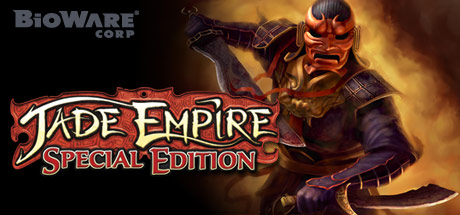



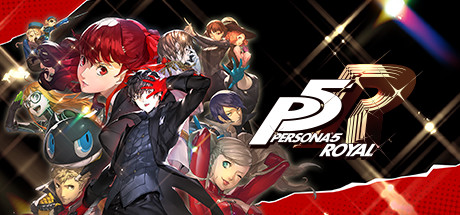

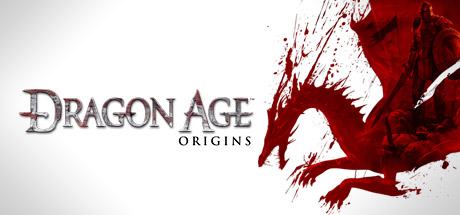








Match Dimensions Explained
❓Frequently Asked Questions
Why does Jade Empire feel so much like Fruits Basket despite being a martial arts RPG?
Because both center on emotionally vulnerable protagonists uncovering hidden truths about their identity and heritage—like Tohru’s connection to the Sohmas, you discover your character’s ties to celestial spirits and forbidden magic in Jade Empire’s Mythology & Folklore dimension. The Emotional Narrative and Romance & Shoujo tags aren’t just marketing: scenes like your quiet, rain-soaked confession with Li Xiao or the bittersweet farewell at Mount Yung Lo mirror Fruits Basket’s tender, character-driven intimacy.
Is there a Fruits Basket video game adaptation?
No—there’s never been an official Fruits Basket game adaptation, which is why fans turn to titles like Persona 5 Royal (83) and Dragon Age: Origins (82) for that same blend of deep emotional stakes and slow-burn romance. You won’t find Kyo confessing in a shrine or Shigure teasing over tea—but Persona 5’s Confidant system lets you build heartfelt bonds with characters like Ann or Makoto in ways that echo Tohru’s patient, empathetic connections.
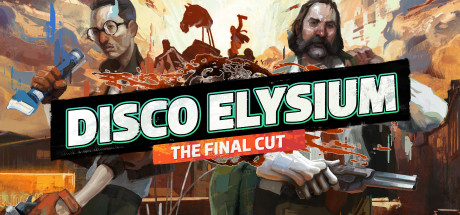
How does Disco Elysium compare to Persona 5 Royal for Fruits Basket fans?
Both hit Emotional Narrative and Romance & Shoujo, but where Persona 5 Royal gives you warm, sunlit Tokyo days and structured relationship-building (like maxing Futaba’s Confidant while solving her mom’s mystery), Disco Elysium drops you into a rain-drenched, morally gray city where romance is raw, fragmented, and often tragic—think more like Hatsuharu’s inner turmoil than Yuki’s polished charm. It’s less ‘shoujo’ sparkle, more ‘shoujo’ ache.
What’s the best game like Fruits Basket if I want that gentle, healing vibe after a rough day?
Go straight to Persona 5 Royal—it’s got the soothing rhythm of daily life (attending class, hanging out at Café Leblanc, helping classmates with personal struggles) plus deeply affirming relationships, like supporting Ryuji through his insecurities or watching Ann grow into her confidence. That ‘gentle healing’ feeling? It’s baked into the gameplay loop: even combat feels cathartic, and every Confidant scene lands with the same quiet sincerity as Tohru making rice balls for the Sohmas.