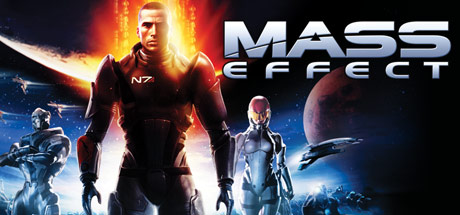
Mass Effect (2007)
As Commander Shepard, you lead an elite squad on a heroic, action-packed adventure throughout the galaxy.
🎮Game Details
💬What Players Say
"Mass Effect is a top 10er for me. Not the trilogy - specifically this game. None of the follow-ups really captured what this game did (though they are not bad!..."
"I love mass effect so much however I cant believe how poorly optimized this game is on pc and somehow the xbox 360 version is ten times better then it. The game crashes very often, there is no built in controller support. Not to mention getting both dlc's to work (which isnt hard) just silly you have to do extra work to get it to work...."
"Bit old school on the graphic but great story and game play"
📝Editorial Analysis
The first time you step onto the Normandy’s observation deck—just after the opening sequence, before the first real mission—the galaxy isn’t just a backdrop. It’s heavy. Not with spectacle, but with silence, with scale that doesn’t shout—it settles. You’re Commander Shepard, yes, but not yet myth. Just a person in a suit, staring out at stars that don’t blink back, listening to the low hum of engines and the faint, human murmur of crew chatter over comms. That moment—alone but never isolated, charged with quiet consequence—is what Mass Effect (2007) locks into your bones. Not the trilogy’s grand arcs or polished set-pieces, but this: the raw, unvarnished weight of stepping into command before legend has formed. As one player put it: “None of the follow-ups really captured what this game did.” It’s not nostalgia—it’s recognition. A singular, unrepeatable gravity.
That gravity comes from how the game makes space feel lived-in, not just traversed. The graphics are bit old school, yes—but that roughness helps. Textures blur at the edges; loading screens linger like breaths held too long; the PC version crashes very often, yet somehow the Xbox 360 version feels ten times better—not because it’s prettier, but because its jank is consistent, its rhythm human. You’re not gliding through a seamless universe—you’re piloting it, wrestling with it, trusting it even when it stutters. That friction births intimacy. You don’t just choose dialogue—you lean in, read micro-expressions on squadmates’ faces mid-conversation, hear hesitation in their voices during quiet moments aboard ship. It’s not about saving the galaxy yet. It’s about learning who stands beside you now, in the dim light of the mess hall, over synth-steak and recycled coffee. You feel responsible, not omnipotent. You feel tired, then awake, then terrified, then fiercely tender—all before the first real battle.
That emotional architecture—Romance & Shoujo, Sci-Fi & Space, Emotional Narrative—resonates fiercely with Gankutsuou: The Count of Monte Cristo, where vengeance unfolds not as cold calculus but as aching, operatic sorrow dressed in baroque starlight. Like Shepard’s early missions, Edmond Dantès’ return isn’t about power—it’s about recognition: seeing old faces, remembering old wounds, choosing whether to break or rebuild. The show’s ornate visuals and deliberate pacing mirror Mass Effect (2007)’s textured slowness—not filler, but weight. Then there’s Macross, where love letters fly between starfighters and alien fleets, where a pop song stops a war not by magic, but by shared vulnerability. Its blend of Tactical Warfare and Romance & Shoujo mirrors Shepard’s dual role: commanding squads and holding hands in zero-G corridors, where a glance across the bridge matters as much as a biotic detonation. And Sailor Moon R, especially—its gentle, almost hesitant romance amid interstellar threat, its belief that kindness is tactical, that healing isn’t secondary to fighting but woven into it. Like Shepard choosing to listen to Liara’s grief instead of rushing the next objective, Usagi chooses empathy in the middle of chaos—and it changes everything.
These pairings aren’t for people who want flawless polish or tidy endings. They’re for the ones who linger on loading screens, who replay conversations just to hear a character’s voice crack one more time, who feel the ache in a silent pause between lovers aboard a ship hurtling through void. They’re for players who still remember how it felt to first walk the Normandy’s corridors—slightly lost, slightly awed, utterly convinced that this mattered. And for viewers who wept not when the Count revealed himself, but when he hesitated before speaking his name aloud again. Who felt their chest tighten when Lynn Minmay sang into a mic while missiles streaked past her window—not because she was safe, but because she chose to sing anyway. Who believed, truly, that love could be both weapon and wound, both shield and surrender. These are stories for those who know that the most heroic thing isn’t launching a missile—it’s lowering your rifle, taking a breath, and saying “Tell me what happened”—to an alien, a ghost, a girl in a sailor uniform, or yourself.
→188 Anime That Match the Vibe

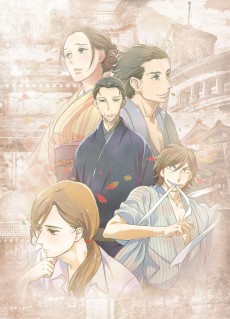
Connected through 3 aesthetic dimensions.

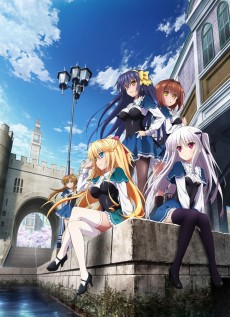
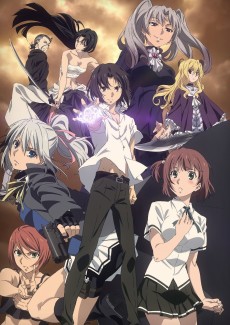
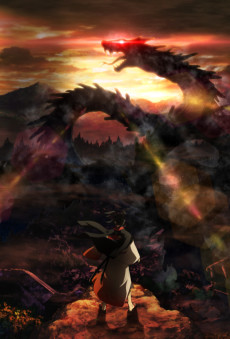
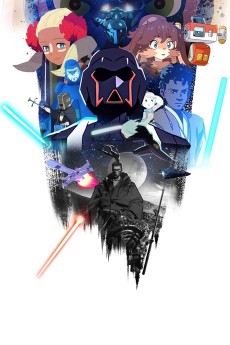
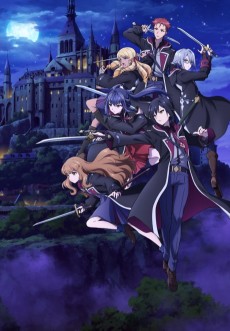
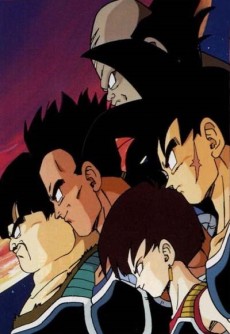
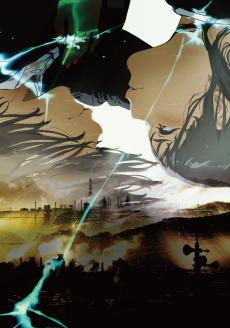
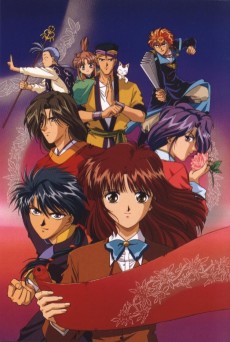
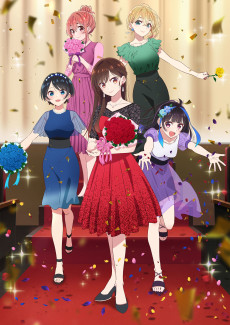
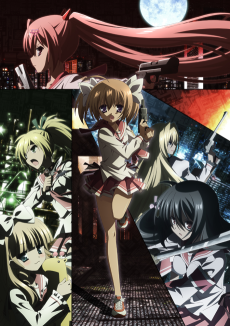
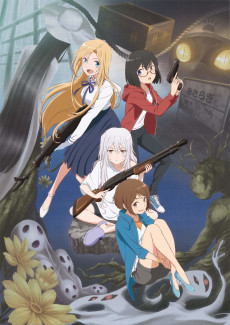
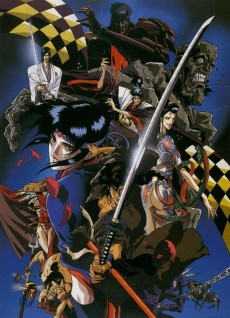
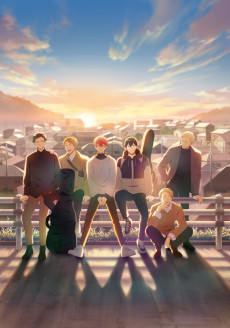
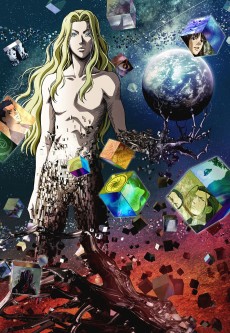
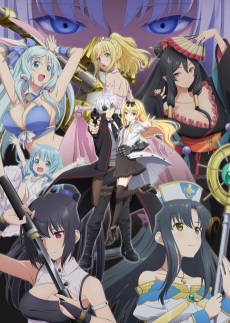
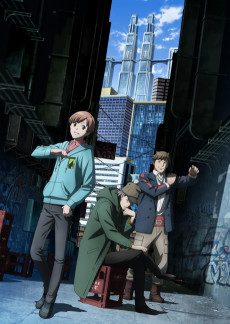
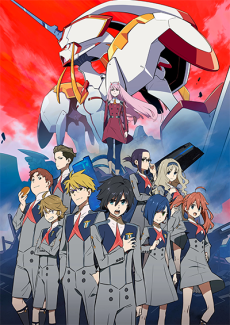
Albert Morcerf’s trembling hand hovering over the Count’s ornate, biomechanical mask mirrors Shepard’s first confrontation with Sovereign—two young leaders facing ancient, godlike intelligence disguised as aristocracy or machine. 💔 Emotional Narrative binds them: betrayal fractures Albert’s world just as Saren’s treachery shatters Shepard’s trust in the Citadel hierarchy. Unlike most space epics, *Gankutsuou*’s baroque sci-fi opulence and *Mass Effect*’s grounded galactic diplomacy both weaponize romance—not as subplot, but as tactical vulnerability.
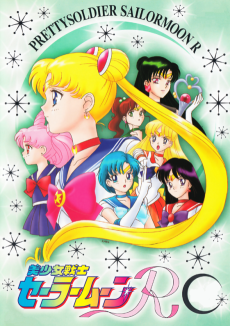
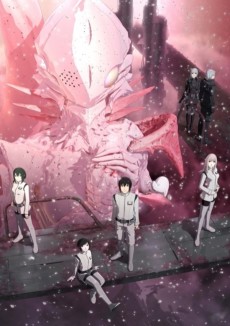
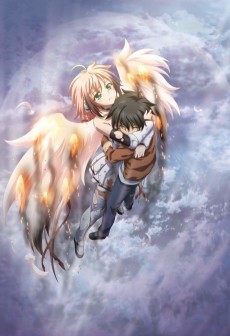
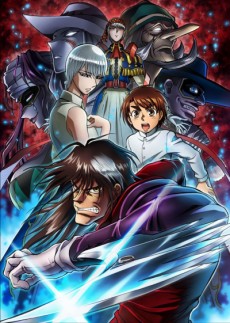
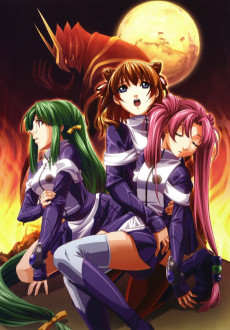
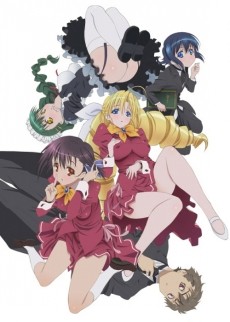
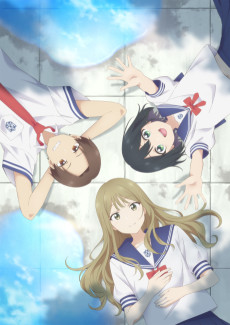
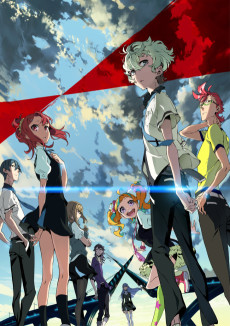
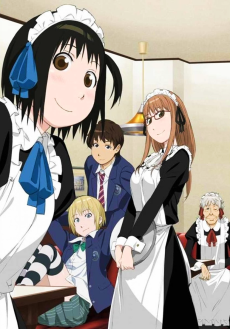
Usagi’s tearful reunion with Mamoru as her memories flood back mirrors Shepard’s first quiet moment aboard the Normandy—both hinge on love anchoring identity amid cosmic upheaval. Unlike most shoujo or military sci-fi, Sailor Moon R and Mass Effect (2007) fuse 💕 Romance & Shoujo with 🚀 Sci-Fi & Space not as backdrop but as narrative engine: Ail and Ann’s parasitic invasion parallels Sovereign’s indoctrination, turning intimacy into tactical vulnerability. That emotional stakes and galactic warfare coexist so seamlessly remains startling—and deeply resonant.
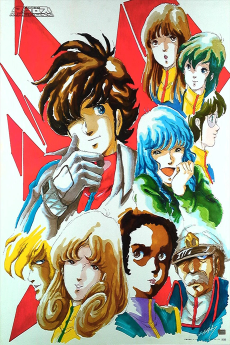
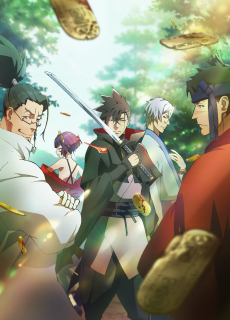
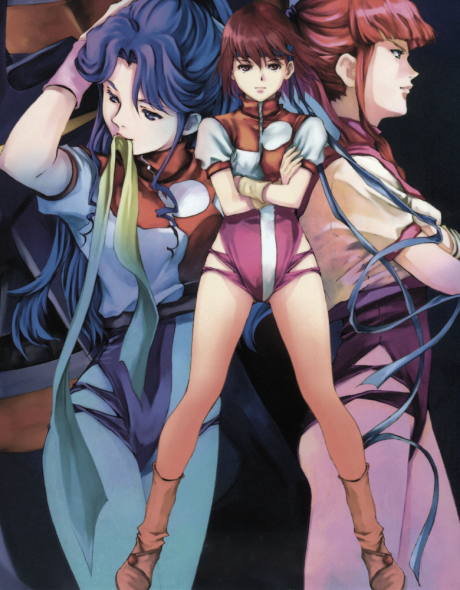
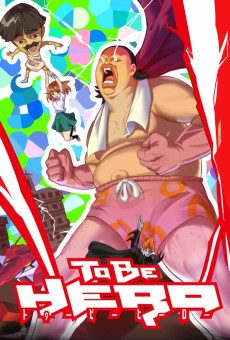
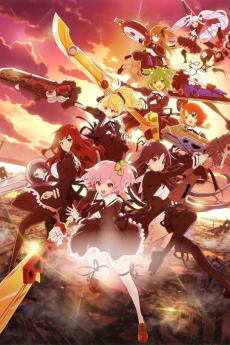
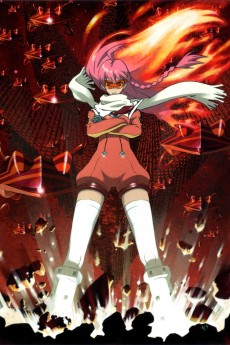
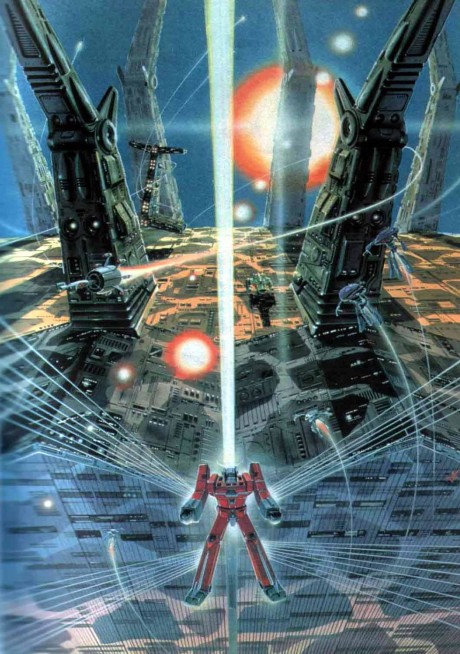
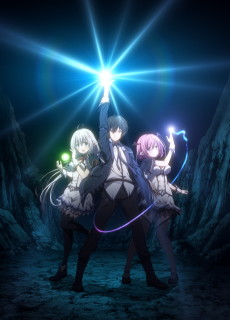
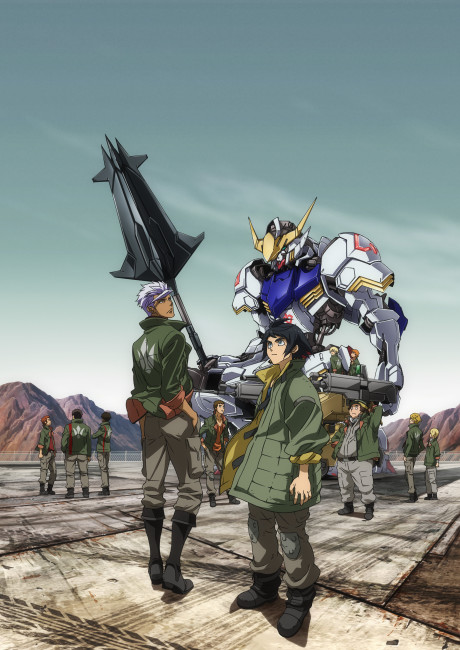
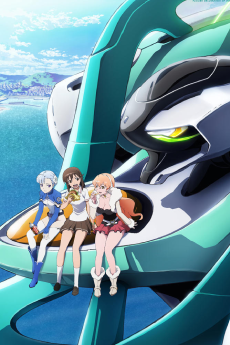
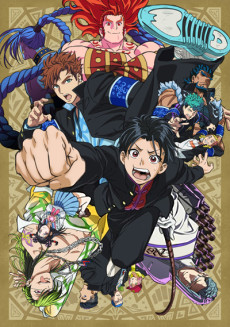
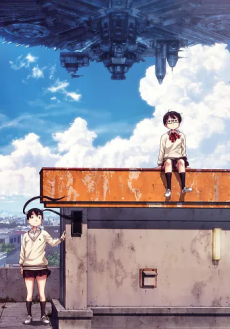
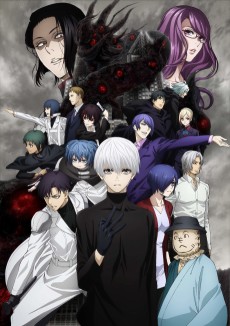
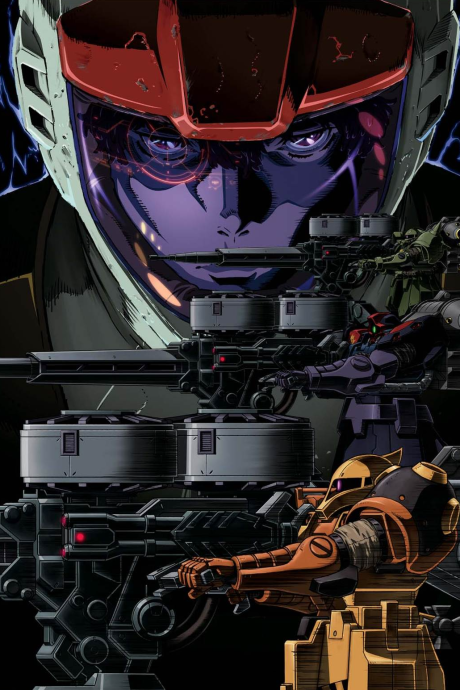
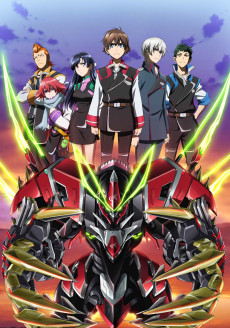
South Ataria Island’s wreckage becomes a crucible where love duels with duty—just as Shepard’s Normandy bridges galactic politics and quiet cabin conversations. Unlike most mecha shows, *Macross* (1982 TV series) weaves pop idol performances into its tactical warfare, mirroring how Mass Effect’s romance arcs deepen during debriefs or after firefights. That shared 💔 Emotional Narrative—rooted in war’s human cost, not just spectacle—makes their resonance startlingly intimate.
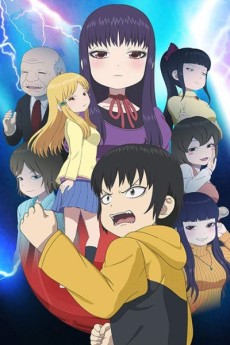
Connected through 4 aesthetic dimensions.
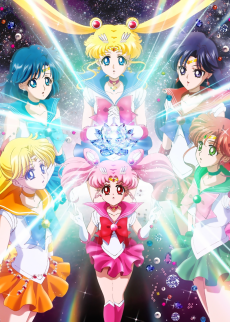
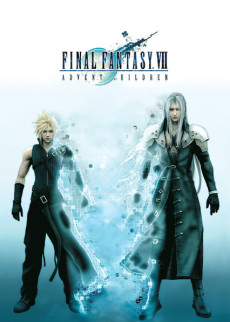
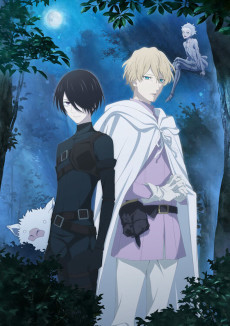
Luna’s crescent moon glows beside the Normandy’s holographic star map—two beacons guiding heroes through cosmic stakes and intimate heartbreak. Where Shepard rallies allies across biotic firefights, Usagi’s transformation sequences pulse with the same tactical urgency, turning emotional vulnerability into radiant, coordinated power. This resonance isn’t coincidence: 💔 Emotional Narrative binds them, as both works weaponize tenderness—Shepard’s loyalty missions, Usagi’s tearful vows—to fuel galactic-scale resistance.
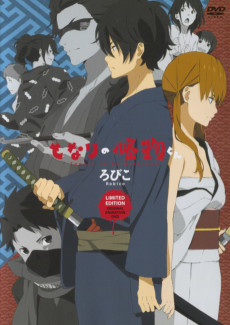
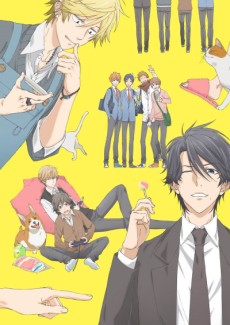
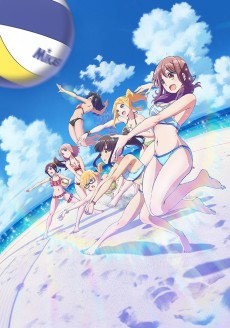
Connected through 2 aesthetic dimensions.
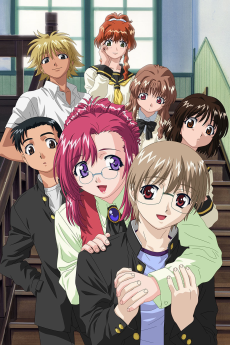
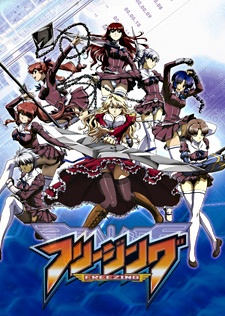
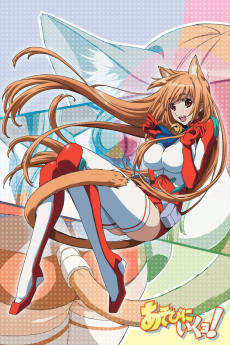
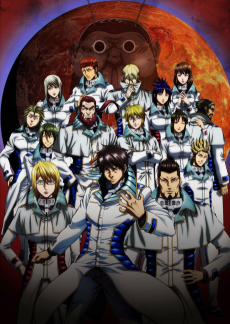
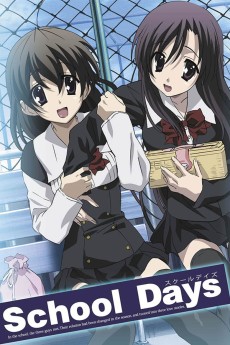
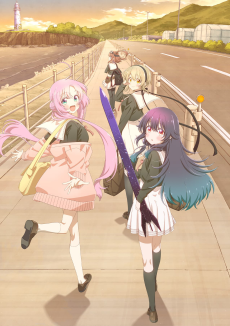
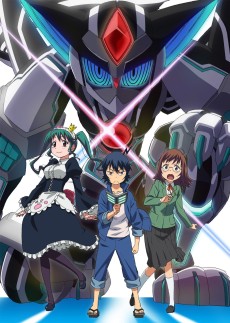
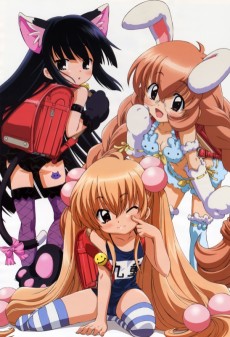
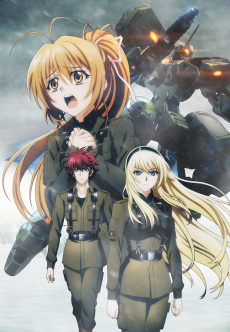
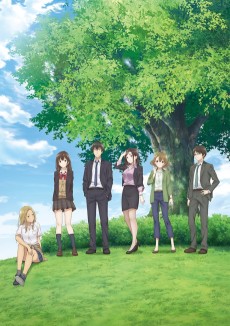
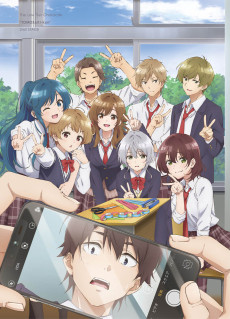
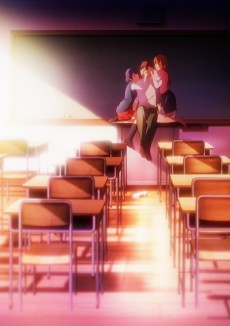
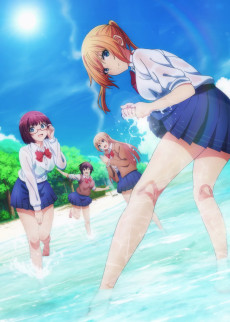
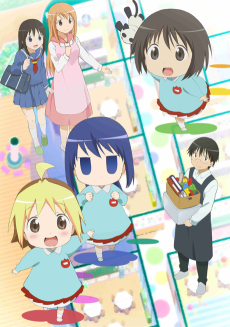
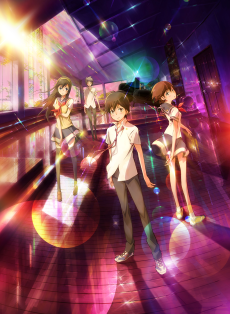
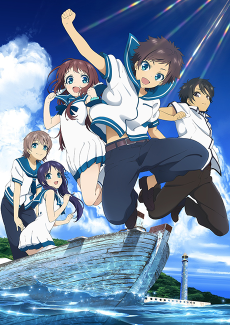
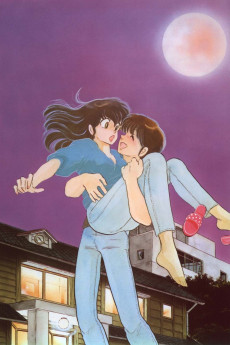
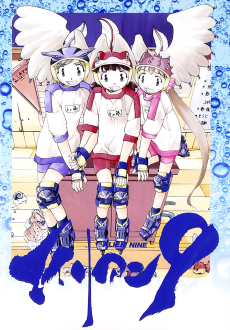
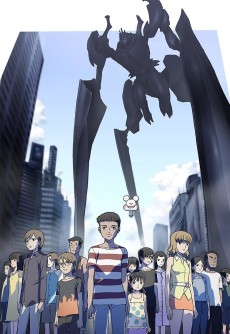
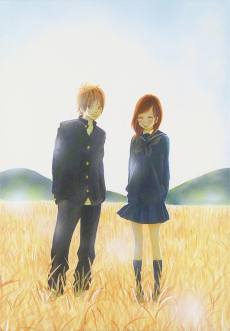
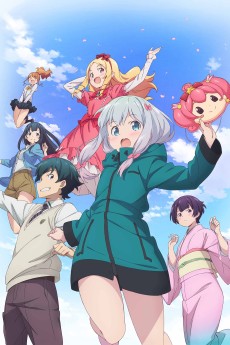
Kei’s flustered wedding vow to the alien teacher Miharu—delivered in a sun-dappled classroom—mirrors Shepard’s quiet, weighty romance choices aboard the Normandy’s dimly lit observation lounge. Unlike most sci-fi romances that sideline intimacy for spectacle, both anchor cosmic stakes in tender, grounded moments: 💕 Romance & Shoujo isn’t just present—it’s the emotional engine. That shared commitment to love as interstellar diplomacy makes their resonance startlingly sincere.
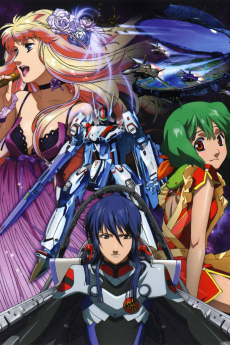
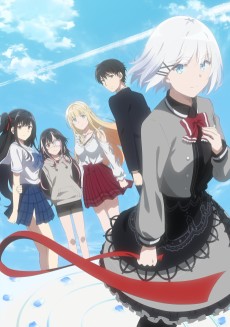
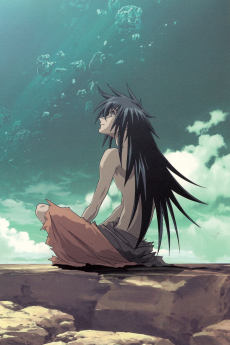
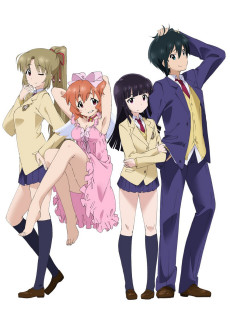
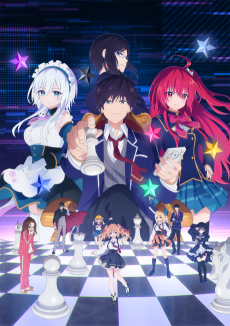
Connected through 3 aesthetic dimensions.
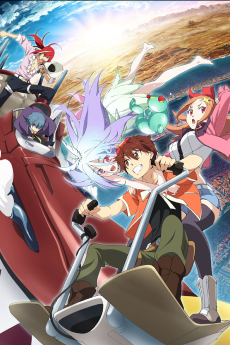
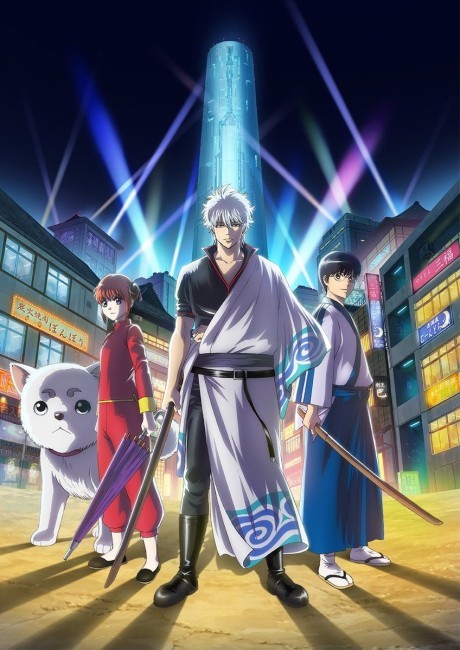
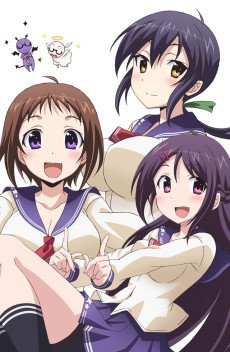
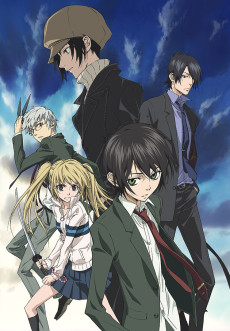
Connected through 3 aesthetic dimensions.

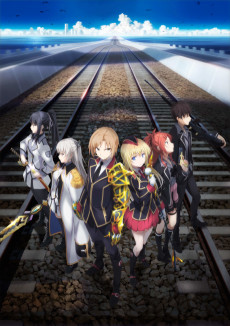
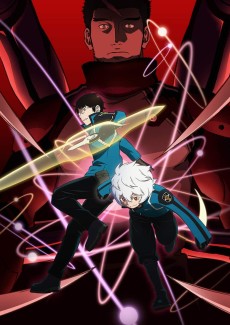
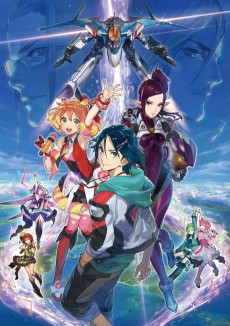








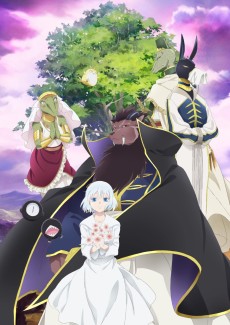

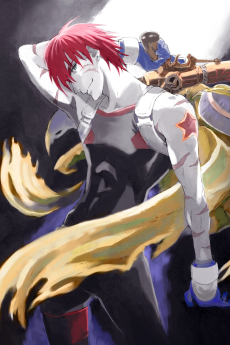



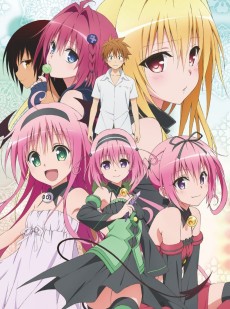

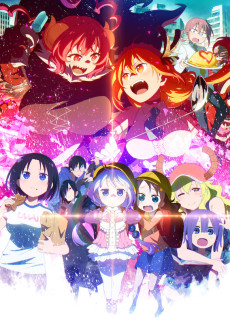



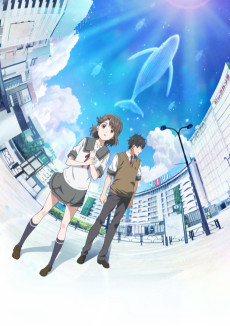


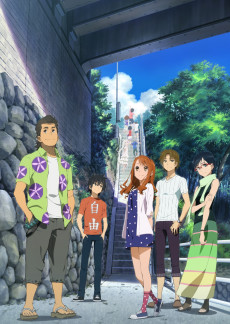

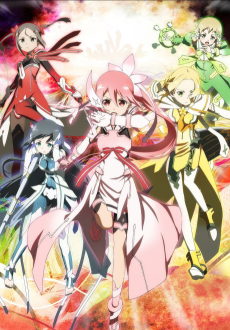
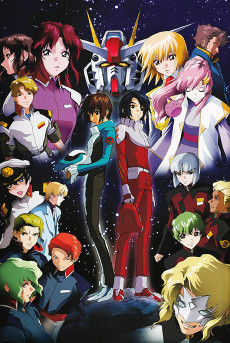




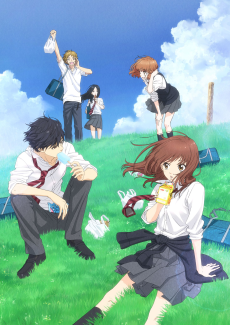
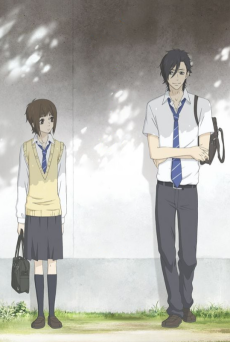

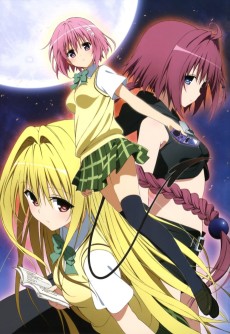


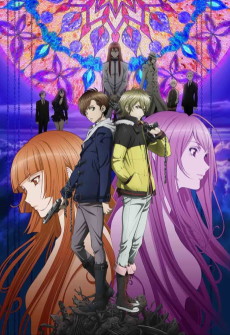




































Match Dimensions Explained
❓Frequently Asked Questions
Why is Gankutsuou: The Count of Monte Cristo compared to Mass Effect (2007)?
Because both hinge on a charismatic, morally complex leader (Shepard / Edmond Dantès) assembling a tight-knit, multi-species (or multi-cultural) crew for a galaxy-spanning mission fueled by revenge and redemption. The opera-inspired visuals and layered political intrigue in Gankutsuou’s space-opera adaptation mirror Mass Effect’s blend of personal stakes and galactic-scale consequences—like Shepard confronting Saren on Virmire or Dantès orchestrating his vengeance across the solar system.
Is there an anime adaptation of Mass Effect (2007)?
No—there’s never been an official Mass Effect anime, especially not one based *only* on the 2007 game. But fans who love that specific entry’s tone—gritty, grounded-in-its-moment storytelling, squad-based loyalty missions, and that raw, unpolished charm (remember how the PC version crashed constantly while the Xbox 360 version ran smoother?)—often reach for Macross, which nails the same emotional weight in its character-driven space warfare and has actual tactical squadron combat like the Normandy’s fireteam deployments.
Macross vs. Sailor Moon Crystal—which is better for Mass Effect (2007) fans who love the emotional squad bonds?
Macross wins hands-down for that vibe: think Rick Hunter’s evolving trust with Lisa Hayes and Roy Fokker, mirroring Shepard’s loyalty missions where choices *feel* consequential—not just narrative flavor. Sailor Moon Crystal leans more into cosmic destiny than earned camaraderie, while Macross gives you real-time mecha coordination, radio chatter under pressure, and quiet moments aboard ship that echo the Normandy’s mess hall banter before a suicide run.
What if I love Mass Effect (2007)’s ‘old-school but great story and gameplay’ vibe—what anime captures that best?
Go straight to Sailor Moon R—it’s got that same early-90s earnestness, hand-drawn charm, and surprisingly mature emotional beats (like Fiore’s tragic arc) without modern polish. Just like how players praise Mass Effect 2007 for its ‘bit old school on the graphics but great story and gameplay,’ Sailor Moon R delivers tight episodic stakes, genuine character growth across a season, and that rare balance of romance, sci-fi spectacle, and heartfelt teamwork—no reboots, no over-engineering, just soul.