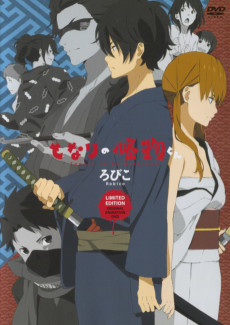
Tonari no Kaibutsu-kun: Tonari no Gokudou-kun
📺Anime Details
📝Editorial Analysis
The chalk dust hangs in the afternoon light like suspended time—just before the bell rings, just after the alien boy leans too close to pass a note, his fingers brushing hers, and she freezes, not because he’s other, but because he’s here, breathing the same air, sharing the same quiet panic of being seen. That’s the heart of Tonari no Kaibutsu-kun: Tonari no Gokudou-kun: not spectacle, but the tremor in a held breath when ordinary life cracks open just enough for something impossible—ninja, aliens, teachers with hidden pasts—to slip inside without breaking the floorboards.
What makes it ache so softly is how deeply it trusts smallness. This isn’t about saving worlds—it’s about deciphering why the kuudere alien stares at clouds instead of homework, why the ninja teacher folds origami cranes during staff meetings, why a shared bento box feels like a diplomatic treaty. The historical school setting isn’t backdrop; it’s pressure-cooked intimacy—every hallway, every classroom window, every rustle of a kimono sleeve carries weight because nothing is exaggerated, yet everything matters. You don’t laugh at the absurdity—you lean in, heart softening, because the alien’s awkwardness mirrors your own first confession, the ninja’s stoicism echoes that friend who cries silently in the library. It makes you feel tender, seen, quietly brave—like love isn’t declared, but witnessed, moment by fragile moment.
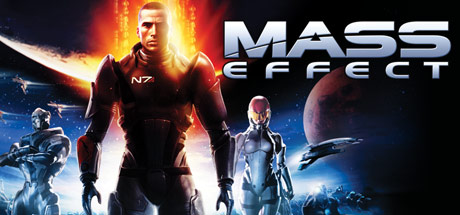
That same emotional DNA pulses in Mass Effect (2007)—not the galactic stakes, but the way Commander Shepard’s squad becomes family through shared silence in the Normandy’s mess hall, through loyalty missions that hinge on listening more than shooting. The player review nails it: “None of the follow-ups really captured what this game did”—because this Mass Effect treats romance like Tonari no Kaibutsu-kun treats proximity: slow, earned, grounded in gesture over grandeur. When Garrus adjusts his visor before confessing he’s been watching her back for months, or Liara traces a datapad edge while talking about Prothean ruins and her loneliness—that’s the same hushed vulnerability as the alien boy offering his umbrella without saying why. Both trust that intimacy lives in the pause, not the proclamation.
Then there’s VA-11 Hall-A: Cyberpunk Bartender Action, where every drink poured is a lifeline thrown across a bar counter. Its romance isn’t scripted—it’s extracted, molecule by molecule, from exhaustion, grief, and the quiet courage of showing up, again, for someone else’s story. The description calls it “Cyberpunk Bartender Action,” but the soul is shoujo-adjacent: tender, human-scaled, built on recognition. Like when the alien boy notices the protagonist’s favorite pencil eraser is worn down to nothing—and replaces it, wordlessly, with one identical. Or when VA-11 Hall-A’s Jill serves a synth-employee a whiskey sour and doesn’t ask about her glitching memory until after the third refill. Both understand that love isn’t always spoken—it’s remembered, anticipated, held in the space between two people who’ve learned each other’s rhythms.
And yes—the historical school, the aliens, the ninja—they’re not set dressing. They’re emotional translators. The alien isn’t “alien” because he’s from another planet; he’s alien because he’s learning how to be human, just like she’s learning how to be brave. The ninja isn’t cool because he throws stars—he’s compelling because he hides tenderness behind discipline, the way real people armor softness with routine. That’s why the matches resonate: they’re all anchored in presence. Not destiny, not conquest—not even plot—but the staggering, beautiful risk of staying near someone, day after ordinary, extraordinary day.
This pairing is for the person who saves voice memos of friends laughing, who replays a text thread until the words glow warm, who watches the rain from a window and thinks, I hope they’re dry. For the one who believes romance isn’t fireworks—it’s the exact shade of blue in someone’s notebook cover, the way a game’s dialogue branches not toward victory, but toward understanding, the way an alien’s hand hovers, uncertain, over yours—not reaching, not retreating—just there, breathing the same suspended air. Tender. Quiet. True.
🎮2 Games That Match the Vibe

Match Dimensions Explained
❓Frequently Asked Questions
Why does Mass Effect (2007) show up in 'Games Like Tonari no Kaibutsu-kun: Tonari no Gokudou-kun' matches?
Because both hinge on slow-burn, emotionally grounded romance amid high-stakes personal growth—like how Shepard’s quiet, respectful rapport with Liara mirrors Shizuku and Ryu’s hesitant, tender dynamic in the cafeteria scenes. The match isn’t about genre overlap (space opera vs. school life), but shared tonal DNA: earnest vulnerability, meaningful eye contact during dialogue, and romance that deepens through small, repeated interactions—not grand declarations.
Is there a visual novel adaptation of Tonari no Gokudou-kun?
No official visual novel exists—but VA-11 Hall-A nails that same vibe: intimate, character-driven storytelling where you build relationships through low-key, everyday moments (like serving drinks to weary cyborgs at midnight), much like Shizuku and Ryu bonding over shared silence and stolen glances. Players consistently praise its ‘shoujo-adjacent warmth’ and emotional authenticity, which is why it’s in the match list alongside Mass Effect.
How does VA-11 Hall-A compare to Mass Effect (2007) for someone who loves Tonari no Gokudou-kun’s quiet romance?
VA-11 Hall-A leans into cozy, slice-of-life intimacy—think Ryu quietly sliding a bento across the desk—while Mass Effect (2007) delivers quieter, more restrained romance beats (e.g., Shepard and Liara’s first real conversation in the Presidium gardens). Both avoid melodrama, prioritize emotional subtext over exposition, and let chemistry build through presence and timing—exactly what fans of Gokudou-kun’s understated tenderness respond to.
What’s the best game like Tonari no Gokudou-kun if I want that soft, hopeful, slightly awkward teenage romance vibe?
VA-11 Hall-A is your best bet—it captures that gentle, hopeful awkwardness perfectly: characters fumble with feelings over coffee orders, conversations breathe with unspoken meaning, and every interaction feels weighted with care, just like Shizuku noticing Ryu’s nervous habit of adjusting his collar before speaking. Mass Effect (2007) works too, but VA-11 Hall-A mirrors Gokudou-kun’s pacing and emotional texture more closely.