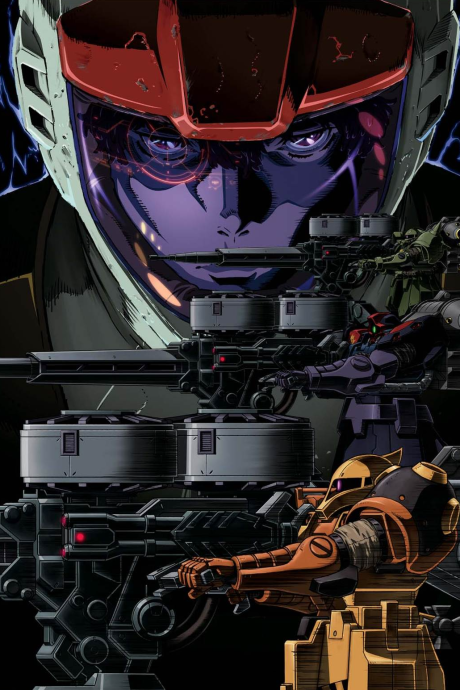
Mobile Suit Gundam Thunderbolt: December Sky
During the One Year War of U.C. 0079, the Earth Federation and Principality of Zeon engage in a fierce battle at the "Thunderbolt Sector", a shoal zone in the former Colony Side 4 "Moore". After successfully infiltrating Zeon's sniper field, ace Federation pilot and jazz enthusiast Io Fleming is given control of the latest Gundam prototype.
(Source: Gundam Wikia)
📺Anime Details
📝Editorial Analysis
The smell of ozone and burnt insulation hangs thick in the cockpit as Io Fleming’s fingers tighten on the controls—not in triumph, but in exhaustion. His knuckles are white. The Gundam prototype shudders under sustained fire from Zeon snipers hidden in the skeletal ruins of Moore Colony—twisted girders, shattered viewports, zero-G debris spinning lazily past like frozen shrapnel. There’s no heroic music swelling, no rallying cry—just the low, guttural whine of damaged servos and the crackle of a dying comms channel. He breathes in, slow, then exhales through his nose. Jazz isn’t playing. Not this time.
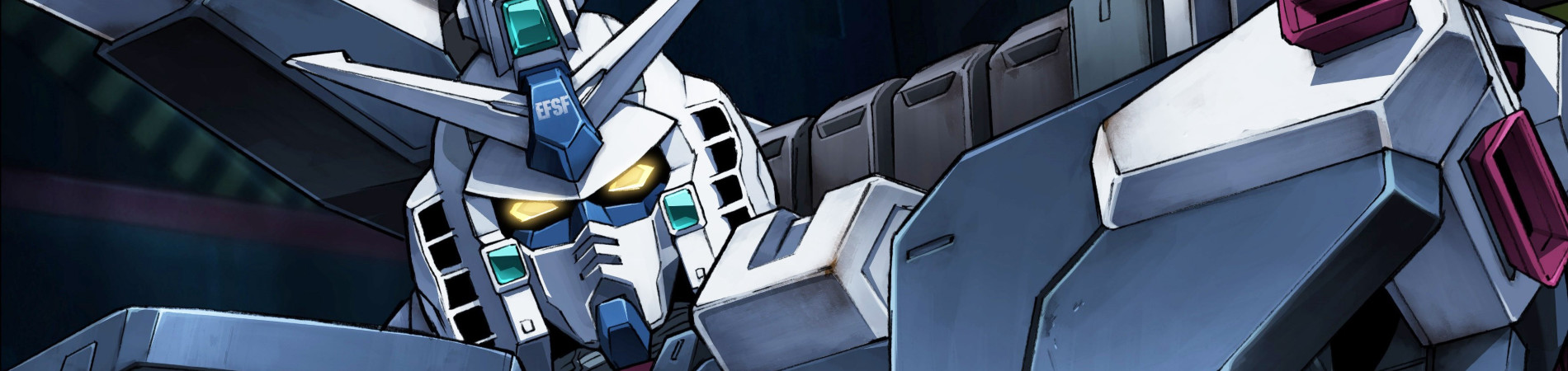
That silence—that weight—is what defines Mobile Suit Gundam Thunderbolt: December Sky. It’s not war as spectacle or ideology as spectacle. It’s war as accumulation: of fatigue, of compromised choices, of bodies and machines wearing down in tandem. The Thunderbolt Sector isn’t a battlefield—it’s a wound, a scar in space where gravity is gone but consequence remains brutally physical. You feel the claustrophobia of the Federation’s cramped cockpits, the way light fractures across cracked canopy glass, the way sound doesn’t carry cleanly in vacuum—so when it does, like a hull breach hissing or a comrade’s voice cutting out mid-sentence, it lands like a physical blow. This isn’t about winning. It’s about enduring, with your nerves frayed, your body marked, your jazz records gathering dust in a locker you might never open again.
Tank Universal hits that same nerve—not with mechs, but with steel and memory. Its description cites Tron and Battlezone, but the player review reveals its true resonance: “Play cool tank game with dad when you were 6… dad passes away…” That line isn’t nostalgia—it’s grief folded into mechanics. Like Io’s Gundam, the tank is both weapon and coffin, a vessel carrying history you can’t outrun. The “cool sound effects” and “colors” aren’t just aesthetic—they’re sensory anchors to a past that’s receding, much like Io’s jazz, now muted by the war’s static. Both works treat technology not as liberation, but as interface with loss: the tank’s turret traverse echoes the slow, deliberate turn of Io’s head scanning for threats; the virtual 3D world mirrors the disorienting geometry of the Thunderbolt Sector—vast, artificial, indifferent.
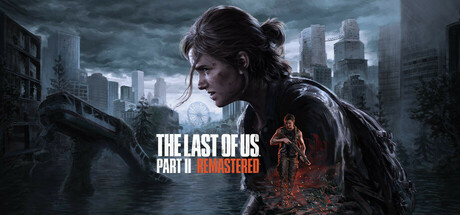
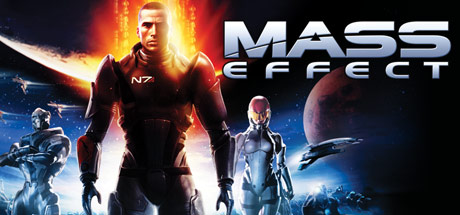
Then there’s Mass Effect (2007)—not the trilogy, this game. The player review insists on that distinction: “None of the follow-ups really captured what this game did.” Why? Because this Mass Effect carries the same tactical intimacy as December Sky: every squad command feels consequential, every corridor in the Citadel’s lower wards hums with unspoken tension, every choice carries the quiet dread of escalation. Shepard’s first mission on Eden Prime isn’t about saving the galaxy—it’s about stepping onto scorched soil, seeing the bodies, hearing the distorted emergency broadcast—and realizing the rules have already changed. Like Io infiltrating the sniper field, Shepard moves through environments where architecture itself is hostile, where cover is thin and trust thinner. The “Tactical Warfare” dimension isn’t about stats—it’s about bodily presence in danger, the way your thumb hovers over the reload button just as Io’s finger trembles before firing. Both refuse catharsis. Victory is measured in meters gained, not speeches given.
And yes—the disability tag matters. Not as metaphor, but as material reality. Io’s body bears the cost. So do Shepard’s scars, visible in the reflection of a Normandy viewport. So does the player’s own embodied memory in Tank Universal, where the act of playing becomes inseparable from the loss embedded in the review: “loose access to game. Grew up dad passes away…” That’s not backstory—it’s texture. It’s why the gunfire in December Sky sounds less like action and more like punctuation—each report closing a sentence you didn’t know was ending.
This pairing isn’t for the casual fan who wants clean arcs or triumphant endings. It’s for the person who watches Io adjust his grip after a tremor runs up his arm—and recognizes their own hand shaking after a long day. For the one who replays the opening cutscene of Mass Effect (2007) not for the lore, but for the way Shepard’s breath fogs the helmet visor for half a second before clearing. For the one who still hears the low thrum of Tank Universal’s engine in their bones, even though the disc is lost, the console long gone—because some sounds don’t leave you. They settle. These works speak to adults who’ve learned that courage isn’t the absence of fear, but the continuation of motion despite the weight, the ache, the quiet, unbearable gravity of being alive in a broken world.
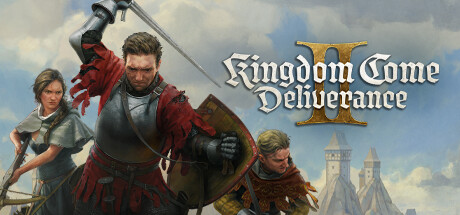
🎮5 Games That Match the Vibe
Match Dimensions Explained
❓Frequently Asked Questions
Why does Tank Universal match December Sky so well despite having no mobile suits?
Because both lean hard into gritty, emotionally heavy sci-fi storytelling with adult themes—like guilt, loss, and moral ambiguity—set against vast, oppressive space battlefields. Tank Universal’s virtual warzone echoes Thunderbolt’s bleak asteroid belt skirmishes, and its melancholic tone (plus that heartfelt player review about losing a parent) mirrors how December Sky uses silence and trauma to ground its mecha action.
Is there a Mass Effect game that captures Thunderbolt’s lone-wolf ace pilot vibe?
Mass Effect (2007) nails it—not through squad banter, but in how Shepard *earns* command: tight tactical combat, high-stakes zero-G firefights, and that haunting sense of isolation when you’re the only one who sees the bigger threat. The player review even calls out how this original game—unlike the sequels—keeps that raw, urgent focus on personal conviction over spectacle, just like Io’s solo runs in the Thunderbolt arc.
How does Tank Universal compare to Mass Effect (2007) for Thunderbolt fans who want dark, grounded sci-fi?
Tank Universal trades Mass Effect’s squad-based diplomacy and galactic politics for visceral, claustrophobic tank warfare inside a decaying digital frontier—think Thunderbolt’s ‘Cicada’ cockpit tension, not the Normandy’s lounge. Both score high on Emotional Narrative and Sci-Fi & Space, but Tank Universal leans into Seinen-style introspection (that bittersweet player memory about playing with dad), while Mass Effect (2007) delivers tactical intensity with weightier character stakes.
What’s the best game like Thunderbolt: December Sky if I want that quiet, heavy-in-the-chest feeling after a brutal space battle?
Tank Universal—it’s the only match that shares December Sky’s Adult & Dark Seinen dimension, and its somber, reflective pacing (like drifting through silent ruins post-combat) mirrors how Thunderbolt lingers on wreckage, silence, and unresolved grief. That player review about losing access to the game—and then losing a parent—hits the same emotional resonance as Io staring at the stars after another kill.