
Sailor Moon Sailor Stars
📺Anime Details
📝Editorial Analysis
The final battle on the Moon — not with swords or spells crackling in the air, but with silence: Usagi standing alone under a shattered sky, hair unbound, tears drying mid-fall as she chooses mercy over vengeance, her voice trembling not with rage but with unbearable tenderness. That’s Sailor Moon Sailor Stars — not spectacle first, but the unbearable weight of love insisting it be enough, even when the universe says otherwise.
This isn’t just shoujo fantasy — it’s grief dressed in glitter, hope stitched with fraying thread. You feel the exhaustion in the characters’ shoulders after every transformation, the way laughter bubbles up because the world is falling apart, not despite it. It makes you think about how loyalty isn’t static — it bends, cracks, reshapes itself around new faces, new betrayals, new kinds of family forged in war’s aftermath. The magic isn’t clean; it’s messy, emotional, often inconvenient — a power that flares brightest when someone chooses to stay, to forgive, to hold space for another’s pain instead of erasing it. There’s slapstick in the cafeteria, yes — but it lands because you know these girls are carrying galaxies inside their ribs.
That same emotional DNA pulses through Prince of Persia, where action isn’t just acrobatics — it’s romance made kinetic. The description calls it “an all-new epic journey” built by Ubisoft Montreal, and the player review notes it’s “completely separate from the sands…” — which mirrors how Sailor Moon Sailor Stars deliberately fractures its own continuity, introducing alien senshi, rewriting loyalties, forcing Usagi to rebuild trust from scratch. Both trade in spectacle that serves feeling: a leap across crumbling ruins echoes Usagi’s leap into the void to save Galaxia — not because she’s invincible, but because she refuses to let go. The “Romance & Shoujo” dimension isn’t about dating sims — it’s about devotion as physics, gravity pulling characters toward each other even when logic screams retreat.
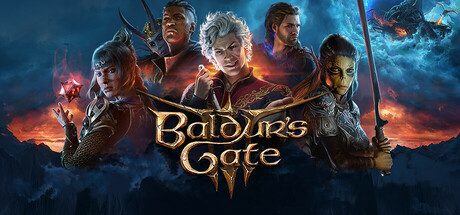
Then there’s Baldur’s Gate 3, scoring 81 on “Romance & Shoujo” and “Emotional Narrative.” Player reviews don’t mention mechanics — they sink into consequence: choices that fracture friendships, love that demands sacrifice, dialogue where silence speaks louder than spells. Just like Sailor Moon Sailor Stars, where Haruka and Michiru’s bond deepens not in grand declarations but in shared glances across a battlefield, or where Seiya’s unrequited love becomes a quiet, persistent hum beneath every fight — not tragic, but honored, woven into the fabric of care. BG3’s emotional weight lives in those small, irreversible turns — exactly where Sailor Stars places its heaviest moments: a hand held too long, a name spoken without title, a vow rewritten mid-sentence.
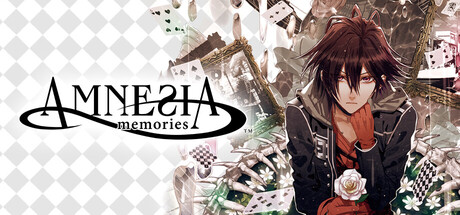
And Amnesia™: Memories, at 80, hits the same triad: “Romance & Shoujo, Emotional Narrative, Comedy & Parody.” Its very title whispers memory-as-fragile-thing — like Usagi’s fragmented past, like the Sailor Starlights’ erased identities, like the way laughter in Sailor Stars often arrives right after someone breaks down. The parody isn’t mockery — it’s tenderness wearing a silly hat, a defense against despair. One player might call TS4 “awful” for its DLC grind, but Amnesia™: Memories leans into the absurdity of healing — bath bombs, awkward confessions, amnesia as metaphor — just as Sailor Stars uses slapstick during a war to say: We’re still human. We still trip. We still blush.
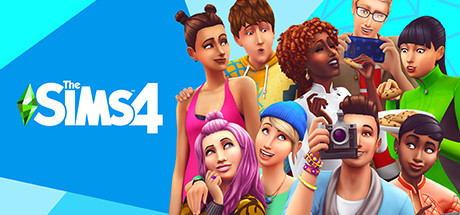
You’d love this pairing if you’ve ever cried laughing while rewatching a scene where Makoto tries (and fails) to bake peace offerings for alien invaders — or if you’ve spent hours in The Sims™ 4, not building houses, but arranging two Sims on a park bench at sunset, watching their relationship meter climb in real time, knowing it won’t last forever but wanting it to anyway. It’s for the ones who keep playlists titled “Healing Soundtrack (No Promises)” and replay the moment Galaxia dissolves not into light, but into quiet breath — because what stays isn’t victory, but the softness left behind.
🎮17 Games That Match the Vibe

Match Dimensions Explained
❓Frequently Asked Questions
Why does Prince of Persia show up in Sailor Moon Sailor Stars matches?
Because both lean hard into romantic tension and theatrical action—think Usagi’s heartfelt pleas mid-battle mirrored by the Prince’s desperate, emotionally charged duels against time and fate. The franchise’s emphasis on sweeping gestures, star-crossed chemistry (like the Prince and Elika), and over-the-top visual spectacle lines up perfectly with Sailor Stars’ celestial drama and transformation sequences.
Is there a Sailor Moon Sailor Stars anime or game adaptation?
No official Sailor Stars game exists—but Amnesia™: Memories nails that same vibe: you play as a girl regaining fragmented memories while navigating deep emotional bonds with characters like Tatsuya and Ren, complete with shoujo-style romance routes and playful parody moments (like the absurd 'memory-erasing pudding' gag) that echo Sailor Stars’ blend of sincerity and silliness.
How does Baldur’s Gate 3 compare to Undertale for Sailor Stars fans?
Both deliver intense emotional narrative and romance options, but BG3 leans into mature, choice-driven drama—like building trust with Astarion through layered dialogue and moral weight—while Undertale offers surreal, fourth-wall-breaking comedy and heart-wrenching character arcs (Sans’ quiet grief, Undyne’s fierce loyalty) that mirror Sailor Stars’ tonal whiplash between cosmic stakes and goofy, heartfelt banter.
What’s the best Sailor Stars-like game if I want cozy, slice-of-life vibes with romance and gentle humor?
The Sims™ 4 is your pick—even with its DLC frustrations, its core charm shines when you craft Sailor Moon–style lives: make a pink-haired Sim named Usagi who bakes moon cakes, flirts awkwardly with a 'Tuxedo Mask' NPC, throws glittery parties, and stumbles through slapstick mishaps (like setting her own kitchen on fire). It captures the warm, domestic comedy-and-romance layer that Sailor Stars sprinkles between battles.