
Miss Kobayashi's Dragon Maid S
A strange turn of events leads the Dragon, Tohru, to work as Miss Kobayashi's maid. She occasionally (that's a lie, she often) causes trouble for her beloved Miss Kobayashi while blending into human society and splendidly (that's a lie, only mediocrely) carrying out her maid duties. Her fellow dragons, Kanna, Lucoa, Fafnir, and Elma all find their own places to fit in as well and enjoy interspecies interactions with the humans. Yet while they're all enjoying that laid-back and occasionally turbulent left, the threat of a new Dragon swoops down upon Miss Kobayashi.
(Source: Crunchyroll)
📺Anime Details
📝Editorial Analysis
The steam curls from Tohru’s mug as she kneels beside Kobayashi’s kotatsu, tail curled neatly under her skirt, watching snow fall outside the window—not with longing, but quiet presence. She doesn’t speak. Neither does Kobayashi. A half-finished crossword lies between them. Kanna naps, curled like a comma, against Kobayashi’s thigh. Lucoa’s floating teacup hovers just above the tatami—tilted, perpetually on the verge of spilling, yet never does. It’s not stillness. It’s fullness: warmth held in suspension, chaos gently contained.
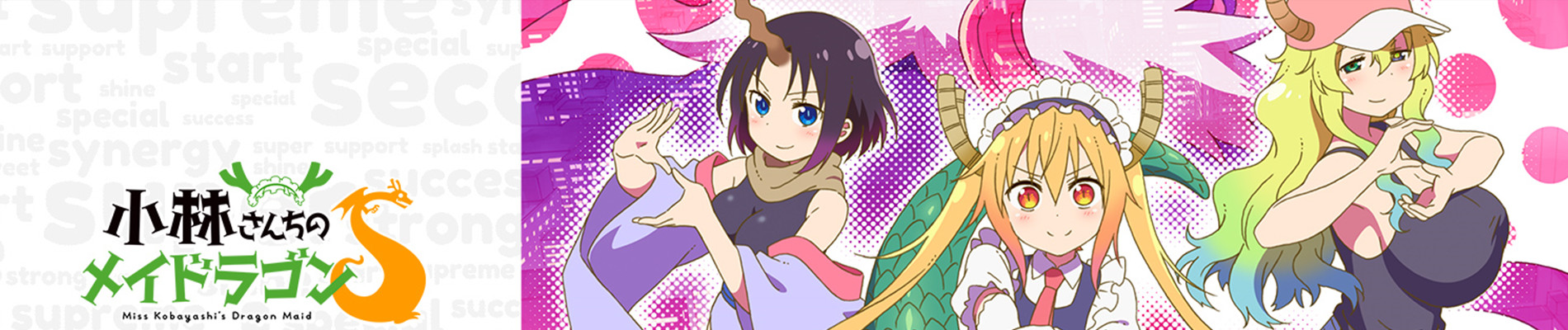
That’s the feeling Miss Kobayashi's Dragon Maid S gives you—not whimsy as escape, but belonging as practice. It’s the weight of a dragon learning to fold laundry without incinerating it; the soft friction of scales brushing against wool socks; the way Elma’s gruffness dissolves when she’s braiding Kanna’s hair while humming off-key. This isn’t fantasy dressed up as slice-of-life—it is slice-of-life, deepened by magic that behaves like weather: unpredictable, sometimes inconvenient, always part of the air you breathe. You don’t watch it to chase plot. You stay for the texture—the sigh after a failed soufflé, the shared glance over burnt toast, the unspoken trust in a hand resting, just once, on a scaled shoulder. It makes you think about how care isn’t grand gestures—it’s remembering how someone takes their tea, or letting them nap on your lap even when their tail knocks over the salt cellar. It makes you feel tended to, even as characters fumble their way toward tenderness.
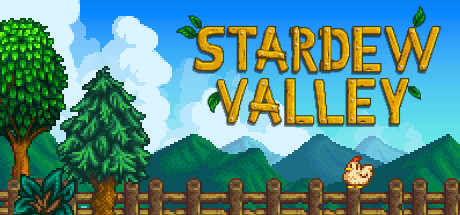
That emotional DNA pulses in Stardew Valley, where inherited land isn’t just dirt and crops—it’s time made tangible. Like Kobayashi’s apartment, Pelican Town is a space where healing isn’t dramatic; it’s watering crops at dawn, donating fossils to the museum, or sitting beside Emily on the bridge as fireflies blink overhead. The player review nails it: “Spent the first 2 years trying to do everything and never having enough time.” That frantic early rhythm mirrors Tohru’s first weeks—over-earnest, over-prepared, constantly misreading human rhythm—until slowly, slowly, the pace settles into something sustainable, intimate. Both ask you to measure life not in wins, but in seasons tended, relationships deepened, quiet mornings earned.
Then there’s Chains, whose description calls it “a relaxing arcade match 3 casual game” built on linking bubbles—simple, physics-driven, iterative. Its player review compares it to Connect Four: minimal rules, escalating nuance, satisfaction in clean, small completions. That’s the show’s emotional grammar too. Tohru doesn’t save the world; she saves dinner by whisking eggs just right. Kanna doesn’t master magic—she masters the art of asking for help without shame. Each episode is a chain of tiny, resonant links: a shared bath, a misunderstood idiom, a dragon’s claw carefully buttoning a child’s coat. No grand arc—just the relief of connection clicking into place, again and again.
Even The Sims™ 4, despite its player review lamenting broken DLC and cost barriers, shares that core impulse: Play with life and discover the possibilities. Its promise isn’t story—it’s arrangement, the joy of placing a bookshelf just so, choosing wallpaper that catches afternoon light, watching two Sims sit side-by-side on a porch swing, not speaking, just existing together. That’s Kobayashi and Tohru on the balcony, shoulders almost touching, watching city lights bloom below—not performing intimacy, but inhabiting it, pixel by pixel, frame by frame.
You’d love this pairing if you’ve ever cried over a character folding laundry. If you replay Stardew’s Year 1 not for profit, but to rewatch Haley’s birthday cutscene—the one where she finally lets her guard down over cake. If you pause Chains mid-level just to admire the ripple of color spreading across the board, because it feels like a breath held and released. If you keep Miss Kobayashi's Dragon Maid S on loop not for jokes, but for the sound of Tohru’s voice dropping to a murmur when she says, “I’m home”—and how Kobayashi’s shoulders soften, imperceptibly, every single time. This is for people who believe healing is a verb done in teaspoons, who find romance in shared silence, and who know that the most radical magic isn’t flight or fire—it’s choosing, daily, to stay.
🎮33 Games That Match the Vibe



























Match Dimensions Explained
❓Frequently Asked Questions
Why does Stardew Valley keep coming up when I search for games like Miss Kobayashi's Dragon Maid S?
Because both lean hard into cozy, slow-life healing vibes with warm romance subplots—like befriending villagers (Kobayashi’s dragon housemates) and building meaningful relationships over time. You’ll spot the same gentle pacing in Stardew’s seasonal festivals, marriage proposals, and even the way characters like Maru or Emily open up gradually—just like Tohru warming up to Kobayashi’s apartment life.
Is there a Miss Kobayashi's Dragon Maid S visual novel or dating sim adaptation?
No official visual novel or dating sim exists—but Chains captures that intimate, emotionally resonant slice-of-life feel through its quiet, meditative match-3 gameplay and heartfelt narrative beats. Players describe it as ‘connect 4 in a nutshell,’ where linking bubbles feels soothing and deliberate, much like the tender, low-stakes moments between Kobayashi and Tohru—no combat, no rush, just soft emotional payoff.
Stardew Valley vs. The Sims 4—which is better for that cozy dragon-maid-style domestic fantasy?
Stardew Valley wins hands-down for that specific vibe: it’s all about nurturing relationships, cooking meals, decorating your farmhouse, and watching friendships bloom organically—like Tohru helping Kobayashi cook or Shouta fixing the sink. TS4 *could* do it, but as one player bluntly put it, ‘you can barely do a...’ without expensive, buggy DLC—and even then, it lacks Stardew’s intentional warmth and story-driven romance arcs.
What’s the best game like Miss Kobayashi’s Dragon Maid S if I just want to relax and feel emotionally safe?
Chains is your go-to—it’s literally designed for healing and slow life, with physics-based bubble-linking that’s calming, tactile, and deeply satisfying. One reviewer said it ‘reminds me of connect 4 in nutshell,’ which nails the gentle, focused joy of small daily rituals—like Tohru folding laundry or Kobayashi sipping tea—no stakes, no stress, just quiet emotional resonance.