Stardew Valley
You've inherited your grandfather's old farm plot in Stardew Valley. Armed with hand-me-down tools and a few coins, you set out to begin your new life. Can you learn to live off the land and turn these overgrown fields into a thriving home?
🎮Game Details
💬What Players Say
"Spent the first 2 years trying to do everything and never having enough time. Days upon days of constantly running around trying to find the town folk who asked for help and celebrating every festival/birthday only to pass out at 2am and have my pockets molested. Things are way different in the DPRK...."
"Stardew Valley was one of those games that I had heard about for years and simply had no interest in. It isn't my style, it isn't the type of content I play at all. But one day I was so unbelievably bored that I thought, f*ck it- let's play Stardew Valley...."
"Stardew is the king of cozy games. Sublime pixel art, satisfying gameplay, loveable characters & enchanting music. The fact that it was all created by one guy is just mind-blowing...."
📝Editorial Analysis
The first time you wake up on that rainy morning—damp earth smell clinging to your boots, the creak of the farmhouse door, the slow drip of water from the eaves—you’re not thinking about profit margins or crop rotations. You’re watching a robin hop across the muddy path toward the broken-down coop, and for three breaths, nothing else exists. That’s Stardew Valley: not a farm simulator, but a pause button pressed gently into the frantic pulse of modern life—exactly as the player review says: “Spent the first 2 years trying to do everything and never having enough time… celebrating every fest.” It’s exhaustion and euphoria tangled in the same sun-dappled afternoon.
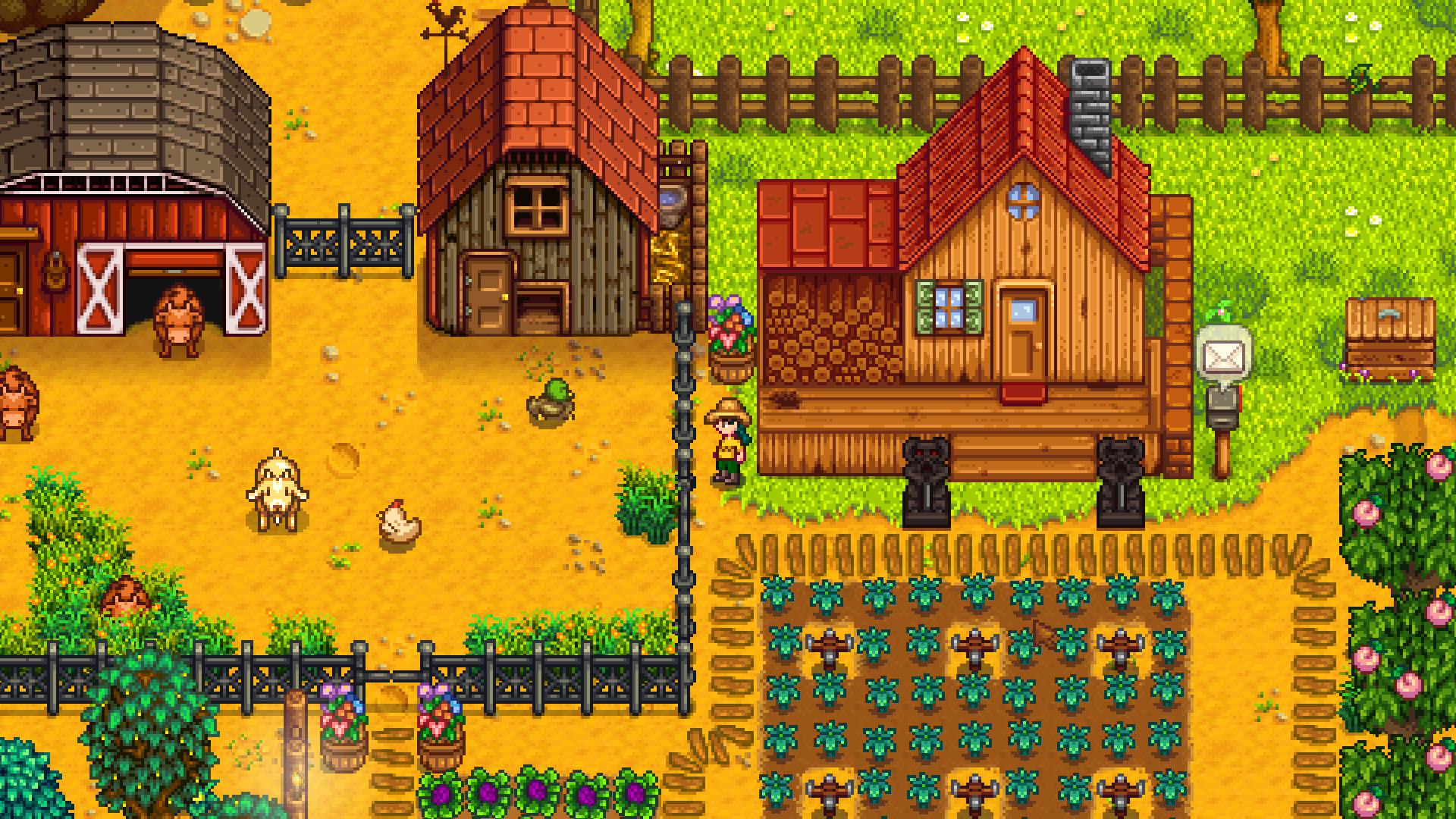
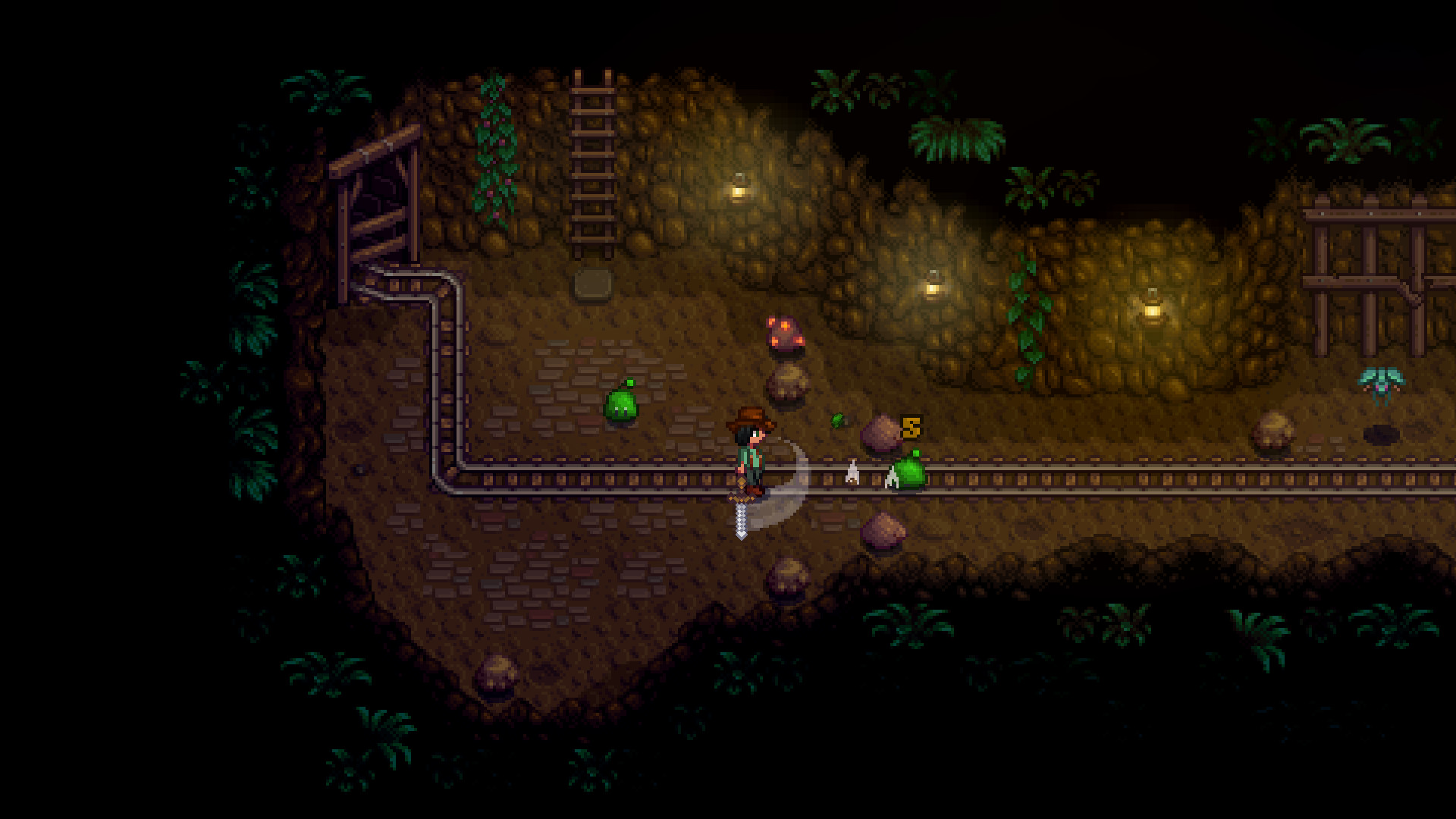
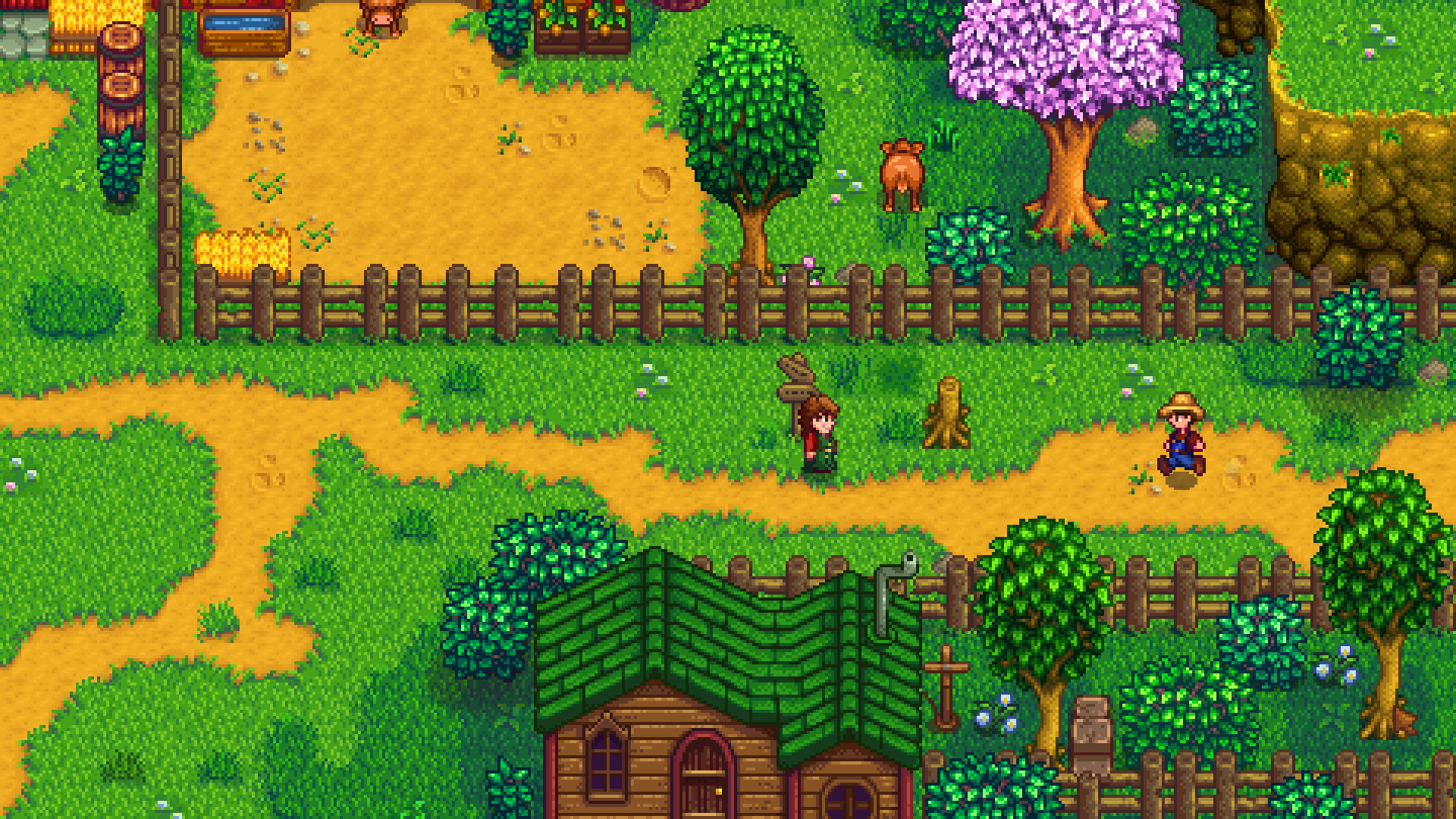
What makes Stardew Valley’s atmosphere singular isn’t its pixel art (though the sublime pixel art is undeniable) or its crafting loops—it’s how it reorients your relationship to time itself. You don’t conquer days; you breathe them. The game doesn’t reward speed—it rewards noticing: the way Linus’s eyes crinkle when you hand him roasted eggplant, the weight of a perfectly ripe strawberry in your palm, the quiet hum of the mine elevator descending into warm, amber-lit stone. It asks you to hold space—not for achievement, but for presence. That’s why the player who “had no interest” still got “unbelievably b…”—not bored, not frustrated, but broken open, mid-sentence, by something soft and insistent blooming inside them. This isn’t escapism. It’s reclamation: of slowness, of care, of the sacred ordinary.
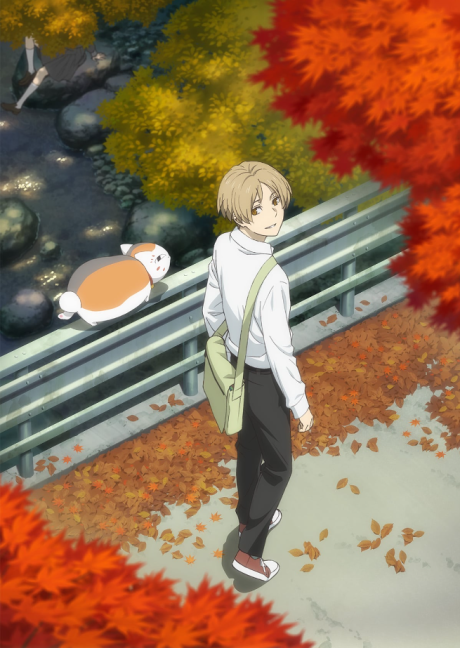
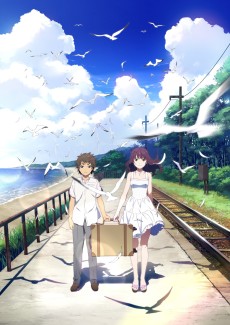
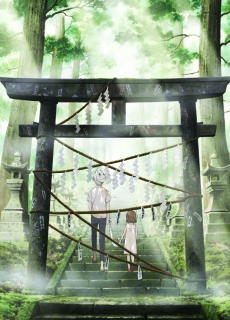
Natsume's Book of Friends Season 7 shares that same hushed reverence for fragile connection. Like tending a wilted parsnip at dawn, Natsume’s quiet acts—returning a name, listening without fixing, sitting beside Tanuma in silence—are small, deliberate offerings. Both unfold in the Healing & Slow Life dimension not as passive rest, but as active tenderness: the kind that mends without fanfare, that lets wounds breathe in dappled light. And just as you learn the rhythm of Pelican Town’s festivals—how Mayor Lewis stumbles through speeches, how Haley blushes when you give her sunflowers—Natsume learns the rhythms of spirits: their hesitations, their long-held grief, their quiet gratitude. Neither story shouts. They linger.
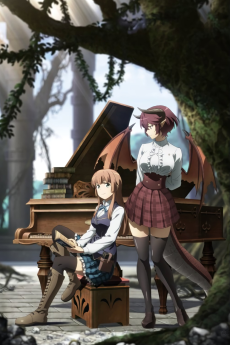
Miss Kobayashi's Dragon Maid S matches with startling precision—not in scale, but in texture. The chaos of Tohru’s kitchen explosions, Kanna’s sleepy mornings curled on the couch, the way Kobayashi’s stern facade melts when she watches Shouta feed the stray cat—all live in that same Healing & Slow Life warmth where domesticity feels like magic. Like watering crops at sunrise or repairing the bridge with Robin’s careful hands, these moments aren’t plot points. They’re rituals: grounding, repetitive, full of unspoken affection. Even the Romance & Shoujo layer isn’t about grand confessions—it’s in Kobayashi’s flustered pause before handing Tohru a bentō, just as it’s in your heart skipping when Leah smiles after you gift her wild horseradish for the third time.
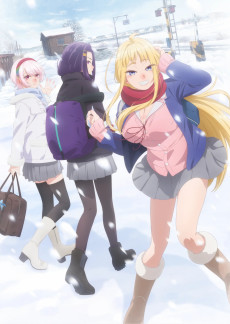
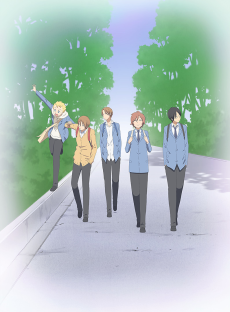
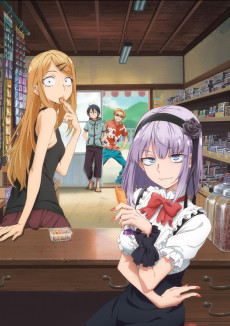
Ben-To, though seemingly distant—grocery-store brawls, survival stakes—lands in the Healing & Slow Life + Survival & Crafting overlap with uncanny fidelity. Think of the player review describing “days upon days of constantly running around trying to find the town folk who asked for help.” That’s Ben-To’s core rhythm too: the scramble, the timing, the precise inventory management of bento boxes—but always anchored in communal care. The fights aren’t violent; they’re ceremonial, almost tender in their absurd specificity—like harvesting ancient fruit or perfecting a recipe for the Luau. Both turn scarcity into intimacy, urgency into shared breath.
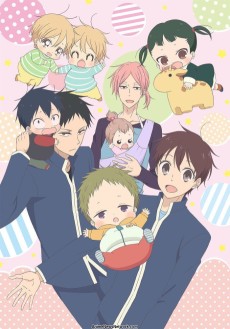
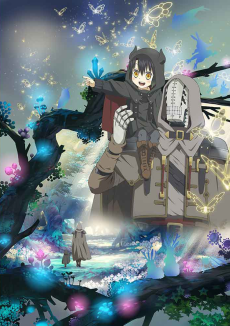
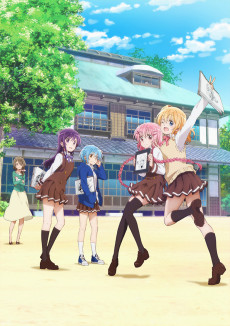
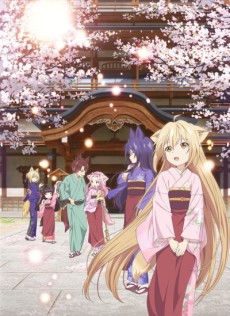
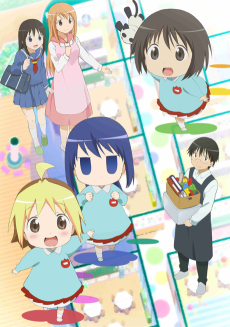
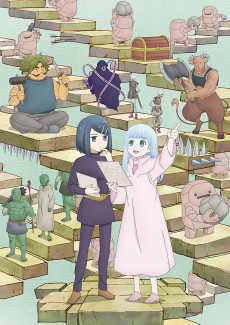
This pairing isn’t for people who want “relaxing content.” It’s for those who’ve forgotten how to hold a moment—whose hands still twitch for notifications, whose minds race past the steam rising off morning tea. It’s for the exhausted grad student who replays the Stardew Valley theme while rewatching School Babysitters, tears welling not at drama, but at the sight of Riku carefully folding tiny socks. For the artist who sketches Sugar Apple Fairy Tale’s lacework while planting tulip bulbs in-game, feeling the same quiet pride in craft, in patience, in making something beautiful and useful. These are stories—and a game—that don’t ask you to be more. They ask you to be here, right now, with dirt under your nails and sunlight on your wrist, utterly, softly enough.
→120 Anime That Match the Vibe

The kind of world you want to live in — slow mornings, simple joys, and deep connections.

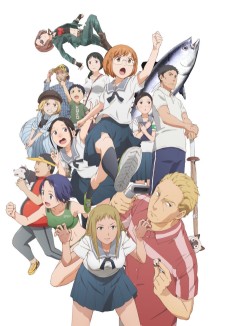
Stardew Valley’s quiet dawn harvest—baskets brimming with sun-warmed strawberries, soil still damp on your boots—feels kin to Ben-To’s grocery-store bento raids, where Sato Yo’s frantic, almost ritualistic scramble for discounted boxes mirrors the game’s tactile joy of gathering and crafting. Unlike most survival stories fixated on scarcity, both anchor healing & slow life in mundane abundance: a perfectly timed harvest, a miraculously un-squashed onigiri. That shared reverence for humble, rhythmic labor—whether tilling soil or dodging rival delinquents for lunch—is unexpectedly tender.

The kind of world you want to live in — slow mornings, simple joys, and deep connections.
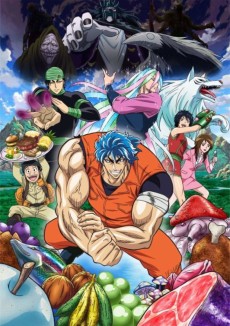
Stardew Valley’s quiet dawn harvest—sunlight catching dew on tomato vines—mirrors Toriko’s visceral joy in biting into a freshly captured Sky Bison rib, where flavor bursts like revelation. Unlike most action fantasies fixated on conquest, Toriko treats ingredient acquisition as sacred craft, echoing Stardew’s healing & slow life rhythm: both reward patience, sensory attention, and reverence for growth cycles. That shared devotion to nurturing—whether soil or rare beast—makes their resonance unexpectedly profound, not escapist but deeply grounded.

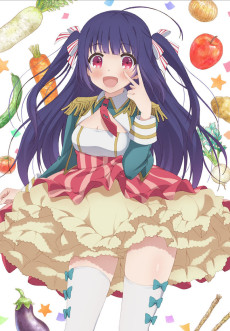
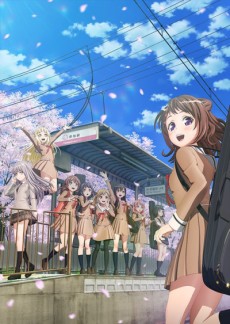
Totsuko’s quiet awe as she watches Kimi’s colors bloom during a piano rehearsal mirrors the hush before your first harvest in Stardew Valley—both moments pulse with tender, unhurried hope. Unlike most romance narratives that rush toward confession, *The Colors Within* (MOVIE) and Stardew Valley anchor love in sustained presence: tending soil, tuning strings, noticing how light shifts across a face or a sunflower. Their shared **Healing & Slow Life** dimension isn’t escapism—it’s devotion made visible, one color, one crop, one season at a time.
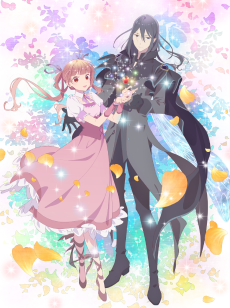
The kind of world you want to live in — slow mornings, simple joys, and deep connections.

The kind of world you want to live in — slow mornings, simple joys, and deep connections.

The kind of world you want to live in — slow mornings, simple joys, and deep connections.
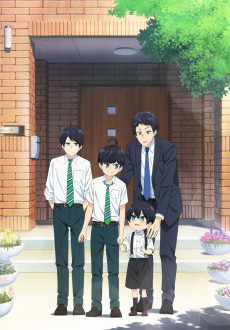
The kind of world you want to live in — slow mornings, simple joys, and deep connections.

The kind of world you want to live in — slow mornings, simple joys, and deep connections.


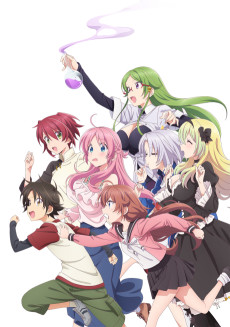
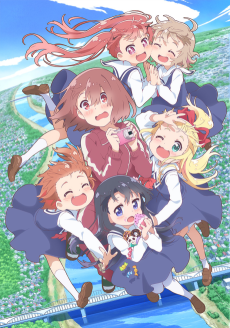
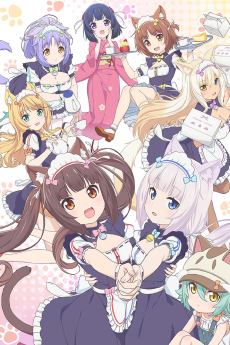
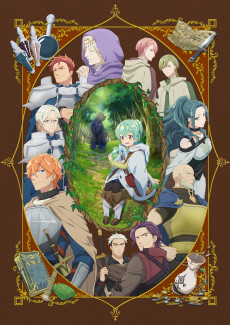



















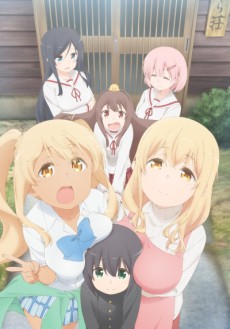
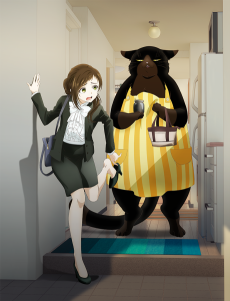






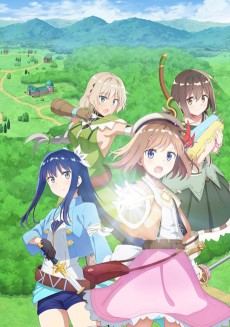

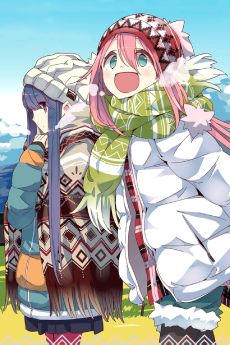
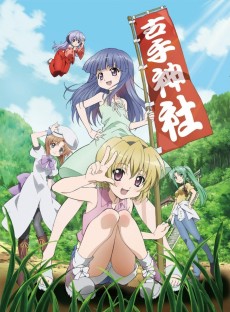






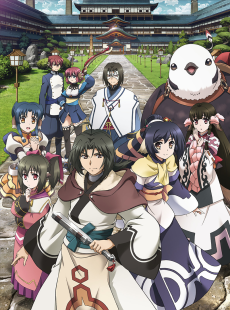

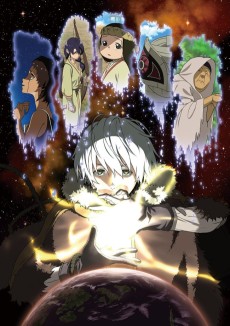





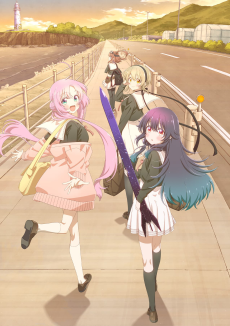





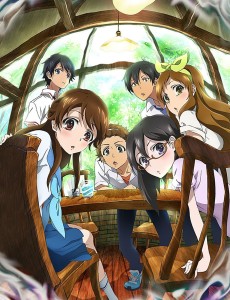
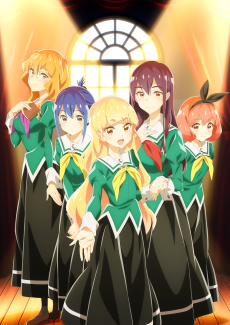

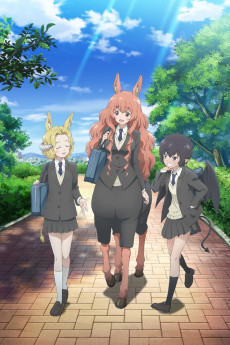




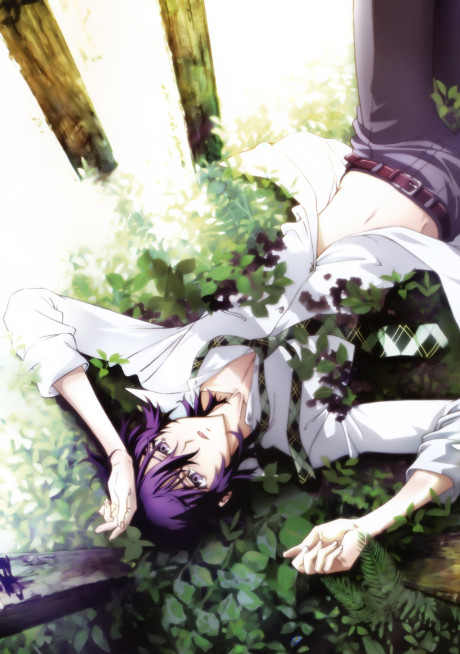


















Match Dimensions Explained
❓Frequently Asked Questions
Why is Miss Kobayashi's Dragon Maid S listed as 'anime like Stardew Valley' when it’s about dragons and not farming?
Great question! It’s not about the literal farming—it’s about that same cozy, slow-life rhythm: think Kobayashi cooking breakfast for Tohru while sunlight filters through the kitchen window, or quiet afternoons tending the tiny garden on their balcony. Just like Stardew’s ‘days upon days of constantly running around trying to find the town folk who asked for help,’ Dragon Maid S has those gentle, character-driven errands—helping Kanna fix her toy dragon, organizing Shouta’s messy room—that mirror Stardew’s satisfying daily loops and heartwarming community care.
Is there a Stardew Valley anime adaptation?
Nope—no official anime adaptation exists (and honestly, it’d be hard to capture that pixel-art magic and one-guy-dev charm in animation!). But the closest *vibe-wise* are shows like Natsume’s Book of Friends Season 7, where Natsume quietly tends his grandfather’s old bookshelf, shares tea with Tanuma, and rebuilds trust day by day—just like restoring your grandfather’s overgrown farm plot into a thriving home, one season at a time.
How does School Babysitters compare to Sugar Apple Fairy Tale for Stardew Valley fans?
Both nail the ‘healing & slow life’ core, but School Babysitters leans harder into Stardew’s ‘cozy routine’ energy—like Rin carefully preparing bento boxes for the kids, tracking nap schedules like you track crop growth cycles, or that warm scene where he fixes the broken swing set with Takato’s help (very ‘repairing the Community Center bundles’ energy). Sugar Apple, meanwhile, has more ‘romance & shoujo’ sparkle—think Anne’s meticulous sugar crafting mirroring Stardew’s artisanal production, but with more ballroom tension than barn-raising.
What’s the best anime like Stardew Valley if I just want that ‘sublime pixel art, satisfying gameplay, loveable characters & enchanting music’ cozy feeling?
Go straight to Natsume’s Book of Friends Season 7—it’s the emotional twin. The soft watercolor backgrounds, the hushed reverence of quiet moments (like Natsume sitting under the old zelkova tree sketching in his notebook), and how every small act of kindness—returning a name, sharing a rice ball—builds something deeply meaningful over time. It’s got that same ‘Stardew is the king of cozy games’ magic: no flashy battles, just presence, patience, and people becoming home for each other.