The Weakest Tamer Began a Journey to Pick Up Trash
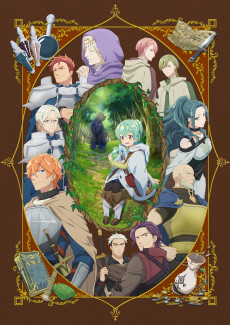
Stars are everything, granting abilities to Tamers. So when Ivy was born without one, her village took it as an ill omen! Now banished, she leads a lonely life of salvaging rubbish to survive. That is until she befriends Sora, a weak little slime, in the forest. Together, the delicate duo embarks on a heartwarming journey of survival and discovers there’s more to Ivy than being starless.
(Source: Crunchyroll)
📺Anime Details
📝Editorial Analysis
The rustle of dry leaves under bare feet. Ivy crouching low in the dappled forest light, fingers brushing cracked plastic and frayed rope—her only inheritance—not as treasure, but as weight. She doesn’t sigh. Doesn’t curse the sky. She just sorts: metal here, cloth there, glass wrapped carefully in moss. Sora, a trembling, translucent slime no bigger than her palm, pulses faintly beside her boot—warm where the air is cool, soft where everything else is brittle. No fanfare. No music swells. Just breath, grit, and the quiet insistence of two beings choosing presence over permission.
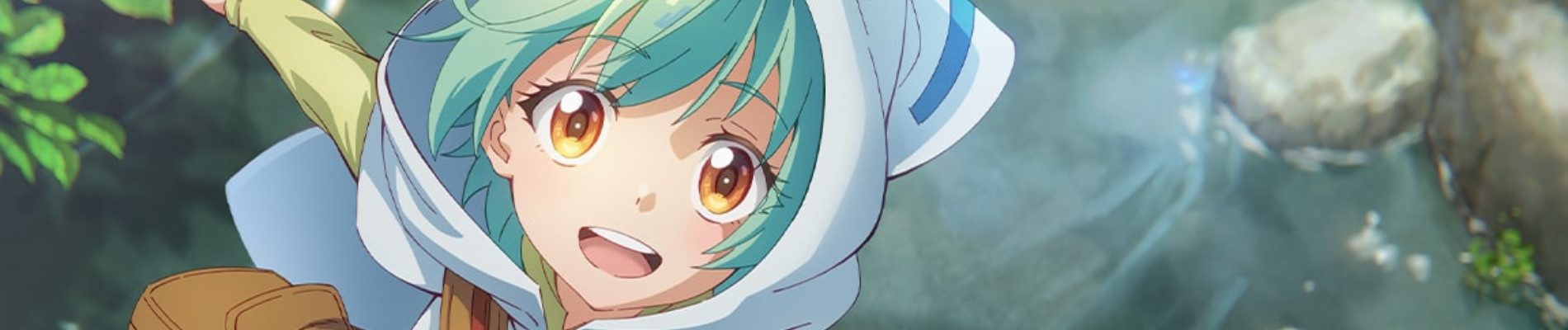
That’s the heart of The Weakest Tamer Began a Journey to Pick Up Trash: not weakness as lack, but as unburdening. It’s the feeling of walking without destination yet arriving at meaning—step by slow step, bag by patched bag. This isn’t iyashikei as spa-day serenity; it’s iyashikei forged in survival, tenderized by rural stillness, and deepened by the quiet shame of being marked fugitive, homeless, starless. You don’t feel uplifted—you feel anchored. Like your pulse finally syncs with the rhythm of wind through tall grass, or the scrape of a spoon against a dented tin bowl. It makes you think about dignity that isn’t earned—it’s carried, quietly, like Sora nestled in Ivy’s palm.
Stardew Valley resonates because it shares that same sacred slowness rooted in crafting and survival—not as grind, but as ritual. Its description says you begin with “hand-me-down tools and a few coins,” inheriting not power or legacy, but responsibility. Like Ivy salvaging trash, the player clears weeds, repairs the barn, learns soil by touch—not for glory, but because the land asks for attention, and attention becomes care. A player review confesses spending “the first 2 years trying to do everything and never having enough time”—a perfect echo of Ivy’s early exhaustion, her body learning how much energy a single day of foraging truly costs. Both ask: What grows when you stop proving yourself and start tending?
Prince of Persia (the 2008 reboot) surprises—but its listed dimension of Melancholic Exploration lands with uncanny precision. The description calls it “an all-new epic journey” built on “new lands and a brand new story completely separate from the sands.” That separation mirrors Ivy’s exile: no shared cosmology, no inherited myth—just raw, unfamiliar terrain. And the player review notes it’s “the 3rd reboot… introducing us to a new prince, new lands”—a subtle parallel to Ivy’s quiet redefinition of what a tamer is, outside stars, outside doctrine. Her walk isn’t heroic traversal—it’s melancholic exploration: every path unmarked, every shelter provisional, every bond fragile and fiercely chosen.
The Sims™ 4, despite its fractured DLC economy (as one review bitterly notes), taps into the same Healing & Slow Life dimension—because at its core, it’s about building ordinary safety. Ivy’s tiny campfire, her mended cloak, the way she hums while drying herbs—these are Sims-like acts: small, iterative, deeply personal world-building. The game’s description invites you to “create a world of Sims that’s wholly unique”—not grand, not legendary, but yours, stitched together from scavenged parts and stubborn tenderness. When Ivy arranges smooth stones around Sora’s resting spot, she’s not decorating. She’s simming her own sanctuary.
Who loves this pairing? Not the player chasing leaderboards or the viewer waiting for a villain’s monologue. It’s the person who replays the scene where Ivy washes Sora in a sunlit stream—not for plot, but to watch light bend through slime. It’s the one who pauses mid-game in Stardew to name a chicken Moss, then spends ten minutes watching it peck at dirt. It’s the reader who underlines “she leads a lonely life of salvaging rubbish to survive” not with pity—but recognition. They don’t seek escape. They seek resonance: the profound, quiet relief of being seen—not as strong, not as chosen, but as enough, right now, with their hands full of broken things they’re learning, gently, to hold.
🎮20 Games That Match the Vibe











Match Dimensions Explained
❓Frequently Asked Questions
Why does The Weakest Tamer feel so much like Stardew Valley even though it's not a farming sim?
Because both lean hard into 'Healing & Slow Life' — think tamer’s quiet morning trash-sorting routines mirroring Stardew’s seasonal pacing, crop watering, and town bonding. You’ll recognize the same gentle weight in daily choices: in Stardew, skipping the mine to chat with Emily feels as meaningful as your tamer choosing to repair a broken cart instead of rushing a quest.
Is there an anime or manga adaptation of The Weakest Tamer?
No — unlike Prince of Persia (which got a full cinematic reboot) or Assassin’s Creed (with its live-action series), The Weakest Tamer remains strictly a light novel/web novel with no official anime, manga, or film adaptation yet. Fans keep hoping, but right now it’s just text and fan art — kind of like how Chains stays purely a bubble-linking arcade experience with zero narrative expansion.
How is The Weakest Tamer different from The Sims 4 when both focus on slow-life vibes?
Great question — both score high on 'Healing & Slow Life', but The Sims 4 leans into open-ended simulation chaos (like juggling a Sim’s moodlets while fixing a leaky sink), whereas The Weakest Tamer channels that same calm through intentional, low-stakes progression: think sorting enchanted bottle caps at a roadside stall, not managing household bills. Also, Sims’ crafting is menu-driven and DLC-heavy, while The Weakest Tamer’s trash-to-tool upgrades feel more tactile and story-anchored — closer to Stardew’s artisanal crafting than TS4’s fragmented systems.
What’s the best game like The Weakest Tamer if I want melancholic exploration and zero combat stress?
Prince of Persia (2008 reboot) — seriously. It shares that same 'Melancholic Exploration' dimension with The Weakest Tamer: long, silent walks across sun-bleached ruins, environmental storytelling in crumbling murals, and a protagonist who heals not by fighting, but by observing, remembering, and restoring balance. No HUD, no timers, no fail states — just you, the wind, and the weight of forgotten kingdoms, much like your tamer pausing mid-journey to watch trash flutter down a canyon gorge.