
Inugami-san to Nekoyama-san
📺Anime Details
📝Editorial Analysis
The way Nekoyama-san’s bare feet pad softly across the sun-warmed floorboards of the classroom after cleaning duty—socks kicked off, toes curling just slightly as she reaches for the chalk tray—feels like a held breath. Not dramatic, not symbolic in any grand sense—just there, quiet and unselfconscious, with Inugami-san watching from the doorway, arms crossed, tail flicking once, slow and steady, like a metronome counting seconds that don’t need to mean anything.
That’s the core: presence. Not plot momentum, not revelation, not even growth in the traditional sense—but the sheer, tender weight of being here, together, in this particular slant of afternoon light. Inugami-san to Nekoyama-san doesn’t ask you to lean in for stakes or secrets. It asks you to linger. To notice how Inugami-san’s ears twitch when Nekoyama-san hums off-key during lunch prep. To feel the soft shush of a skirt brushing a chair leg as they pass in the hallway. The anime’s atmosphere is warmth without pressure, intimacy without urgency—like sitting on a porch swing with someone who knows your silence isn’t empty, just full of different kinds of air. It’s safe, yes—but more precisely, it’s unhurriedly affirmed: every glance, every shared snack, every accidental hand-brush carries the quiet certainty that this closeness belongs, no justification required.
Which makes The Sims™ 4 an uncanny mirror—not because of its mechanics, but because of what players do inside them. The official description says: “Play with life and discover the possibilities. Unleash your imagination and create a world of Sims that’s wholly unique.” And yet the player review cuts deeper: “TS4 has become awful, the packs are insanely expensive and often broken… This game is no fun without dlc, you can barely do a…” That friction—the gap between the ideal (a sandbox of gentle, self-determined living) and the messy reality (glitches, monetization, fragility)—echoes the anime’s own quiet tension. Inugami-san to Nekoyama-san never pretends its world is frictionless; it just chooses where to place its attention. Likewise, Sims players who ignore the DLC grind and instead spend hours arranging a perfect tea set on a balcony, or scripting a Sim to nap in a sunbeam while another reads nearby—they’re chasing the same unhurried affirmation. They’re not building empires. They’re building moments that breathe.
Then there’s Prince of Persia, described as “an all-new epic journey” with “new lands and a brand new story completely separate from the sands…”, yet scoring highest in “Healing & Slow Life” and “Melancholic Exploration”. That dissonance is vital. The anime shares that same layered stillness—the kind where sweetness and sorrow aren’t opposites, but textures folded into the same cloth. When Inugami-san leans her forehead against the cool glass of the classroom window, watching rain blur the courtyard, it’s not sadness—it’s melancholic presence. Like the Prince walking ruins not to conquer, but to witness, to let memory settle in the hollows of stone. Both hold space for feeling that isn’t resolved, just held.
And Bandle Tale: A League of Legends Story, tagged with “Healing & Slow Life” and “Melancholic Exploration”, lands with surprising resonance. Its description doesn’t name yuri or kemonomimi—but its emotional dimensions do. Like Inugami-san to Nekoyama-san, it invites you into a world where care is tactile and local: tending a garden, mending a fence, sharing stories under a twilight sky. No villains loom large; the stakes are tenderness itself, and whether it can take root. The anime’s episodic rhythm—each chapter a small, self-contained act of quiet devotion—mirrors Bandle Tale’s deliberate pacing, where progress is measured in sprouts, not swords.
This pairing isn’t for fans of high-stakes romance or narrative payoff. It’s for the person who re-watches the scene where Nekoyama-san ties Inugami-san’s shoelaces twice, slowly, because the first knot was uneven—and feels their chest soften, not at the implication, but at the care in the repetition. It’s for the player who boots up The Sims™ 4, disables all expansion packs, builds a tiny cottage with one window and two chairs, and spends an hour watching their Sims sit side-by-side, sipping tea, saying nothing. It’s for anyone who’s ever needed a story—or a game—that treats softness not as weakness, but as a kind of gravity: gentle, constant, and utterly real.
🎮13 Games That Match the Vibe





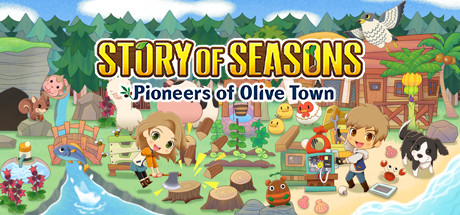
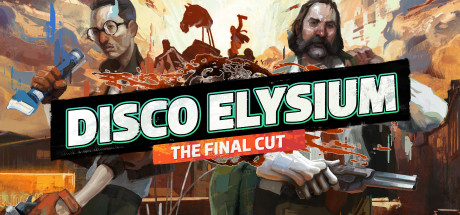


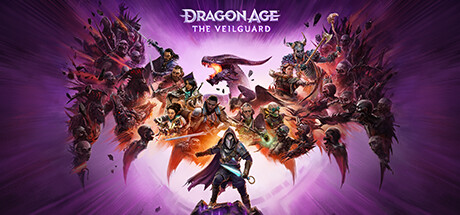


Match Dimensions Explained
❓Frequently Asked Questions
Why does Prince of Persia show up in 'Games Like Inugami-san to Nekoyama-san' matches?
Because both lean into quiet, emotionally resonant moments—like Inugami’s shy glances and Nekoyama’s gentle teasing—amid slower-paced, character-driven storytelling. Prince of Persia’s melancholic exploration (think wandering sun-drenched ruins with your companion, reflecting on memory and loss) mirrors the series’ tender pacing and romantic tension without loud drama.
Is there an anime or manga adaptation of Inugami-san to Nekoyama-san that’s worth watching?
No official anime or manga adaptation exists yet—just the original webcomic and its collected volumes. But if you love that soft-spoken, slice-of-life romance vibe, VA-11 Hall-A nails it too: bartending for quirky patrons like Dorothy (a sharp-tongued android) or Jill (a weary journalist) creates similarly warm, low-stakes intimacy over late-night drinks.
How does The Sims 4 compare to Inugami-san to Nekoyama-san in terms of romantic storytelling?
The Sims 4 isn’t plot-driven like Inugami-san—but with custom content and careful relationship building, you *can* recreate their dynamic: think Inugami as a timid, cat-loving Sim with high logic and low social skill, Nekoyama as a laid-back, playful Sim who initiates cuddles on the couch. It’s not scripted, but the healing, slow-life dimension shines when you focus on cozy home life and gentle romantic interactions—just like their shared tea scenes.
What’s the best game like Inugami-san to Nekoyama-san if I want something comforting and low-pressure?
Bandle Tale is your perfect match—it’s all about gentle exploration, quiet character moments (like helping shy Yuumi find her confidence), and soft humor amid melancholic beauty (those misty Bandle City alleyways feel just like Inugami’s rainy porch chats). No timers, no combat stress—just healing vibes and heartwarming, understated connection.