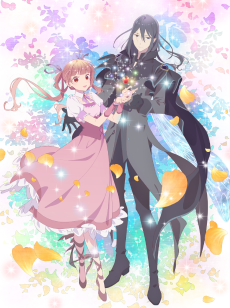
Sugar Apple Fairy Tale Season 2
The second cour of Sugar Apple Fairy Tale.
After winning Silver Sugar Master, Anne faces Shall’s sudden departure. Anne’s next journey begins as she is determined to have Shall back by her side.
(Source: Crunchyroll)
📺Anime Details
📝Editorial Analysis
The quiet clink of a sugar spoon against porcelain—Anne stirring tea alone in her workshop, steam curling like unanswered questions—that is the heartbeat of Sugar Apple Fairy Tale Season 2. Not grand magic bursts or battlefield clashes, but the weight of an empty chair beside her workbench, the way her fingers pause mid-icing on a sugar apple she’s perfected for him, the slow, deliberate turn of a page in a travel ledger she’s just begun to fill—not for commission, but for distance.
This isn’t fantasy as escape. It’s fantasy as tension: between sweetness and sorrow, craft and longing, motion and stillness. The world hums with gentle magic—fairies flitting like dust motes in sunlit bakeries—but the real enchantment is how deeply it honors time: time spent mastering a technique, time lost waiting, time reclaimed through movement across landscapes that breathe with quiet grandeur. You don’t rush through Anne’s journey—you settle into its rhythm: the rustle of train tickets tucked into a worn journal, the careful stacking of sugar molds before departure, the way a single glance at Shall’s abandoned sketchbook makes your throat tighten. It’s aching, yes—but also tender, resolute, warmly patient. This is shoujo not as fluttering romance, but as emotional architecture—built brick by brick with restraint, dignity, and the quiet certainty that love isn’t just feeling, but choice, repeated daily across miles and silence.
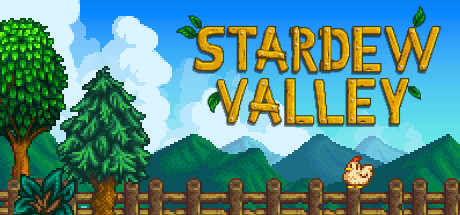
That same emotional architecture lives unmistakably in Stardew Valley. Its description promises inheritance, tools, coins—and then life, lived slowly, off the land. Just like Anne, you begin with scarcity: limited stamina, unturned soil, relationships measured in dialogue boxes and gift reactions. The player review nails it: “Spent the first 2 years trying to do everything and never having enough time.” That frantic, tender exhaustion? It mirrors Anne’s post-Shall days—running between orders, perfecting recipes, writing letters she can’t send, all while holding space for absence. Both ask you to measure progress in small victories: a crop harvested, a fairy’s trust earned, a letter finally mailed. Neither rewards speed—they reward presence.
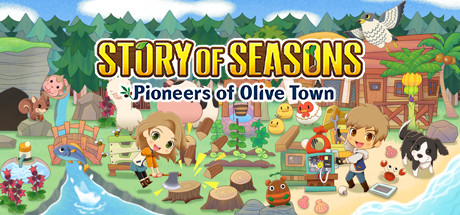
Then there’s STORY OF SEASONS: Pioneers of Olive Town, matching Sugar Apple Fairy Tale Season 2 with identical dimensional scores: Healing & Slow Life, Romance & Shoujo. Its premise—rebuilding a town from scratch—isn’t about conquest, but careful reassembly. Like Anne restoring balance to her workshop after Shall leaves, you plant seeds knowing some won’t sprout this season; you court villagers not with grand gestures, but with shared meals and quiet walks past olive groves. The romance isn’t fireworks—it’s noticing someone’s favorite flower, remembering their coffee order, showing up consistently. That’s Anne’s love language too: not declarations, but continuity—baking his favorite pastry every Tuesday, keeping his tools polished, tracing the outline of his sketches in her own notebook.
Even VA-11 Hall-A: Cyberpunk Bartender Action, with its lower but resonant score (78), shares this DNA—not in setting, but in emotional pacing. Its description frames bartending as quiet, intimate labor: listening, mixing, observing. The player reviews aren’t quoted here, but the game’s core truth aligns: healing happens in slowness, in the space between sips, in choosing which story to hold when someone slides a glass across the bar. Anne doesn’t chase Shall with a sword or spell—she listens to rumors in train stations, learns regional sugar techniques from elders, adjusts her recipes to match local palates. Like Jill behind her bar, Anne tends to people, not plots. Her journey is measured in cups served, letters written, fairies befriended—not miles crossed.
This pairing sings for the person who cries over a perfectly frosted cupcake in an anime, then spends three real-world hours arranging crops in Stardew just to watch the sunset hit them just right. For the one who bookmarks a train schedule in Sugar Apple Fairy Tale Season 2, then opens Olive Town’s map to plan tomorrow’s delivery route—not for efficiency, but for the ritual of it. For the viewer who feels more seen by Anne’s silent determination than any battle cry, and the player who finds catharsis not in winning, but in watering the same patch of soil, day after day, until something green pushes through. They don’t want spectacle. They want witnessing. They want to believe that tenderness, practiced daily, is its own kind of magic—and that love, like sugar art, takes shape only when patience and precision meet.
🎮3 Games That Match the Vibe

Match Dimensions Explained
❓Frequently Asked Questions
Why is Stardew Valley recommended for Sugar Apple Fairy Tale fans?
Because both center on quiet determination, gentle romance, and finding beauty in small, daily rituals—like Anne’s careful sugar crafting or your first perfect strawberry jam in Stardew. You’ll recognize the same warmth in bonding with characters like Emily (a kind, artistic tailor) or Sebastian (a brooding but soft-hearted baker), just as Anne builds trust with Anne and Firne through patience and sincerity.
Is there a Sugar Apple Fairy Tale game adaptation?
No—there’s no official game adaptation of Sugar Apple Fairy Tale Season 2 (or the manga/anime) yet. But fans love Stardew Valley and STORY OF SEASONS: Pioneers of Olive Town for capturing its core vibe: slow-burn emotional growth, artisanal craftsmanship (think sugar sculpting → farming/crafting), and tender, respectful romance arcs that unfold over seasons—not rushed plot points.
Stardew Valley vs. STORY OF SEASONS: Pioneers of Olive Town—which feels more like Sugar Apple Fairy Tale?
Pioneers of Olive Town leans slightly closer—it has more structured narrative beats, character-specific storylines (like helping the shy, bookish Lyla restore her family’s bakery), and period-adjacent aesthetics (pastel palettes, vintage clothing, tea-serving minigames) that echo the anime’s confectionery elegance. Stardew’s broader scope and deeper farming systems make it richer long-term, but Olive Town’s pacing and focus on community healing match Sugar Apple’s tone beat-for-beat.
What’s the best game like Sugar Apple Fairy Tale if I want that cozy, hopeful, ‘making something beautiful together’ feeling?
Stardew Valley—especially when you’re deep into Year 2, restoring the Community Center with bundles like ‘Fruit Salad’ or ‘Artisan Goods,’ or gifting handmade preserves to villagers like Robin (a warm, maternal carpenter who reminds you of Madame de la Fontaine). That shared sense of purpose, quiet pride in craft, and gradual emotional closeness? Pure Sugar Apple energy—just with turnips instead of spun sugar.