
Love Live! Sunshine!! Season 2
📺Anime Details
📝Editorial Analysis
The salt-stung wind off Uchiura Bay lifts a stray strand of Riko’s hair as she stands barefoot on the sun-warmed dock, humming the chorus of “Hop? Stop? Nonstop!” under her breath—not performing, not rehearsing, just there, watching the water ripple gold at dusk. Her sandals sit beside her, forgotten. A single seagull cuts across the sky. No dialogue. No plot point. Just the quiet hum of waves, the faint scent of seaweed and sunscreen, and the soft, unselfconscious weight of being seventeen and alive in this exact place, with these exact people.
That moment isn’t about idol success or competition—it’s about presence. Love Live! Sunshine!! Season 2 doesn’t chase climax; it lingers in the humid pause between beats: the shared silence after a group run along the coastal path, the careful folding of yukata fabric before the summer festival, the way Kanan’s voice drops just slightly when she admits she’s nervous—not about singing, but about being seen while doing it. This is an anime that treats time like tide: slow, inevitable, deeply rhythmic. It makes you feel grounded, not by grand stakes, but by the tactile reality of wet swimsuits drying on railings, the sticky sweetness of shaved ice melting too fast, the way sunlight catches dust motes swirling in the clubroom air after practice. It’s warmth, safety, continuity—not as escape, but as affirmation: this ordinary, sunlit, slightly messy life is enough.
That emotional DNA pulses strongest in games where healing isn’t passive—it’s active tending. The Sims™ 4, despite its player complaints about DLC fragmentation and bugs, delivers exactly this: the quiet, deliberate act of building a life. Its description says you “play with life and discover the possibilities”—and that’s what Aqours does every episode: choosing which bench to sit on, deciding who walks home with whom, noticing how Yuki’s posture shifts when she finally lets her guard down. The frustration in the review—“you can barely do a…”—mirrors how hard it is to just be without pressure to optimize, to perform, to achieve. Yet the core loop remains: plant a tomato, water it, watch it grow; make coffee, sip it slowly, listen to the radio. Like Aqours’ coastal routines, it’s ritual, not reward.
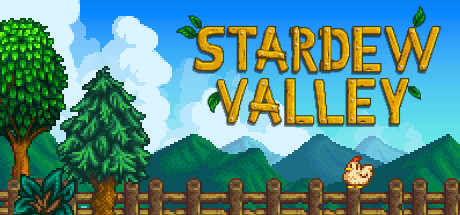
Then there’s Stardew Valley, where the player review confesses exhaustion—“Spent the first 2 years trying to do everything and never having enough time”—a feeling Aqours knows intimately. Their second season isn’t about conquering stages; it’s about learning how much time a friendship needs, how long it takes for trust to settle like silt in calm water. The game’s description places you on an inherited farm “armed with hand-me-down tools and a few coins”—echoing Aqours’ scrappy, second-chance energy: no flashy sponsors, no guaranteed spotlight, just sweat, seawater, and stubborn hope. You learn to live off the land, not dominate it—and that’s what Riko learns when she stops chasing validation and starts listening to the rhythm of her own breath mid-dance.
Even Prince of Persia, though seemingly distant, shares this undercurrent. Its description calls it “an all-new epic journey” built on “healing & slow life”—and yes, the review notes it’s a reboot with “new lands and a brand new story,” but the feeling aligns: the Prince moves with deliberate grace, his world saturated in golden light and ancient stillness, every platform jump measured, every sandstorm a pause, not a threat. Like Aqours rehearsing barefoot on warm concrete, he doesn’t rush through time—he moves within it, body and breath synced, finding strength in patience. That’s the same calm focus you see when Dia adjusts her mic strap one last time before stepping into the sunlit auditorium—not for perfection, but for connection.
This pairing sings for the person who cries not at dramatic goodbyes, but at the sight of a half-forgotten notebook page covered in doodles and song lyrics, left open on a windowsill. For the one who replays a five-second clip of a character laughing—really laughing—because it feels like breathing deeper. For the player who spends hours arranging furniture in The Sims™ 4, not for aesthetics, but to recreate the exact angle of light through a kitchen window they remember from childhood. It’s for those who find solace in repetition—the same walk, the same song, the same friends showing up, again and again, under the same coastal sky. Not because life is simple, but because they’ve chosen, fiercely and tenderly, to hold space for its gentle, sunlit weight.
🎮9 Games That Match the Vibe






Match Dimensions Explained
❓Frequently Asked Questions
Why does Prince of Persia keep showing up in 'Games Like Love Live! Sunshine!! Season 2' lists?
It’s all about the shared 'Healing & Slow Life' + 'Romance & Shoujo' vibe — even though it’s an action-adventure, its lush Persian-inspired world, emotionally resonant character arcs (like the Prince and Elika’s quiet, respectful bond), and deliberate pacing during exploration and dialogue scenes hit that same warm, heartfelt tone as Aqours’ beachside rehearsals and late-night confessions. Reviewers even note how its story feels 'shoujo-adjacent' despite the swordplay.
Is there a Love Live! Sunshine!! Season 2 mobile game adaptation?
No — there’s no official mobile game directly adapting Season 2. But The Sims™ 4 nails the *spirit*: you can recreate Aqours’ dorm life, design custom outfits for your Sim ‘Chika’ or ‘Riko’, throw seaside festivals with music and dancing, and build deep romantic bonds — just like the season’s focus on trust and group harmony. Players love using TS4’s base-game tools (no DLC needed) to roleplay those intimate, character-driven moments.
How does Stardew Valley compare to STORY OF SEASONS: Pioneers of Olive Town for Love Live! fans?
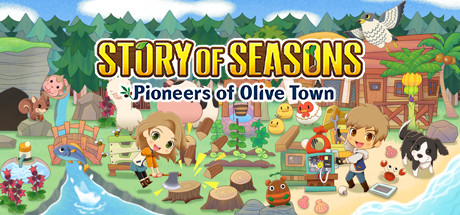
Both score 68 and share 'Healing & Slow Life' + 'Romance & Shoujo', but Stardew leans into community warmth — think Marnie’s cozy animal shop echoing Kanan’s gentle guidance, or Leah’s art studio mirroring You’s creative spark — while Olive Town feels more like a direct analog to Sunshine’s small-town charm, with its tight-knit cast and seasonal festivals that mirror Aqours’ school events. Fans say Olive Town’s slower romance progression feels truer to the anime’s tender pacing.
What’s the best game like Love Live! Sunshine!! Season 2 if I want that uplifting, low-stress summer-vibe?
Stardew Valley is your go-to — its sun-drenched farm days, breezy soundtrack, and gentle rhythm (fishing at the beach, helping villagers like Sebastian or Abigail) perfectly echo Season 2’s coastal serenity and emotional growth. Even the way time passes — with lazy afternoons spent watering crops or chatting under the pier — mirrors those quiet, bonding moments between Chika and Riko on the dock. No combat pressure, just pure, healing presence.