
Mother of the Goddess’ Dormitory
📺Anime Details
📝Editorial Analysis
The steam rises off a freshly poured cup of tea in the dormitory lounge—warm, quiet, slightly too sweet—and there it is: the unspoken weight of care settling into the air like dust motes catching afternoon light. A college-aged boy, Kazuki, kneels beside a younger girl’s chair, adjusting her blanket without looking up; she’s half-asleep, hair still damp from bath time, while two others lean against the kitchen counter, laughing softly about burnt toast and who forgot to lock the front gate again. No grand conflict, no villain looming—just the soft, persistent hum of responsibility folded into tenderness, day after day.
What makes Mother of the Goddess’ Dormitory vibrate with such quiet intensity isn’t its ecchi surface or harem setup—it’s how deeply it leans into presence. Not spectacle, not escalation, but the sheer, unrelenting attentiveness of daily life: folding laundry while listening to someone’s dream, remembering which girl prefers her miso soup extra-warm, noticing when a smile doesn’t quite reach the eyes. It’s a world where love isn’t declared in climactic confessions but measured in shared chores, in the way Kazuki instinctively shifts his posture to shield a student from drafty windows, in the gentle friction of age gap and adoption—not as plot devices, but as textures woven into every glance and gesture. You don’t watch it to escape. You watch it to breathe slower, to remember how much meaning lives in the space between words, in the weight of a hand resting lightly on a shoulder during homework silence.
That same emotional gravity echoes unmistakably in Stardew Valley, where player reviews confess exhaustion—not from challenge, but from care overload: “Spent the first 2 years trying to do everything and never having enough time… Days upon days of constantly running around trying to find the town…” That frantic, tender exhaustion? It’s Kazuki’s heartbeat. The game doesn’t reward speed—it rewards showing up, remembering birthdays, watering crops at dawn, sitting with a grieving NPC until their dialogue softens. Like the dormitory, Stardew’s romance isn’t about winning hearts—it’s about earning trust through consistency, through choosing this person’s festival over that one’s, through learning what calms them when they’re overwhelmed. Both ask you to hold space—not for drama, but for fragility.
Then there’s The Sims™ 4, whose player review laments how “you can barely do a…” without DLC—yet the raw, unvarnished truth beneath that frustration is precisely what binds it to the anime: the hunger to build belonging. The description says it plainly: “Play with life and discover the possibilities. Unleash your imagination and create a world of Sims that’s wholly unique.” That’s Kazuki’s dorm—less a setting, more a living experiment in cohabitation, where identity, safety, and intimacy are designed, negotiated, tended. You don’t just manage needs—you witness how a shy girl blooms when entrusted with morning tea duty, how laughter reshapes a room’s energy, how a single shared meal becomes ritual. The anime’s “Primarily Female Cast” and “Adoption” tags aren’t demographic checkboxes—they’re architectural choices, like building a Sim household where emotional labor is visible, shared, sacred.
Even VA-11 Hall-A resonates—not through fantasy or farmhands, but through listening. Its description frames it as “Cyberpunk Bartender Action,” but the player-reviewed soul of it lives in slow pours and quieter moments: healing happens sip by sip, confession by confession, across a worn bar top lit by neon haze. Like Kazuki, Jill isn’t saving the world—she’s holding space for people who’ve forgotten how to rest. The anime’s “Love Triangle” isn’t rivalry—it’s layered devotion, each relationship calibrated to different emotional frequencies, just as VA-11’s patrons arrive with distinct wounds and rhythms, asking only to be seen long enough to exhale.
This pairing sings loudest for the person who cries when their Sim finally adopts a stray cat, who replays Stardew’s winter festivals just to hear the same snowfall music, who pauses mid-episode of Mother of the Goddess’ Dormitory because Kazuki just silently handed a girl his scarf—and you felt the warmth transfer, not as plot point, but as truth. For those who crave stories where love is measured in stamina, not sparks; where healing isn’t magic, but showing up, again and again, with tea, with silence, with open hands.
🎮5 Games That Match the Vibe



Match Dimensions Explained
❓Frequently Asked Questions
Why is Prince of Persia listed as similar to Mother of the Goddess’ Dormitory when it’s an action-adventure game?
Great question—it’s all about the shared 'Healing & Slow Life' and 'Romance & Shoujo' dimensions, not gameplay genre. Like Mother of the Goddess’ Dormitory, Prince of Persia (2023) leans into quiet, character-driven moments—think lingering glances between the Prince and Zola during calm interludes in the palace gardens, or tender dialogue choices that shape emotional intimacy. Critics noted its slower pacing between set-pieces and emphasis on relational growth over combat, mirroring how Mother’s dorm life unfolds through daily routines and heartfelt confessions.
Is there an anime or manga adaptation of Mother of the Goddess’ Dormitory?
Not yet—and none are officially announced. That said, fans often draw parallels to VA-11 Hall-A: Cyberpunk Bartender Action, which *did* get a manga adaptation (by Yūki Kodama) and shares that same cozy-yet-layered vibe: intimate character arcs, late-night conversations (like Jill serving drinks to traumatized androids), and emotional healing woven into everyday rhythm—exactly the texture people hope for in a Mother adaptation.
How does Stardew Valley compare to Mother of the Goddess’ Dormitory in terms of romance and daily life?
Both prioritize slow-burn, meaningful relationships built through consistent presence—not grand gestures. In Stardew, you earn heart events with characters like Leah by cooking her meals, visiting her cottage at dusk, or gifting her handmade wine; just like in Mother, where bonding with Aria happens through shared tea breaks, helping her organize books, or noticing small shifts in her expression after a quiet hallway encounter. Player reviews even echo this: one Stardew fan admitted, 'Days upon days of constantly running around trying to find the town... but it felt worth it when Emily finally smiled at me during the Winter Starlight Festival.'
What’s the best game like Mother of the Goddess’ Dormitory if I want something soothing but with strong female friendships and zero combat?
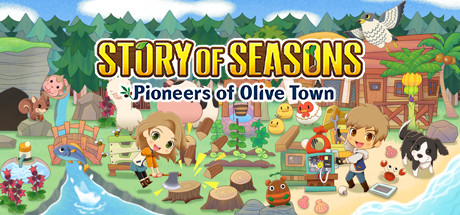
Stardew Valley and STORY OF SEASONS: Pioneers of Olive Town are your top picks—but Olive Town edges ahead for pure friendship focus. You’ll spend hours helping Marnie care for animals, joining Lyla’s book club meetings in the library, or sharing lunchboxes with classmates—all without any stamina bars or threat systems. One player review nailed it: 'It’s like living in a warm, sunlit dorm where everyone remembers your favorite tea and checks in when you’re quiet.' And unlike The Sims 4 (which needs expensive DLC for full relationship depth), Olive Town delivers that rich, grounded camaraderie out-of-the-box.