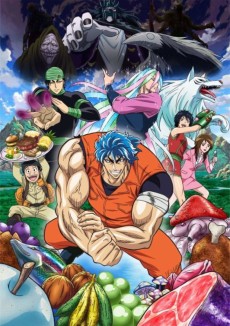
Toriko
In the world where the taste and texture of food are very important there is Toriko, a hunter of precious foods regularly hired by restaurants and the rich. A man with inhuman skills to capture the ferocious, evasive and rare animals to complete his ultimate dinner course and then the chef Komatsu, his current accomplice: a weak timid person who was inspired by Toriko's greatness and accompanies him on all his journeys on his quest for the course of his life.
📺Anime Details
📝Editorial Analysis
The first time Toriko bites into a freshly harvested Sky-Whale heart, steam curls like incense in the thin mountain air—his eyes close, not in exertion, but reverence. Komatsu watches, breath held, as the hunter’s entire body softens: shoulders drop, jaw unclenches, fingers relax from their usual coiled readiness. It’s not victory. It’s arrival. A single bite dissolves months of near-fatal climbs, predator ambushes, and blizzard-stranded nights—not because the danger vanishes, but because flavor becomes compass, ritual, proof that the world rewards attention.
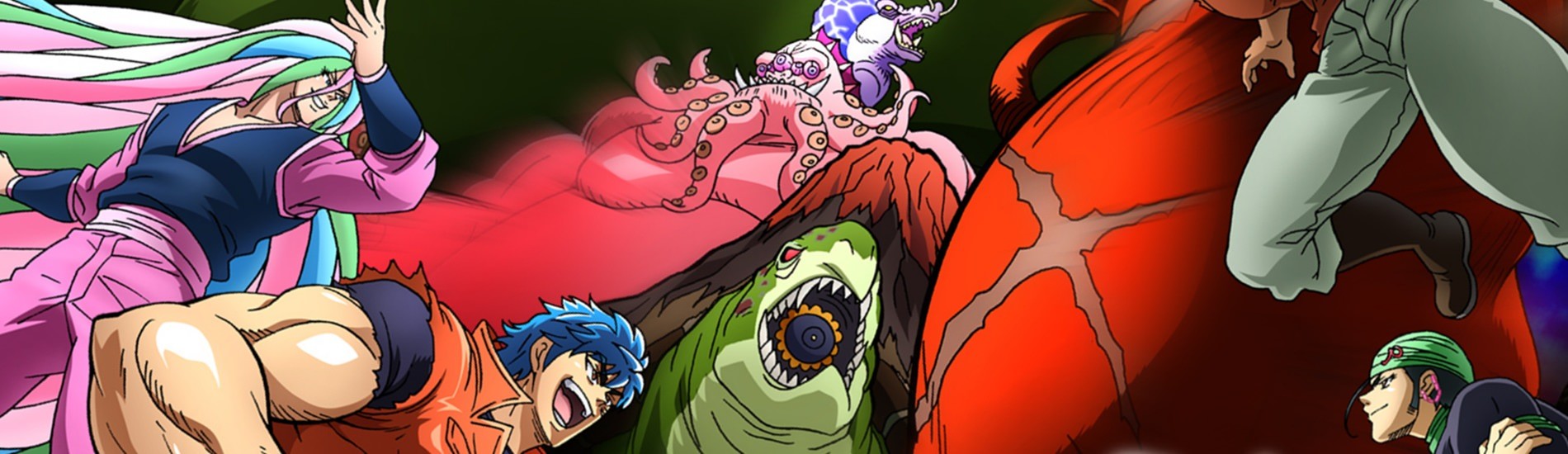
That’s the quiet pulse beneath Toriko’s roaring surface: it’s not about conquest—it’s about witnessing. Every jungle, every crater lake, every sky-island isn’t just terrain to traverse; it’s a living archive of texture, scent, temperature, symbiosis. You feel the weight of seasons in the way mist clings to Komatsu’s glasses before a storm hits the Misty Peaks. You feel the patience in Toriko’s stillness before lunging—not for speed, but for timing that honors the prey’s rhythm. This isn’t survival as scarcity; it’s survival as dialogue. With soil. With wind. With creatures that tower like cathedrals or hum with bioluminescent lullabies. The anime makes you think about hunger—not as lack, but as curiosity made physical, as a reason to kneel, to taste, to listen.
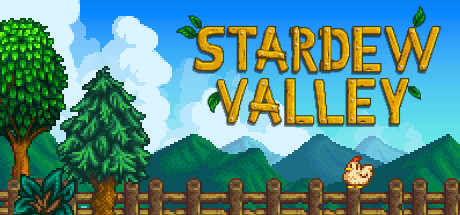
Which is why Stardew Valley lands with such uncanny resonance. Its description says you “learn to live off the land”—not dominate it. Like Toriko reading soil pH by smell, you learn when rain will swell the cave mushrooms, how frost affects ancient fruit, why certain fish vanish in summer. And that player review? “Spent the first 2 years trying to do everything and never having enough time…” That’s Komatsu’s early arc—overwhelmed, sprinting between tasks, mistaking motion for meaning—until he learns to pause at the riverbank, watch the bass dart, and feel the season shift. Both ask: What if effort isn’t measured in trophies, but in the depth of your noticing?
Then there’s Valheim, where the description calls it “a brutal exploration and survival game… set in a procedurally-generated purgatory.” Brutal, yes—but look at the review: “It’s like Minecraft but instead of punching trees you spend 40 minutes looking for the perfect tree…” That’s Toriko scanning the canopy for the one branch that bends just so under a Thunder-Boar’s weight. Both worlds demand reading the environment—not as backdrop, but as collaborator. A troll doesn’t just destroy your house; it reveals how poorly you read wind patterns when placing foundations. Just like Toriko’s failed capture of the Lava Eel teaches him geothermal currents—not through data, but through singed eyebrows and blistered palms. The melancholy isn’t despair. It’s the quiet awe of realizing how much the world knows, and how little you do—yet.
And Prince of Persia, with its “melancholic exploration” dimension, echoes Toriko’s most hushed moments: crossing the Glass Desert at dawn, where every footprint shatters into prismatic dust, and the only sound is the slow, rhythmic crunch of crystalline sand underfoot. The game’s description promises “a new prince, new lands and a brand new story completely separate from the sands…”—but the feeling is identical: walking through ruins not as loot-hunter, but as student. The player review doesn’t mention combat or puzzles—it names lands, story, journey. Because in both, geography holds memory. A canyon isn’t terrain; it’s a scar left by a fallen Sky-Whale. A crumbling archway isn’t set dressing—it’s where a forgotten chef once pressed wild mint into clay ovens. You move slowly, not because you’re weak, but because the air itself feels thick with meaning.
This pairing isn’t for the adrenaline-chaser or the lore-dump devourer. It’s for the person who replays the scene where Komatsu finally fries his first perfect egg—not for the sizzle, but for the way light catches the yolk’s tremor. It’s for the player who builds a tiny cottage in Stardew Valley not to maximize profit, but to watch fireflies gather at its porch at dusk. It’s for anyone who’s ever stood at a cliff’s edge, wind in their hair, heart full—not of triumph, but of tenderness for how fiercely, beautifully, specifically alive the world insists on being.
🎮18 Games That Match the Vibe











Match Dimensions Explained
❓Frequently Asked Questions
Why is Stardew Valley always listed as a game like Toriko?
Because both lean hard into the 'Healing & Slow Life' vibe—Toriko’s peaceful island life and cooking rituals mirror Stardew’s daily rhythm of watering crops, befriending townsfolk like Robin or Maru, and crafting recipes from foraged ingredients. Players love how Stardew’s time-limited days (and that infamous 'first 2 years' grind) echo Toriko’s gentle pacing and emphasis on nurturing small, meaningful routines.
Is there a Toriko anime adaptation I can watch while playing similar games?
No official Toriko anime adaptation exists—but fans often pair it with Prince of Persia (2023), since both share that 'Melancholic Exploration' dimension: the Prince’s quiet, rain-slicked ruins and whispered lore feel like Toriko’s more reflective moments, like wandering the misty cliffs of Gourmet Island or uncovering ancient food temples.
How does Chains compare to The Sims 4 for Toriko fans who want something low-stakes and soothing?
Chains is way lighter and more meditative—think linking color bubbles like harvesting rainbow berries in Toriko’s calmest scenes—while TS4 demands constant attention (and expensive DLC) just to unlock basic cooking or gardening. Chains’ physics-driven chains and minimalist 'connect 3+' loop give that same zen focus without Sims’ stress about bills, bugs, or broken base-game features.
What’s the best Toriko-like game if I’m craving melancholic exploration with zero combat pressure?
Go straight to Prince of Persia—it nails 'Melancholic Exploration' without forcing fights: you glide through crumbling palaces, solve environmental puzzles with light and shadow, and absorb story fragments like Toriko’s quiet lore drops about lost Gourmet Gods. Valheim *also* fits that mood but ditches the chill—imagine your cozy Toriko moment ruined by a troll smashing your longhouse (per that player review).