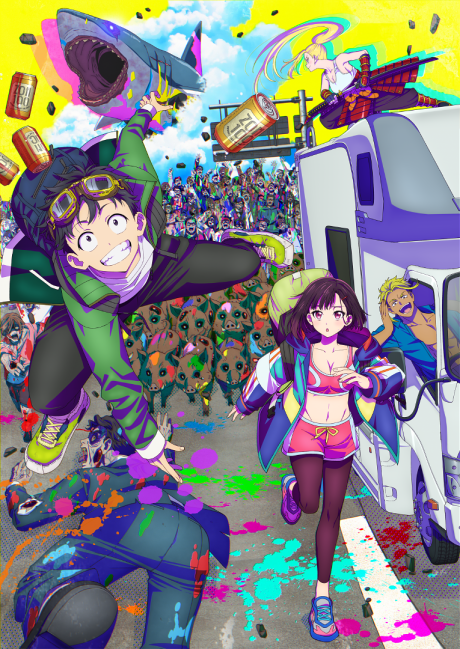
Zom 100: Bucket List of the Dead
Surviving a zombie apocalypse beats being a wage slave any day! After spending years slaving away for a soul-crushing company, Akira's life has lost its luster. He lives in a trash-filled apartment, his pay is abysmal, and he can't even muster up the nerve to confess his love to his beautiful co-worker. But when a zombie apocalypse ravages his town, it gives him the push he needs to live for himself. Now Akira's on a mission to complete all 100 items on his bucket list before he...well, kicks the bucket.
(Source: VIZ Media)
📺Anime Details
📝Editorial Analysis
The smell of stale coffee and unwashed laundry hangs thick in Akira’s apartment—same as always—until the first scream cracks the silence like a dropped plate. He doesn’t flinch. He smiles. Not because he’s unhinged, but because for the first time in years, his pulse isn’t syncing to the drone of Excel macros or the chime of another unread Slack message. He grabs his backpack—not a briefcase—and walks out, not into the office elevator, but into the chaos of collapsing streetlights and fleeing crowds. That smile isn’t relief. It’s recognition: the world finally stopped pretending to be functional, and so can he.
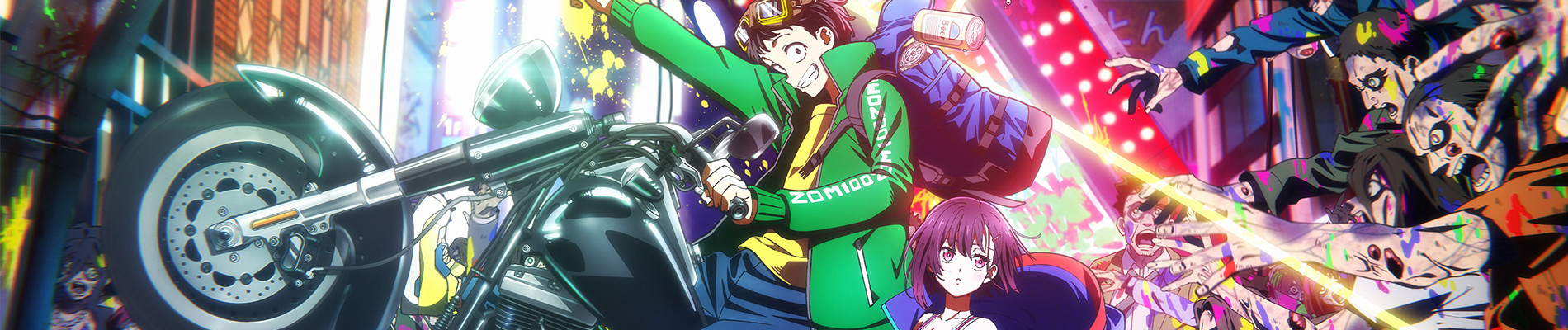
What makes Zom 100: Bucket List of the Dead vibrate with such strange warmth isn’t its zombies—it’s how it treats time. Not as scarcity, not as debt, but as reclaimed space. Every detour Akira takes—a roadside shrine visit, a stolen nap under cherry blossoms, a clumsy attempt at cooking ramen in a looted kitchen—isn’t escapism. It’s reclamation. The apocalypse doesn’t erase meaning; it strips away the scaffolding that made meaning feel impossible. You don’t just survive here—you linger. You notice the way light hits a rusted bicycle frame in a deserted alley, or how laughter echoes differently when there’s no boss listening. It’s surreal, yes—but the surrealism is tender, not grotesque. It’s horror that unclenches your jaw instead of tightening it. That’s the feeling: lightness, even amid decay.
That emotional DNA hums in Chains, not because it’s about zombies or buckets lists, but because of how it frames small acts as meaningful resistance. Its description calls it “a relaxing arcade match 3 casual game” where you “link adjacent bubbles… the challenge comes from increasingly difficult physics-driven l…”—and yet players call it “connect 4 in nutshell,” praising its rhythm of pause, link, clear, breathe. Like Akira crossing off “eat melon soda while watching sunset,” every chain formed is a tiny assertion: I am choosing this motion, this color, this moment. No score, no timer breathing down your neck—just the quiet satisfaction of alignment. That’s healing, not as cure, but as returning to your own tempo.
Then there’s Prince of Persia, whose description promises “an all-new epic journey” built by Ubisoft Montreal, and whose player review notes it’s “the 3rd reboot… completely separate from the sands t…”—a deliberate break, a fresh start written over old ruins. Just like Akira walking away from his corporate ID badge, the Prince abandons legacy not out of rejection, but renewal. And the shared dimension? Melancholic exploration. Not grief-stricken wandering, but walking with weight and wonder—the kind where you trace cracked temple walls not to mourn what’s gone, but to feel how much texture remains. Akira biking through an abandoned highway at dawn, the Prince leaping across crumbling arches at twilight—they’re both moving through loss, not past it, finding breath in the architecture of endings.
And then there’s The Sims™ 4, whose description invites you to “Play with life and discover the possibilities,” to “customize every detail from Sims to homes—and much more.” Player reviews complain bitterly about “packs [that are] insanely expensive” and “bugs/issues,” calling the base game “no fun without dlc”—yet that friction mirrors Akira’s pre-apocalypse reality: a system demanding constant upgrades just to feel functional. What makes Zom 100 resonate with The Sims™ 4 isn’t simulation—it’s the revelation that life isn’t about unlocking content, but choosing which door to open first. When Akira picks up a ukulele in a ransacked music shop—not to master it, but to strum one off-key chord—he’s doing what Sims players dream of: living without prerequisites. The game’s broken economy becomes, in this light, a dark mirror—making Akira’s unmediated joy more radical.
This pairing sings loudest for the person who’s ever stared at their calendar and felt vertigo—not from too much to do, but from too little that feels like theirs. For the late-thirties teacher who replants her balcony herbs every spring like a quiet vow. For the software engineer who sketches cityscapes in margins instead of writing Jira tickets. For anyone who’s ever whispered, “What if I just… stopped optimizing?”—and meant it not as surrender, but as arrival. They’ll recognize Akira’s grin not as madness, but as the first exhale after years of holding it. They’ll see the bubble chains, the prince’s leap, the sim’s idle humming—not as games, but as breathing rooms, built by people who remember how heavy ordinary life can get… and how light it feels once you stop carrying it like a debt.
🎮63 Games That Match the Vibe




















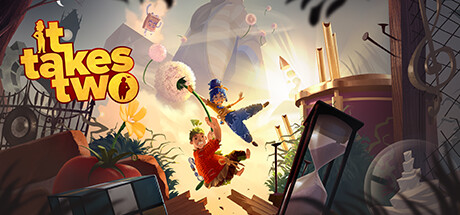
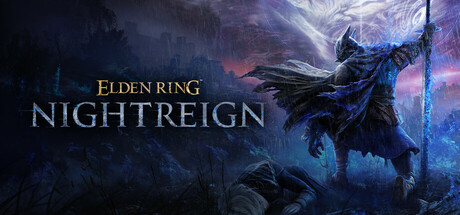



Match Dimensions Explained
❓Frequently Asked Questions
Why does Chains keep coming up in 'Games Like Zom 100' lists when it’s just a bubble-popper?
Because Chains nails the same emotional rhythm as Zom 100’s quieter moments—like Akira’s post-apocalyptic journaling or the calm-before-the-storm scenes at the convenience store. Its Healing & Slow Life dimension (83 score) and gentle, physics-driven pacing let you unwind without pressure, much like how Zom 100 balances zombie chaos with heartfelt bucket-list reflection. Players even compare its ‘link-3-and-breathe’ flow to flipping through Akira’s notebook between crises.
Is there an anime or game adaptation of Zom 100 itself?
No official game adaptation exists yet—but Prince of Persia (82 score) is the closest *spiritual* match for fans waiting for something with that same blend of melancholic exploration and self-reinvention. Think of the new Prince wandering ruined cities and rebuilding identity, mirroring Akira’s journey from burnout salaryman to defiantly alive human. Even the tone hits right: dry comedy, quiet awe, and weighty personal stakes—no zombies needed.
Stardew Valley vs. The Sims 4—which is better for that Zom 100 ‘rebuilding life after collapse’ vibe?
Stardew Valley (75 score, strong Healing & Slow Life + Survival & Crafting) wins hands-down for that grounded, hopeful rebuild energy—like tending crops on your grandfather’s overgrown farm while slowly reconnecting with townsfolk, just as Akira rebuilds community one bucket-list item at a time. The Sims 4 *tries*, but its Comedy & Parody focus and reliance on expensive DLC (per player reviews) makes it feel more like chaotic improv than intentional healing—less ‘finding peace in routine’ and more ‘why is my Sim spontaneously combusting again?’
What if I hate survival mechanics but love Zom 100’s humor and emotional pacing?
Then skip Garry’s Mod (76 score)—its Survival & Crafting layer is front-and-center—and lean into Prince of Persia (82 score) instead. It ditches inventory management and hunger bars entirely, focusing instead on lyrical platforming, witty banter with side characters (like the snarky Djinn), and melancholic exploration that mirrors Akira’s reflective voiceovers. You get the same tonal whiplash—absurd jokes followed by aching silence—without needing to craft a single bandage.