
Pass the Monster Meat, Milady!
Any proper noble lady must cultivate refined tastes, and Lady Melphiera’s delicacy of choice is…monsters! Unfortunately, society frowns upon such unladylike cravings and brands her the “Voracious Villainess.” At a banquet, she’s attacked by a monster, only to be saved by the feared “Blood-Mad Duke.” He’s brutal, mysterious, and charming. Could he be the one to appreciate her monstrous appetite?
(Source: Crunchyroll)
📺Anime Details
📝Editorial Analysis
The clink of silverware against porcelain—sharp, precise, utterly proper—then the crunch of something scaled and sinewy, swallowed without apology. Lady Melphiera’s gloved fingers lift a skewer of roasted wyvern heart, her gaze steady as courtiers recoil, fans snapping shut like startled birds. She doesn’t flinch. She savors. That sound—the quiet, defiant crunch—is the heartbeat of Pass the Monster Meat, Milady! It’s not rebellion for spectacle; it’s relief. A sigh after years of holding your breath in a corset of expectation.

What makes this anime vibrate isn’t its fantasy trappings or royal scheming—it’s the quiet radicalism of self-acceptance wrapped in silk and swordplay. It makes you feel seen, not as a trope, but as someone who’s ever hidden a hunger—literal or otherwise—because it didn’t fit the script. It makes you think about how dignity isn’t polished manners, but the courage to name what sustains you—even if it’s dragon marrow and scandal. There’s no frantic escalation, no world-ending stakes. Just the slow, warm weight of being witnessed, truly, for the first time. The tension isn’t “will she survive?” but “will he taste it with her?” That’s the intimacy: shared appetite, not just shared danger.
That same hushed, deeply personal resonance hums through The Sims™ 4, not despite its bugs and bloated DLC model—but because of how players carve out space within its constraints. The official description invites you to “create a world of Sims that’s wholly unique”—and the player review admits the base game feels hollow without expansions, yet still chooses to engage: “This game is no fun without dlc, you can barely do a…” Yet people play. They build tiny kitchens where their Sim bakes griffin-stew muffins, they stage quiet tea parties where romance blooms over shared monster-meat scones. Like Melphiera, they’re curating authenticity within rigid systems—turning limitation into tenderness. The emotional DNA isn’t in the graphics or quests; it’s in that stubborn, tender act of making home where the world says you shouldn’t belong.
Then there’s Prince of Persia, whose description promises “an all-new epic journey” built by Ubisoft Montreal—a reboot, yes, but one that reclaims narrative space. The player review notes it’s “completely separate from the sands,” a deliberate unmooring from legacy. That mirrors Melphiera’s arc: she isn’t redeeming a villainess past—she is the origin point. Her “villainy” was always misread hunger. Likewise, this Prince isn’t reenacting old myths; he’s forging new ones, grounded in physicality—leaping, landing, breathing—just as Melphiera grounds her magic in visceral, bodily truth: taste, texture, heat. Both reject inherited roles to define power on their own terms—not through conquest, but presence. The slow life here isn’t pastoral; it’s the deliberate rhythm of a hand finding its grip on a ledge—or a goblet.
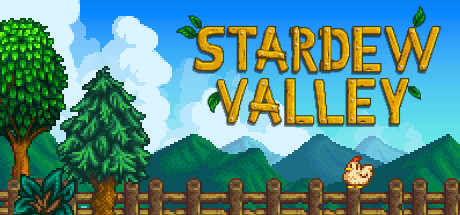
And Stardew Valley, with its inherited plot and “hand-me-down tools,” pulses with the same gentle insistence: you belong here, even if you don’t know how yet. The description frames it as learning to “live off the land”—not dominate it. The player review confesses exhaustion (“Spent the first 2 years trying to do everything”), but that fatigue isn’t failure—it’s the honest friction of becoming. Melphiera doesn’t master monster cuisine overnight; she learns to read a basilisk’s marbling, to coax umami from goblin fungus. Stardew’s romance routes aren’t won with grand gestures, but with daily gifts—like Melphiera offering the Duke a sliver of rare chimera jerky, watching his guarded eyes soften at the first bite. Both are about accumulated trust, not climactic declarations.
This pairing sings for the person who keeps a notebook of recipes and relationship timelines—who finds catharsis not in victory screens, but in the steam rising from a pot of simmering harpy broth, or the way a Sim finally places that perfect enchanted chandelier above their shared dining table. For the reader who underlines sentences about crunch and savor and gloved fingers, then closes the book to stir something wild into their own soup. Not escapists. Reclaimers.
🎮5 Games That Match the Vibe


Match Dimensions Explained
❓Frequently Asked Questions
Why does Pass the Monster Meat, Milady! match with Prince of Persia?
Because both lean into that lush, story-driven Romance & Shoujo vibe—think dramatic glances, emotionally charged dialogue, and slow-burn tension—while also offering Healing & Slow Life energy through quiet, atmospheric moments (like the Prince’s reflective rooftop walks or Milady’s tender monster-care cutscenes). Even though PoP is action-adjacent, its pacing and emotional weight align way more with Milady’s tone than, say, a fast-paced shooter.
Is there a mobile version of Pass the Monster Meat, Milady! like Stardew Valley?
Nope—unlike Stardew Valley, which has a fully featured mobile port (Stardew Valley Mobile), Pass the Monster Meat, Milady! is currently only available on PC. That said, if you love Milady’s cozy monster-tending + romance loop, Stardew Valley’s farm-life rhythm and marriageable bachelors (like Sebastian or Alex) deliver that same warm, healing, slow-life satisfaction on your phone.
How is The Sims 4 different from Pass the Monster Meat, Milady! when it comes to romance?
TS4 lets you build sprawling, chaotic love triangles across dozens of NPCs with custom traits and scripted events—but it’s *system-driven*, not story-driven like Milady, where romance unfolds through intimate, character-specific scenes (e.g., feeding your monster a rare berry while he blushes behind his tentacle). Plus, TS4’s romance feels more modular and repeatable, while Milady’s is tightly woven into narrative beats and monster lore.
What’s the best game like Pass the Monster Meat, Milady! if I just want something soothing and low-stakes?
Stardew Valley is your top pick—it’s got that same Healing & Slow Life core: gentle seasons, rhythmic routines (watering crops → chatting with villagers → gifting → dating), and zero pressure to ‘win’. You won’t get monster transformations or gothic shoujo banter, but you *will* get Pelican Town’s soft lighting, Harvey’s calm pharmacy chats, and the deep comfort of watching your farm bloom day by day—exactly the vibe Milady fans crave after a long day.