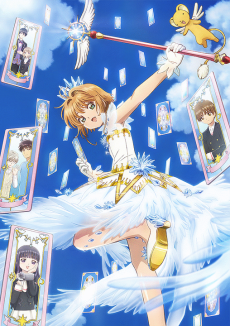
Cardcaptor Sakura: Clear Card
The power of the Clow is back! As Sakura settles into a normal routine, she prepares to face her newest challenge - junior high! While her classes are challenging, things start looking up when Xiaolang Li reappears and says he'll be staying for good. But when she has a strange dream about a mysterious figure and wakes to find her Clow Cards completely clear, she must return to her duty as Cardcaptor.
(Source: Funimation)
📺Anime Details
📝Editorial Analysis
The light in Sakura’s bedroom at dawn — soft gold spilling over her open sketchbook, the faint scent of strawberry shampoo still clinging to the air, her hand resting beside a half-finished watercolor of a cherry blossom branch — that’s where Cardcaptor Sakura: Clear Card lives. Not in the flash of a henshin sequence or the crackle of a newly awakened card, but in the quiet weight of ordinary time: her fingers tracing the edge of a clear Clow Card, wondering if magic is slipping away — or just changing shape.
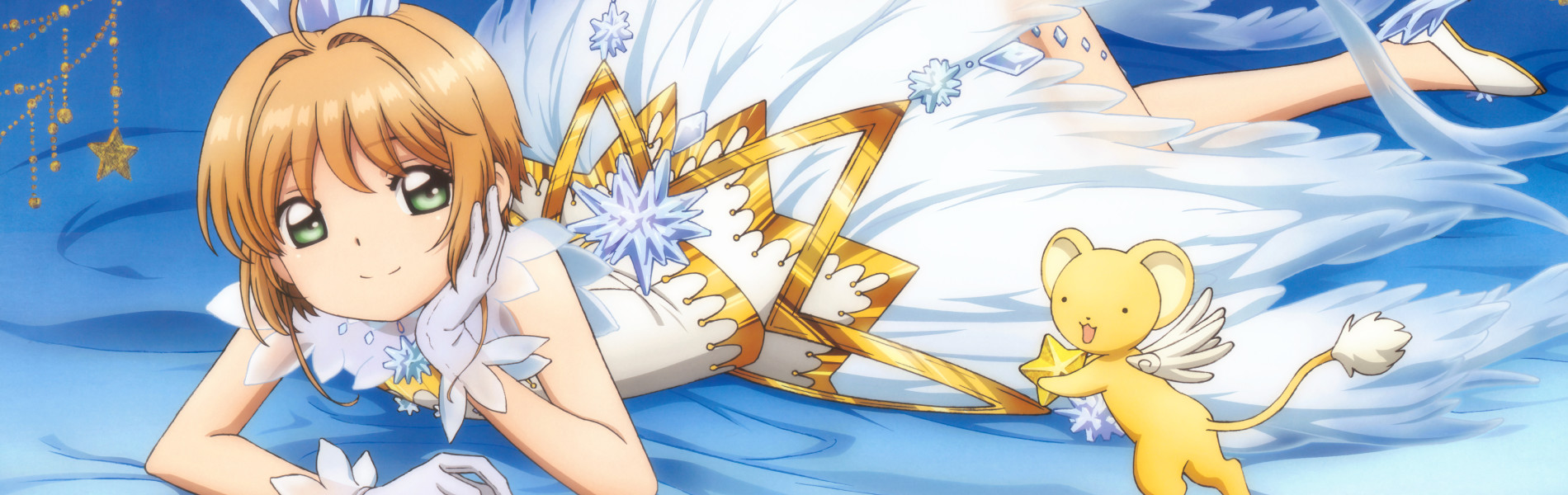
This isn’t urgency dressed as fantasy. It’s the hush between heartbeats — the way time stretches when you’re walking home with someone who knows your silence, or when you pause mid-bite over a slice of homemade dorayaki, suddenly aware of how much warmth fits inside one small, sweet thing. Clear Card doesn’t trade in stakes; it trades in presence. It makes you feel the quiet gravity of growing up — not as loss, but as accumulation: new feelings layered over old ones, responsibilities folding into care, magic no longer a duty to master but a language you’re learning to speak with, not at. You think about thresholds — not doors bursting open, but the slow, almost imperceptible shift when a hallway feels different because someone else’s footsteps now echo beside yours. It’s tender, grounded, unhurried — even when the cards vanish and the mystery deepens.
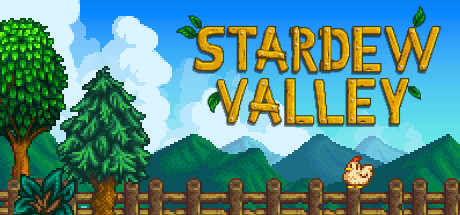
That emotional DNA pulses strongest in Stardew Valley. Its description promises a life rebuilt “off the land” — not through conquest, but cultivation, rhythm, and return. Like Sakura relearning her cards not by force but by listening — to wind, to memory, to the quiet hum beneath her own pulse — Stardew asks you to attend: to seasons turning, to relationships deepening over shared meals and rainy-day letters, to the profound satisfaction of watching something grow because you showed up, day after day. A player admits to spending “the first 2 years trying to do everything and never having enough time,” then learning to let go — just as Sakura stops chasing clarity and begins trusting the blur, the uncertainty, the soft focus of becoming. Both reward patience not as delay, but as devotion.
Then there’s The Sims™ 4, whose description invites you to “play with life and discover the possibilities” — a phrase that lands like a whisper in Sakura’s world, where every lunchbox note, every shared glance in homeroom, every hesitant confession tucked between math problems feels like possibility made tangible. The player review laments broken DLC and cost — but what remains untouched, core, and alive is the sandbox of small human rituals: cooking together, dancing in the living room, holding hands on the couch while rain streaks the window. That’s Sakura’s heartbeat too — not spectacle, but intimacy as architecture: building a world where love isn’t declared in grand battles, but in the way Syaoran remembers how she takes her tea, or how Tomoyo folds a ribbon just so before filming.
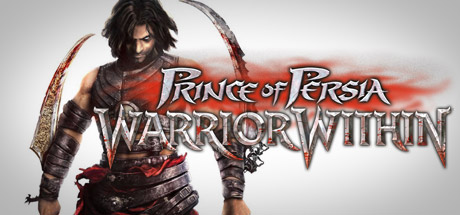
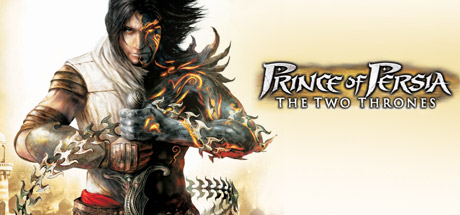
And yes — even the Prince of Persia trilogy, with its “Time & Memory” dimension, resonates in unexpected harmony. These aren’t just action games — they’re palimpsests. In The Sands of Time, the Prince rewinds seconds to undo missteps; in Warrior Within, Dahaka hunts him through time itself; in The Two Thrones, his very identity fractures across past and present. Sakura doesn’t wield sand or blades — but she holds time differently. Her clear cards aren’t empty; they’re vessels waiting for meaning to settle back in, like memories returning in fragments — a laugh echoing in an empty classroom, a gesture from childhood resurfacing in a new context. A player calls the Dahaka chase “goated” — not for speed, but for relentless presence, the way time itself becomes a character breathing down your neck. Sakura feels that too — not as threat, but as pressure: the gentle, inescapable insistence that who you were is always walking beside who you’re becoming.
This pairing sings for the person who cries during grocery lists in anime, who saves game files named “spring break 2023” and keeps them for years, who measures love in shared silence more than grand declarations — the one who knows healing isn’t a destination, but the slow, steady act of showing up, again and again, with open hands and a full heart.
🎮9 Games That Match the Vibe





Match Dimensions Explained
❓Frequently Asked Questions
Why does Stardew Valley feel like Cardcaptor Sakura: Clear Card even though it's a farming sim?
Because both lean hard into gentle daily rhythms, quiet emotional growth, and soft romantic tension—like Sakura’s hesitant confessions to Syaoran mirrored in Stardew’s seasonal festivals and heartfelt heart events with characters like Marnie or Sebastian. The healing, slow-life dimension (82 score) and romance & shoujo alignment (82) mean you’ll get that same warm, character-driven intimacy—not through magic battles, but through watering crops, sharing gifts, and watching relationships bloom like Sakura’s Clow Cards transforming under moonlight.
Is there a Cardcaptor Sakura: Clear Card anime or game adaptation I can play right now?
No official video game adaptation of *Clear Card* exists—but if you're craving that same blend of magical girl wonder, tender romance, and time-infused storytelling, *The Sims 4* (with its Romance & Shoujo + Healing & Slow Life dimensions, 85 score) lets you build Sakura-style friendships and slow-burn relationships, while the *Prince of Persia* trilogy (*Sands of Time*, *Warrior Within*, *Two Thrones*) delivers the time-manipulation magic and emotional weight fans love—especially how the Prince’s memories unravel like Sakura’s fragmented recollections of her father’s past.
Stardew Valley vs. The Sims 4—which is better for capturing the cozy, magical-girl slice-of-life vibe of Clear Card?
Stardew Valley wins for pure *Clear Card* warmth: its healing & slow life (82) and romance & shoujo (82) scores match Sakura’s sun-dappled school days, cherry blossom festivals, and quiet moments with Kaito or Akiho—no DLC required. *The Sims 4* (85 score) has stronger shoujo/romance depth, but as one player put it, 'it’s no fun without DLC'—so unless you’re committed to buying packs, Stardew gives you that authentic, self-contained, emotionally resonant rhythm out of the box.
What if I love Clear Card’s time-based mystery and emotional flashbacks—but hate combat? What should I play?
Skip *Prince of Persia*’s sword-swinging entirely—and go straight to *The Sims 4*. Its Time & Memory dimension isn’t literal like the Sands of Time dagger, but its storytelling tools let you recreate Sakura’s layered past: design a Sim who mirrors Fujitaka’s quiet wisdom, script memory-triggered interactions, or build a library-themed lot echoing the Clow Book’s archive feel. And unlike *Warrior Within*’s Dahaka chases (which one fan calls 'goated' but definitely not chill), TS4 lets you explore time and memory at your own pace—no health bar, just heartbeats.