
InuYasha
Kagome Higurashi, an average ninth grader, gets pulled into an ancient well by a demon, bringing her 500 years in the past to the feudal era. There, she meets Inuyasha, a half-demon who seeks the Shikon Jewel to make himself a full-fledged demon. With Inuyasha and new friends, Kagome's search for the Jewel of Four Souls begins...
(Source: VIZ Media)
📺Anime Details
📝Editorial Analysis
The scent of rain on old tatami, the creak of wooden floorboards in the Higurashi shrine, and then—the sudden, dizzying lurch downward as Kagome tumbles into the well’s dark throat, her school uniform snagging on splintered wood, her breath catching not in fear but in wonder, raw and unguarded, before the light swallows her whole. That fall isn’t just time travel—it’s a surrender to something older than logic, quieter than battle cries, deeper than any jewel’s glow.
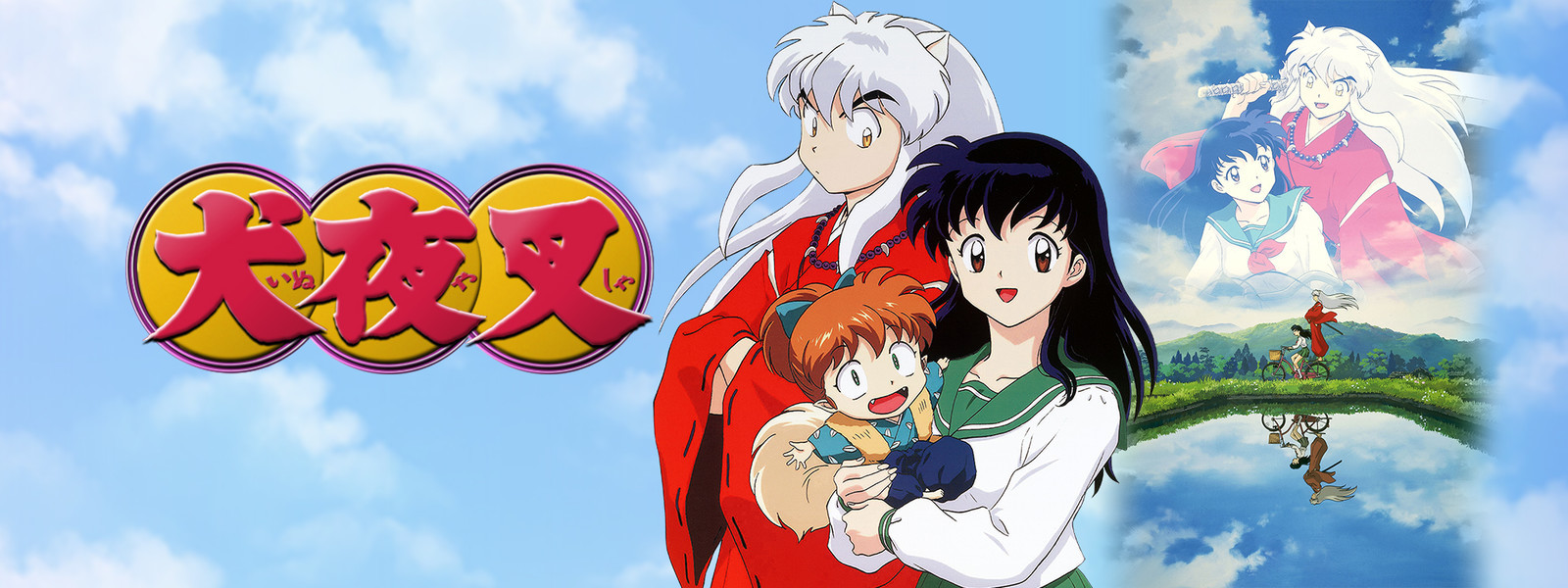
What makes InuYasha ache like this isn’t its swordplay or demons—it’s the weight of presence. You feel the dust motes drifting in afternoon sunbeams through the village gate; you taste the bitter tang of medicinal herbs ground by Kaede’s hands; you hear the low, weary sigh Inuyasha lets out after a fight—not triumph, but exhaustion layered with something tender, almost ashamed. It’s melancholic exploration: every forest path winds toward memory, every ruined temple hums with ghosts of choices made and love deferred. The feudal era isn’t backdrop—it’s breathing, breathing slowly, holding space for grief, for quiet confessions under star-dusted skies, for the way Kagome’s modern voice cracks when she says, “I’m not from here”—and how that truth lands, soft and heavy, in the hush between them.
That feeling echoes unmistakably in Prince of Persia, where the new iteration trades sandstorms for mist-wreathed ruins and builds its epic around healing & slow life, romance & shoujo, melancholic exploration. The player review notes it’s “a brand new story completely separate” — yet the emotional architecture remains: a prince walking broken landscapes, touching relics of lost time, his movement fluid but deliberate, his purpose tied not just to conquest but to mending what’s frayed. Like Kagome stepping barefoot onto dew-slick grass at dawn, the Prince moves with reverence—not just through space, but through consequence. Both stories treat time not as a line to race along, but as soil to kneel in.
Then there’s The Sims™ 4, whose description invites you to “Play with life and discover the possibilities,” to “create a world of Sims that’s wholly unique.” Its top emotional dimensions—healing & slow life, romance & shoujo—mirror the anime’s heartbeat. Kagome doesn’t “win” Inuyasha through grand battles alone; she wins him by packing bentos, by mending his haori with clumsy stitches, by sitting with him in silence while he stares at the fire. Player reviews complain about DLC costs and bugs—but beneath that frustration lies the undeniable truth: people return to TS4 for the smallness, the ritual of watering crops, the awkward first date at the café, the way a Sim’s mood shifts when they finally hug someone who’s been distant. That’s the same pulse as Kagome braiding Sango’s hair after a near-fatal wound, or Shippo curling into her lap mid-journey, trusting the rhythm of her breath more than any spell.
Even Stardew Valley, with its inherited farm plot and hand-me-down tools, resonates—not in scale, but in soul. Its description frames the journey as learning “to live off the land,” turning barren soil into something sustaining. Player reviews confess to “days upon days of constantly running around,” chasing time itself—a confession that mirrors Kagome’s frantic search for shards, yes, but also her quieter struggle to belong, to root herself in a world where every season carries ancestral weight. The melancholy isn’t despair—it’s the ache of growth: planting seeds knowing winter will come, loving someone knowing time pulls you apart, choosing to stay even when the well waits.
This pairing sings to the person who cries at laundry scenes, who saves game files named “spring_rain” and “after_the_storm,” who keeps a journal not for goals but for moments: the way light hits a teacup, the sound of wind chimes at dusk, the pause before a confession. They don’t want victory—they want witnessing. They want stories where magic isn’t flashy, but folded into rice paper, stitched into a sleeve, whispered across centuries in a single glance. They love the slowness that lets feeling settle—and the courage it takes to keep walking, even when the path is overgrown, even when the jewel is shattered, even when all you have is your own steady, human heart, beating beside something ancient and wild.
🎮9 Games That Match the Vibe






Match Dimensions Explained
❓Frequently Asked Questions
Why does Prince of Persia keep coming up when I search for games like InuYasha?
Because both lean hard into melancholic exploration and slow-burn romance—think wandering misty ruins (like the Shikon Jewel’s fragmented past) while building quiet, emotionally charged bonds (Prince & Elika mirroring Inuyasha & Kagome’s push-pull). The healing vibe and shoujo-tinged storytelling in Prince of Persia’s 2008 reboot hit that same wistful, bittersweet tone fans love.
Is there an actual InuYasha video game adaptation I can play right now?
No official, modern InuYasha game exists—it’s been over 15 years since the last licensed title (InuYasha: Feudal Combat on PS2). That’s why fans turn to spiritual matches like Stardew Valley, where you rebuild a life from scratch (like Kagome settling into feudal Japan), or The Sims 4, which lets you roleplay those tender, character-driven moments—romance events, festival days, even ‘spiritual cleansing’ via custom mods echoing sacred shrines.
Stardew Valley vs. The Sims 4—which is better for that cozy, slow-life InuYasha vibe?
Stardew Valley wins if you want grounded, seasonal rhythm and gentle community bonding—think helping Marnie with her animals like Sango tending Kirara, or wooing villagers during festivals that echo the Bone-Eater’s Well’s time-jump warmth. The Sims 4 *can* do it too (especially with Romantic Interactions and Seasons packs), but its charm is more customizable chaos—perfect if you’re craving playful, slice-of-life flirts like Shippo teasing Kagome rather than deep agrarian calm.
What’s the best game like InuYasha if I just want to feel peaceful and emotionally safe?
Go straight to Prince of Persia (2008)—its healing & slow life dimension is spot-on: no grinding, no permadeath, just flowing acrobatics through sun-dappled ruins and quiet, intimate cutscenes where the Prince and Elika share glances as tender as Kagome and Inuyasha’s first real conversation by the well. It’s not action-heavy like Sacred Gold (which is janky and unstable), and avoids TS4’s DLC fatigue or Stardew’s time-pressure stress.