
Comic Girls
The manga's story centers on the 15-year-old high school student and manga creator Kaoruko Moeta, who uses the pen name Chaos. After ranking at the bottom of a reader survey, Kaoruko's editor recommends that she enter an all-female dormitory for manga creators. Kaoruko's roommates are shoujo manga creator Koyume Koizuka, teen romance manga creator Ruki Irokawa, and shounen manga creator Tsubasa Katsuki. The girls support each other as they work to become better manga creators.
(Source: Anime News Network)
📺Anime Details
📝Editorial Analysis
The smell of pencil shavings and warm milk tea hangs in the air—Kaoruko’s cramped dorm room, late at night, bathed in the soft glow of three desk lamps. Her eraser is worn down to a nub; Koyume’s sketchbook lies open to a half-finished panel where a girl’s ribbon floats mid-air, caught in an unseen breeze; Ruki types furiously on her laptop while humming off-key; Tsubasa sprawls on the floor, flipping through a shonen magazine with one sock missing. No grand crisis, no villain, no deadline bell—just the quiet weight of creation: the pressure of blank pages, the tenderness of sharing rough drafts, the way a stray doodle on a napkin becomes a lifeline.

That’s the feeling Comic Girls lives inside—not joy as spectacle, but quiet belonging. It’s the relief of being understood without explanation, of having your quirks (chuunibyou flourishes, tomboyish bluntness, yuri daydreams) treated not as plot devices but as natural textures of being fifteen and trying to make something real. There’s no “big break” looming like a sword—just the daily accumulation of small choices: which panel to revise, whether to ask for feedback, how to hold space for someone else’s fragile confidence. It makes you think about care as craft: how drawing lines, writing dialogue, or even refilling the sugar bowl becomes an act of devotion—to your work, to your friends, to the slow, unglamorous process of becoming.
The Sims™ 4 resonates here—not because of its broken DLC economy or buggy updates (as that player review bluntly puts it), but because its core fantasy mirrors the dorm’s emotional architecture: building life, detail by deliberate detail. Like Kaoruko arranging her pens by thickness or Koyume taping reference photos to her wall, TS4 invites players to curate meaning through arrangement—choosing wallpaper, naming pets, deciding if a Sim pauses to water plants before rushing to work. The “Healing & Slow Life” dimension isn’t about idle relaxation—it’s about ritual, about the dignity in repetition. That player’s frustration (“no fun without dlc, you can barely do a…”) ironically underscores what Comic Girls cherishes: the sufficiency of the bare essentials—the shared fridge, the communal shower schedule, the way Ruki’s romance tropes bloom because she’s limited to what she knows, not what’s commercially viable.
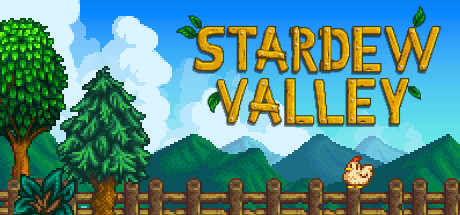
Stardew Valley lands even deeper in that same frequency. Its description promises inheritance, tools, coins—and then asks you to live. Not conquer. Not optimize. Just be there, season after season, learning the rhythm of soil and silence. The player review confesses exhaustion—“Days upon days of constantly running around”—but that frantic early scramble? It’s Kaoruko’s first week in the dorm: overwhelmed by deadlines, misreading tone, over-editing a single speech bubble until it loses all life. Stardew’s healing doesn’t come from mastery—it comes from surrendering to cycles: planting, waiting, failing, replanting. Like when Tsubasa sketches the same fight scene five times until the motion feels true, not flashy. Both honor the body’s fatigue and the mind’s stubborn hope—not as obstacles, but as collaborators.
Prince of Persia, despite its “epic journey” framing and “new prince, new lands” reboot, shares the anime’s quiet reverence for gesture. Its description hints at legacy (“critically acclaimed franchise returns”), but the emotional match lives in the unspoken: the way a character’s hand brushes a wall, the weight of a glance across a courtyard, the choreography of near-misses that feel more intimate than kisses. That player review notes it’s “completely separate” from past stories—not a continuation, but a re-rooting. So is Comic Girls: Kaoruko isn’t chasing fame; she’s rebuilding her relationship with her own voice, panel by panel, draft by draft. The “Romance & Shoujo” dimension isn’t about coupling—it’s about attentiveness, the kind that notices how Koyume’s eyelashes flutter when she’s concentrating, or how Ruki’s voice drops half a tone when she admits she’s stuck.
This pairing sings for the person who cries over a perfectly rendered coffee stain in a manga panel—who saves screenshots of Sims’ sleepy yawns, who replants the same crop just to watch the growth animation again, who pauses Prince of Persia mid-leap to admire how light catches a tile. For the creator who measures success not in hits or likes, but in whether their roommate laughed at their joke, or borrowed their favorite eraser, or quietly slid a sticky note onto their desk that says, “This part made me hold my breath.” That’s the heartbeat both Comic Girls and these games protect—not fast, not loud, but steady, tender, and fiercely, unapologetically small.
🎮5 Games That Match the Vibe


Match Dimensions Explained
❓Frequently Asked Questions
Why does Stardew Valley keep showing up in 'Games Like Comic Girls' lists?
Because both lean hard into the 'Healing & Slow Life' and 'Romance & Shoujo' vibes — think late-night café chats with characters like Abigail or Leah, crafting gifts to deepen relationships, and the quiet joy of tending crops while listening to seasonal festivals. It’s not about action or stakes; it’s about emotional pacing and gentle character intimacy, just like Comic Girls’ slice-of-life studio hangouts.
Is there an anime or manga adaptation of The Sims 4?
Nope — The Sims 4 has zero official anime or manga adaptations. Unlike Comic Girls (which *is* a manga turned anime), TS4 stays firmly in the sandbox simulation space: you’re designing Marnie’s farmhouse or customizing Sebastian’s outfit, not watching a scripted story unfold. Its storytelling is player-driven, not adapted.
Stardew Valley vs. Prince of Persia — which feels more like Comic Girls?
Stardew Valley, hands down. While Prince of Persia (2024) has lush visuals and some romantic subtext with Zola, its core is action-platforming and time-bending combat — totally at odds with Comic Girls’ cozy, low-stakes rhythm. Stardew mirrors that vibe through daily routines, heartfelt confessions at the beach, and the warm, unhurried growth of relationships like Harvey’s clinic visits or Emily’s sewing scenes.
What’s the best 'Comic Girls'-like game if I just want to relax and draw/write without pressure?
Stardew Valley — especially early-game, when you’re sketching out your farm layout, naming chickens after manga tropes, or writing letters to villagers like Robin (who’ll reply with little doodles in her notes). It’s got that same soothing, creative autonomy as Comic Girls’ manga drafting scenes — no timers, no fail states, just soft progression and personal expression.