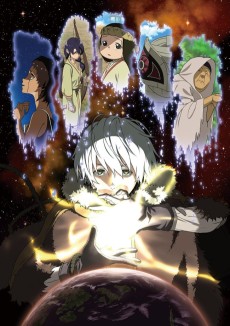
To Your Eternity
In the beginning, an "orb" is cast unto Earth. "It" can do two things: change into the form of the thing that stimulates "it"; and come back to life after death. "It" morphs from orb to rock, then to wolf, and finally to boy, but roams about like a newborn who knows nothing. As a boy, "it" becomes Fushi.
Through encounters with human kindness, Fushi not only gains survival skills but grows as a "person". But his journey is darkened by the inexplicable and destructive enemy Nokker and cruel partings with the people he loves.
(Source: Crunchyroll)
📺Anime Details
📝Editorial Analysis
The first time Fushi opens his eyes as a boy—mouth slack, fingers uncurling over cold earth, breath shallow and alien—the world doesn’t greet him with words. It gives him wind, scent, the weight of snow melting on his bare arm, the distant, guttural cry of a wolf he was. There’s no music swelling, no narration. Just silence thick with presence—and the unbearable, beautiful weight of beginning.
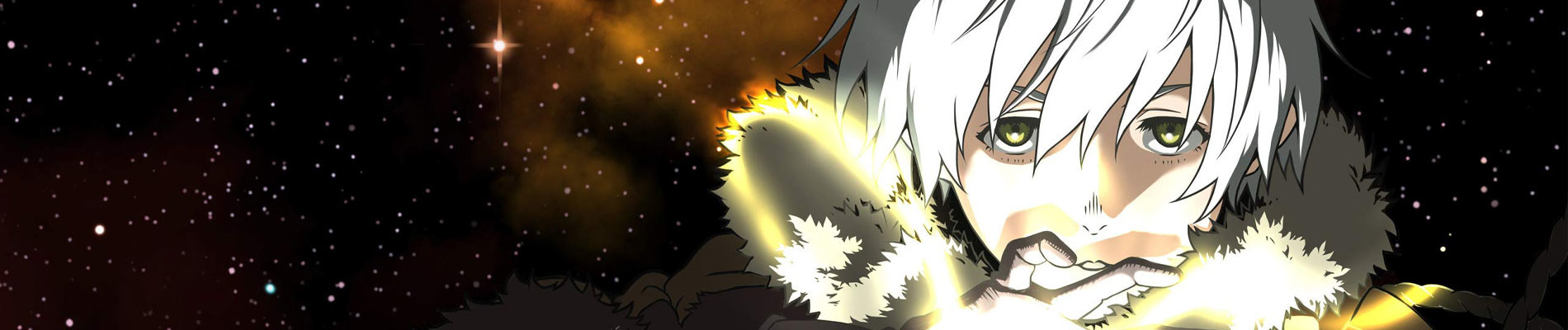
That silence is the atmosphere: not emptiness, but fullness waiting to be named. To Your Eternity doesn’t trade in exposition or easy catharsis. It makes you feel time as texture—rough bark under palm, the slow seep of blood into soil, the decades that pass in a single cut from winter to spring. It asks you to sit with grief not as climax, but as weather: persistent, changing shape, sometimes lifting just enough for light to catch the edge of a teacup held by hands that have buried three families. You don’t solve the Nokker—you outlive them. You don’t “win” personhood—you accumulate it, stitch by fragile stitch, through gestures remembered, names whispered back, scars kept not as wounds but as witnesses. This isn’t fantasy escapism. It’s presence, rendered in trembling detail—raw, quiet, and devastatingly patient.
Which is why Prince of Persia lands with such eerie resonance. Its description calls it “an all-new epic journey” built by Ubisoft Montreal—but the player review nails the emotional core: “Prince of Persia is the 3rd reboot… introducing us to a new prince, new lands and a brand new story completely separate from the sands.” That deliberate separation, that insistence on starting over—not as erasure, but as recalibration—mirrors Fushi’s rebirths. Both works treat memory as terrain: not data to retrieve, but ground to walk across again, differently each time. The prince doesn’t reclaim a throne—he relearns gravity, consequence, the cost of a single misstep on crumbling architecture. Like Fushi learning to hold a spoon, or tie a knot, or say “thank you” without understanding the weight behind it, the prince’s movement feels bodied, hesitant, earned. Every ledge jump carries the echo of a fall you’ve already survived—and will survive again.
Then there’s Rise of the Argonauts, where Jason’s entire arc begins when his fiancée is killed on their wedding day. The description frames it as a vow “to do anything to restore her life”—but the player review cuts deeper: “If you love games based on ancient history this one does it right…” Ancient history isn’t just backdrop here; it’s living myth, where gods intervene not with fanfare but with chilling casualness, where fate isn’t destiny—it’s sedimentary layer upon layer of loss, ritual, and stubborn, irrational love. That’s Fushi’s world too: the Nokker aren’t villains with motives—they’re forces, like drought or plague, met with reverence, rage, and eventually, weary, hard-won understanding. Both stories treat tragedy not as plot device but as ecosystem: something you grow around, adapt to, carry like stone in your pocket until its edges wear smooth.
And Tank Universal, at first glance absurdly dissonant—a sci-fi tank FPS—holds a startling key in its player review: “Play cool tank game with dad when you were 6. Love the cool sound effects, and the colors. time goes on; loose access to game. Grew up dad passes away…” That raw, unedited pivot—from childhood sensory joy to adult absence—is pure To Your Eternity DNA. The anime doesn’t dramatize grief; it archives it—in the way Fushi keeps a child’s drawing folded in his coat for thirty years, or how he learns to whistle the same tune a dead friend loved, long after forgetting the words. The game’s review isn’t about mechanics—it’s about time’s erosion, about objects (a tank, a whistle, a teacup) becoming vessels for what language can’t hold. Both understand that healing isn’t return—it’s continuation, layered, imperfect, humming with ghosts.
This pairing is for the person who cries not at funerals, but at the sight of an old coat left on a chair. For the one who replays a dialogue tree not to optimize choices, but to linger in the silence between lines. For those who don’t seek answers—but keep walking, listening, remembering how snow feels on skin, how a name sounds when spoken aloud for the first time, how long it takes for a heart to learn its own rhythm again. Not hopeful. Not hopeless. Here. Always, fiercely, here.
🎮71 Games That Match the Vibe


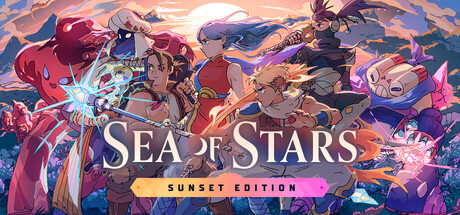
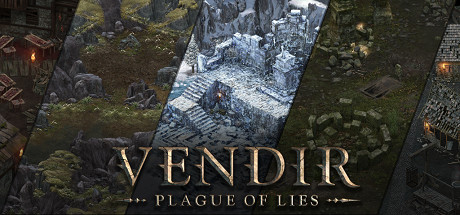
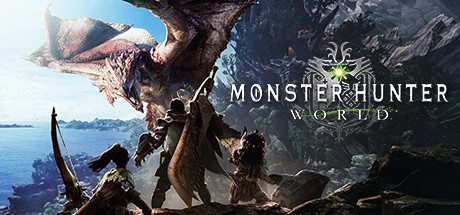
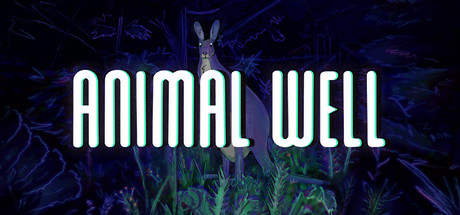

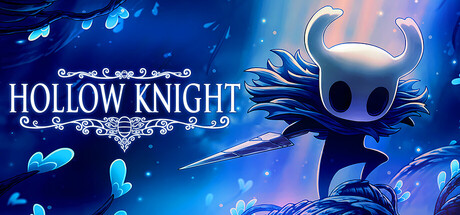
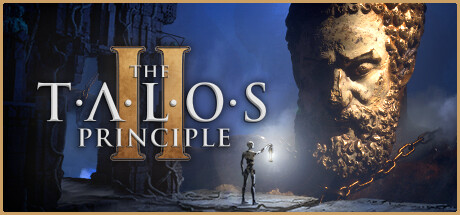
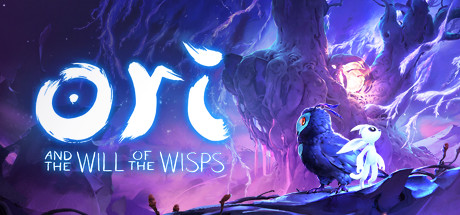
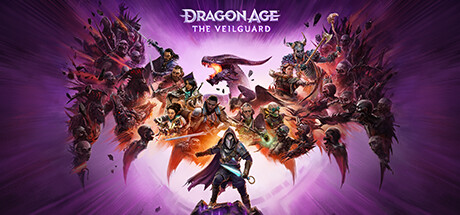









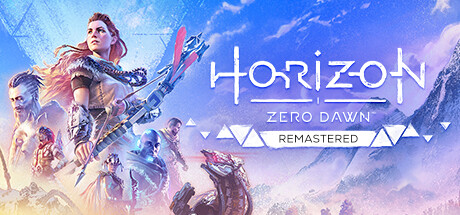
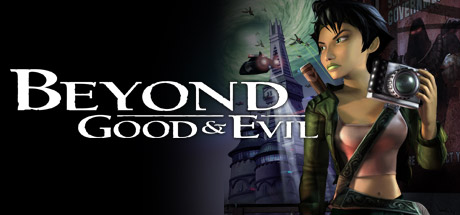
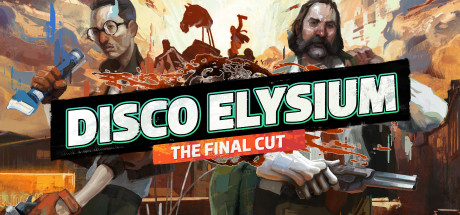
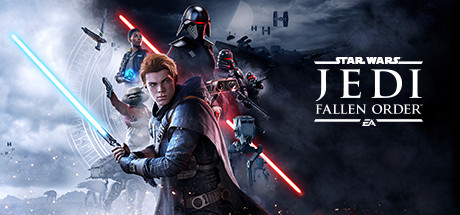
Match Dimensions Explained
❓Frequently Asked Questions
Why does Prince of Persia keep coming up in 'Games Like To Your Eternity' lists?
Because both lean hard into melancholic exploration and adult, dark seinen themes—like the Prince’s quiet grief over lost time and fractured identity mirroring Fushi’s slow, painful evolution across centuries. The game’s desolate, sand-choked ruins and haunting score (especially in the 2024 reboot) echo scenes like Fushi wandering the abandoned village or sitting alone on the cliff after losing Pioran.
Is there a To Your Eternity anime adaptation of Jade Empire?
No—Jade Empire is its own standalone BioWare JRPG from 2005, but it shares To Your Eternity’s emotional narrative weight and mythic storytelling. Think of how Master Li’s betrayal and the Spirit Monk’s tragic arc parallel Mora’s quiet loyalty or the sorrow behind the Nokker’s ancient hunger—both games make you *feel* the weight of legacy and moral ambiguity in every dialogue choice.
How does Rise of the Argonauts compare to To Your Eternity in tone and themes?
Rise of the Argonauts matches TYE’s adult & dark seinen dimension through Jason’s vengeful, grief-fueled quest—like when he resurrects his murdered fiancée only to face horrifying consequences, echoing Fushi’s desperate, often misguided attempts to bring back lost loved ones. Its mythological grounding (Greek gods, cursed relics) gives that same solemn, fate-heavy vibe as the Bear God’s prophecies or the Nokkers’ cosmic indifference.
What’s the best game like To Your Eternity if I want that quiet, heavy-feeling healing vibe?
Chains is surprisingly perfect for that—it’s not about combat or lore, but about gentle, meditative rhythm and small acts of restoration: linking bubbles feels like tending to fragile hope, much like Fushi learning to heal wounds or rebuild a home. Players even call it ‘connect 4 in a nutshell,’ which nails the soft, tactile comfort of TYE’s slower moments—like bandaging Parona’s hand or mending the cabin roof.