
Celeste
Help Madeline survive her inner demons on her journey to the top of Celeste Mountain, in this super-tight platformer from the creators of TowerFall. Brave hundreds of hand-crafted challenges, uncover devious secrets, and piece together the mystery of the mountain.
🎮Game Details
💬What Players Say
"Not a puzzle game, no rating given. In some ways, I feel like I don't need to review this game, since I would be nowhere near the first to talk about why it's the best platformer ever made. However, to me, it is more than that...."
"Great game. Has a native linux port. I love that!..."
"actually the perfect game for people who do NOT crash out easily, and are super bad at platformers. if you fit that criteria, i believe that this would be the perfect game for you sire......"
📝Editorial Analysis
The wind howls—not as a sound effect, but as pressure against your ribs. You’re clinging to a sheer ice wall on Celeste Mountain, Madeline’s breath ragged in your ears, her fingers trembling just enough that you feel the strain in your own shoulders. There’s no fail state beyond falling—no penalty, no timer, no judgment—just the quiet thud of landing, then the soft chime that says try again. That’s the core: not mastery, but returning. The official description calls it “surviving inner demons,” and the player reviews don’t talk about score or speed—they talk about not crashing out easily, about being super bad at platformers and still being held, gently, by the game’s design. One reviewer even says they “don’t need to review this game” because the feeling is already shared, already known—like a language spoken in sighs and small victories.
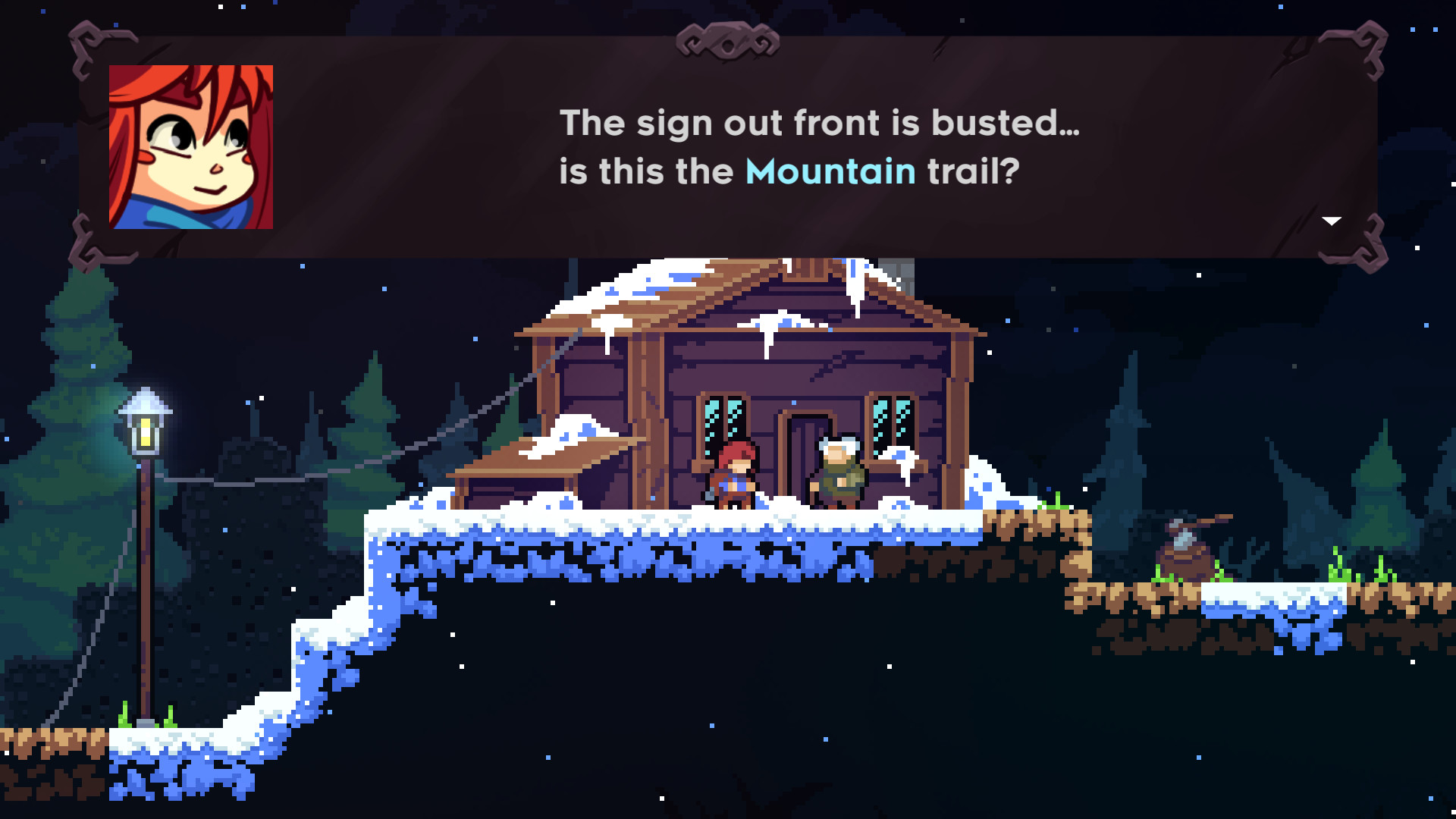
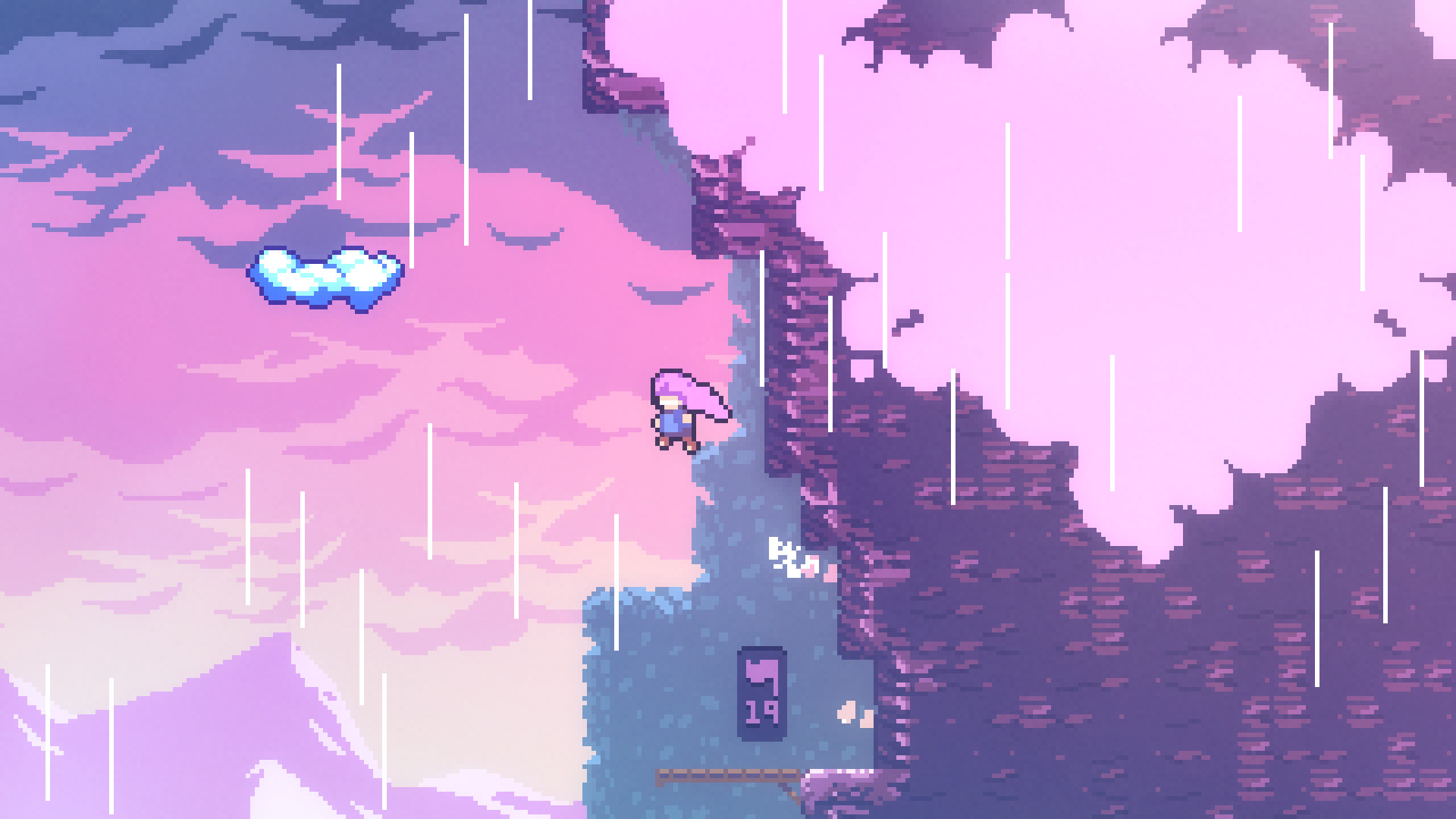
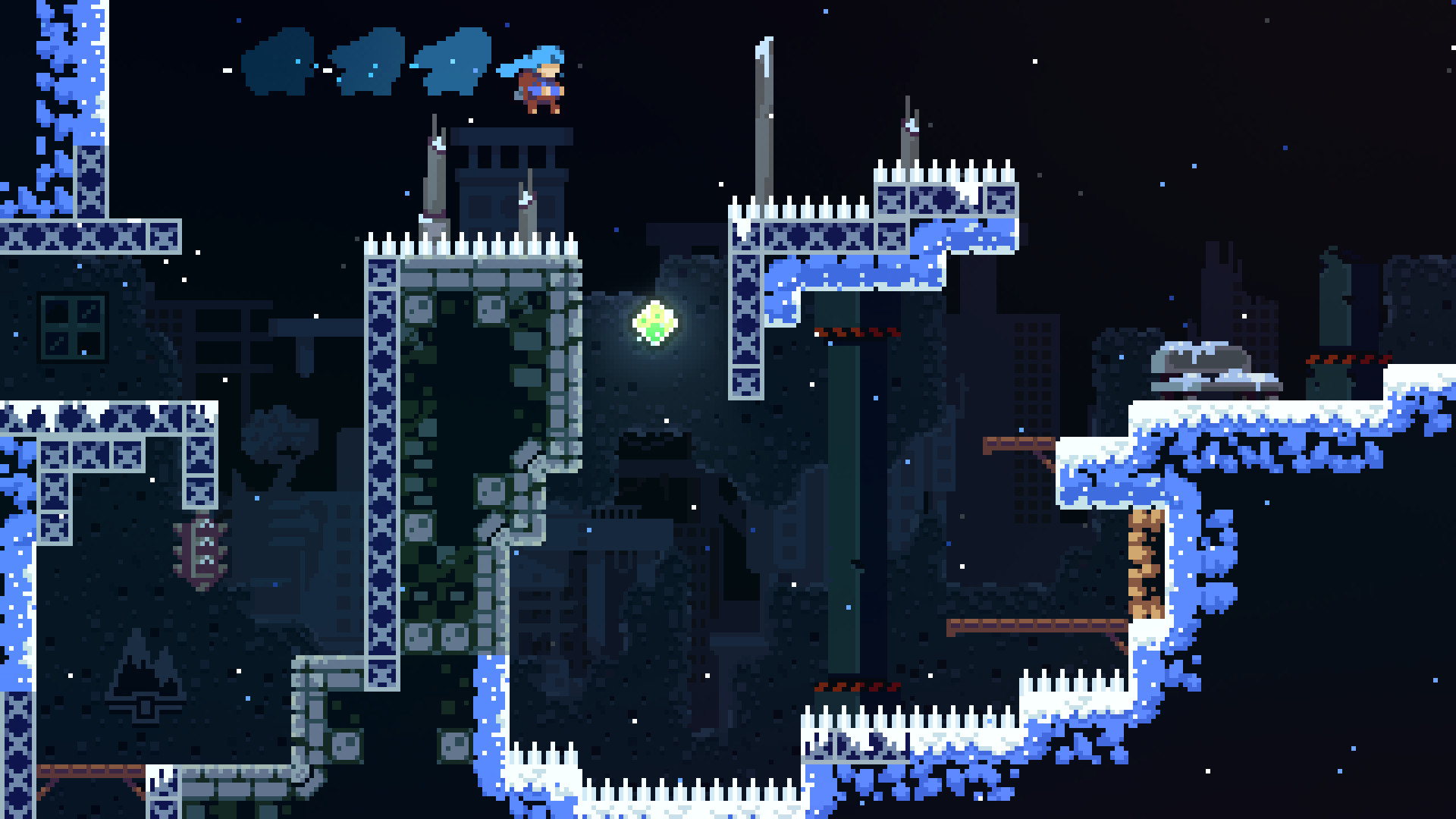
What makes Celeste’s atmosphere singular isn’t its pixel art or tight controls—it’s the weight of presence. It doesn’t ask you to conquer anxiety; it asks you to move with it, step by step, jump by jump, breath by breath. Every ledge is earned not through reflex alone, but through recalibration—of timing, of expectation, of self-trust. The mountain isn’t hostile. It’s attentive. And when you finally clear a screen after twenty attempts, the relief isn’t triumphal—it’s tender, almost embarrassed, like catching yourself crying and realizing no one saw but you—and that’s okay. This isn’t adrenaline. It’s recognition: the kind that settles behind your eyes, warm and quiet, long after the controller’s been set down.
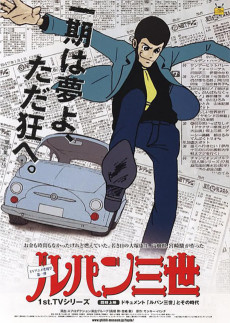
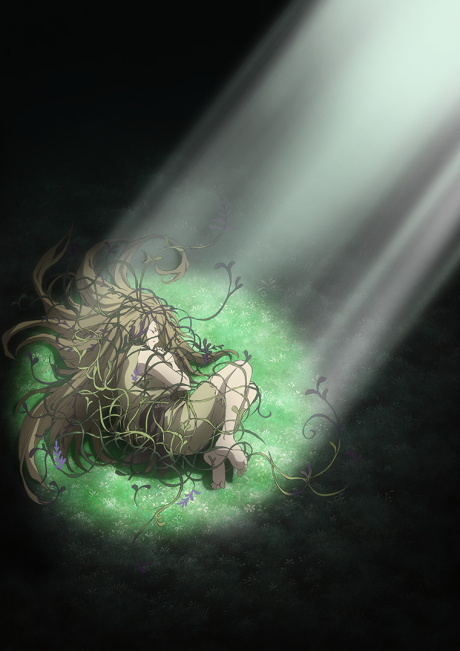
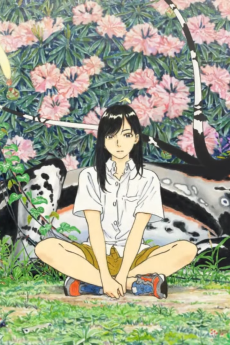
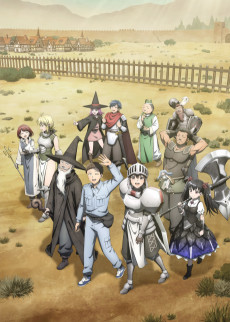
That same resonance hums through Bartender, where melancholy isn’t a mood—it’s the barstool you sink into, the slow pour of whiskey, the silence between sentences that holds more truth than any monologue. Like Madeline climbing past the whispering winds of her own doubt, the bartender listens—not to fix, but to witness. Both refuse catharsis-as-spectacle. They choose instead the dignity of small continuities: another drink served, another ledge scaled, another morning survived. Then there’s The Comic Artist & His Assistants, where creative paralysis and emotional exhaustion aren’t plot devices—they’re textures, worn thin by repetition and care. The protagonist stumbles, redraws, erases, starts over—just like Madeline resetting mid-air, not in defeat, but in commitment to the next try. And Dr. Ramune -Mysterious Disease Specialist-, with its clinical calm and deep-seated empathy, mirrors Celeste’s most radical design choice: treating struggle not as failure, but as data. A symptom. A pattern. Something to be mapped, not shamed.
These aren’t stories about breaking through walls—they’re about learning the grain of the wood, the give in the rope, the exact moment your grip shifts from panic to patience. The shared dimension isn’t genre—it’s Melancholic Exploration, rooted firmly in Adult & Dark Seinen: unflinching, unsentimental, yet saturated with compassion. No grand battles. No villain monologues. Just people—exhausted, tender, trying—and systems (a mountain, a bar, a clinic, a manga studio) that hold space for their slowness without condescension.
This pairing is for the person who keeps a notebook full of half-finished thoughts, who replays conversations in their head not to rehearse, but to understand the shape of the silence. For the one who’s ever paused a game—not because they’re stuck, but because the air in the room suddenly matched the air on screen. For the reader who finishes a chapter of OKITSURA and stares out the window, not sad, not happy—just full, like breath held and released at the same time. Not for those who want escape—but for those who want recognition, precise and soft as snowfall on bare skin.
→45 Anime That Match the Vibe

A quiet, wandering spirit — these works find meaning in silence and empty spaces.

Madeline’s trembling breath before the first screen of Celeste’s Mirror Temple echoes Sasakura’s quiet pause as he measures bitters for a guest haunted by grief—both rituals of holding space for pain. 🌿 Melancholic Exploration isn’t just mood; it’s structural: each cocktail, each pixel-perfect jump, becomes a vessel for unspoken trauma. Unlike most recovery narratives, neither work offers catharsis through triumph—but through witnessing, with tenderness, how fragile selves rebuild in real time.

A quiet, wandering spirit — these works find meaning in silence and empty spaces.

A quiet, wandering spirit — these works find meaning in silence and empty spaces.

A quiet, wandering spirit — these works find meaning in silence and empty spaces.

A quiet, wandering spirit — these works find meaning in silence and empty spaces.

A quiet, wandering spirit — these works find meaning in silence and empty spaces.

A quiet, wandering spirit — these works find meaning in silence and empty spaces.

A quiet, wandering spirit — these works find meaning in silence and empty spaces.

A quiet, wandering spirit — these works find meaning in silence and empty spaces.








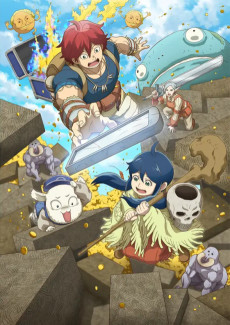


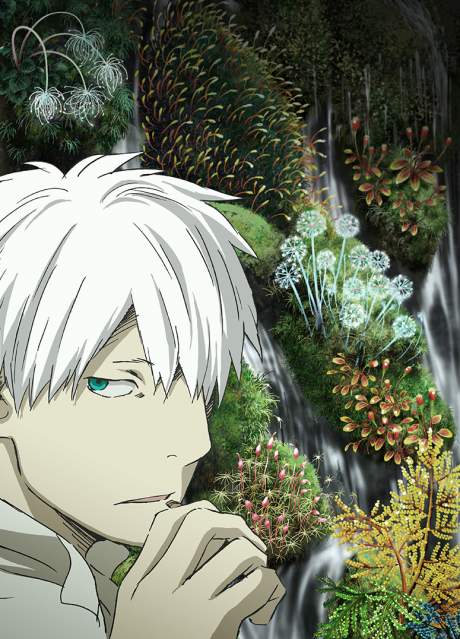
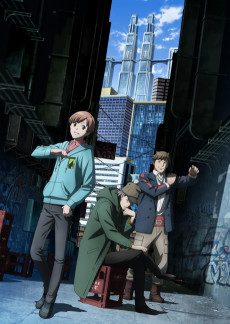
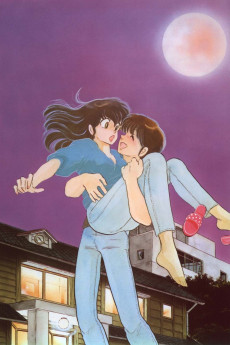















Match Dimensions Explained
❓Frequently Asked Questions
Why does Bartender get compared to Celeste despite having no platforming?
Because both use quiet, deliberate pacing to explore heavy inner struggles—like Madeline’s panic attacks on Celeste Mountain, Bartender’s Kaito confronts grief and isolation while mixing drinks in a dimly lit bar. The melancholic exploration dimension (score: 76) nails that same emotional weight, where every silence and slow zoom feels like a character moment, not just atmosphere.
Is there an anime adaptation of Celeste?
No—Celeste is a video game only, with no official anime adaptation. But if you're craving that same tone, Dr. Ramune (score: 75) delivers similarly grounded, introspective storytelling: like Madeline climbing the mountain step-by-step, Dr. Ramune tackles mysterious illnesses with quiet persistence, layering personal vulnerability over each clinical case.
How is I Can't Understand What My Husband is Saying 2nd Thread like Celeste?
Both use gentle, repetitive rhythms to build emotional resilience—Madeline’s ‘dash-jump-reset’ loop mirrors how the show’s protagonist quietly navigates miscommunication with warmth and patience. It’s not about grand battles, but small victories: like her finally understanding her husband’s odd habits, Madeline finally trusting herself mid-air after dozens of falls.
What’s the best anime like Celeste for when I need something calming but emotionally deep?
Go with OKITSURA—it’s got that same soft-spoken sincerity as Celeste’s quieter moments, like when Madeline sits on the bench overlooking the valley. The Okinawan setting, gentle cultural misunderstandings, and slow-burn connection between the leads mirror Celeste’s focus on presence, patience, and healing through small, repeated acts of care (score: 75, Melancholic Exploration).