
Tawawa on Monday 2
📺Anime Details
📝Editorial Analysis
The steam rises in thin, trembling ribbons from the bento box—rice still warm, tamagoyaki golden and soft—as she sits by the window of the train, sunlight catching the faintest sheen on her cheek. Her skirt is neatly folded over her knees, her posture relaxed but precise, one hand resting lightly on her lap, the other holding the chopsticks just so. No dialogue. No dramatic music. Just the low hum of the carriage, the rhythmic clack-clack over the rails, and the quiet certainty of a moment that exists only because it is—not for plot, not for payoff, but because breathing feels like enough.
That’s the heart of Tawawa on Monday 2: a suspended breath between destinations. Not escapism, not fantasy—but presence. It’s the weight of a schoolbag strap digging slightly into a shoulder, the way light pools on polished floor tiles in an empty classroom after dismissal, the unspoken understanding between colleagues who share a commute and nothing else. There’s no urgency here—no ticking clock, no looming deadline—just the gentle friction of daily life worn smooth by repetition. It makes you feel still, not stagnant—like standing barefoot on cool tatami at dawn, aware of your own pulse, your own warmth, your own quiet aliveness. It doesn’t ask you to do—it asks you to notice: the curve of a wrist, the rustle of a uniform, the way time bends when you’re not chasing it.
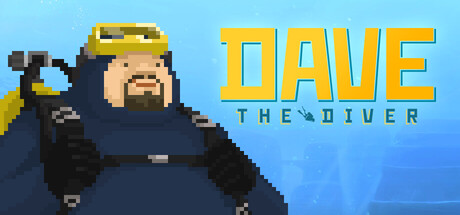
That emotional DNA—Healing & Slow Life, Melancholic Exploration, Adult & Dark Seinen—isn’t rare in games, but it’s rarely expressed with such tender, unembellished fidelity. Take DAVE THE DIVER, which shares exactly those dimensions: Healing & Slow Life, Melancholic Exploration, Adult & Dark Seinen. Its rhythm mirrors the anime’s—diving deep into calm blue silence, then surfacing to manage a small restaurant where every order, every ingredient, every tired smile carries quiet consequence. Like the office lady on her Monday commute, Dave isn’t saving the world—he’s tending to it, stitch by careful stitch. The player review doesn’t mention this, but the feeling is there: the same reverence for small acts, the same ache beneath the surface that never erupts, only settles—like condensation on a train window.
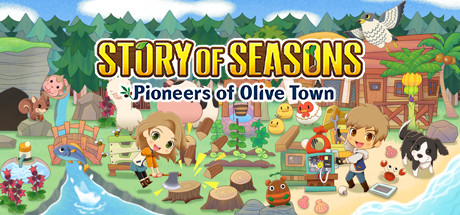
Then there’s STORY OF SEASONS: Pioneers of Olive Town, also tagged with Healing & Slow Life and Adult & Dark Seinen. Its description doesn’t name it outright, but its soul lives in the same soil as Tawawa on Monday 2: rebuilding something modest, day after day, with hands that learn the weight of tools, the texture of earth, the patience of growth. No grand villain—just weather, fatigue, seasons turning. You plant seeds not because they’ll change history, but because watching them push through dark soil feels like remembering how to trust time again. That’s the same soft resilience you see when a character adjusts her glasses mid-commute, or folds laundry with deliberate care—no fanfare, just continuity.
And Bandle Tale: A League of Legends Story, matching on Healing & Slow Life and Melancholic Exploration, lands with uncanny precision. Though set in Runeterra, its pacing breathes like the anime’s: wandering narrow alleys, listening to shopkeepers speak in unhurried cadence, collecting tiny mementos that mean more than they should. It doesn’t rush toward revelation—it lingers in the space before understanding, where emotion lives as atmosphere, not exposition. Like watching a girl trace the edge of her notebook while waiting for her stop, you sense the fullness of what’s unsaid—not sadness, not joy, but tenderness held in suspension.
These aren’t for people who want catharsis or conquest. They’re for the ones who’ve ever stared out a train window and felt their thoughts slow to match the passing trees—who find solace not in resolution, but in the quiet insistence of routine, in the dignity of ordinary gestures, in the profound enoughness of simply being here, now, with skin, breath, and light falling just so. If you’ve ever paused mid-step to watch dust motes swirl in a sunbeam—and felt that pause matter—then you already know this language. It’s not about what happens next. It’s about how deeply you can stay right here.
🎮60 Games That Match the Vibe

























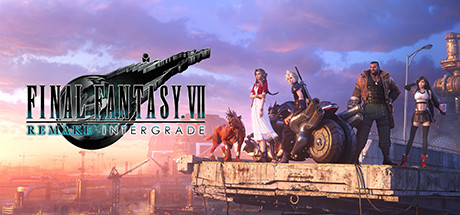


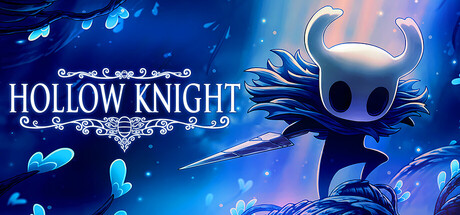
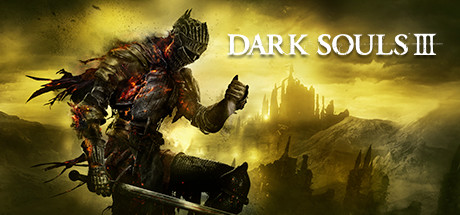
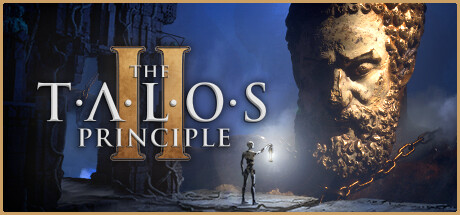




Match Dimensions Explained
❓Frequently Asked Questions
Why does Prince of Persia keep showing up in 'games like Tawawa on Monday 2' lists?
Because both lean hard into Melancholic Exploration and Adult & Dark Seinen vibes — think quiet, weighty moments like the Prince wandering ruined palaces at dusk or reflecting on legacy, mirroring Tawawa’s introspective pacing and emotional restraint. It’s not about action spectacle; it’s that same hushed, atmospheric storytelling where silence and solitude carry as much meaning as dialogue.
Is there an anime or manga adaptation of Tawawa on Monday 2?
No — and that’s why fans often pivot to games like FINAL FANTASY XIV Online, which delivers similarly rich, slow-burn character arcs (like Alisaie’s grief-driven journey in Endwalker) and melancholic worldbuilding without needing a screen adaptation. Its live-service narrative unfolds with the same deliberate, emotionally layered pacing you’d expect from a thoughtful anime, just in interactive form.
How does DAVE THE DIVER compare to STORY OF SEASONS: Pioneers of Olive Town for Tawawa-like relaxation?
Both nail Healing & Slow Life, but DAVE THE DIVER layers in Adult & Dark Seinen tension — like diving into the abyss while juggling your sushi bar’s midnight shifts and cryptic messages from the deep — whereas Olive Town leans fully into gentle routine (planting crops, befriending villagers like Marnie or Gus). If you love Tawawa’s balance of cozy surface calm and subtle underlying unease, DAVE THE DIVER hits closer.
What’s the best game like Tawawa on Monday 2 if I want something soothing but with quiet emotional weight?
Bandle Tale: A League of Legends Story is your sweet spot — its Healing & Slow Life core shines in scenes like helping Yuumi mend broken things in her shop or walking through misty Bandle City alleys at dawn, all wrapped in Melancholic Exploration. It’s got the same soft-spoken sincerity and gentle pacing as Tawawa, minus combat urgency, making it perfect when you need warmth with emotional resonance.