
Dr. Ramune -Mysterious Disease Specialist-
As long as hearts exist inside people, there will always be those who suffer. And then something "strange" enters their mind and causes a strange disease to manifest itself in the body. The illness, which is called a "mystery disease" is unknown to most, but certainly exists. There is a doctor and apprentice who fights the disease, which modern medicine cannot cure.
His name is Ramune.
He acts freely all the time, is foul-mouthed, and doesn’t even look like a doctor! However, once he is confronted with the mysterious disease, he is able to quickly uncover the root cause of his patients' deep-seated distress and cure them.
And beyond that...
(Source: Crunchyroll)
📺Anime Details
📝Editorial Analysis
The smell of burnt sugar and antiseptic hangs in the air—not sweet, not sterile, but wrong, like a memory you can’t place. Ramune leans against the clinic doorframe, chewing gum, eyes half-lidded, while a patient trembles on the exam table—not from fever, but because the ghost coiled around their wrist just flickered into view, translucent and hungry, feeding off grief they’ve never named. No alarm sounds. No siren wails. Just the low hum of the city outside, and Ramune’s voice, dry as ash: “Yeah. That’s your ‘mystery disease.’ Now shut up and let me poke it.”

This isn’t horror built on jump scares or gore. It’s the quiet, aching weight of recognition—the moment you realize the “strange” isn’t invading the mind; it’s bloomed there, fed by silence, shame, or a disability no MRI can map. Dr. Ramune -Mysterious Disease Specialist- doesn’t treat bodies. It treats the unspoken: the way chronic pain becomes a roommate, how loneliness calcifies into something that moves, how magic here isn’t spells or staves—it’s the terrifying, tender logic of the psyche made flesh. The urban fantasy isn’t about hidden worlds—it’s about the hidden wounds pulsing beneath subway platforms and convenience store lights. You don’t feel exhilarated watching it. You feel seen, then unsettled, then strangely held—like someone finally handed you a diagnosis for the thing you thought was just “you being broken.”
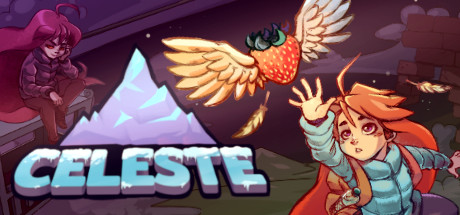
That same emotional resonance thrums in Celeste, where Madeline climbs Celeste Mountain not as a feat of athleticism, but as a raw, stumbling confrontation with her own spiraling thoughts—melancholic exploration rendered in pixel-perfect exhaustion. The player review calls it “not a puzzle game,” which is vital: it’s not about solving outward problems, but enduring the inward avalanche. Like Ramune’s patients, Madeline’s demons aren’t metaphors—they’re physiological, present, demanding attention she’s spent years avoiding. Both refuse easy catharsis. There’s no magic cure at the summit, only breath, trembling hands, and the hard-won understanding that healing isn’t erasure—it’s learning to carry the weight without collapsing.
Then there’s the Tomb Raider trilogy—Legend, Anniversary, and Underworld—all sharing that exact same melancholic exploration dimension and Adult & Dark Seinen tone. Lara Croft doesn’t chase artifacts for glory; she follows echoes of her mother’s disappearance, her own fractured identity, and a legacy steeped in loss. The player reviews mention “unwelcome figures from Lara’s mysterious past” and call Anniversary “the best Tomb Raider game” for its focused, almost ritualistic journey—not through tombs alone, but through layers of inherited trauma. Like Ramune’s clinic, these games are labyrinths where geography mirrors psychology: crumbling temples mirror decaying memory; unstable platforms echo emotional precarity. The “exotic locales” aren’t backdrops—they’re psychic topographies, mapped in sweat and stumble, where every ledge crossed is a tiny victory over the gravity of grief.
Even Sacred Gold, buried under jank and instability, pulses with this same DNA. Its description names “a shadow of evil” falling on Ancaria—a kingdom, not a person—but the player review’s raw, unpolished plea—“Of course I am! It goes without a saying that I would recommend not ju…”—cuts off mid-thought, echoing the anime’s own fragmented, unvarnished honesty. This isn’t epic fantasy spectacle; it’s a weary, bug-ridden pilgrimage through a world where evil feels less like a villain and more like a condition—pervasive, systemic, exhausting to fight. The instability is the point: like Ramune’s foul mouth or Madeline’s panic attacks, it’s the friction of reality refusing to smooth over.
You’d love these pairings if you’ve ever sat in a fluorescent-lit waiting room, gripping your knees, and felt the diagnosis wasn’t the illness—but the relief of finally having a name for the fog inside your skull. If you play games not to win, but to survive the next five minutes with your nerves intact. If “magic” to you means the terrifying, beautiful alchemy of turning despair into something you can touch, examine, and maybe—just maybe—treat. Not fix. Treat.
🎮24 Games That Match the Vibe






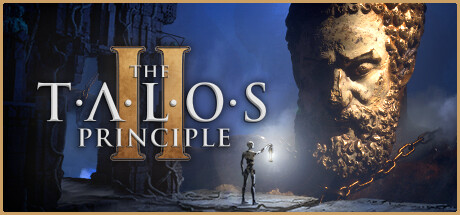
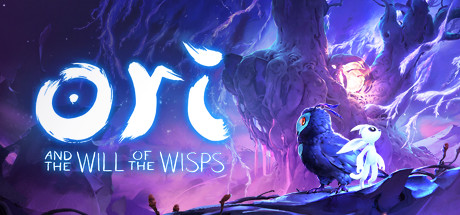
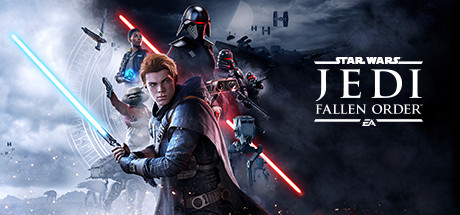
Match Dimensions Explained
❓Frequently Asked Questions
Why does Celeste keep showing up in 'games like Dr. Ramune' lists when it’s a platformer and not a visual novel?
Great question—it’s because both Celeste and Dr. Ramune dive deep into melancholic exploration and adult/dark seinen themes, especially around mental health and identity. Madeline’s struggle with anxiety and self-doubt on Celeste Mountain mirrors Dr. Ramune’s tense, emotionally layered diagnosis scenes—like the ‘Mirror Room’ sequence where patients confront distorted reflections of themselves. It’s not about genre overlap, but that shared tonal weight and psychological intimacy.
Is there an anime or manga adaptation of Dr. Ramune that explains the lore better?
No official anime or manga adaptation exists—but fans often reach for Tomb Raider: Legend because its cinematic pacing and Lara’s solitary, introspective journey through haunted ruins (like the Nepal temple’s flashback sequences) deliver that same dense, atmospheric storytelling Dr. Ramune fans crave. The way Legend weaves fragmented memories into environmental storytelling—especially during the ‘Avalon’ visions—feels like flipping through a wordless, moody manga chapter.
How is Tomb Raider: Anniversary different from Underworld for someone who loves Dr. Ramune’s slow-burn mystery vibe?
Anniversary leans harder into deliberate, almost ritualistic pacing—like Dr. Ramune’s methodical symptom-tracking minigames—where every tomb chamber unfolds like a clinical case file. Underworld, by contrast, ramps up action and momentum (e.g., the shipwreck chase in the Mediterranean), trading quiet dread for kinetic urgency. If you love how Dr. Ramune lingers on a patient’s trembling hands before revealing their diagnosis, Anniversary’s silent, candlelit Scion chambers will hit just right.
What’s the best game like Dr. Ramune if I’m in the mood for something haunting but not stressful to play?
Sacred Gold—yes, really! Despite its jank and bugs (as one player bluntly put it: 'Full of jank, bugs and is not very stable'), its world breathes that same melancholic exploration energy: wandering fog-choked forests like the Shadowfen Marshes, uncovering cursed shrines that echo Dr. Ramune’s ‘Mysterious Disease Specialist’ logbook entries. It’s slower, more atmospheric than combat-heavy, and the eerie stillness between battles feels like waiting in Ramune’s dim clinic hallway for the next patient to knock.