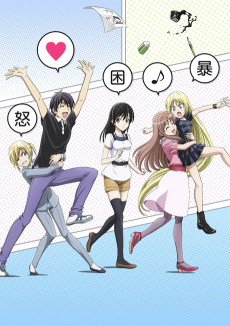
The Comic Artist & His Assistants
A life description about the mangaka Aito Yuuki and his assistant Ashisu Sahoto.
Aito doesn't understand the feelings of the characters on his stories. So he asks Ashisu to help him. Ashisu would do everything for the work. She would even let him touch her breast so he will know how it feels like?!
The Habit?! The Pervert?! Can we understand them? That's the comedy of a mangaka life.
📺Anime Details
📝Editorial Analysis
The slapstick sting of a palm connecting with Aito Yuuki’s cheek—again—as Ashisu Sahoto recoils from his latest “research touch,” her face burning crimson while her hand still trembles mid-swing. Not rage, not disgust—not quite—but the flustered, breathless weight of professional intimacy collapsing into absurdity. That moment isn’t just comedy; it’s the show’s nervous system: a mangaka fumbling through human feeling like a man reading braille on wet paper, and his assistant—sharp, capable, deeply committed—choosing to hold the page steady, even as he misreads every contour.
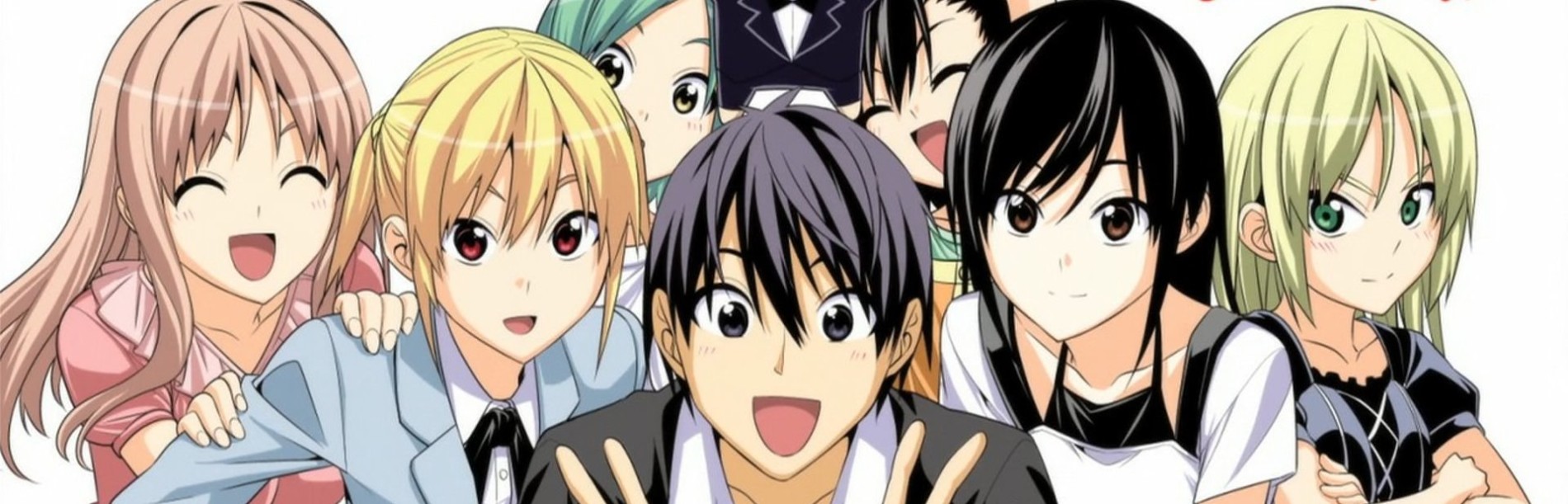
What makes The Comic Artist & His Assistants vibrate with such strange warmth is how it treats emotional labor as both craft and comedy. It’s not about harem wish-fulfillment—it’s about the exhaustion of translating inner life into lines on paper, and the quiet, unspoken trust required when someone lets you use their body as reference material. The humor lands because it’s rooted in real creative desperation: Aito doesn’t grope out of lechery—he stumbles, earnestly, into physicality because he lacks the vocabulary for emotion. And Ashisu doesn’t comply out of submission—she enables, precisely because she understands the stakes: a deadline, a character’s authenticity, the fragile alchemy of turning lived experience into ink. It feels tired, tender, awkward, and honest—not in spite of the ecchi, but because of how mundanely it’s woven into the rhythm of coffee-stained desks, crumpled drafts, and shared silences between panels.
That same emotional DNA hums in Prince of Persia—not in its acrobatics or sand magic, but in its melancholic exploration and adult & dark seinen dimensions. The description calls it “an all-new epic journey” built by the same studio behind earlier entries—but the player review hints at something deeper: “a new prince, new lands and a brand new story completely separate from the sands…” That deliberate rebooting, that conscious severing from legacy to forge meaning anew? It mirrors Aito scrapping a chapter because his heroine’s grief “feels fake”—then asking Ashisu, voice low and hesitant, “What does it look like when someone cries without making a sound?” Both are about rebuilding emotional grammar from scratch.
Bully: Scholarship Edition shares that same texture: adolescence as a series of half-baked performances, where dignity is constantly negotiated through slapstick and social improvisation. Its description frames Jimmy Hopkins navigating “the hilarity and awkwardness of adolescence”—exactly the register Aito lives in, just ten years older and buried under deadlines instead of detention slips. The player review mentions crashes on PC but perfect stability on Steam Deck—a telling detail. Like Aito’s workflow, it’s a system that only holds together under very specific, slightly precarious conditions: the right hardware, the right assistant, the right kind of forgiving chaos. Both works treat growing up—not as a linear arc, but as a series of recalibrations made in real time, often while being loudly, messily wrong.
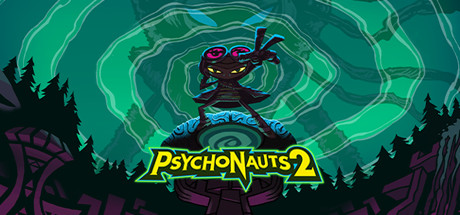
And then there’s Psychonauts, whose description promises “a Psychic Odyssey Through the Minds of Misfits, Monsters, and Madmen.” That phrase—misfits, monsters, madmen—is the key. Aito isn’t a pervert. He’s a misfit trying to map emotional topography he can’t feel. Ashisu isn’t a prop—she’s a madwoman operating with flawless logic inside a broken system. The player review’s bizarre, off-kilter phrasing—“in-depth milking of certain highly creamy men, his utters are beautifully rendered”—feels like an accidental echo of the anime’s own tonal dissonance: language straining, failing, then landing somewhere unexpectedly precise. Both refuse easy categorization because they’re too busy diagnosing the absurdity of being human.
This pairing won’t resonate with fans who want clean catharsis or polished wish-fulfillment. It’s for the ones who’ve stayed late in a studio apartment sketching thumbnails while their partner microwaves leftovers, who’ve laughed so hard at their own incompetence they cried, who recognize the aching sincerity in a terrible joke told to defuse tension—and the quiet courage it takes to keep showing up, even when your hands shake holding the pen, even when your assistant’s blush is equal parts fury and devotion. These aren’t stories about mastery. They’re about showing up, flawed and fumbling, and trusting someone else to hold the line—just long enough to draw one more honest line.
🎮58 Games That Match the Vibe






















Match Dimensions Explained
❓Frequently Asked Questions
Why does Prince of Persia keep showing up in 'Games Like The Comic Artist & His Assistants' lists?
Because both lean hard into melancholic exploration with adult, dark-seinen undertones—like when the Prince wanders ruined palaces haunted by memories, mirroring how TCAA’s protagonist broods over his studio at night or replays awkward interactions with his assistants. The tone-mixing is spot-on too: absurd comedy (e.g., slapstick time-rewinds) layered over existential weight, just like TCAA’s gag panels cutting to quiet, heavy silences after a failed pitch.
Is there an anime or manga adaptation of Bully: Scholarship Edition?
Nope—Bully has never been adapted into anime or manga, despite its rich, character-driven satire of prep-school life (think Jimmy pranking the preppies in Bullworth Academy’s clock tower or bonding with nerds like Russell). Its closest spiritual cousins are manga like *Baka and Test*, but Bully itself stays firmly a game-only universe—no official spin-offs, no anime, just that unplayable-on-PC-but-perfect-on-Steam-Deck charm.
How does Psychonauts compare to Celeste for dealing with anxiety and self-doubt?
Psychonauts tackles anxiety through surreal, parody-laced mindscapes—like Raz diving into Coach Oleander’s militaristic psyche or Gloria’s obsessive-compulsive library—using humor to soften the pain. Celeste goes rawer: Madeline’s panic attacks on Celeste Mountain are tactile, relentless, and stripped of jokes—just tight controls and oppressive screen shake. Both hit ‘melancholic exploration’ and ‘adult & dark seinen’, but Psychonauts wraps its trauma in clown makeup; Celeste stares it down bare-faced.
What’s the best game like The Comic Artist & His Assistants if I want that bittersweet, late-night studio vibe with dry humor?
Tomb Raider: Legend nails that mood—Lara’s solitary trek through misty, ancient ruins (like the abandoned monastery in Nepal) feels like TCAA’s quiet moments drawing storyboards at 2 a.m., headphones on, tea gone cold. And her dry, wry narration—‘This artifact doesn’t belong in a museum… it belongs in a museum *of bad decisions*’—mirrors how TCAA’s protagonist deadpans about deadlines while his assistants sleep on the couch. It’s 75% melancholic exploration, 25% wry adult wit—exactly that vibe.