
Oddworld: Munch's Oddysee
New port for 2016! 60 FPS, higher res textures, higher poly models, improved audio, numerous fixes and improvements, and trading cards, badges, emotes and backgrounds!
🎮Game Details
💬What Players Say
"not as fun as the first 2 games which are 2d platformers. This is a 3D one but control is iffy and difficult to use. Generally not fun for me, Quit after trying out the first 3 stages."
"The game is absolutely funny since I had a good laugh. But there's one major flaw that I noticed: The color correction isn't applied correctly when I was recording/streaming(even when I put the brightness to max). That means that some levels like Vyker's Lab are darker than the other levels...."
"This is a certified Hood classic."
📝Editorial Analysis
The first time Munch’s stubby legs skid sideways on a wet, iridescent pipe—camera lurching, controller vibrating with that iffy resistance you read about in Player review 1—you don’t feel heroic. You feel unmoored. Not from gravity, but from expectation. This isn’t the crisp, rhythmic precision of Abe’s Oddysee or Abe’s Exoddus. It’s 3D, yes—but not smooth 3D. It’s 60 FPS and higher-res textures (per the 2016 port description), yet your thumbs fight the physics like they’re wrestling live eels. That friction isn’t broken—it’s baked in: a deliberate, squishy dissonance between visual polish and tactile unease. And when the color correction glitches mid-stream (as Player review 2 notes), bleeding neon bile into a supposedly calm swamp scene, it doesn’t break immersion—it confirms it. This world doesn’t want you comfortable. It wants you off-balance, laughing while recoiling.
That’s the atmosphere: absurdist dread. Not horror as jump-scares, but as persistent wrongness—a corporate dystopia where amphibians wear lab coats, where industrial pipes exhale fog that smells like burnt sugar and formaldehyde, where every “funny” moment (Player review 2’s “good laugh”) lands with the thud of something hollowed out. It’s satire with teeth, but the teeth are crooked, mismatched, slightly melting. You think about exploitation—not abstractly, but viscerally: the way Munch’s own body is commodified (a last surviving Gabbit, turned specimen), the way Glukkons grin with too many teeth while harvesting souls like soybeans. There’s no moral clarity here—just layers of grotesque parody, where capitalism isn’t evil because it’s cruel, but because it’s ridiculously, exhaustingly absurd. You don’t rage. You snort, then pause, then feel your stomach tighten. That duality—laughter and dread, side by side—is the core feeling. It’s not dark despite the comedy. It’s dark because of it.
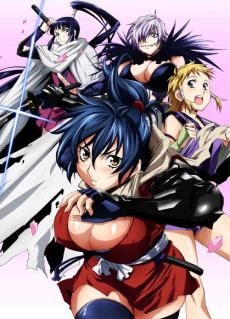
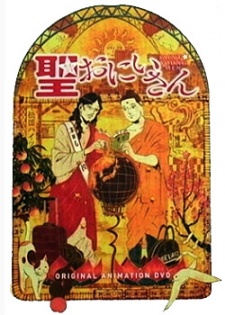
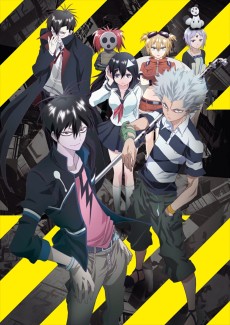
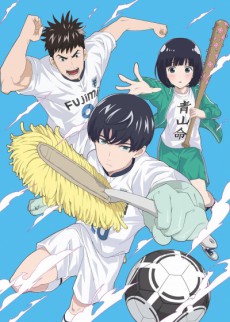
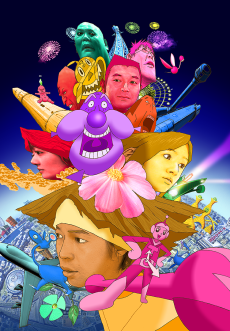
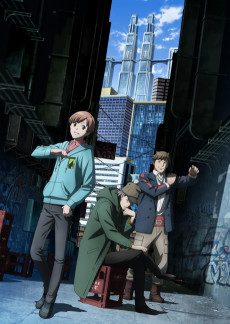
Which is why Mob Psycho 100 III hits so hard. Its dimension—Comedy & Parody alongside Body Horror & Occult—mirrors Munch’s Oddysee’s DNA: a boy whose psychic power literally makes his limbs detach and reassemble during stress, all while delivering deadpan one-liners about tax fraud. The fight scenes aren’t just flashy—they’re visceral distortions, flesh warping like overcooked taffy, exactly like Munch’s wobbly animations or the Glukkons’ rubbery, too-smooth faces. Both treat trauma as something slippery, something you joke about until your jaw unhinges—and then you laugh harder. Then there’s Paprika, where dream logic bleeds into reality with the same glitchy, uncanny fidelity as Munch’s streaming artifacts: a parade of melting mannequins, office chairs birthing screaming mouths—body horror not as shock, but as routine bureaucracy. The color correction flaw? It’s Paprika’s aesthetic made manifest: perception itself is unstable, calibrated wrong on purpose. And Nisemonogatari, with its rapid-fire wordplay and characters whose very identities unravel like fraying thread—Koyomi’s arm literally splitting into copies of itself—shares that same surreal exhaustion. Every punchline lands like a sigh; every transformation feels less like magic and more like system failure. These aren’t stories about monsters invading the world. They’re about the world being the monster—and doing stand-up while it digests you.
This pairing is for the viewer who rewinds anime scenes not to catch plot, but to study how a character’s eyelid twitches before they snap. For the player who doesn’t rage-quit Munch’s Oddysee’s slippery controls—but studies them, fascinated by how the jank enhances the satire. It’s for people who find deep comfort in wrongness: the way Mob’s hair floats mid-air while he debates lunch options, the way Paprika’s parade soundtrack skips like a scratched CD, the way Munch’s jump arc feels too floaty, like the game’s mocking its own ambition. They don’t want polish. They want texture—the grit under the gloss, the glitch in the grin, the humor that leaves your throat tight. They love worlds that refuse to settle—and characters who keep walking anyway, even when their feet won’t quite obey.
→86 Anime That Match the Vibe

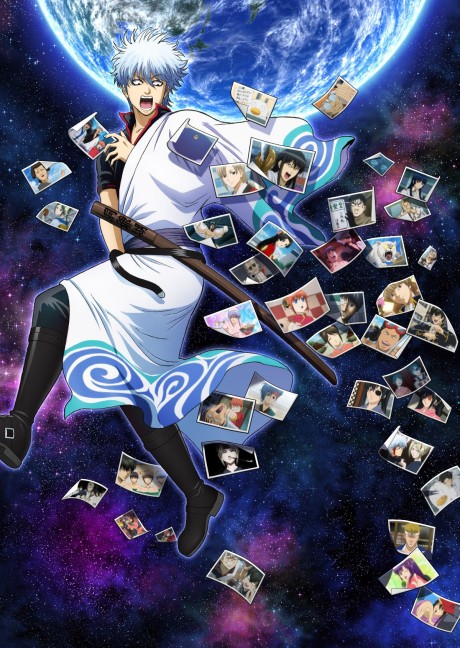
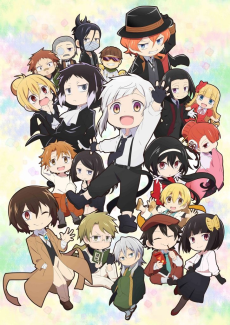
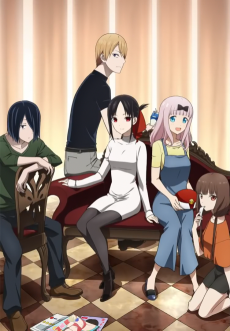
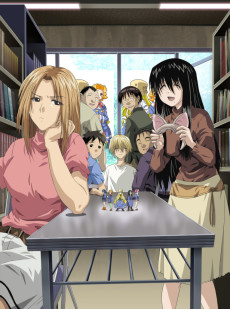
That grotesque, squelching transformation of Munch’s body—jelly-like limbs stretching, eyes bulging—echoes Mob’s psychic meltdown when the Divine Tree’s roots erupt through city streets. 😂 Comedy & Parody pulses through both: Reigen’s grifts and Munch’s waddling desperation undercut cosmic dread with absurd physicality. Unlike most dark-seinen pairings, their resonance lies in how body horror isn’t just spectacle—it’s the visceral language of exploited innocence fighting back.
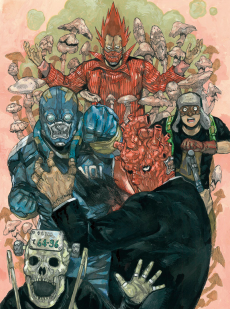
Connected through 3 aesthetic dimensions.

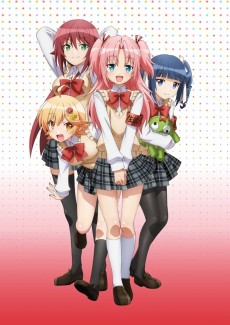
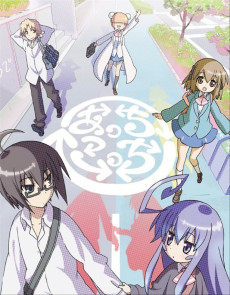
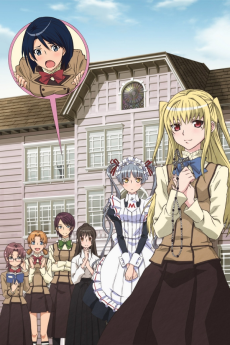
Munch’s grotesque, gelatinous waddle through industrial wastelands mirrors Paprika’s dream-logic corridors where bodies melt and reassemble—both weaponize 👻 Body Horror & Occult to expose systemic exploitation. Where Munch’s silent suffering critiques corporate biotech, Paprika’s parade of distorted faces invades the subconscious to dismantle psychological control. That they fuse absurdist comedy with visceral dread makes their shared surrealism feel urgently, unsettlingly coherent.

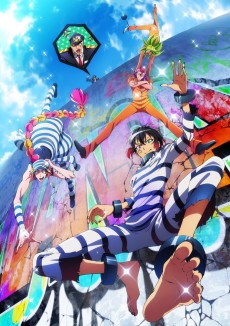
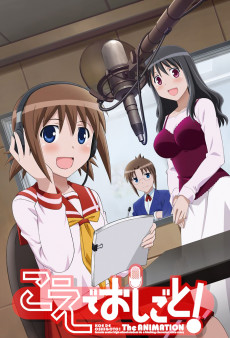
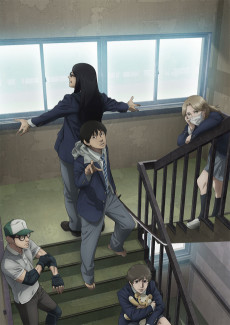
Munch’s grotesque, gelatinous body—melting and reforming as he navigates industrial hellscape—echoes Karen Bee’s warped, self-consuming “fake” identity in *Nisemonogatari*. Where Munch’s physical disintegration mirrors systemic exploitation, Karen’s psychological unraveling weaponizes comedy & parody to deflect trauma—both using 😂 to mask visceral dread. This isn’t just dark humor; it’s body horror & occult logic fused with adult disillusionment, making their shared tonal whiplash startlingly coherent.
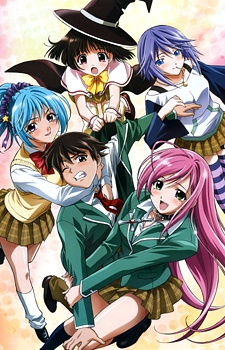
Connected through 2 aesthetic dimensions.

Connected through 2 aesthetic dimensions.

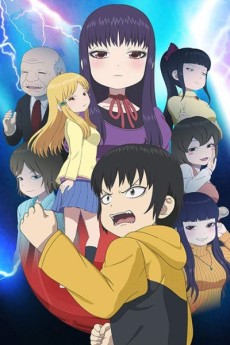
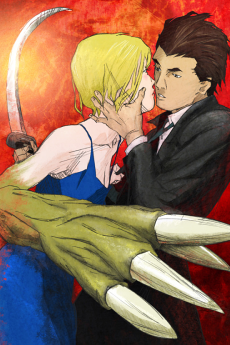
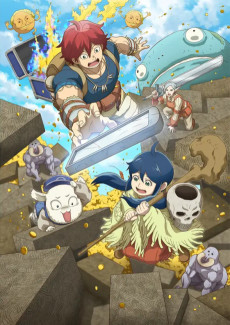
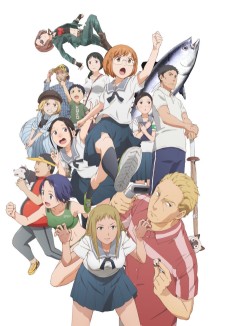
Suruga Devil’s grotesque tooth-harvesting ritual mirrors Munch’s visceral, lopsided body horror—both weaponize discomfort to expose societal exploitation. Where Hanamonogatari’s second season dissects trauma through surreal, darkly comedic fragmentation of self, Munch’s Oddysee uses parody and absurdity to gut corporate dehumanization. That shared embrace of 👻 Body Horror & Occult as psychological excavation—not spectacle—makes their resonance startlingly coherent.
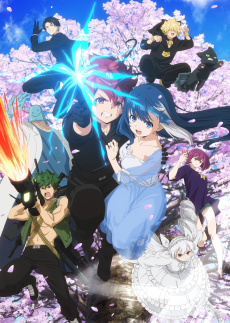
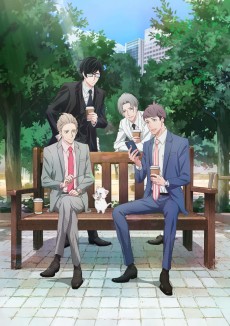
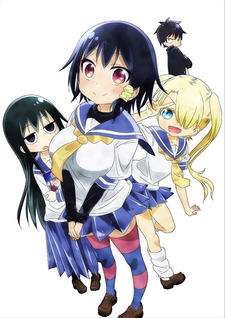
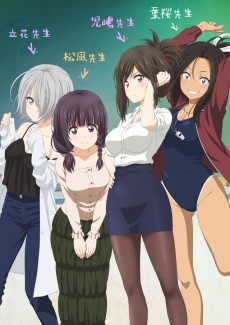
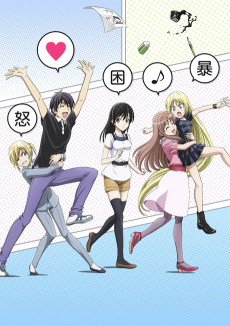
Mutsumi’s spy-family transformations—suddenly sprouting extra limbs or liquefying mid-chase—echo Munch’s grotesque, elastic body horror as he’s stretched, squished, and reassembled by industrial machinery. 😂 Where *Munch’s Oddysee* parodies corporate exploitation through absurd biological commodification, *Mission: Yozakura Family* mocks social anxiety via Mutsumi’s ever-shifting, hyper-embarrassing spy metamorphoses. This shared embrace of visceral comedy rooted in bodily violation feels startlingly coherent—not campy contrast, but tonal kinship.
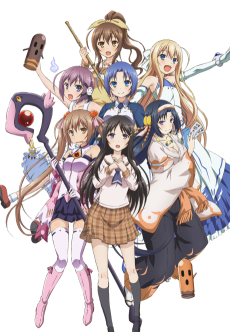
Connected through 2 aesthetic dimensions.

Connected through 2 aesthetic dimensions.

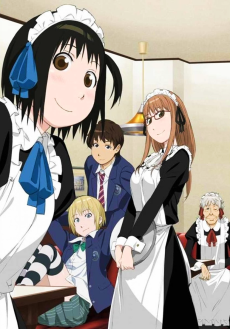
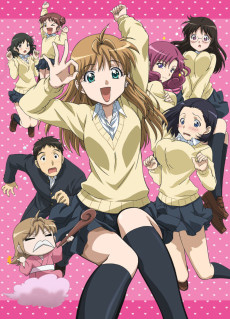
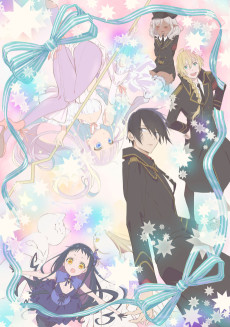
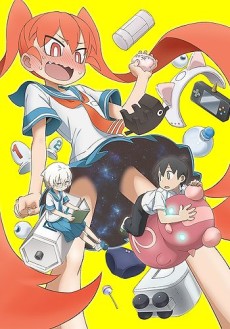









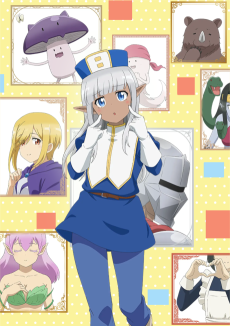


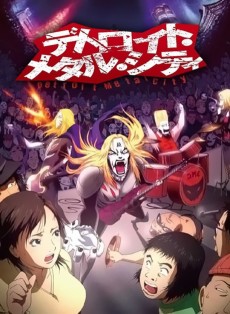


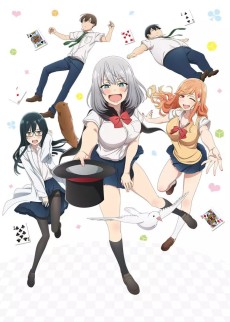
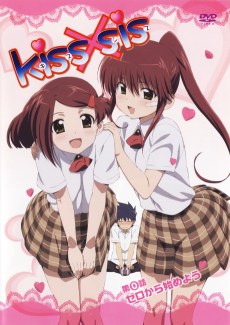






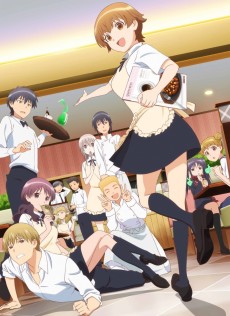
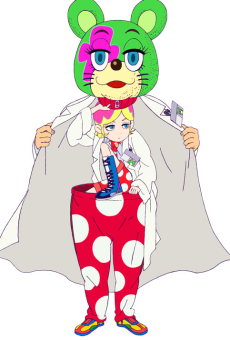
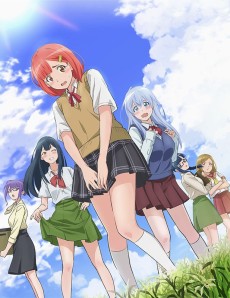
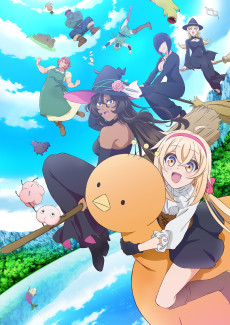
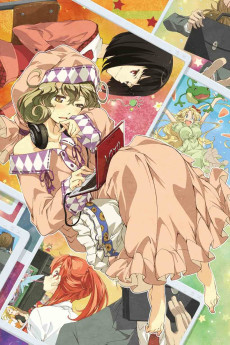

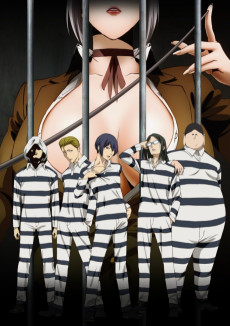


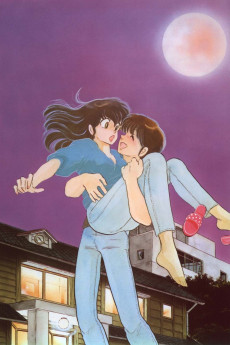
Match Dimensions Explained
❓Frequently Asked Questions
Why is Mob Psycho 100 III recommended for Oddworld: Munch's Oddysee fans?
Because both lean hard into surreal, body-horror-adjacent comedy with grotesque transformations—like Mob’s psychic meltdowns mirroring Munch’s grotesque, gelatinous wobble when hit, or the way Mob’s ‘Divine Tree’ arc warps reality just like Munch’s underwater ‘Gloom’ zones distort physics and color. The tone matches too: absurd, darkly funny, and unapologetically weird—exactly the vibe of that 2016 port’s ‘certified Hood classic’ energy.
Is there an anime adaptation of Oddworld: Munch's Oddysee?
No—there’s never been an official anime adaptation. But if you love Munch’s off-kilter 3D world (with its wonky controls, high-poly models, and jarring color correction quirks), Paprika hits that same uncanny valley: dream logic, shifting textures, and glitchy audio moments that feel like watching a streamed playthrough where the brightness settings go haywire mid-scene.
How does Nisemonogatari compare to Hanamonogatari for Oddworld fans?
Nisemonogatari leans harder into rapid-fire parody and over-the-top physical comedy—think Munch’s slapstick flailing when stuck in awkward 3D platforming—while Hanamonogatari dives deeper into eerie, slow-burn body horror, like the unsettling stillness of Munch’s Gloom zones or the way textures seem to ‘breathe’ in the 2016 port’s higher-res models. Both nail the Adult & Dark Seinen edge, but Nisemonogatari’s chaos feels closer to that ‘not as fun as the first 2 games… Quit after first 3 stages’ frustration-turned-laugh energy.
What’s the best anime like Oddworld: Munch’s Oddysee if I want that ‘certified Hood classic’ vibe?
Mission: Yozakura Family—it’s got the same blend of absurd spy parody, sudden grotesque mutations (like Munch’s bouncy, distorted animations), and tonal whiplash where something deeply weird happens right after a goofy gag. Plus, it shares that ‘higher res textures, improved audio’ polish feeling—not flashy, but *deliberately* slick in a way that makes the oddness pop, just like the 2016 port’s badges, emotes, and trading cards add playful meta-layering.