
Perfect Blue
Rising pop star Mima has quit singing to pursue a career as an actress and model, but her fans aren’t ready to see her go... Encouraged by her managers, Mima takes on a recurring role on a popular TV show, when suddenly her handlers and collaborators begin turning up murdered. Harboring feelings of guilt and haunted by visions of her former self, Mima’s reality and fantasy meld into a frenzied paranoia. As her stalker closes in, in person and online, the threat he poses is more real than even Mima knows, in this iconic psychological thriller that has frequently been hailed as one of the most important animated films of all time.
(Source: Shout! Factory)
Note: The film received an early premiere at the Fantasia Film Festival on August 5, 1997.
📺Anime Details
📝Editorial Analysis
The fluorescent hum of a computer fan. The sickly glow of a monitor reflecting in Mima’s wide, unblinking eyes as she scrolls—scrolls, endlessly—through a fan site where someone has posted a diary written as her, detailing things only she could know. Her breath hitches. The cursor blinks. A notification pings: “You’ve been tagged in a new post.” She clicks. It’s a photo—her, but not her—wearing her old idol outfit, smiling with teeth too white, eyes too still. The room tilts. Not because something jumps out, but because nothing does. The horror lives in the silence between keystrokes, in the lag before the page reloads, in the way her own voice echoes back from a recording she doesn’t remember making.
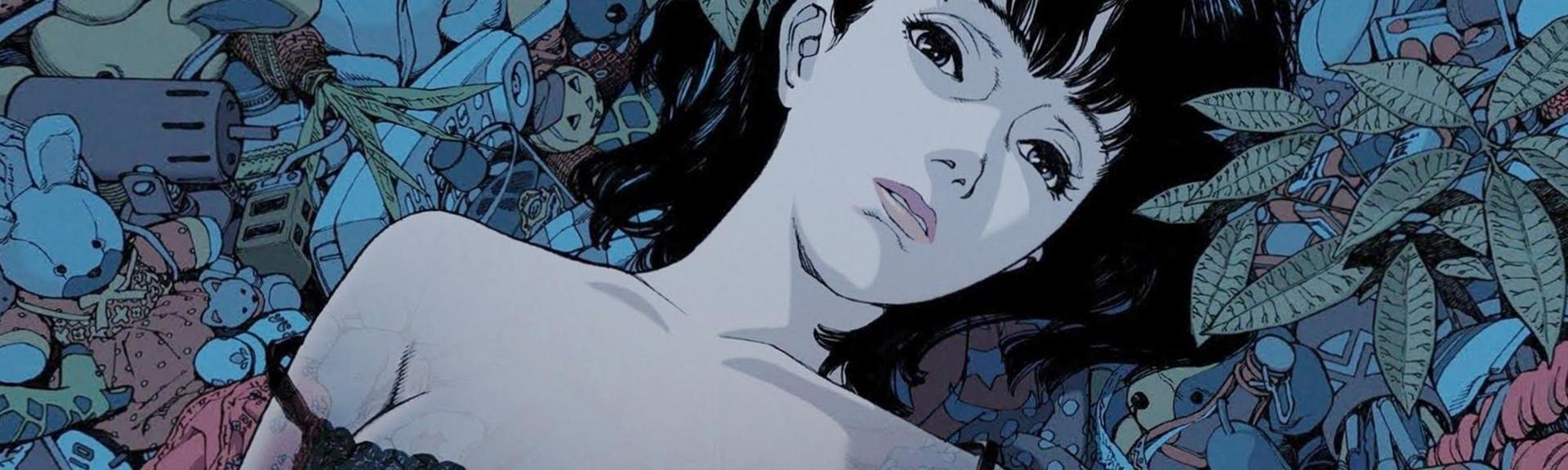
That’s the atmosphere of Perfect Blue: not dread of the unseen, but dread of the witnessed—of being watched so thoroughly that your memory starts to fray at the edges, your reflection begins to answer back, and your sense of authorship over your own life dissolves like sugar in hot tea. It’s the suffocation of recognition without consent: seeing your face plastered on billboards you didn’t approve, hearing your voice recited by strangers who claim to know your truth better than you do. It makes you question not just who’s watching, but who’s speaking when you speak—and whether the “you” doing the speaking is even the same person who signed the contract, took the role, deleted the browser history. It’s philosophy dressed in sweat-dampened stage makeup, a thriller that tightens its grip not with gore, but with grammar—every pronoun, every tense, every “I” that trembles under scrutiny.
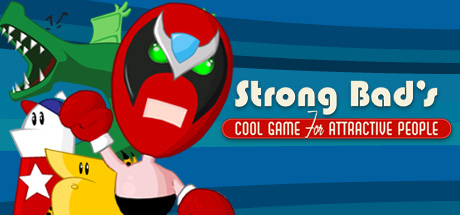
Strong Bad's Cool Game for Attractive People: Season 1 shares this emotional DNA—not through trauma, but through meta-performative exhaustion. Its description promises “Strong Bad’s wacky comedic adventures over 5 full episodes,” and the player review laments its absence, hoping for a remake “next….” That longing mirrors Mima’s fans’ refusal to let her evolve: both are fixated on a version frozen in time, demanding repetition as devotion. Strong Bad’s entire existence is built on curated personas (email responder, wrestler, poet), each one a parody of identity-as-commodity—and the game’s comedy lands because it knows how thin the line is between satire and symptom. When Mima stares at her idol self online, she’s not just haunted—she’s quoted, remixed, repackaged. So is Strong Bad. The laughter here isn’t relief—it’s recognition of the absurd labor of self-presentation, the sheer effort required to keep the mask from slipping in plain sight.
Grand Theft Auto: Vice City resonates in its adult & dark seinen texture—the description drops us into “the 1980s… big hair, excess and pastel suits,” and the review calls it “hilarious to play” while also naming it “the best GTA game.” That duality—glittering surface, rotting core—is pure Perfect Blue. Mima trades pop stardom for gritty acting, just as Tommy Vercetti trades underworld loyalty for sun-bleached empire-building; both climb ladders polished with denial. The music isn’t just soundtrack—it’s branding, weaponized nostalgia used to sell illusion as authenticity. When Mima lip-syncs her old hit on set, it’s no different than Tommy blasting “Pour Some Sugar On Me” while executing a rival—both performances are hollow, necessary, and deeply unsettling because they’re too convincing. The horror isn’t in the bloodshed—it’s in the smile that stays locked in place long after the camera cuts.
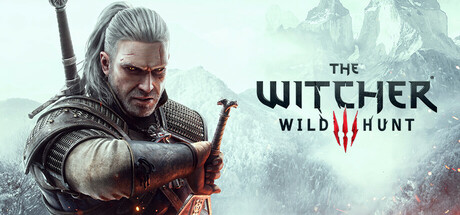
And then there’s The Witcher 3: Wild Hunt, described as tracking “Ciri — the Child of Prophecy,” with a player review celebrating DLC announced eleven years later: “my favourite game keeps getting better…” That devotion—this enduring, almost obsessive care—echoes the fandom that stalks Mima, yes—but more crucially, it mirrors Mima’s own relationship to her past self. Geralt hunts Ciri across continents, rewriting his understanding of choice, consequence, and legacy with every decision. Mima hunts herself, parsing old interviews, rewatching idol clips, interrogating every “before” to make sense of the “after.” Both narratives treat identity as terrain—ravaged, mapped, misremembered. The emotional weight isn’t in the sword swing or the scream—it’s in the pause before, the breath held while staring at a mirror that refuses to reflect back the person you swore you were.
This pairing isn’t for casual fans. It’s for the ones who rewatch scenes to catch the flicker in an eye, who save screenshots of loading screens, who feel physically ill when a character checks their phone and the screen shows too much. It’s for people who understand that the most terrifying monsters aren’t under the bed—they’re in the comment section, in the casting call, in the contract clause you skimmed, in the version of you that’s already been uploaded, archived, and loved more than the one still breathing.
🎮71 Games That Match the Vibe
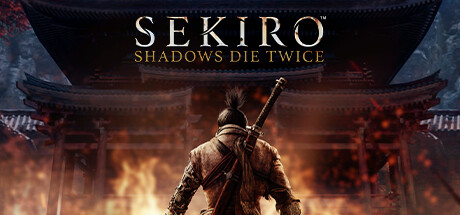
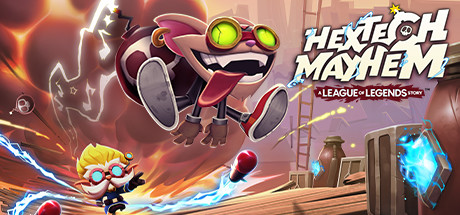












Match Dimensions Explained
❓Frequently Asked Questions
Why does Grand Theft Auto: Vice City feel like a spiritual cousin to Perfect Blue?
Because both use neon-drenched 80s aesthetics and media-saturated paranoia to explore fractured identity—Vice City’s Tommy Vercetti mirrors Mima’s descent into dissociation as he’s consumed by fame, power, and fabricated personas. The game’s cassette tapes, talk radio, and over-the-top celebrity cameos (like Lance Vance’s performative ego) echo Perfect Blue’s obsession with idol culture and the violence of being watched.
Is there a video game adaptation of Perfect Blue?
No—there’s never been an official Perfect Blue game adaptation. But if you’re craving that same psychological unraveling layered with idol worship and surreal narrative breaks, Strong Bad's Cool Game for Attractive People nails the tonal whiplash: episodes like 'The Floatpoint Episode' weaponize parody and fourth-wall shattering in ways that feel like if Mima’s hallucinations starred a luchador-wrestling email wizard.
How do The Witcher 3 and The Witcher 2 compare for fans of Perfect Blue’s psychological tension?
The Witcher 2 leans harder into claustrophobic, morally suffocating choices—like the pivotal Chapter II prison sequence where Geralt’s memories blur with interrogation tactics—making it eerily close to Perfect Blue’s unreliable reality. The Witcher 3 expands outward with scope and spectacle, but its ‘Blood and Wine’ DLC (with its decaying vineyard and doppelgänger dread) delivers the most sustained, slow-burn psychological unease.
What’s the best game like Perfect Blue if I want that unsettling, emotionally raw idol-to-abyss vibe?
Strong Bad's Cool Game for Attractive People is your best bet—it’s got the Music & Idol + Emotional Narrative dimensions locked in, and its entire structure mimics the disorientation of fame: one minute you’re signing autographs as Strong Bad, the next you’re trapped in a surreal, self-referential limbo where fan mail becomes evidence and every joke hides real vulnerability. That ‘Dorkness Rising’ episode? Pure Mima-level identity fragmentation—with more wrestling.