Gushing Over Magical Girls
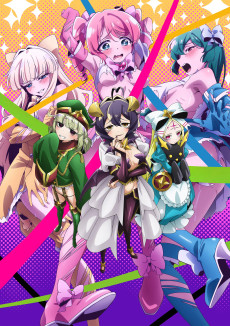
Hiiragi Utena is a major fangirl of the magical girls protecting her city, so when she has the chance to become one herself, she leaps at the chance to join their technicolor ranks… but when she transforms, she learns she isn’t fated to be a daring do-gooder, but rather a villain on the side of evil! At first she tries to quit her new gig as the leader of the local baddies, but she quickly realizes she enjoys it and is a total natural at tormenting the magical girls she loves so much. With both a bang and a whimper, Hiragi’s journey as a magical-girl-tormenting sadist has begun!
(Source: HIDIVE)
📺Anime Details
📝Editorial Analysis
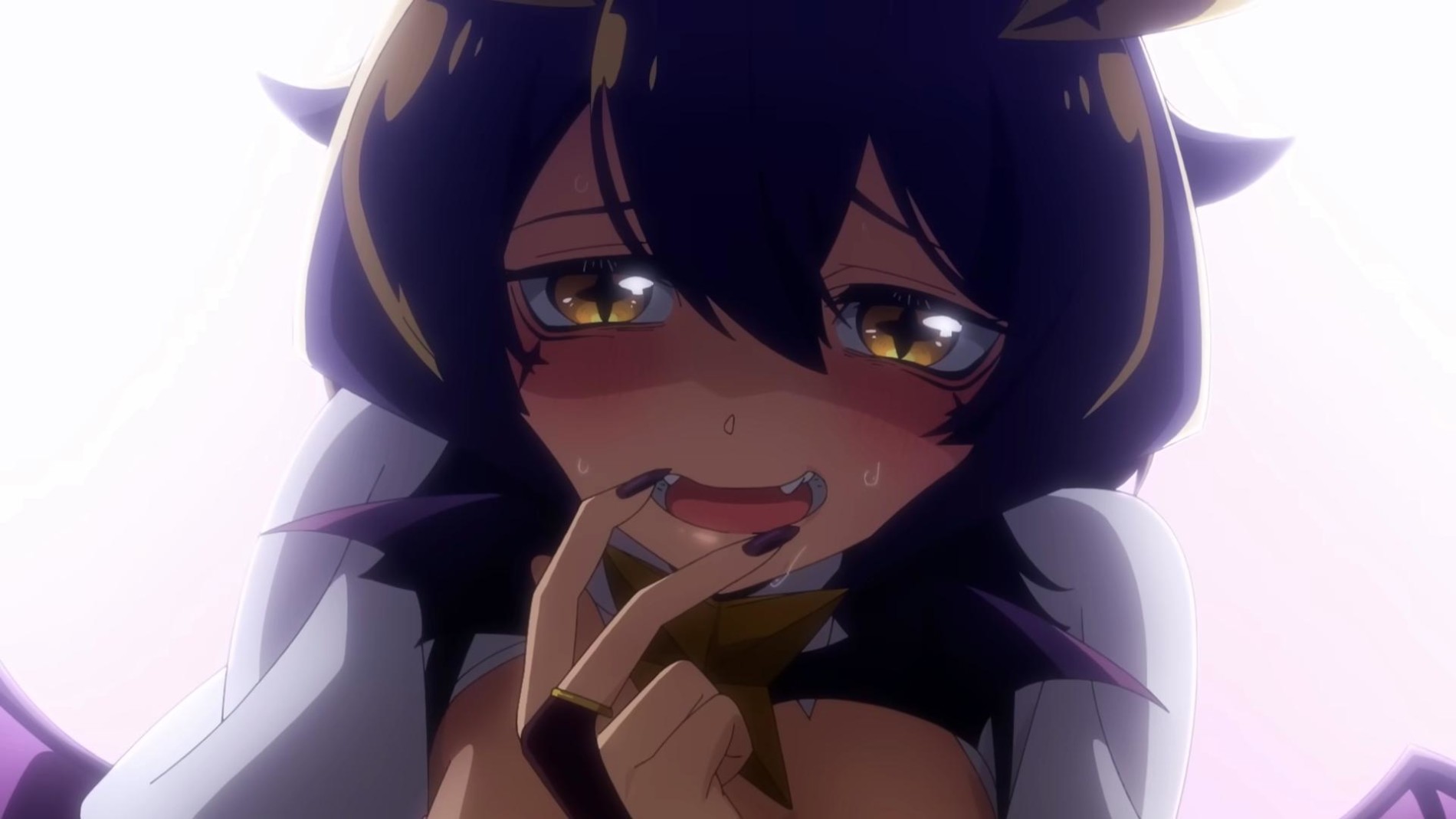
The first time Hiiragi Utena transforms—not with a shimmering cascade of light, but with a low, throaty chuckle and the slow, deliberate unzipping of her own magical uniform—something in your chest lurches. Not from shock, not from scandal, but from recognition. Her grin isn’t villainous in the way villains usually grin; it’s relieved, like she’s just exhaled after holding her breath through an entire lifetime of polite admiration. She doesn’t raise a wand or summon a monster. She leans against a lamppost, adjusts her thigh-highs, and watches the magical girls’ entrance sequence—sparkles, poses, synchronized hair flips—like it’s the most beautiful thing she’s ever seen… and the most delicious thing she’s ever wanted to ruin. That split second—where devotion curdles into delight, where love becomes tactile, dangerous, hungry—is the show’s heartbeat.
What makes Gushing Over Magical Girls vibrate at this frequency isn’t its ecchi tag or its yuri undertones—it’s the weight of its contradiction. It doesn’t parody mahou shoujo; it worships it so fiercely that worship collapses into sabotage. It makes you feel giddy and guilty, tender and wicked, all at once—like biting into something sweet that leaves a metallic aftertaste. There’s no moral scaffolding here, no redemption arc waiting in the wings. Just Utena, standing in the neon-drenched alley behind the heroines’ stage, breathing in their perfume, tracing the outline of their ribbons with her eyes—and smiling because this is where she finally fits. It’s not about good vs. evil. It’s about how intimacy distorts power, how obsession rewires agency, how the act of watching—really watching—can become its own kind of magic, its own kind of violence.
That same emotional vertigo lives in Prince of Persia, not in its acrobatics or sand magic, but in the way its reboot frames romance as physical negotiation: a hand on a wrist, a shared breath mid-leap, a choice to catch instead of let fall. The description calls it “Romance & Shoujo”—and yes, it’s there, but it’s charged, almost sadistic in its tenderness: every rescue feels like a surrender, every glance like a threat. A player review notes it’s “a new prince, new lands and a brand new story completely separate”—just like Utena’s sudden, disorienting pivot from fan to foe. Both reject inherited roles not with rebellion, but with revelation: love isn’t passive. It’s a grip. A twist. A held breath before the drop.
Then there’s The Sims™ 4, whose description promises you can “Play with life and discover the possibilities”—a phrase that sounds innocuous until you remember Utena playing with magical girl tropes like they’re dolls: posing them, interrupting their speeches, stealing their props, making them blush just so she can watch the flush spread. The player review complains it’s “no fun without DLC… you can barely do a…”—and that’s the point. The game’s emptiness invites violation. Like Utena’s villainy, its joy lies in filling the void with intention, however messy or selfish. You don’t build a life—you curate a fantasy, then gleefully break it: canceling a date mid-conversation, setting fire to a wedding cake, locking someone in a room just to hear them scream. It’s not cruelty for cruelty’s sake. It’s attention, hyper-focused and unapologetic.
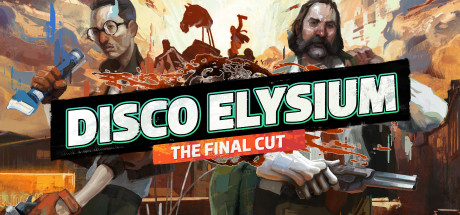
And Disco Elysium - The Final Cut, with its “Adult & Dark Seinen” dimension and a review quoting capital’s cruel irony—“Even those who would critique capital end up reinforcing it instead.” That’s Utena exactly. She critiques the magical girl system by joining it—as its antagonist. She loves the heroines so much she has to oppose them. Her villainy isn’t nihilism; it’s devotion made dialectical. The game’s skill checks don’t ask “What do you do?” but “What part of yourself do you weaponize right now?” Just like Utena choosing which magical girl’s weakness to exploit—not out of malice, but because knowing them is her deepest pleasure.
This pairing isn’t for fans of “fun” or “escapism.” It’s for the ones who’ve ever paused a magical girl transformation sequence—not to admire, but to study the seam where hope meets artifice. For players who reload saves not to win, but to linger in the moment their Sim trips on stairs, or their detective says something unforgivably honest. For people who understand that tenderness and torment share the same nervous system—that the most vivid feelings aren’t pure, but clashing, complicated, alive. They’re the ones who don’t want to be heroes or villains. They want to stand exactly where the light hits the edge of the shadow—and laugh, low and warm, because finally, they’re seen.
🎮38 Games That Match the Vibe























Match Dimensions Explained
❓Frequently Asked Questions
Why is Prince of Persia listed as similar to Gushing Over Magical Girls when it’s an action-adventure game?
Great question—it’s all about the shared 'Romance & Shoujo' and 'Comedy & Parody' vibes, not combat. Think of the Prince’s flustered, theatrical banter with Zahra (especially that rooftop confession scene where he trips over his own metaphors), or how the game leans into melodramatic tropes like star-crossed longing and exaggerated emotional reactions—very much in the same tonal lane as GO:MG’s playful, self-aware magical girl romance. It’s less about sparkles and more about swoony, slightly absurd, emotionally heightened storytelling.
Is there a Stardew Valley mod or official DLC that adds magical girl transformations?
No official Stardew Valley DLC or mod adds magical girl transformations—the game stays grounded in cozy farming and slow-burn romance (like befriending Emily and helping her design dresses at the sewing machine). But fans love how its 'Healing & Slow Life' + 'Romance & Shoujo' dimensions mirror GO:MG’s heart: think spending rainy afternoons baking with Leah while she riffs on poetry and identity, or the gentle, character-driven intimacy of upgrading your farmhouse *with* someone—not flashy powers, but quiet, meaningful bonding.
How does The Sims 4 compare to Disco Elysium for romantic, character-driven storytelling?
Totally different beasts! TS4 lets you craft romantic arcs through open-ended play—like guiding a Sim to flirt with Vampiric Goth Guy in Moonlight Falls while juggling career goals and home decor—but it’s light, flexible, and often silly. Disco Elysium dives deep into heavy, philosophical romance (e.g., your detective’s fraught, tender relationship with Kim Kitsuragi, where every dialogue choice weighs moral ambiguity and vulnerability), wrapped in 'Adult & Dark Seinen' grit. Both hit 'Romance & Shoujo', but TS4 is your glittery rom-com sandbox; Disco Elysium is your rain-soaked, existential love letter.
What’s the best game like Gushing Over Magical Girls if I just want to feel soft, safe, and emotionally held?
Stardew Valley is your absolute go-to—it’s the warm hug in game form. Picture healing after a bad day by watering crops at Pelican Town’s beach at sunset, sharing a simple lunch with Robin while she talks about carpentry dreams, or quietly holding Abigail’s hand during the Spirit’s Eve festival as fireflies blink overhead. Its 'Healing & Slow Life' core (plus 'Romance & Shoujo') delivers exactly that grounded, nurturing tenderness—no stakes, no villains, just time, growth, and gentle connection.