
Somali and the Forest Spirit
The world is ruled by a diversity of inhuman beings, who persecuted humans and drove them to near-extinction. One day, the forest guardian Golem meets a human girl. This is a chronicle of a journey that would bind a member of the dying "human" clan to the forest guardian Golem, as father and daughter.
(Source: Crunchyroll)
The first episode received an advance web distribution on January 3. The regular TV broadcast started on January 10.
📺Anime Details
📝Editorial Analysis
The first time Golem lifts Somali onto his broad, moss-draped shoulder—her small hand gripping the rough stone of his collarbone as they step into dappled forest light—you don’t hear music swell. You hear wind through ancient leaves, the soft shush of her bare feet brushing ferns, and the low, warm hum in his chest like a stone holding sunlight. She’s human. He’s a forest guardian who remembers cities swallowed by roots and wars fought over dust. And yet here they are: not fleeing, not fighting, but walking, side by side, under a sky neither of them fully trusts—but both choose to breathe beneath.

That’s the quiet miracle of Somali and the Forest Spirit: it doesn’t soften the world’s cruelty—it holds space for tenderness inside it. This isn’t escapism. It’s presence. The weight of lost civilizations isn’t backdrop; it’s in the way Golem pauses before crumbling ruins, his voice dropping an octave—not with sorrow, but with the careful reverence of someone reading a tombstone aloud to a child who doesn’t yet know what death means. The “iyashikei” tag isn’t about calm—it’s about repair: stitching warmth into frayed edges of existence, one shared meal, one mended toy, one lullaby hummed off-key over a campfire. You feel the ache of extinction, yes—but more insistently, you feel the stubborn warmth of care persisting. Not hope as promise, but hope as practice.
Which is why Chains, despite being a match-3 arcade game, vibrates with the same frequency. Its description calls it “relaxing,” and player reviews note its simple, physics-driven rhythm—“link adjacent bubbles… clear enough till you can proceed.” That gentle, tactile repetition—color meeting color, chain forming, space clearing—mirrors Golem’s daily rituals: gathering herbs, smoothing Somali’s blanket, testing river stones for safe crossing. No grand victory, just continuance. The emotional DNA isn’t in stakes—it’s in the soothing cadence of small, intentional acts, the way both anime and game make survival feel like a quiet, shared breath.
Then there’s Prince of Persia, described as a “melancholic exploration” across “new lands” with a “brand new story.” Player reviews mention its separation from past lore—like Golem choosing not to tell Somali the full truth of human extinction, or the show refusing to name the fallen kingdoms beyond “the old ways.” Both withhold exposition not to confuse, but to honor silence as dignity. The prince walks ruins where memory bleeds into sand; Golem walks forests where statues weep sap instead of tears. Neither explains the grief—they inhabit it, letting atmosphere do the translation. That shared melancholy isn’t despair. It’s witnessing, tender and unflinching.
And Stardew Valley—with its inherited farm plot, hand-me-down tools, and slow unfurling of community—lands with startling precision. Its description frames life as learning “to live off the land,” turning “these overgrown fields” into something sustaining. Player reviews confess exhaustion (“Spent the first 2 years trying to do everything”), then pivot to devotion—the kind that grows when you realize time isn’t currency to hoard, but soil to tend. Like Somali learning to weave reeds while Golem watches, hands folded, not correcting, just there. The crafting isn’t about efficiency—it’s about ritual, about making something small and real with your own hands, knowing it won’t save the world—but it might hold someone, just for tonight.
Who carries this resonance? Not just fans of “wholesome” media. It’s the person who’s held a dying parent’s hand and whispered stories they knew weren’t true, just to soften the edge of goodbye. It’s the player who replants the same crop three seasons straight because watching it grow feels like defiance. It’s the one who saves their game not to win, but to return—to that quiet campfire, that sunlit field, that stone shoulder—and remember: care is not fragile. It is the oldest architecture. It bends. It endures. It holds.
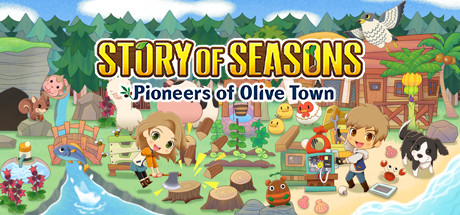
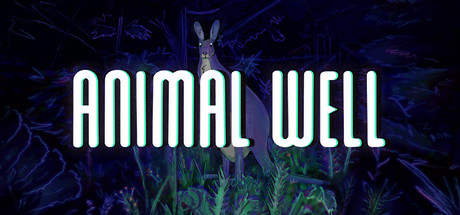
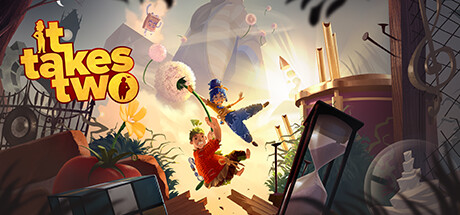
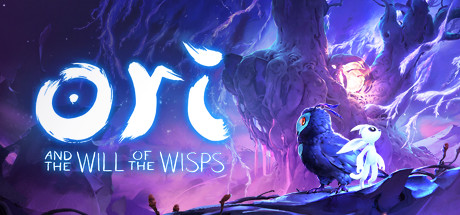
🎮37 Games That Match the Vibe































Match Dimensions Explained
❓Frequently Asked Questions
Why does Prince of Persia keep showing up in 'Games Like Somali and the Forest Spirit' lists?
Because both lean hard into melancholic exploration—wandering quiet, weathered ruins while uncovering fragmented lore about lost spirits and fading traditions. The Prince’s desert temples echo Somali’s mist-laced forest paths, and that slow, weighty movement as you trace wall carvings or listen to whispered narration feels spiritually aligned with Somali’s contemplative pacing.
Is there a Somali and the Forest Spirit anime or movie adaptation?
No official adaptation exists—but fans often compare Tank Universal’s atmospheric, memory-haunted sci-fi world to what a *Somali* animated series might feel like: emotionally resonant, visually sparse, and driven by quiet character moments over action. One player even noted how Tank Universal’s ‘cool sound effects and colors’ paired with loss (‘dad passes away’) mirrors Somali’s tender, bittersweet tone.
How does Stardew Valley compare to Somali and the Forest Spirit in terms of vibe?
Stardew Valley shares Somali’s healing, slow-life core—you’ll tend crops at dawn, chat with villagers like Elder Muna or Soma, and feel time pass meaningfully—but swaps forest spirits for farm animals and festivals. Where Somali leans into emotional narrative and mystery, Stardew leans into survival & crafting (‘learn to live off the land’), yet both make solitude feel warm, not lonely.
What’s the best game like Somali and the Forest Spirit if I want something calming but with light puzzle mechanics?
Chains is your sweet spot—it’s a relaxing match-3 arcade game where linking adjacent bubbles feels meditative, like arranging spirit stones or weaving forest light. With its healing & slow life focus and physics-driven flow (‘link 3 or more… clear enough till you can proceed’), it delivers Somali’s soothing rhythm without dialogue or lore—just pure, tactile calm.